Cabin HVAC Inspection Checklist for Fleet Driver Comfort Systems

By Jordan Blake on January 27, 2026

cabin-hvac-inspection-checklist

Your driver radios in from a delivery route in August—the AC just quit. Cab temperature climbs past 100°F within minutes. That driver now faces a choice: push through in dangerous heat or pull over and miss the delivery window. Neither option is acceptable. A 2024 Workers Compensation Research Institute study found work-related injuries increase 5-6% when temperatures exceed 90°F. For fleet operations, a failed cabin HVAC system isn't just a comfort issue—it's a safety risk, a productivity drain, and a driver retention problem wrapped into one preventable failure.

Why Cabin HVAC Inspections Protect Your Fleet
Driver safety, comfort, and operational efficiency depend on climate control
68-76°F Optimal Zone
13-40%
Of trucking accidents involve driver fatigue—heat worsens it
5-6%
Increase in work injuries when temps exceed 90°F
15-20K
Miles between cabin air filter replacements for fleets

The Complete Cabin HVAC Inspection Checklist

A systematic cabin HVAC inspection covers every component that affects driver comfort and safety—from the compressor that powers the system to the vents that deliver conditioned air. Fleet managers who sign up for digital inspection workflows can standardize this checklist across every vehicle, ensuring consistent inspections whether the truck is in Texas heat or Minnesota cold. The following checklist aligns with manufacturer recommendations and fleet industry best practices.

Fleet Cabin HVAC Inspection Checklist
Comprehensive inspection points for driver comfort systems
AC System Components
Compressor engages properly and cycles correctly
Monthly
Refrigerant levels within manufacturer specifications
Seasonal
Condenser coils clean and free of debris/road grime
Monthly
Evaporator drain clear and draining properly
Monthly
No visible refrigerant leaks (oil spots indicate leaks)
Weekly
Heating System
Heater core producing adequate heat output
Seasonal
Coolant hoses intact with no leaks or bulging
Monthly
Heater control valve operates smoothly
Quarterly
Coolant level and condition verified
Weekly
Airflow & Ventilation
Blower motor operates on all speed settings
Weekly
Cabin air filter clean or replaced (15-20K miles)
15-20K mi
All vents open, close, and direct airflow properly
Monthly
Mode doors switch between defrost/floor/panel
Monthly
Recirculation door functions correctly
Monthly
Controls & Electrical
Temperature controls respond accurately
Weekly
AC switch/button engages compressor
Weekly
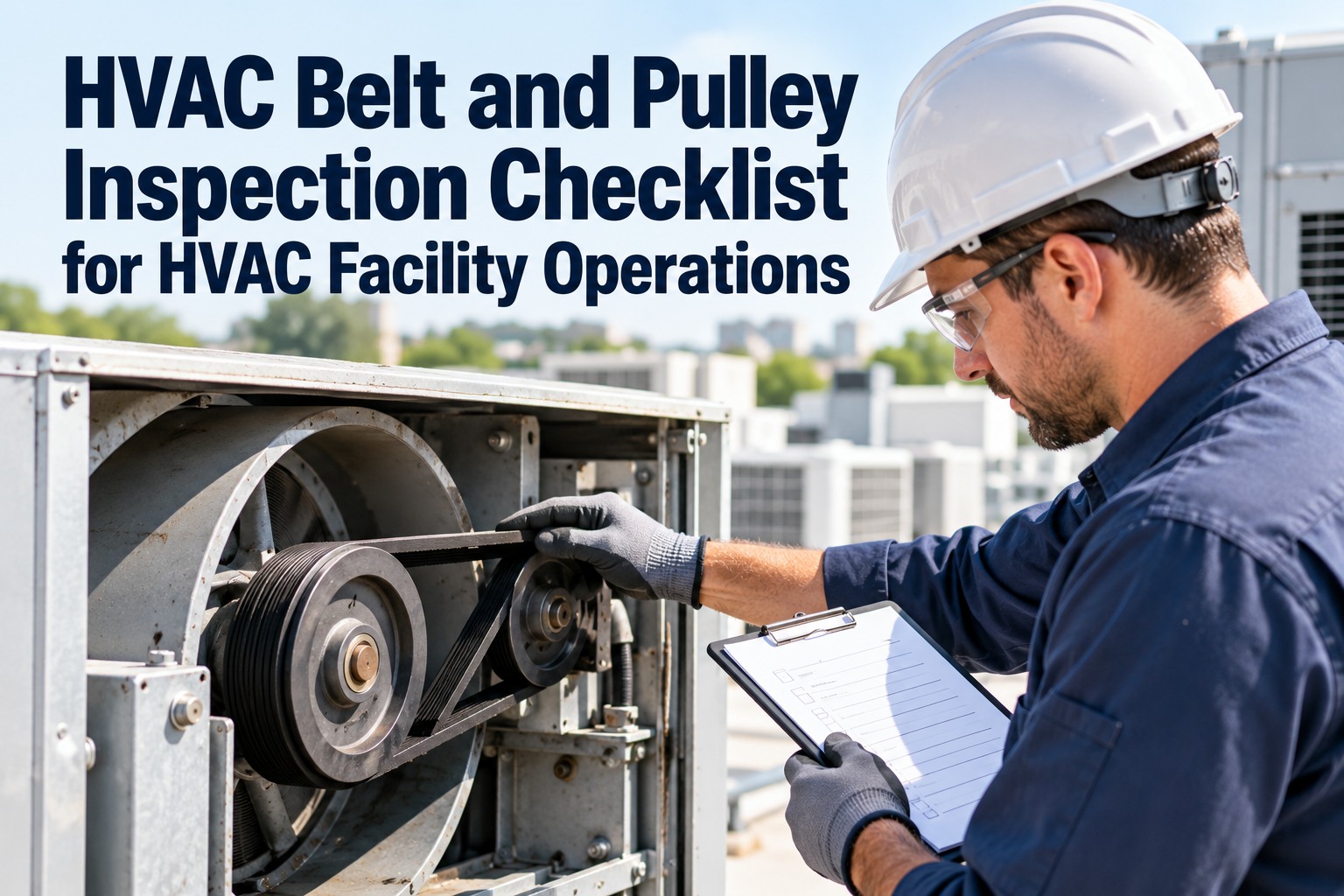
Belts inspected for wear, cracks, and proper tension
Monthly
Wiring connections secure with no corrosion
Quarterly
Safety & Air Quality
Defrost clears windshield within acceptable time
Seasonal
No musty or unusual odors from vents
Weekly
Cab interior clean of debris that could block airflow
Daily
Exhaust system checked (no fumes entering cab)
Monthly

The Hidden Costs of HVAC Neglect

A malfunctioning cabin HVAC system doesn't just make drivers uncomfortable—it creates a cascade of operational and financial problems. When the AC compressor struggles due to dirt buildup or worn parts, it demands extra power from the engine, increasing fuel consumption across your entire fleet. Research shows that fleets maintaining HVAC systems in peak condition see measurable improvements in fuel economy. Beyond fuel costs, driver turnover spikes when comfort systems fail repeatedly. Fleet operations that book a demo of automated HVAC inspection scheduling can prevent these cascading costs before they impact the bottom line.

The Cascade Effect of HVAC Failure
HVAC Fails Mid-Route
Cab Temp Rises to 100°F+
Driver Fatigue & Risk
Missed Delivery + Roadside Stop
Emergency Repair
$500-$2,000
Lost Productivity
$300-$800/day
Driver Turnover
$8,000-$12,000
Automate Your Fleet HVAC Inspections
Stop relying on paper checklists that get lost or forgotten. See how fleet managers use OXmaint to schedule, track, and document cabin HVAC inspections across every vehicle.

Inspection Frequency by Fleet Operation Type

Not all fleet operations face the same HVAC demands. A long-haul operation running through Arizona summers needs more frequent AC inspections than a local delivery fleet in the Pacific Northwest. Similarly, sleeper cabs with separate front and rear climate systems require additional inspection points. The table below provides recommended inspection frequencies based on operation type and environmental conditions. Fleets ready to customize their inspection schedules can sign up to create operation-specific inspection templates that match their actual operating conditions.

Recommended Inspection Frequency by Operation
Operation Type Filter Change Refrigerant Check Full System Inspection
Long-Haul (Extreme Heat) Every 12-15K miles Monthly Quarterly
Long-Haul (Moderate) Every 15-20K miles Seasonal Semi-Annual
Regional Delivery Every 15-20K miles Seasonal Semi-Annual
Local/Urban Delivery Every 12-15K miles Seasonal Semi-Annual
Dusty/Construction Zones Every 10-12K miles Monthly Quarterly
Sleeper Cab Operations Every 15K miles (both systems) Monthly Quarterly

Expert Review: Making HVAC Maintenance a Fleet Priority

The cab climate system has become a frontline priority for equipment managers. With fleets holding onto assets longer and service demands growing, HVAC reliability is essential—especially for operations running in high-heat zones or operating sleeper cabs. It's all about getting that truck out as quick and easy as possible and making sure it doesn't come back.

Driver Comfort = Driver Retention
With driver shortages impacting the industry, a reliable HVAC system becomes a competitive advantage for retaining experienced drivers.
Fuel Economy Connection
A struggling AC compressor demands extra engine power. Keeping HVAC in peak condition directly reduces fuel consumption fleet-wide.
Prevent Compressor Failure
Simple leak checks and refrigerant refills prevent compressor failure—an expensive repair that sidelines trucks for days.

Warning signs that indicate immediate HVAC attention include poor cooling performance, lack of airflow in the cab, rapid cycling of the compressor, and oil spots at connection points or where hoses contact other components. Drivers should be trained to report these symptoms immediately rather than pushing through. Fleet operations that schedule a consultation about driver-reported defect workflows can capture these early warnings before they become roadside failures.

Building Your Fleet HVAC Program

An effective fleet HVAC inspection program combines scheduled preventive maintenance with driver pre-trip and post-trip checks. The receiver drier should be changed annually and anytime the AC system is opened to ambient air. Cab cleanliness matters too—paper, debris, and dust accelerate filter clogging and system wear. Fleet managers who sign up to digitize their PM schedules can set automated reminders that ensure nothing falls through the cracks, even across a geographically dispersed fleet.
Daily
Driver checks: AC/heat operation, unusual sounds, odors, vent airflow
Monthly
Technician inspection: belts, hoses, compressor, condenser cleaning
Seasonal
Full system service: refrigerant levels, filter replacement, leak detection
Keep Your Drivers Comfortable and Safe
Join fleet operations using OXmaint to standardize cabin HVAC inspections, automate PM schedules, and track driver-reported defects. Protect your drivers and your bottom line.

Frequently Asked Questions

How often should cabin air filters be replaced in fleet vehicles?
Fleet vehicles should have cabin air filters replaced every 15,000 to 20,000 miles under normal operating conditions. However, trucks operating in dusty environments, construction zones, or heavily polluted urban areas may need more frequent replacement—every 10,000 to 12,000 miles. A clogged filter restricts airflow, makes the blower motor work harder, reduces cooling efficiency, and can allow dust, allergens, and pollutants to enter the cab. Watch for signs like reduced vent airflow, musty odors, or increased dust on interior surfaces.
What are the warning signs of failing cabin HVAC in fleet trucks?
Key warning signs include poor cooling even when AC is running, lack of airflow from vents, rapid or irregular compressor cycling, musty or unusual odors from the ventilation system, and visible oil spots near AC components (indicating refrigerant leaks). Drivers may also notice the AC taking longer to cool the cab, the blower motor making unusual noises, or inconsistent temperature control. Any of these symptoms warrant immediate inspection to prevent a roadside failure during critical operations.
How does cabin HVAC failure affect driver safety?
Cabin HVAC failure directly impacts driver safety in multiple ways. Extreme heat increases fatigue—studies show 13-40% of trucking accidents involve driver fatigue, and high temperatures accelerate fatigue onset. Work-related injuries increase 5-6% when temperatures exceed 90°F. Heat also reduces alertness and reaction times. In winter, a failed heater compromises visibility by preventing effective defrost operation. Additionally, poor cabin air quality from clogged filters can cause headaches, drowsiness, and respiratory issues that impair driving ability.
What should be included in a pre-trip HVAC inspection?
A driver's pre-trip HVAC inspection should verify that AC and heat systems engage and produce appropriate temperature air, the blower motor operates on all fan speeds, airflow comes from all selected vents (defrost, floor, panel), there are no unusual sounds or odors when the system runs, temperature controls respond accurately, and the defrost clears the windshield effectively. Drivers should also check that the cab is free of debris that could block airflow and note any oil spots that might indicate refrigerant leaks.
How can a CMMS improve fleet HVAC maintenance?
A Computerized Maintenance Management System (CMMS) improves fleet HVAC maintenance by automating PM schedules based on mileage, time, or operating conditions—ensuring inspections happen consistently across the entire fleet. It creates standardized digital checklists that technicians follow, eliminating variation between locations or shifts. The system captures driver-reported defects immediately, generating work orders before minor issues become major failures. Historical tracking reveals patterns like specific vehicles or routes with recurring HVAC problems, enabling targeted improvements. Most importantly, it provides documentation for compliance and creates accountability throughout the maintenance process.

Share This Story, Choose Your Platform!