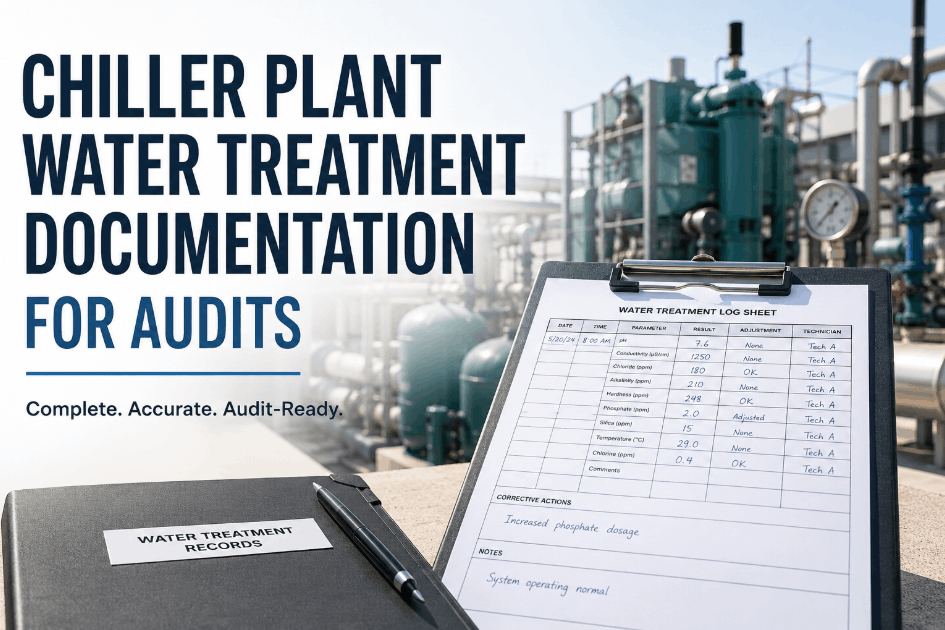
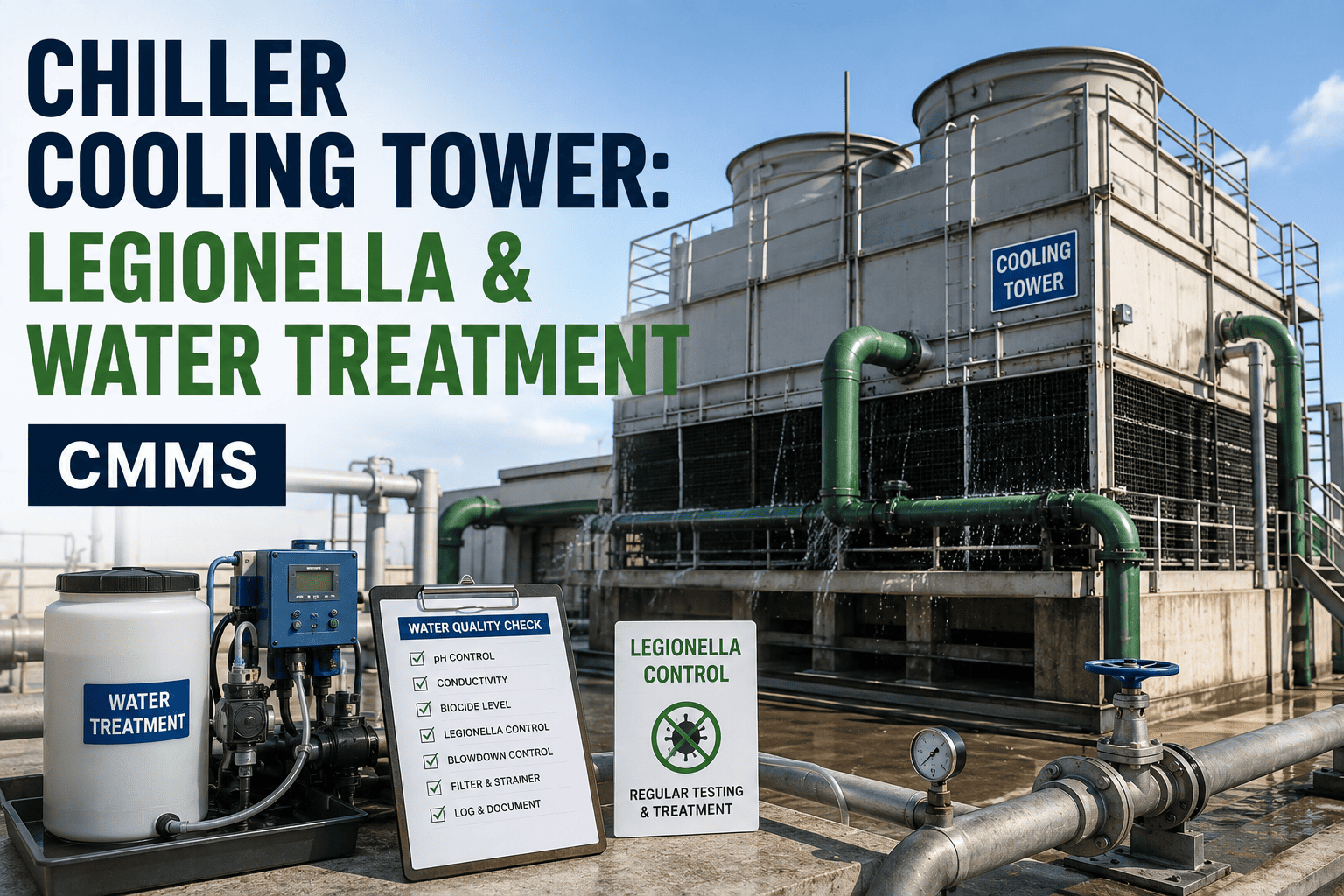
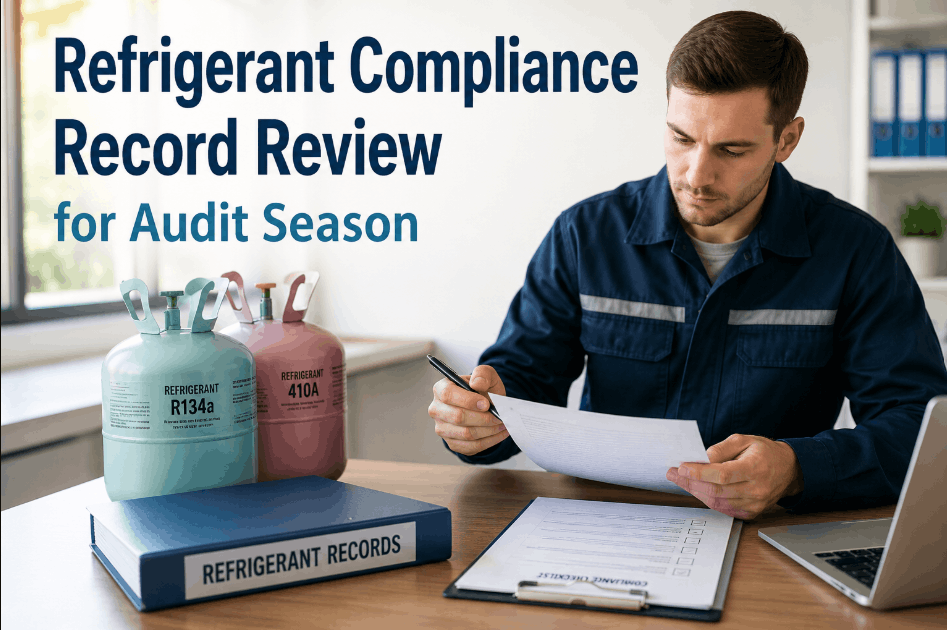
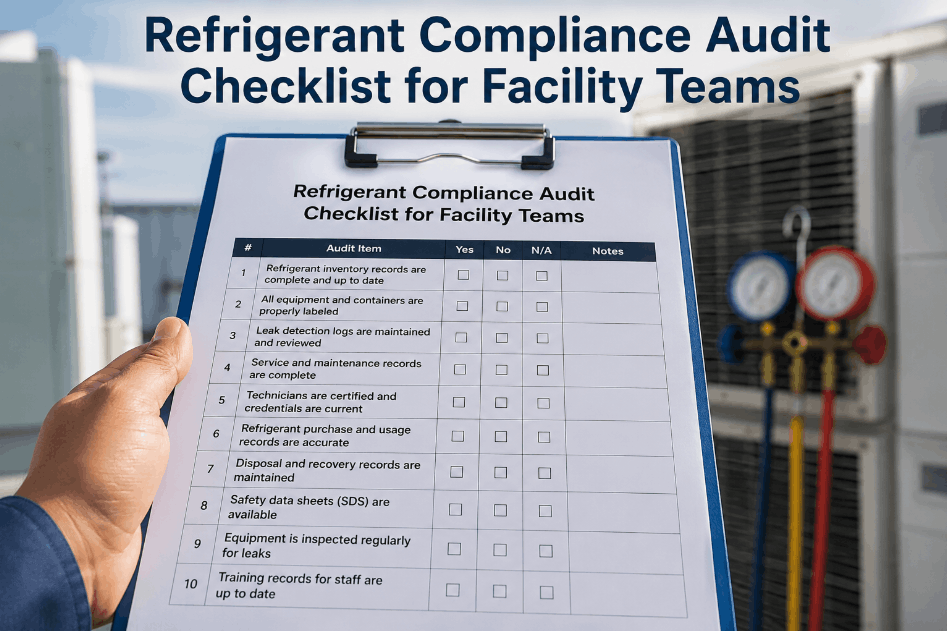
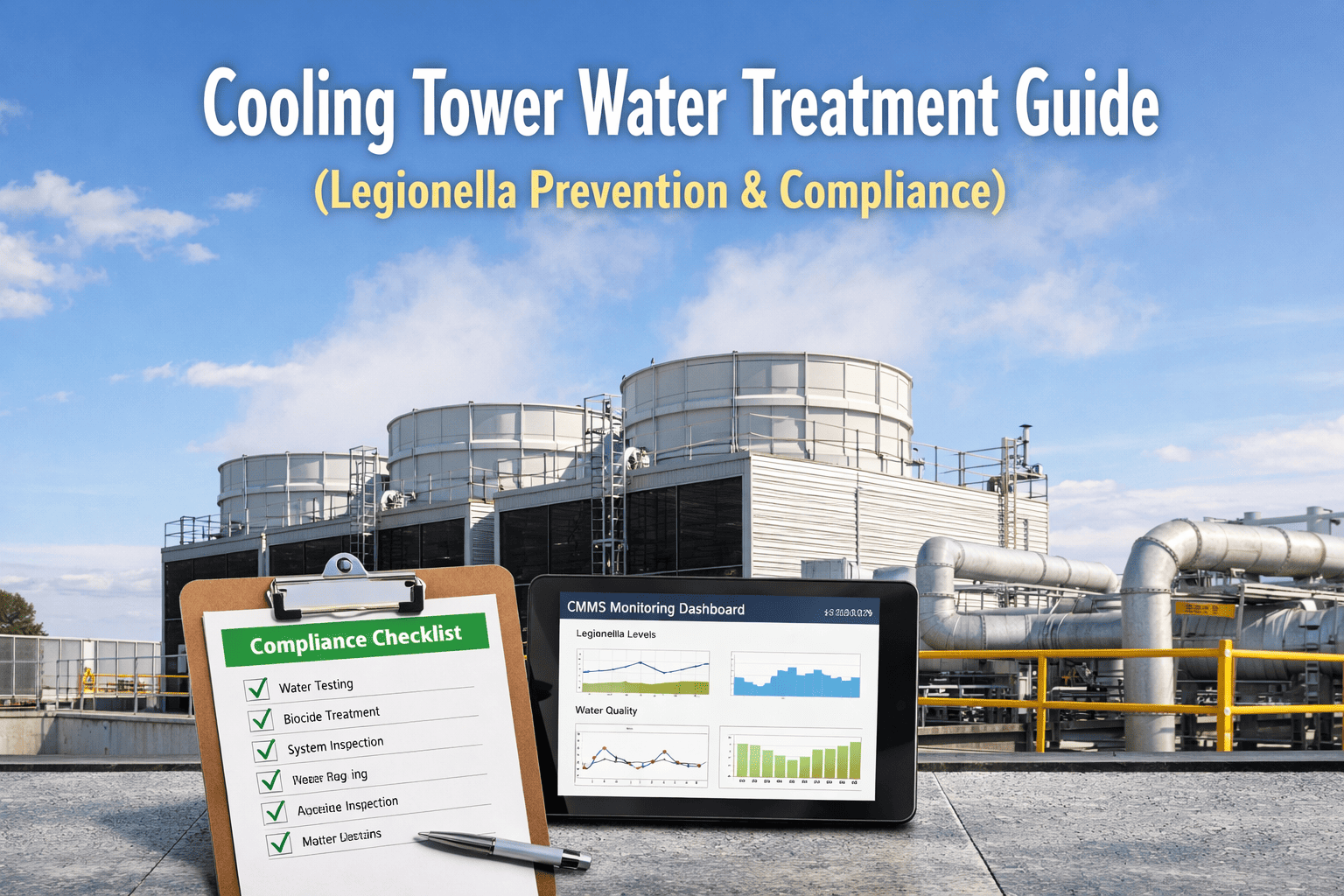
Chiller plant water treatment documentation is the difference between passing an audit in an afternoon and scrambling through paper logs for a week — auditors, insurers, and regulatory bodies need a clear, chronological record of water quality test results, chemical dosing adjustments, and corrective actions for condenser and chilled water systems. Facilities using Sign Up Free with Oxmaint log water treatment data digitally against the chiller plant asset record — creating an audit trail that shows test history, treatment program compliance, and corrective actions without gaps. Water treatment program failures that go undocumented create Legionella risk, equipment warranty voids, and regulatory non-compliance exposure that no facility manager wants to defend. Book a Demo to see how Oxmaint's CMMS structures chiller water treatment documentation for audit readiness. The challenge isn't performing water treatment — it's proving it was done correctly, consistently, and in response to out-of-range readings. Sign Up Free and configure water treatment inspection checklists in Oxmaint so every test result is time-stamped, linked to the responsible technician, and stored against the cooling tower or chiller asset record permanently. When an auditor arrives, the complete treatment history is one search away. Book a Demo to explore how Oxmaint supports Legionella water management plan documentation and chiller plant compliance records.
CHILLER · WATER TREATMENT · AUDIT DOCUMENTATION · COMPLIANCE · 2026
Chiller Plant Water Treatment Documentation for Audits
Audit-ready chiller plants need complete water treatment records — test history, chemical adjustments, and corrective actions — stored digitally without gaps so compliance reviews never become a crisis.
ASHRAE 188Legionella water management plan standard requiring documented testing, monitoring, and corrective action
30–40%Chiller efficiency loss from scaling and fouling caused by inadequate condenser water treatment
5 yrsMinimum water treatment record retention period required by most facility compliance frameworks
$0Cost of a passed audit versus the liability exposure from incomplete Legionella documentation
Water Treatment Documentation Gaps That Cause Audit Failures
Audit failures in chiller plant water treatment programs almost always trace back to documentation problems, not program failures. Test results logged on paper and stored in binders, corrective actions recorded verbally but never written down, and chemical dosing records kept separately from test results — these create the gaps that auditors flag. Oxmaint's inspection module centralizes all water treatment data against the cooling tower and chiller asset records — keeping test logs, chemical records, and corrective action documentation in one searchable system. Sign Up Free to build structured water treatment checklists in Oxmaint that create audit-ready records automatically.
Water Quality Test Logs
pH, Conductivity, Inhibitor Levels
Daily or weekly test results for condenser water pH, conductivity (TDS), inhibitor concentration, and biocide residuals must be time-stamped and linked to the technician who performed the test — not entered retroactively.
Chemical Dosing Records
Treatment Adjustments and Additions
Document every chemical addition — inhibitor, biocide, dispersant, and bleed controller adjustment — with quantity, date, and reason. Auditors look for a clear cause-and-effect relationship between test results and treatment response.
Corrective Action Documentation
Out-of-Range Response Records
When a test result falls outside acceptable range, the corrective action taken must be recorded within the same work order or inspection record — showing the problem was identified and addressed, not just noted.
Legionella Risk Assessment Records
ASHRAE 188 / Water Management Plan
Facilities covered by ASHRAE 188 must document their water management plan, risk assessment, control measures, and monitoring schedule. Oxmaint stores plan documents against the cooling system asset with version control and review dates.
Cooling Tower Cleaning Records
Seasonal and Annual Cleaning
Tower cleaning, inspection, and disinfection records must show date, method, chemical concentrations used, and post-cleaning test results. A gap in annual cleaning documentation is one of the most common Legionella audit findings.
Service Provider Certification Records
Water Treatment Vendor Compliance
Third-party water treatment service reports, technician certifications, and chemical safety data sheets must be retained with the treatment record — demonstrating that the program is managed by qualified personnel.
Water Treatment Documentation Program — 5-Stage Structure
1
Asset Registry — Identify All Water Systems Requiring Documentation
Create an asset record in Oxmaint for every cooling tower, condenser water loop, chilled water system, and domestic hot water system covered by your water management plan. Documentation requirements and test frequencies differ by system type and Legionella risk classification.
2
Inspection Checklist Configuration by System Type
Build Oxmaint inspection checklists for each water system with specific test parameters, acceptable ranges, and mandatory corrective action fields. Checklists enforce complete documentation — technicians cannot submit a record with blank corrective action fields when a reading is out of range.
3
Scheduled PM Task Generation for All Test Frequencies
Configure Oxmaint to generate water treatment inspection tasks at daily, weekly, monthly, and quarterly frequencies based on your water management plan schedule. Automated task generation eliminates missed tests — the most common compliance gap in manual programs.
4
Out-of-Range Alert and Corrective Action Workflow
Configure Oxmaint to escalate work orders when inspection readings fall outside acceptable ranges — automatically alerting the water treatment supervisor and requiring corrective action documentation before the work order can be closed.
5
Audit Package Generation from Asset History
When an audit is scheduled, export complete water treatment history for any system from Oxmaint's asset record — including all test logs, corrective actions, chemical records, and cleaning documentation — as a structured report in minutes, not days.
Condenser Water Treatment — Acceptable Parameter Ranges for Audit Compliance
| Water Quality Parameter |
Acceptable Range |
Out-of-Range Risk |
Corrective Action |
| pH (condenser water) |
7.0 – 8.5 |
Corrosion below 7.0; scaling above 8.5 |
Acid or alkali dosing; bleed adjustment |
| Conductivity (TDS) |
Per cycles of concentration target |
High TDS accelerates scaling and corrosion |
Increase bleed rate; check makeup water quality |
| Inhibitor concentration |
Per chemical supplier specification |
Low inhibitor causes corrosion and tube pitting |
Shock dose and adjust continuous feed rate |
| Biocide residual |
Per treatment program specification |
Low biocide — Legionella proliferation risk |
Biocide dose; Legionella risk reassessment |
| Turbidity / Visual clarity |
Clear — no visible suspended solids |
Fouling deposits in condenser tubes |
Dispersant dose; tower cleaning inspection |
From Test Results to Audit Report — Without the Paper Chase
Oxmaint stores all chiller plant water treatment records — test logs, chemical dosing, corrective actions, and cleaning history — against the asset in one searchable CMMS so audit preparation takes minutes, not days.
Frequently Asked Questions — Chiller Plant Water Treatment Documentation
What records are required for a chiller plant water treatment audit?
Auditors typically require water quality test logs with dates and readings, chemical dosing records, corrective action documentation for out-of-range results, cooling tower cleaning records, and a current water management plan aligned with ASHRAE 188.
How does Oxmaint help maintain audit-ready water treatment documentation?
Oxmaint stores all inspection results, chemical logs, and corrective actions against the water system asset record with automatic timestamps and technician attribution — making complete documentation a byproduct of the daily treatment routine.
How long should chiller plant water treatment records be retained?
Most regulatory frameworks and insurance requirements specify 5 years minimum retention. Oxmaint stores records indefinitely against the asset, accessible any time without manual filing or archiving.
What is ASHRAE 188 and does it apply to my facility?
ASHRAE 188 establishes minimum requirements for Legionella water management plans in building water systems. It applies to most commercial facilities with cooling towers, and many states have adopted it into health and safety regulations.
Can Oxmaint generate audit reports from water treatment history automatically?
Yes. Oxmaint's asset history exports all inspection records, work orders, and maintenance logs for any water system in a structured report — providing the documentation package auditors require without manual compilation.
Water Treatment Compliance Starts with Complete Documentation.
Oxmaint's CMMS gives chiller plant operators a structured platform to log water quality tests, track corrective actions, and generate audit-ready documentation — so compliance reviews confirm good work, not gaps in records.