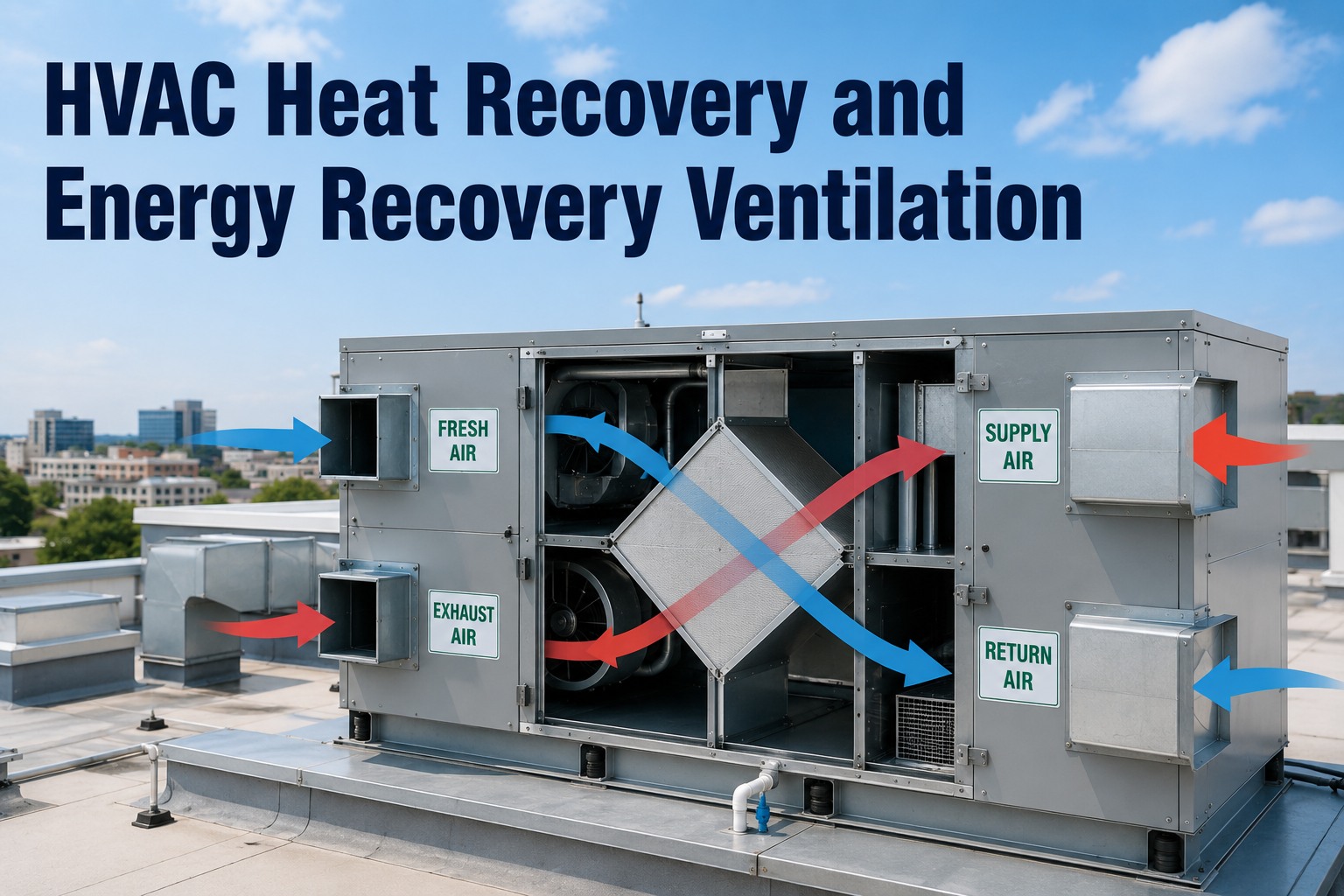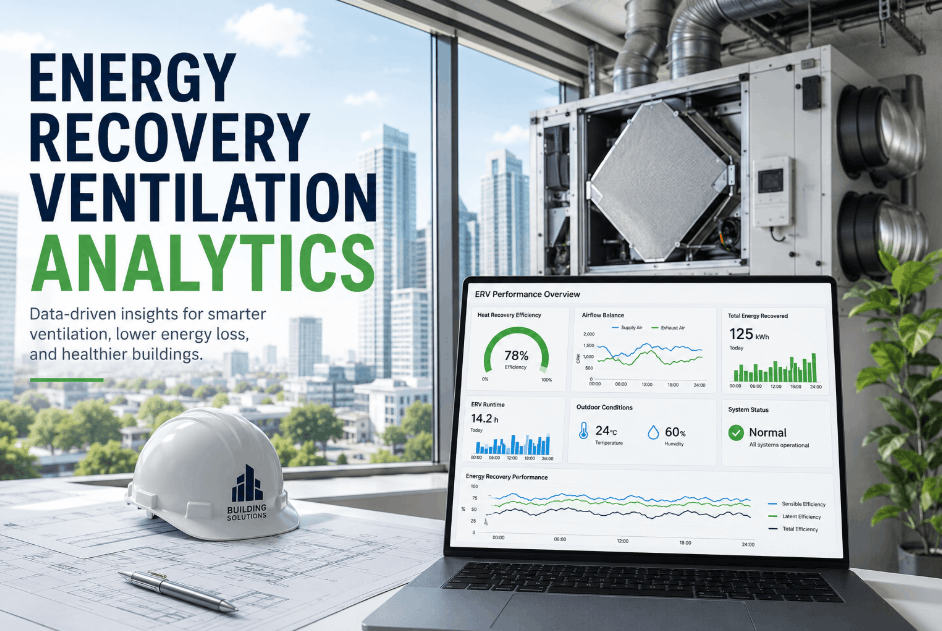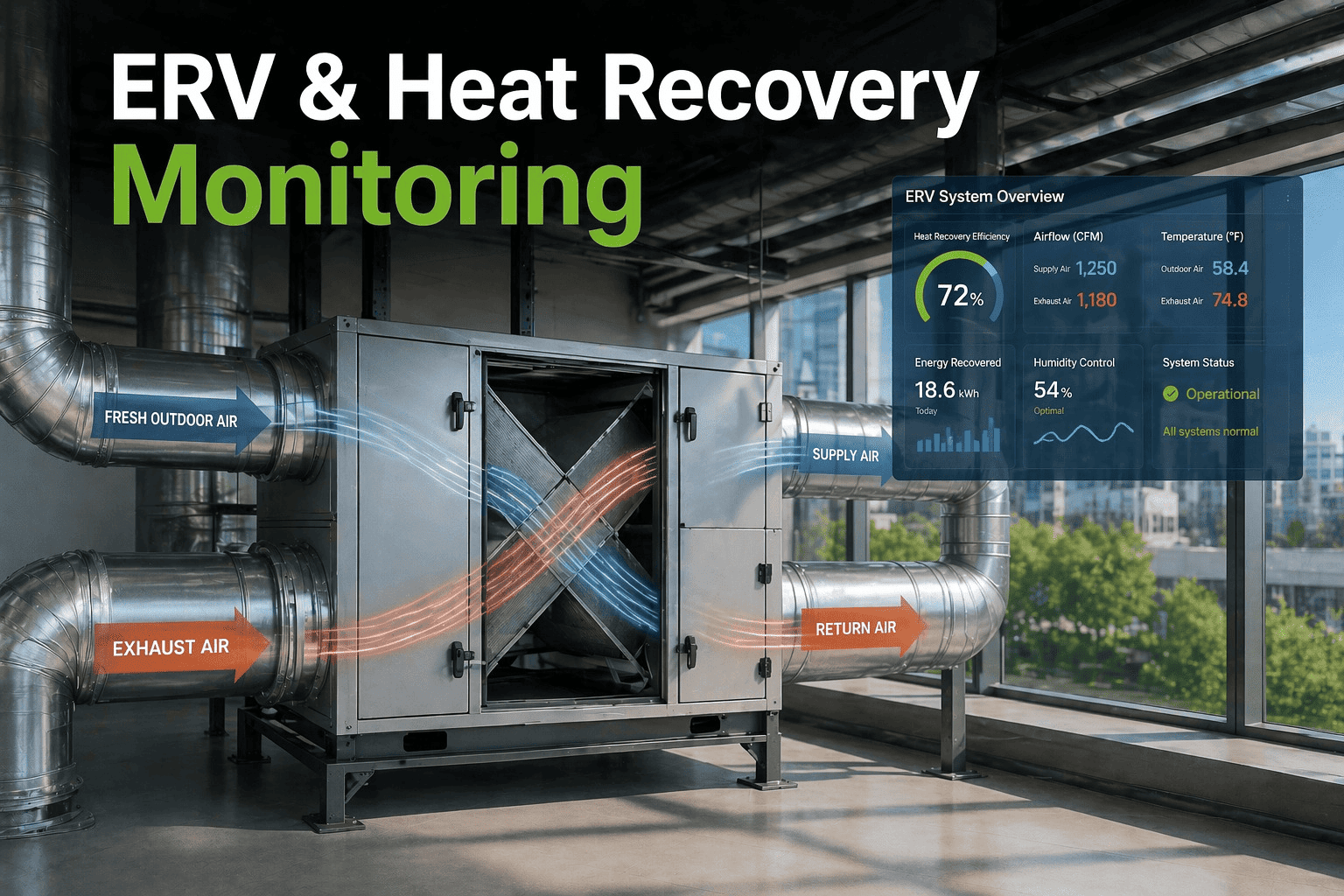
Heat recovery chillers offer mixed-use buildings a path to offset hot water costs and reduce waste heat rejection — but the economics only hold up when facility teams have accurate data on actual plant performance, maintenance costs, and operational hours. Without a structured CMMS tracking chiller runtime, service history, and energy-linked work order activity, capital investment decisions rest on vendor projections rather than building-specific performance evidence. OxMaint's asset management and work order platform gives mixed-use facility teams the operational data layer to evaluate heat recovery chiller performance, maintain central plant equipment to manufacturer standards, and build accurate cost attribution records that support capital planning decisions. Sign Up Free to connect your central plant asset management to live CMMS data in OxMaint. Whether you manage a hotel-retail complex, a residential-office tower, or a mixed commercial portfolio, structured plant maintenance data reduces unplanned chiller downtime, extends equipment life, and gives ownership groups the performance records needed to evaluate heat recovery economics with confidence. Book a Demo to see how OxMaint structures central plant asset management for mixed-use building operations.
Make Heat Recovery Chiller Decisions With Building-Specific Performance Data — Not Vendor Estimates
OxMaint gives mixed-use facility teams structured chiller asset management, PM scheduling, runtime logging, and maintenance cost attribution — all from one cloud CMMS built for commercial central plant operations.
Why Heat Recovery Chiller Economics Are Difficult to Evaluate Without Structured Data
Mixed-use buildings have the thermal demand profile that makes heat recovery attractive — simultaneous cooling and hot water loads across residential, commercial, and retail occupancies. But without structured operational data, the business case stays theoretical rather than building-specific.
6 Ways OxMaint Supports Heat Recovery Chiller Operations in Mixed-Use Buildings
OxMaint provides the asset management infrastructure, PM scheduling, and cost attribution tools that mixed-use facility teams need to maintain heat recovery chillers correctly and build the operational data supporting capital investment decisions. Sign Up Free to activate central plant asset management and chiller PM tracking in OxMaint.
- Individual chiller asset records with manufacturer specs and install date
- Complete work order and PM history per chiller unit
- Parts replacement records and warranty tracking per asset
- Condition notes and technician observations logged at each service visit
- Manufacturer-aligned PM schedules for chillers, heat exchangers, and controls
- PM completion rates tracked against schedule and building demand periods
- Overdue PM alerts surfaced before seasonal peak loading periods
- Annual service contracts linked to asset records with completion documentation
- Labor and parts costs attributed per chiller asset and work order
- Maintenance spend breakdowns exportable by building use type
- Cost variance analysis between chillers in the same plant
- Total cost of ownership data available for capital replacement modeling
- Unplanned failure work orders with fault description and resolution steps
- Response time from failure report to technician dispatch
- Downtime duration recorded per incident and asset
- Repeat failure patterns flagged for root cause investigation
- Refrigerant charge, top-up records, and leak test documentation per chiller
- Compliance inspection records linked to chiller asset profile
- Technician certification records tied to refrigerant-handling work orders
- Exportable compliance records for environmental authority review
- Central plant work order activity, PM completion, and cost reports by asset
- Chiller failure frequency and downtime trend data over rolling periods
- Maintenance spend per building use type and cost center
- Reports exportable by asset, building, date range, and occupancy class
Heat Recovery Chiller Management Priorities by Mixed-Use Building Profile
Central plant management priorities differ significantly across mixed-use building types, occupancy mixes, and thermal demand profiles. The table below maps building profile to key maintenance tracking priorities and OxMaint CMMS focus areas. Book a Demo to configure central plant asset management for your mixed-use building in OxMaint.
| Building Profile | Primary Recovery Opportunity | Key Maintenance Focus | OxMaint Priority | Reporting Audience |
|---|---|---|---|---|
| Hotel + Retail | Domestic hot water offset from cooling rejection | Heat exchanger PM and performance tracking | Plant PM Scheduling | Chief Engineer / Owner |
| Residential + Office Tower | Residential hot water demand alignment | Chiller runtime and maintenance cost attribution | Cost Analytics Dashboard | Asset Manager |
| Medical + Retail | Continuous sterilization hot water demand | Compliance records and refrigerant management | Compliance Record Management | Facilities Director |
| Mixed Residential Portfolio | Cross-building thermal reuse potential | Portfolio-level plant cost comparison | Portfolio Cost Reporting | Regional FM Director |
| Aging Plant Pre-Replacement | Replacement vs. heat recovery ROI decision | Failure history and downtime cost documentation | Capital Planning Evidence | Ownership / Finance |
Build the Central Plant Data Foundation That Mixed-Use Heat Recovery Decisions Require
OxMaint connects chiller asset management, PM scheduling, maintenance cost attribution, compliance record tracking, and ownership reporting into one cloud CMMS — giving mixed-use facility teams the operational evidence to evaluate and sustain heat recovery chiller economics.
Frequently Asked Questions — Heat Recovery Chiller Economics for Mixed-Use Buildings
Give Your Mixed-Use Central Plant the Asset Management Foundation It Needs
Chiller asset records and service history. PM scheduling and completion tracking. Maintenance cost attribution. One cloud CMMS for mixed-use central plant management and heat recovery performance documentation.