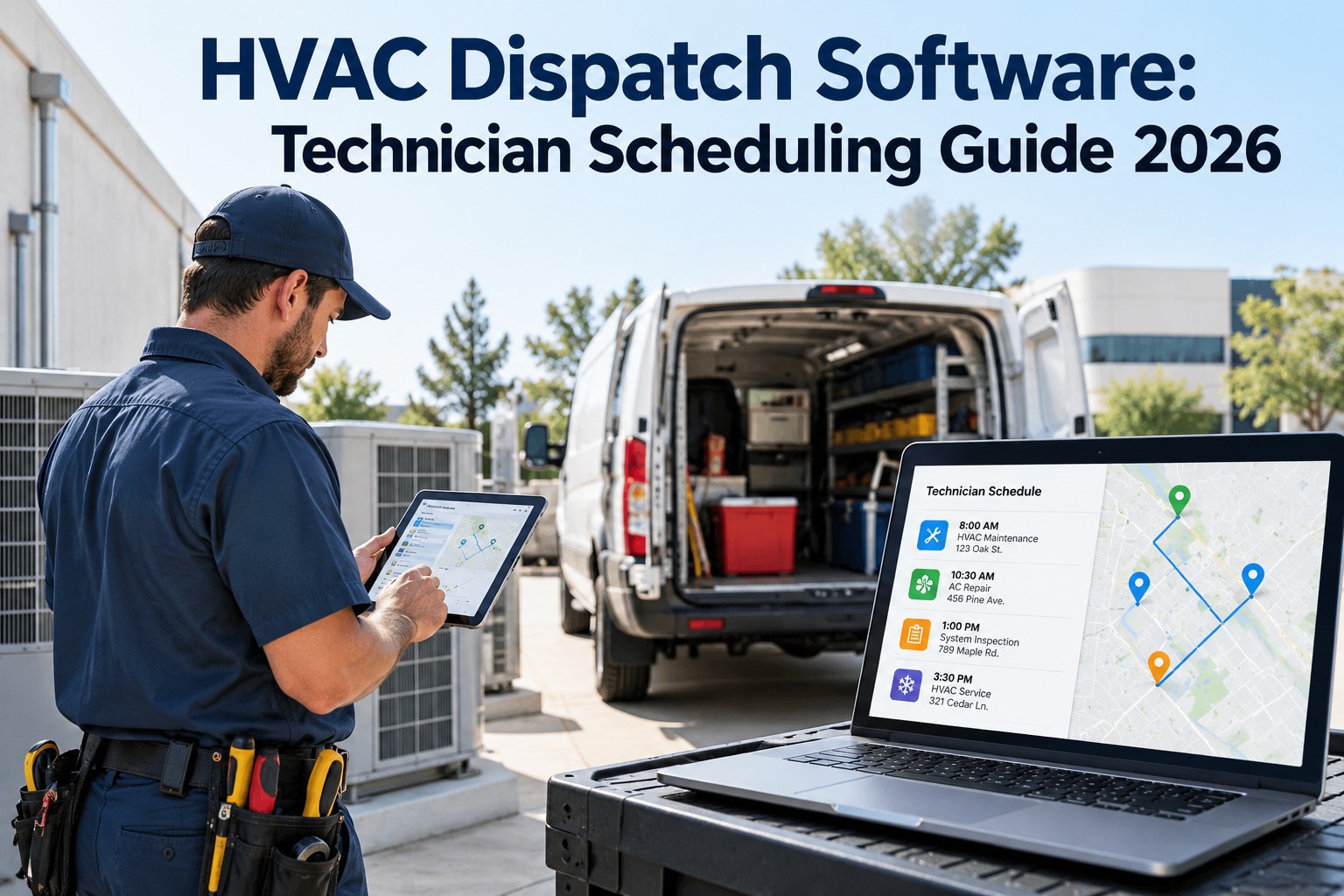
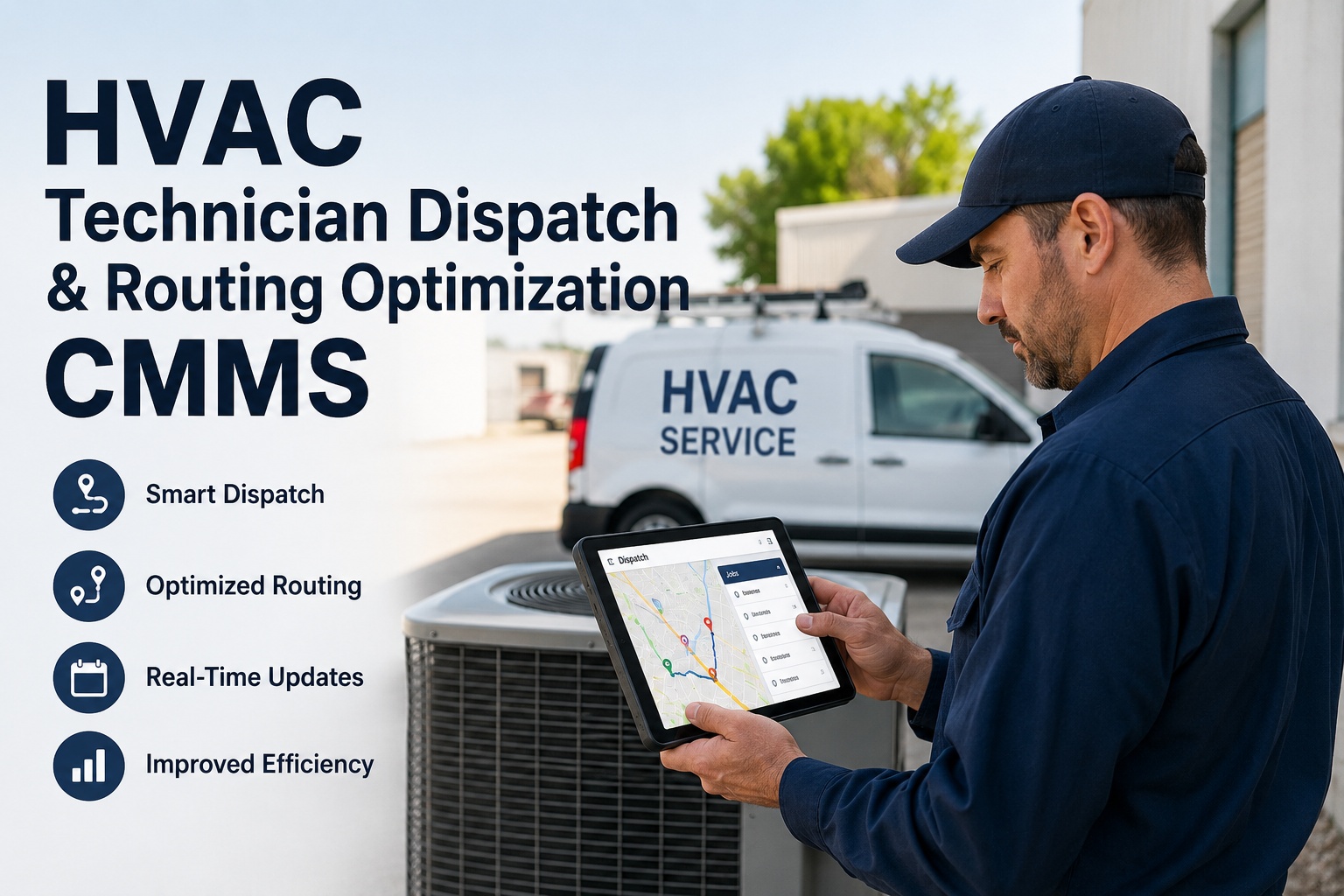
It's 2:47 PM on the hottest Tuesday in July. Three emergency AC calls just came in simultaneously. Your best refrigerant-certified tech is 40 minutes away finishing a routine filter swap. Your closest available tech doesn't have the EPA 608 certification the commercial unit requires. And the third call? The dispatcher already sent someone—but to the wrong address. That's not a bad day. That's a dispatch system running on guesswork instead of intelligence. The climate control industry is facing 110,000 unfilled technician positions right now, meaning every wrong dispatch, every wasted drive, every mismatched skill assignment costs you revenue you cannot recover. Smart dispatch and scheduling isn't a luxury anymore—it's how service fleets survive a market where there are 1.8 open jobs for every available technician.
Why Every Wrong Dispatch Costs More Than You Think
The average first-time fix rate across field service organizations sits at about 77%. That means roughly one in four service calls requires at least one follow-up visit. When you factor in that each additional truck roll costs $200 to $300 in fuel, labor, and vehicle wear, a fleet running 20 service calls per day with a 77% fix rate is burning $1,000 to $1,500 daily on return trips alone. The root cause in most cases isn't technician incompetence—it's dispatch failure. The wrong tech gets sent without the right certification, the right parts, or the right information about the job. Climate control companies that start using intelligent dispatch scheduling see first-time fix rates climb toward the 88% benchmark that top-performing organizations achieve, simply because the right person arrives with the right tools the first time.
| Service Call Type | Required Certification | Priority Level | Smart Match Factor | Manual Error Risk |
|---|---|---|---|---|
| Commercial Refrigerant Recharge | EPA 608 Universal | High | Cert + Proximity + Parts | 42% mismatch rate |
| Rooftop Unit Replacement | Crane/Rigging + OSHA-10 | High | Cert + Crew Size + Equipment | 38% mismatch rate |
| Residential Heat Pump Repair | Heat Pump Specialist | Medium | Cert + Proximity + History | 24% mismatch rate |
| Ductwork Inspection | General HVAC | Standard | Availability + Zone | 12% mismatch rate |
| Emergency No-Cool Commercial | Commercial HVAC + EPA | Emergency | Cert + GPS + SLA Window | 51% mismatch rate |
The Dispatch Lifecycle: From Service Call to Job Complete
Effective dispatch isn't a single decision—it's a chain of connected steps where breakdowns at any point cascade into wasted time and unhappy customers. Modern dispatch platforms automate each handoff in this chain, eliminating the gaps where service calls used to get lost between a sticky note and a phone call. For operations managers ready to see how this workflow runs in real time, book a live dispatch demo and walk through the entire process with your own service scenarios.
The KPIs That Separate Top Dispatchers From the Rest
The difference between a climate control fleet that completes 6 jobs per tech per day and one that manages 8 isn't harder-working technicians—it's smarter scheduling. Organizations that track dispatch KPIs and act on them see 20-30% improvements in technician utilization, according to field service management research. The top-performing fleets maintain utilization rates of 80-90%, while the average fleet runs closer to 60%. That gap represents real money: every percentage point of utilization you recover is another billable hour per tech per week. Companies ready to close that gap can set up fleet dispatch tracking in minutes and start measuring what matters on day one.
Expert Review: What Changes When Dispatch Goes Digital
The climate control industry's technician shortage isn't going away—the Bureau of Labor Statistics projects 42,500 new HVAC positions opening annually through 2032 while the workforce can't keep pace. The only viable path forward is maximizing the productivity of every technician you already have. That means eliminating windshield time with route optimization, preventing return visits through skill-matched dispatching, and giving techs mobile access to equipment history so they arrive prepared. Companies that adopt intelligent dispatch and scheduling aren't just solving a software problem—they're building the operational foundation that lets a 15-tech fleet perform like a 20-tech operation.
The fleets already running this way share a pattern: they've connected their dispatch platform to a CMMS that manages work orders, technician profiles, parts inventory, and customer histories in one system. The dispatcher doesn't make decisions in isolation—the system surfaces the optimal assignment based on real-time data. If your fleet is still dispatching from spreadsheets or whiteboards, schedule a walkthrough of the integrated dispatch workflow and see the difference centralized intelligence makes.
Getting Started: Three Steps to Smarter Dispatch This Week
You don't need to overhaul your entire operation overnight. The most successful dispatch transformations start with three focused moves: first, digitize your technician profiles with certifications, skill levels, and service zones so the system has data to match against. Second, enable GPS tracking on your fleet so dispatchers see real-time locations instead of calling around. Third, connect your work order system to your dispatch board so jobs flow automatically from intake to assignment to completion. Climate control fleets that get started with digital dispatch today typically see measurable improvements within the first month—fewer missed appointments, faster response times, and technicians who finish their day without the frustration of wasted drives.