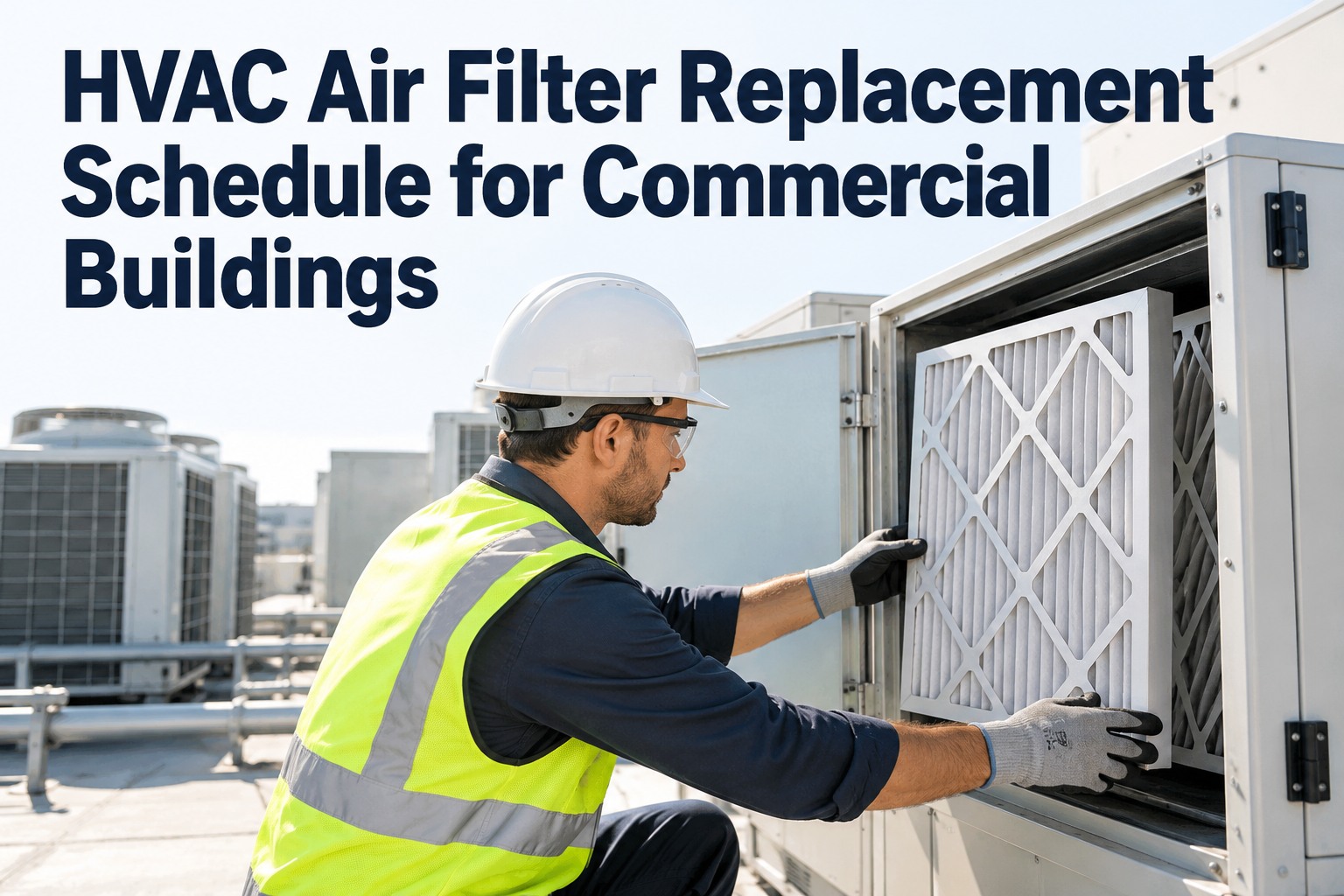
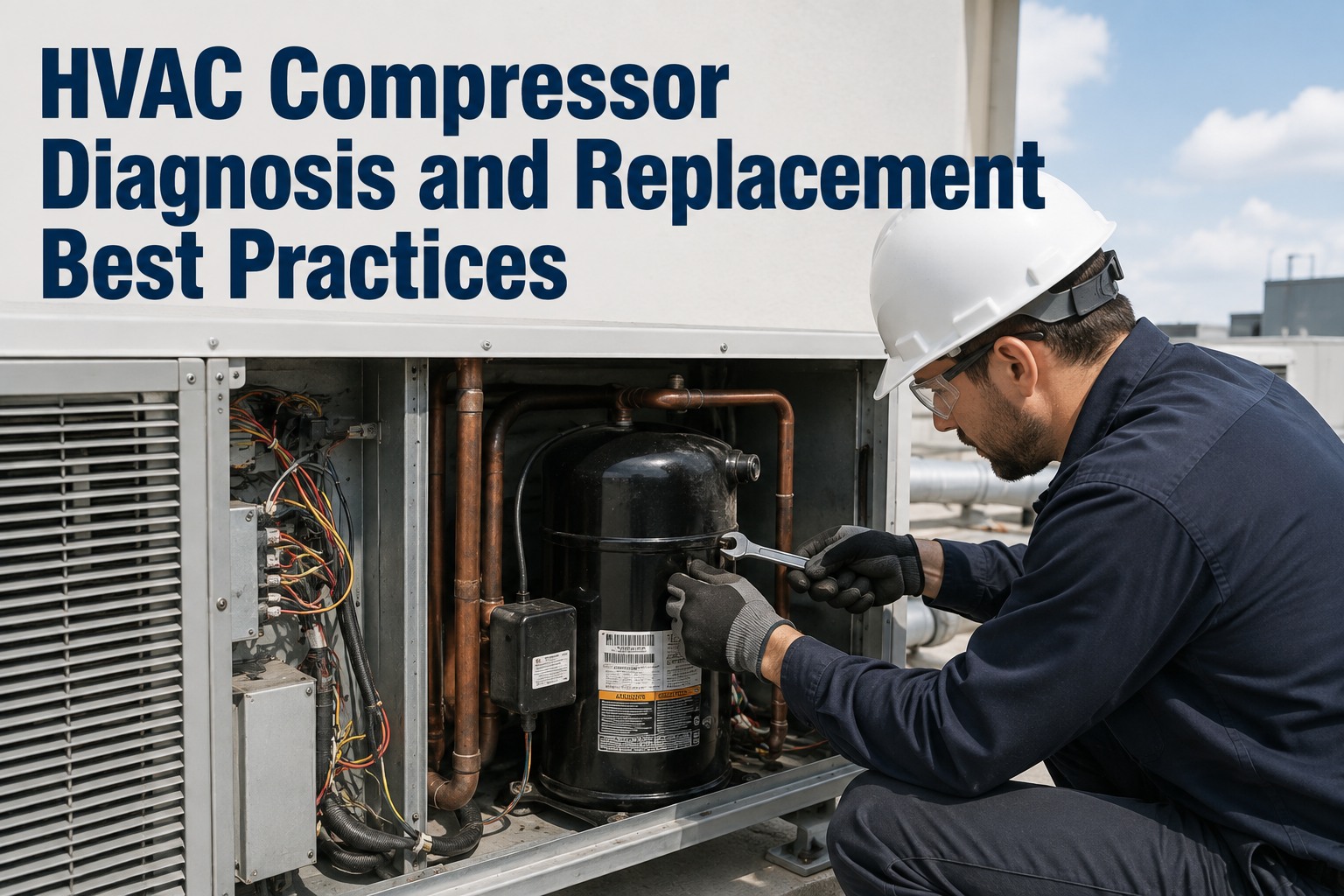
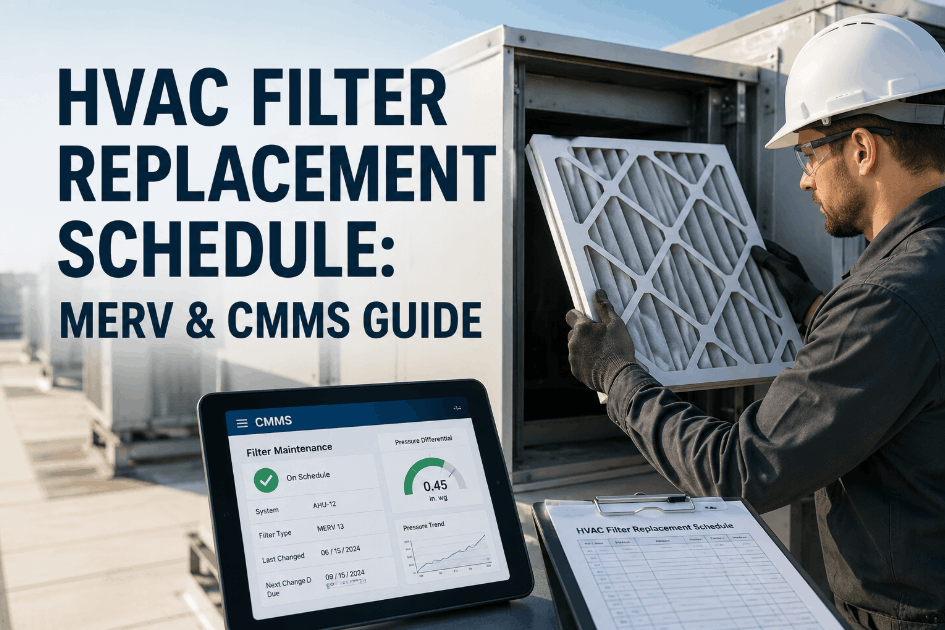
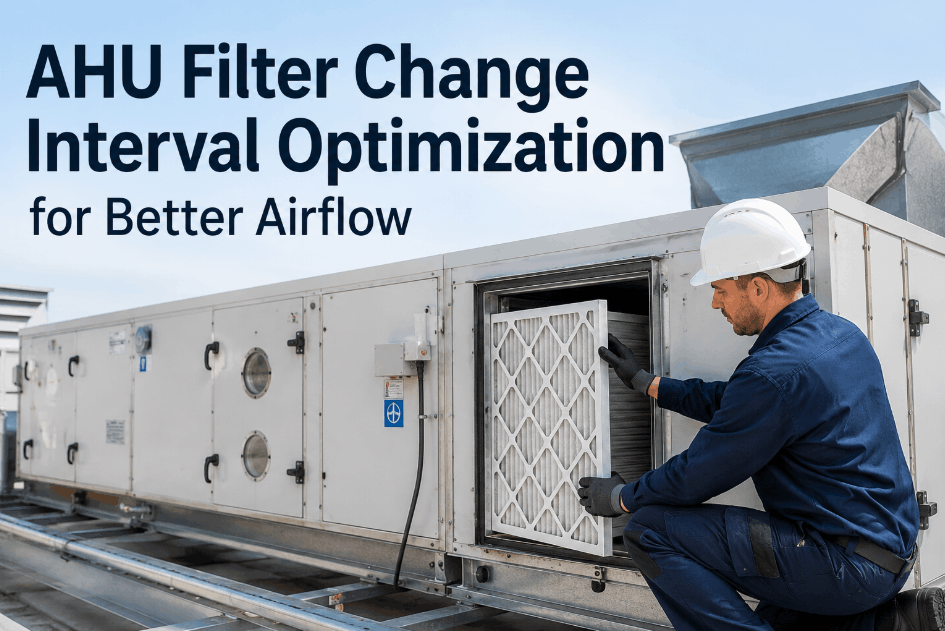
Your HVAC filter is the single most replaced — and most neglected — component in any building's mechanical system. Get it wrong and you pay twice: once in wasted energy, once in emergency repairs. This guide covers everything facility managers, building operators, and HVAC professionals need to know about filter types, MERV ratings, replacement schedules, and the real impact on indoor air quality. Sign up free to track filter schedules across your asset portfolio, or book a demo to see how OxMaint automates HVAC filter management.
15%
energy increase from a clogged filter — equivalent to thousands in wasted utility spend annually
99.97%
of particles 0.3 microns or larger captured by HEPA-grade filters — the gold standard for critical environments
70%
of homes use air conditioning, yet only 30% of occupants schedule regular preventive filter maintenance
MERV 8
ideal starting point for 70% of commercial buildings — balances filtration, airflow, and cost effectively
What Is a MERV Rating — and Why It Matters
MERV stands for Minimum Efficiency Reporting Value, a standard developed by ASHRAE in 1987 to measure how effectively an air filter captures particles between 0.3 and 10 microns. The scale runs from 1 (basic protection) to 20 (surgical-grade). Higher MERV means finer filtration — but also more airflow resistance. The right MERV is a balance between what your system can handle and what your occupants need.
MERV Rating Scale — At a Glance
MERV 1–4
Basic Protection
Catches: Carpet fibres, dust mites, pollen, textile debris
Use: Older residential systems, temporary filtration
Efficiency: <20% at 3–10 microns
MERV 5–8
Standard Residential
Catches: Mould spores, pet dander, dust, hairspray
Use: Most homes and light commercial spaces
Efficiency: 20–70% at 1–3 microns
MERV 9–12
Enhanced Filtration
Catches: Lead dust, legionella, fine allergens, auto emissions
Use: Offices, allergy-sensitive spaces, better commercial
Efficiency: 50–90% at 1–3 microns
MERV 13–16
High Efficiency
Catches: Bacteria, tobacco smoke, smog, some viruses
Use: Hospitals, labs, critical commercial facilities
Efficiency: 75–95% at 0.3–1 microns
MERV 17–20
HEPA / Surgical
Catches: Viruses, radioactive particles, sub-micron contaminants
Use: Cleanrooms, operating theatres — not standard HVAC
Efficiency: 99.97%+ at 0.3 microns
Higher MERV always means more airflow resistance. Verify your system's fan capacity before upgrading beyond MERV 13 — wrong sizing damages equipment and increases energy costs by 20–30%.
5 HVAC Filter Types: What They Are and When to Use Each
FBG
Fiberglass Filter
MERV 1–4 | Replace every 30 days
Spun glass fibres layered into a flat panel. Primarily protects HVAC equipment from large debris — not occupant health. The cheapest option but the least effective. Fine particles pass straight through.
Low costBasic onlyNot for allergy zones
PLT
Pleated Filter
MERV 5–13 | Replace every 60–90 days
Accordion-folded polyester or cotton media with significantly more surface area than flat filters. The most versatile type — effective across residential and commercial settings. The best all-round choice for most facilities.
Best for most spacesWide MERV rangeGood airflow
ELS
Electrostatic Filter
MERV 4–10 | Wash every 1–3 months
Uses static charge to attract airborne particles. Available as disposable or washable/reusable. Good at larger particles but less effective below 1 micron. Washable versions may harbour mould if not dried completely before reinstallation.
ReusableRequires cleaningMid-range filtration
MED
Media / Bag Filter
MERV 10–15 | Replace every 6–12 months
Deep-bed filter (12–15 inches) with vastly greater surface area than 1–4 inch pleated types. Delivers high MERV performance with lower pressure drop — the preferred option for commercial AHUs where high efficiency and low resistance matter.
Low pressure dropHigh efficiencyLong service life
HPA
HEPA Filter
MERV 17–20 | Replace every 12–24 months
Captures 99.97% of particles at 0.3 microns — the gold standard for hospitals, cleanrooms, and critical environments. Cannot be used in standard residential or commercial HVAC without system modification. High upfront cost, exceptional performance.
99.97% capture rateNeeds modified systemNot standard HVAC
MERV Rating Quick-Picker: What's Right for Your Space
HOM
Standard Home
MERV 8
No pets, no allergy concerns, general dust and pollen control
PET
Homes with Pets
MERV 11
Pet dander, hair, and fine allergens — replace more frequently
ALG
Allergy & Asthma
MERV 13
Fine particles, bacteria, smoke — verify system fan compatibility
COM
Commercial Office
MERV 9–11
High occupancy, balanced IAQ and energy efficiency
MED
Medical / Clinical
MERV 14–16
Bacteria, viruses, smoke — requires engineered air handling
MFG
Manufacturing / Industrial
MERV 8–13
Depends on process — heavy dust environments may need pre-filters
HVAC Filter Replacement Schedule: The Complete Reference
No single replacement interval fits every facility. The right schedule depends on filter type, MERV rating, occupancy load, outdoor air quality, and system runtime. Use this table as your baseline — then adjust based on observed differential pressure across the filter bank.
| Filter Type |
MERV Range |
Standard Interval |
Accelerate If… |
Signal to Change |
| Fiberglass |
1–4 |
Every 30 days |
Pets, high dust, heavy use |
Visible dirt on media face |
| Pleated (1″) |
5–12 |
Every 60–90 days |
Pollen season, pets, allergy occupants |
Differential pressure > max rating |
| Pleated (4″) |
8–13 |
Every 6 months |
High-occupancy or high-pollution location |
Differential pressure reading or visual |
| Electrostatic |
4–10 |
Wash every 1–3 months |
Dusty environments, wildfire events |
Reduced airflow, visible loading |
| Media / Bag |
10–15 |
Every 6–12 months |
Industrial or high-load commercial use |
Differential pressure gauge alarm |
| HEPA |
17–20 |
Every 12–24 months |
Contamination event, high particulate process |
Manufacturer-specified pressure drop |
!
Never replace based on time alone. Track differential pressure across each filter bank. A filter that looks clean can still be loaded enough to cost you 10–15% in extra energy. A filter that looks dirty may still be within spec. Measure, don't guess.
How a Dirty Filter Destroys System Performance
The Dirty Filter Failure Chain
01
Filter Loads Up
Particulate accumulates on media, reducing open face area and increasing pressure drop across the filter bank
02
Airflow Drops
Restricted airflow forces blower motor to work harder — energy draw increases by 5–15% per DOE measurement data
03
Coil Starts Freezing
Reduced airflow over evaporator coil causes surface temperature to drop below dewpoint — ice formation begins
04
Compressor Overloads
Ice-covered coil and restricted airflow create abnormal refrigerant pressures — compressor amperage spikes above nameplate
05
System Failure
Compressor trips on thermal overload or fails entirely — emergency repair at 3–5x the cost of a scheduled filter change
HEPA vs MERV 13: Which Does Your Facility Actually Need?
MERV 13
Standard HVAC Compatible
Captures bacteria, smoke, smog, some viruses
Works in most commercial AHUs (verify fan curve)
Replace every 3–6 months
Cost-effective for high-occupancy offices
50% avg efficiency at 0.3–1 micron particles
May restrict airflow in undersized systems
Best for: Commercial offices, schools, healthcare clinics, allergy-sensitive buildings
VS
HEPA (MERV 17–20)
Requires Modified System
99.97% capture at 0.3 microns — viruses, bacteria
Gold standard for critical environments
Replace every 12–24 months
Eliminates sub-micron contaminants
Requires system redesign — not plug-and-play
High upfront and modification costs
Best for: Operating theatres, cleanrooms, labs, pharmaceutical manufacturing
OxMaint’s preventive maintenance module tracks filter type, MERV rating, installation date, and replacement due date for every air handling unit in your portfolio — with automatic work orders generated before filters hit end-of-life.
How OxMaint Manages Filter Replacement Across Your Portfolio
Manual filter tracking on spreadsheets breaks down the moment you manage more than a handful of assets. OxMaint turns filter replacement into a scheduled, documented, auditable programme — with zero manual chasing. Sign up free and connect your first building in minutes, or book a demo to see the full filter management module.
SCH
Automated Replacement Scheduling
Filter replacement intervals are configured per asset — by filter type, MERV rating, and site-specific conditions. Work orders generate automatically at the configured lead time before each replacement is due.
INV
Filter Inventory Tracking
Track filter stock levels per size and MERV rating. Automatic reorder alerts trigger before stock runs out — eliminating the scenario where technicians arrive without the correct replacement on hand.
PHO
Photo Documentation at Each Change
Technicians photograph the dirty filter before removal and the new filter after installation. Every change is timestamped, attributed, and linked to the specific AHU in the asset record.
TRD
Differential Pressure Trend Logging
Record filter differential pressure readings at each inspection. Trending data shows whether filters are loading faster than the baseline interval — enabling interval adjustment based on real conditions, not assumptions.
AUD
Compliance Audit Trail
Every filter change produces an immutable timestamped record that cannot be modified after sign-off — exportable for ASHRAE compliance, regulatory audit, or insurance review without manual document preparation.
RPT
Portfolio Dashboard
See filter replacement status, overdue changes, and open work orders across every building in a single view. No spreadsheets, no chasing technicians — one dashboard across your entire facility portfolio.
Stop Managing Filters on Spreadsheets
OxMaint automates HVAC filter replacement scheduling, tracks inventory, captures photo documentation, and generates the audit trail your compliance team needs — across every building in your portfolio.
Auto-Scheduled Work Orders
Inventory Alerts
Photo Documentation
Differential Pressure Trending
Compliance Audit Trail
Frequently Asked Questions: HVAC Filters & MERV Ratings
QWhat MERV rating is recommended for commercial buildings?
For most commercial office buildings, MERV 9 to 11 is the recommended baseline — effective enough to address occupant IAQ concerns without overloading standard commercial air handling units. Buildings with high occupancy density, proximity to outdoor pollution sources, or occupants with respiratory conditions should target MERV 11 to 13. Always verify system fan curve compatibility before upgrading — using a filter that's too restrictive for your system's fan pressure can reduce efficiency by 20 to 30% and risk equipment damage.
QCan a higher MERV filter damage my HVAC system?
Yes. MERV 13 and above creates significantly more pressure drop than MERV 8 to 11 filters. If your system's blower motor was not sized to overcome that resistance, it will either overheat under load or fail to deliver design airflow — both of which increase energy consumption and accelerate equipment wear. Before upgrading, check the system manufacturer's maximum allowable pressure drop and compare it against the filter's rated initial and final pressure drop at your design airflow velocity.
QHow do I know when to change a filter before it's fully clogged?
The most reliable indicator is differential pressure across the filter bank — measured with a magnehelic gauge or connected BAS sensor. Most filter manufacturers specify a maximum final pressure drop at which the filter must be replaced. Track this reading at each inspection visit and trend it over time. A filter reaching its final pressure drop faster than the previous replacement cycle is a signal that your interval needs shortening, or that something upstream (like a pre-filter) has failed.
QIs MERV 13 the same as a HEPA filter?
No — MERV 13 and HEPA are significantly different. MERV 13 captures a minimum of 50% of particles in the 0.3 to 1.0 micron range and around 85% at 1 to 3 microns. HEPA filters (MERV 17 to 20) capture 99.97% of all particles at 0.3 microns. HEPA is approximately 2,000 times more efficient at sub-micron particle capture. However, HEPA filters require purpose-built air handling systems to manage the airflow resistance — they cannot be installed in standard HVAC equipment without significant modification.
QCan OxMaint track HVAC filter maintenance across multiple buildings?
Yes. OxMaint is designed for multi-site facility portfolios. Filter replacement schedules, MERV ratings, inventory levels, and work order status are tracked per asset across all buildings — with portfolio-level dashboards showing compliance status, overdue items, and upcoming replacements in a single view.
Book a demo to see the multi-site configuration for your portfolio.