It's 2 p.m. on the hottest day of the year when the rooftop unit trips out. Tenants call, the technician is booked, the part is a two-day order, and the emergency invoice lands at several times what a scheduled visit would have cost. That moment is the whole argument for planned maintenance, and most facility teams have lived it. The real question isn't whether preventive maintenance is better; it's how much reactive firefighting is quietly costing you, and how to move off it without adding headcount. OxMaint AI maintenance management software schedules every HVAC task, tracks the true cost of each work order, and shows exactly where reactive spend is hiding.
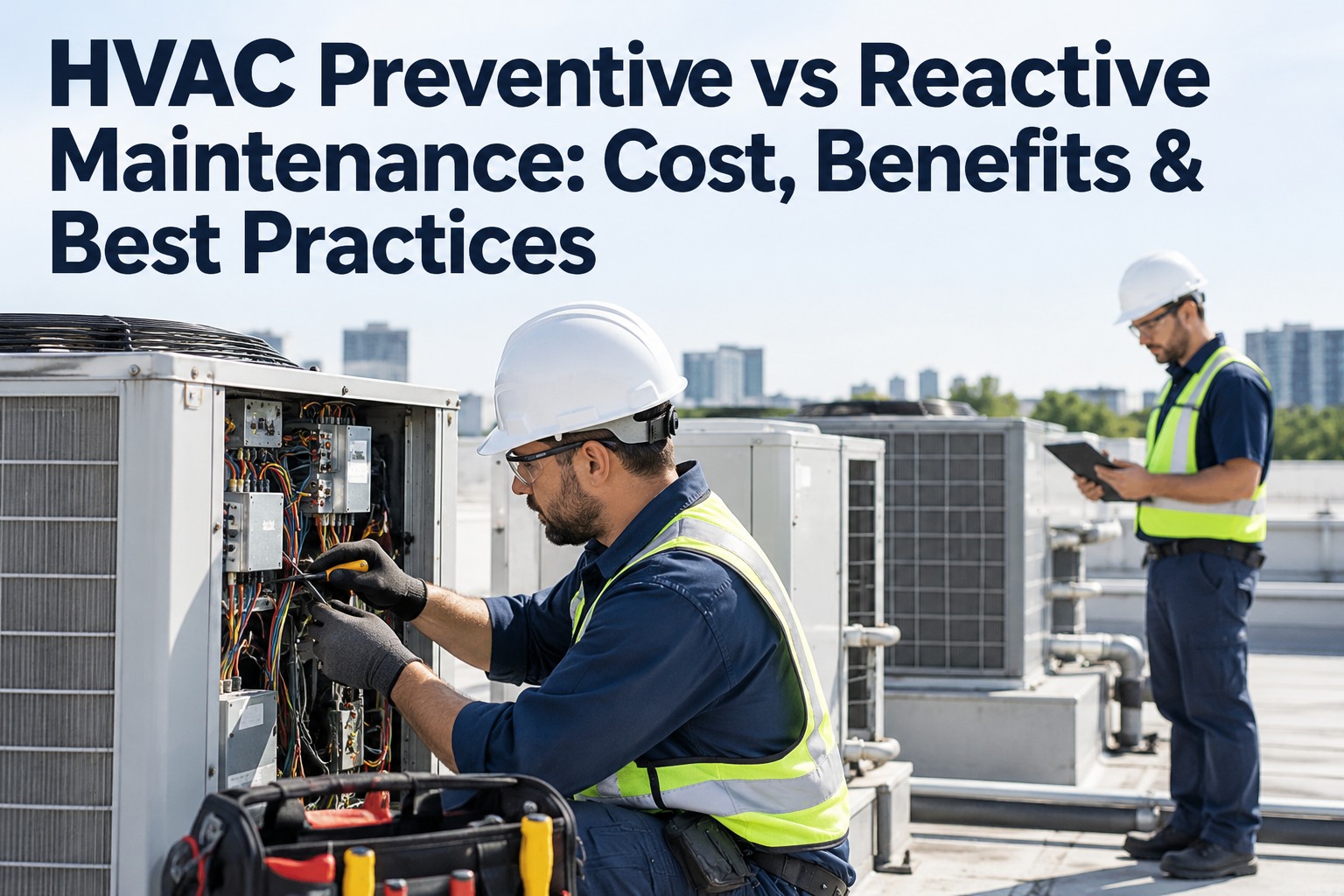
HVAC Preventive vs Reactive Maintenance: Cost, Benefits & Best Practices
Stop finding out about HVAC problems when a tenant calls.
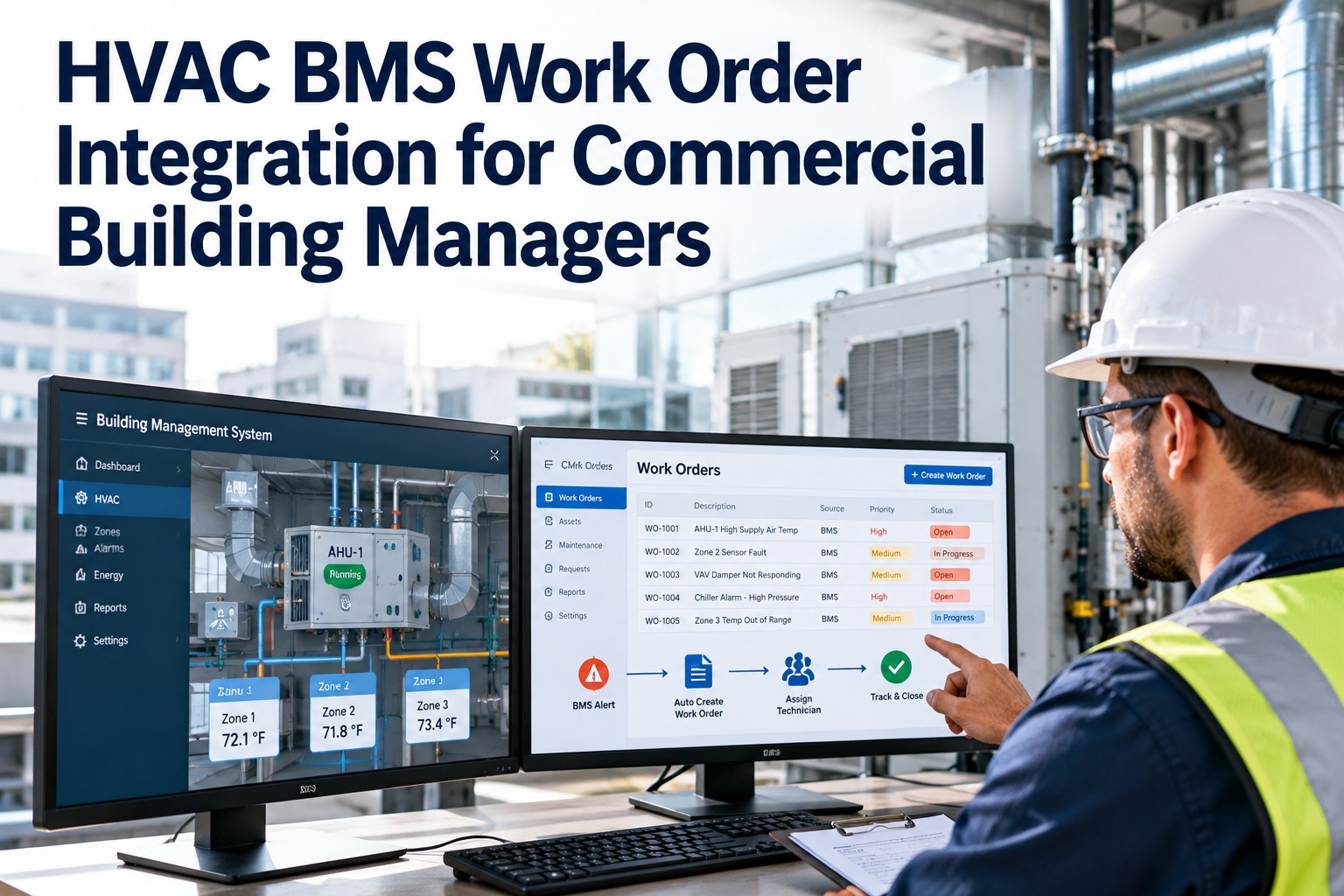
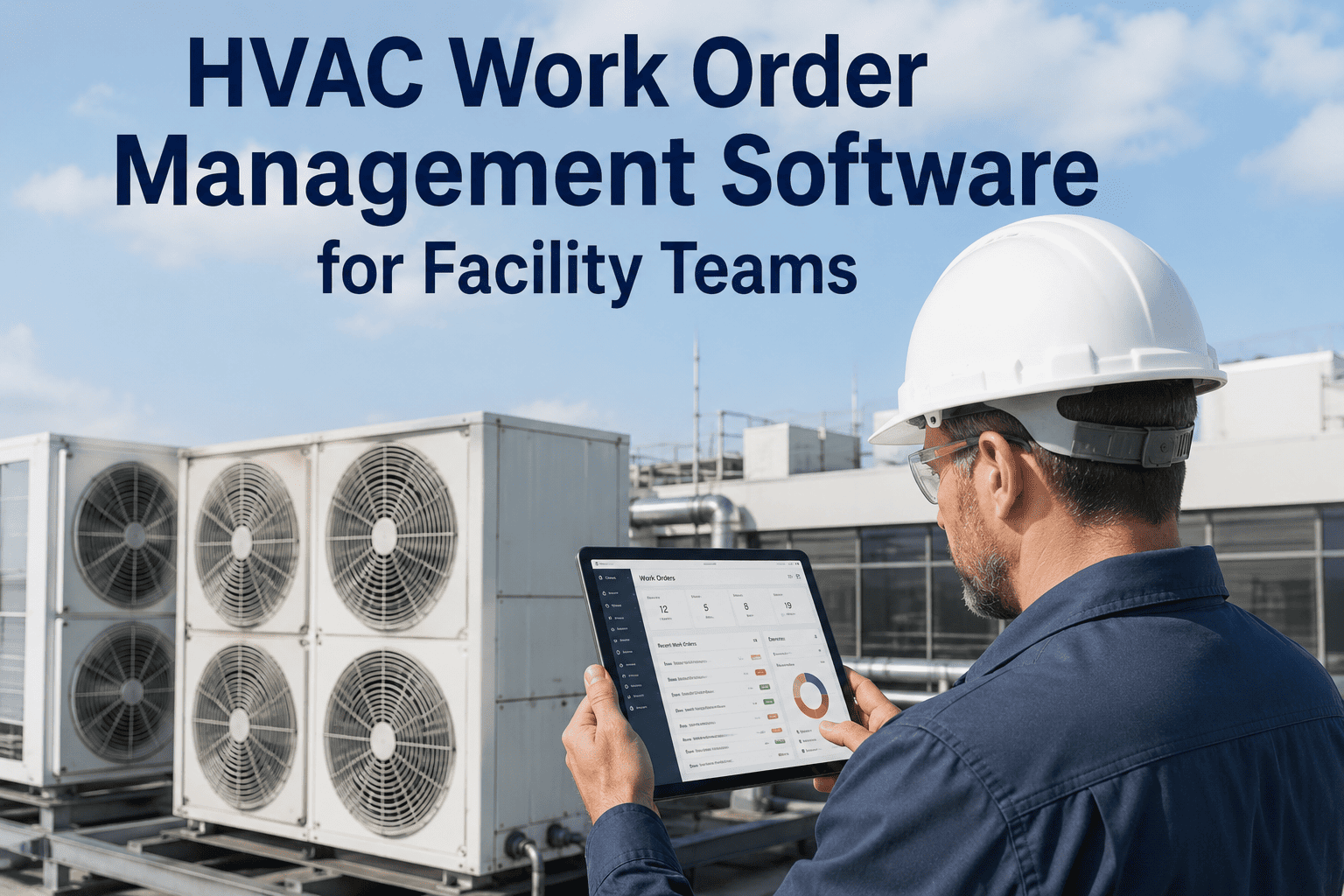
Most reactive maintenance starts the same way: a warm office, a noisy unit, or a missed filter change that nobody logged. OxMaint AI-powered CMMS puts the whole chain in one platform, so a request or inspection finding becomes a work order, and repeat issues become scheduled preventive or predictive maintenance.
Two Strategies, Side by Side
Reactive means you fix it when it breaks. Preventive means you service it on a set schedule, by time, runtime hours, or season, before it breaks. Start free and see both costs tracked in OxMaint AI.
- Unplanned downtime, usually at peak load
- Emergency labor and rush-shipped parts
- Secondary damage: a failed capacitor takes the compressor with it
- Efficiency quietly falls for months before failure
- Costs scattered across invoices, so they're hard to see
- Work scheduled in off-peak windows
- Parts and labor planned and budgeted
- Small faults caught while still cheap
- Equipment stays near rated efficiency
- Every task documented for audits and warranties
What a Failure Really Costs
The repair bill is only the visible slice. Here is the same compressor problem, caught early versus after failure (relative cost, illustrative). Book a demo to model your own numbers.
Reactive Maintenance Isn't Cheap. It's Just Hard to See.
When costs sit across invoices, overtime sheets, and energy bills, nobody sees the total. OxMaint AI ties every labor hour, part, and downtime event to the specific unit, so you see which assets drain the budget and can show leadership the savings in black and white.
Which Approach Fits Which Asset?
The smartest programs aren't 100% preventive. They match the strategy to the asset's criticality. Start free and tag every unit by criticality in OxMaint AI.
| Asset | Best strategy | Why |
|---|---|---|
| Chillers, boilers, RTUs | Preventive + condition monitoring | High cost, high impact on occupants |
| Server-room & lab cooling | Preventive + redundancy checks | Failure means equipment damage |
| Air handlers & fans | Preventive (filters, belts, bearings) | Wear items are predictable |
| Small split units, exhaust fans | Reactive is acceptable | Low cost, easy to replace |
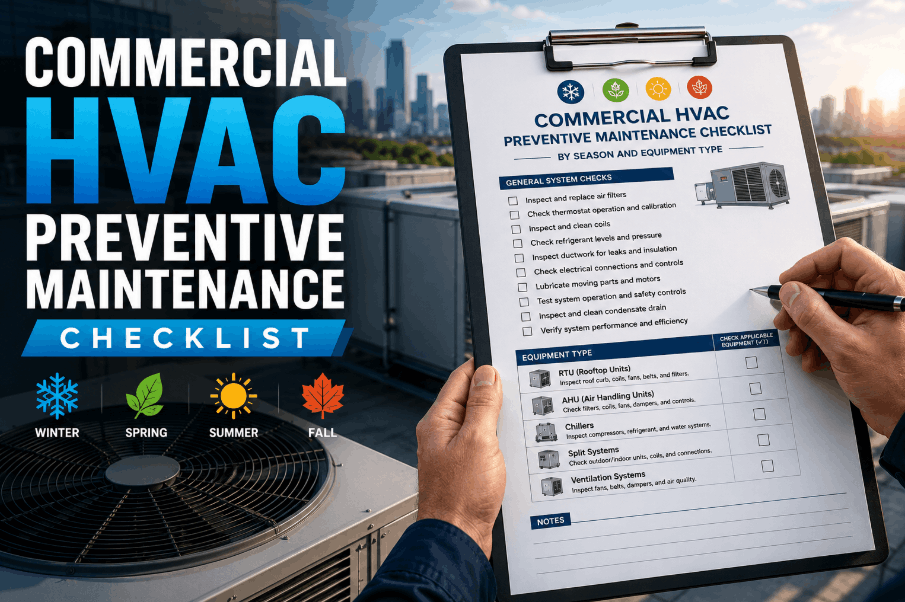
The HVAC Preventive Maintenance Checklist
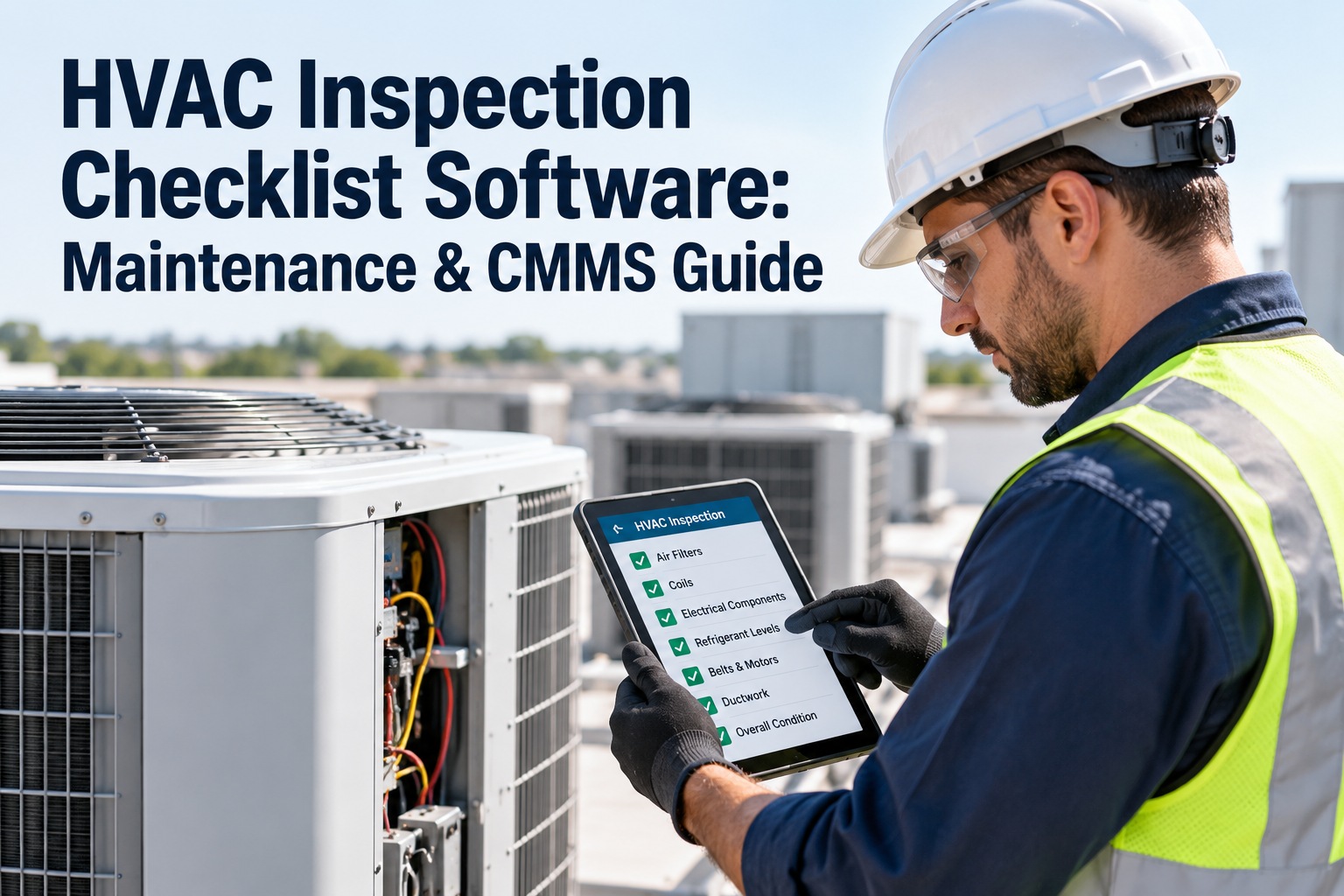
Frequencies vary by manufacturer, climate, and run hours, so treat this as a starting template. Book a demo to load it as recurring work orders.
- Inspect and replace filters
- Check belts and fan operation
- Clear condensate drains
- Review thermostat and BMS alarms
- Clean evaporator and condenser coils
- Lubricate motors and bearings
- Check refrigerant pressures
- Test economizers and dampers
- Inspect electrical connections
- Test safety controls and sensors
- Check ductwork and insulation
- Pre-season startup checks
- Full system performance test
- Combustion and heat exchanger inspection
- Calibrate controls
- Review repair-vs-replace data
Your Maintenance Maturity Ladder
Most teams sit between Level 1 and 2. You don't need to jump to Level 4 overnight. Start free and move up one level at a time.
From Reactive Pain to Planned Control: What OxMaint AI Does
Every reactive-maintenance problem has a matching fix inside the platform. Here's the exact swap, from the headache you have today to the feature that removes it. Start free and switch these on in minutes.
Frequently Asked Questions
Stop Paying the Emergency Premium.
Every breakdown you prevent is an overtime call, a rush part, and a tenant complaint that never happens. Set up OxMaint AI, load your HVAC units, and let automated schedules, mobile checklists, and cost tracking do the heavy lifting.