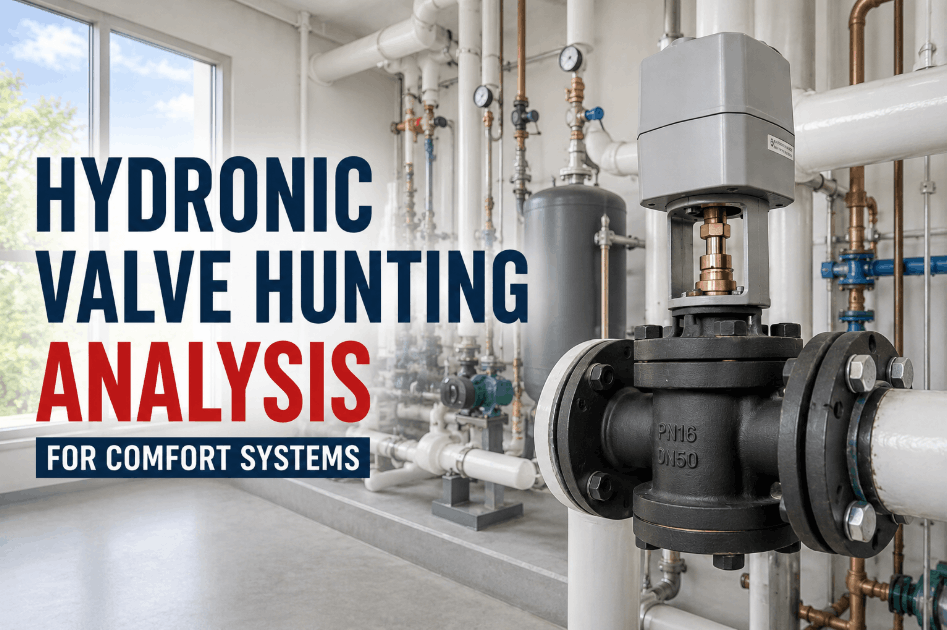
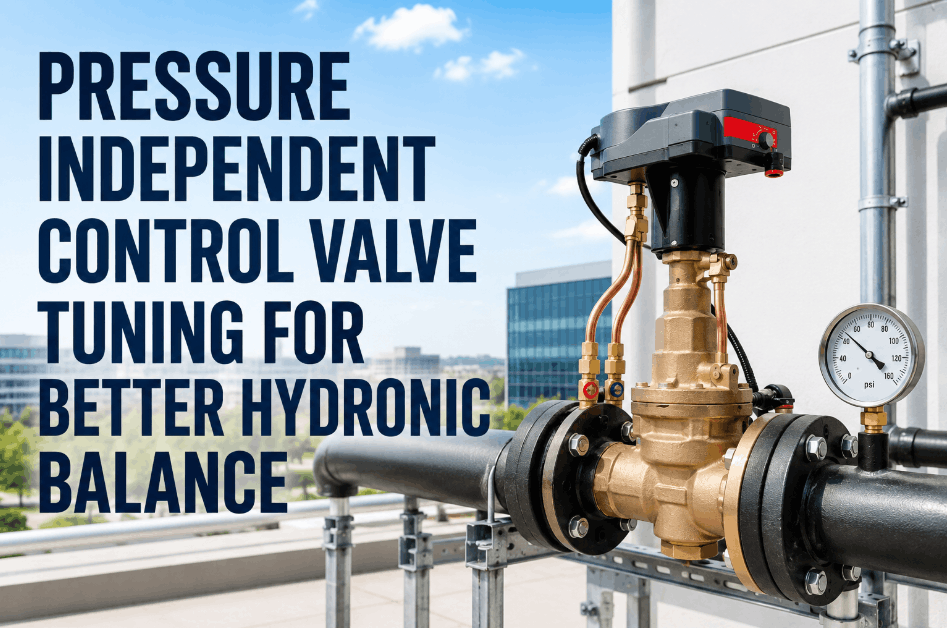
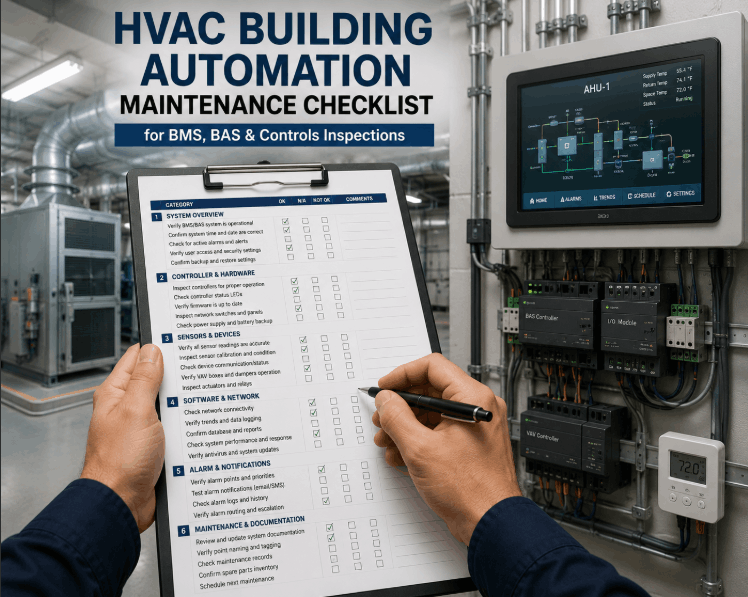
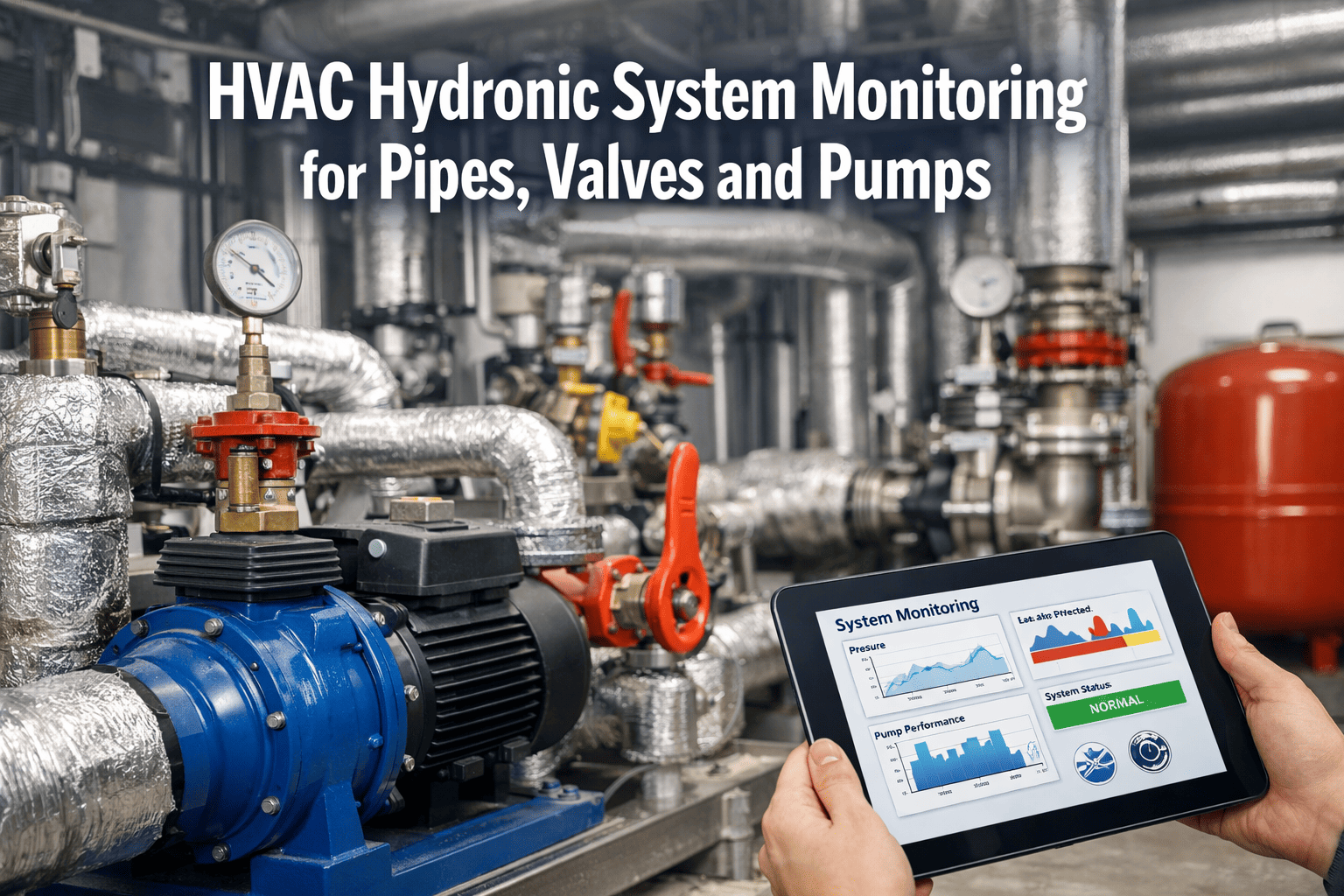
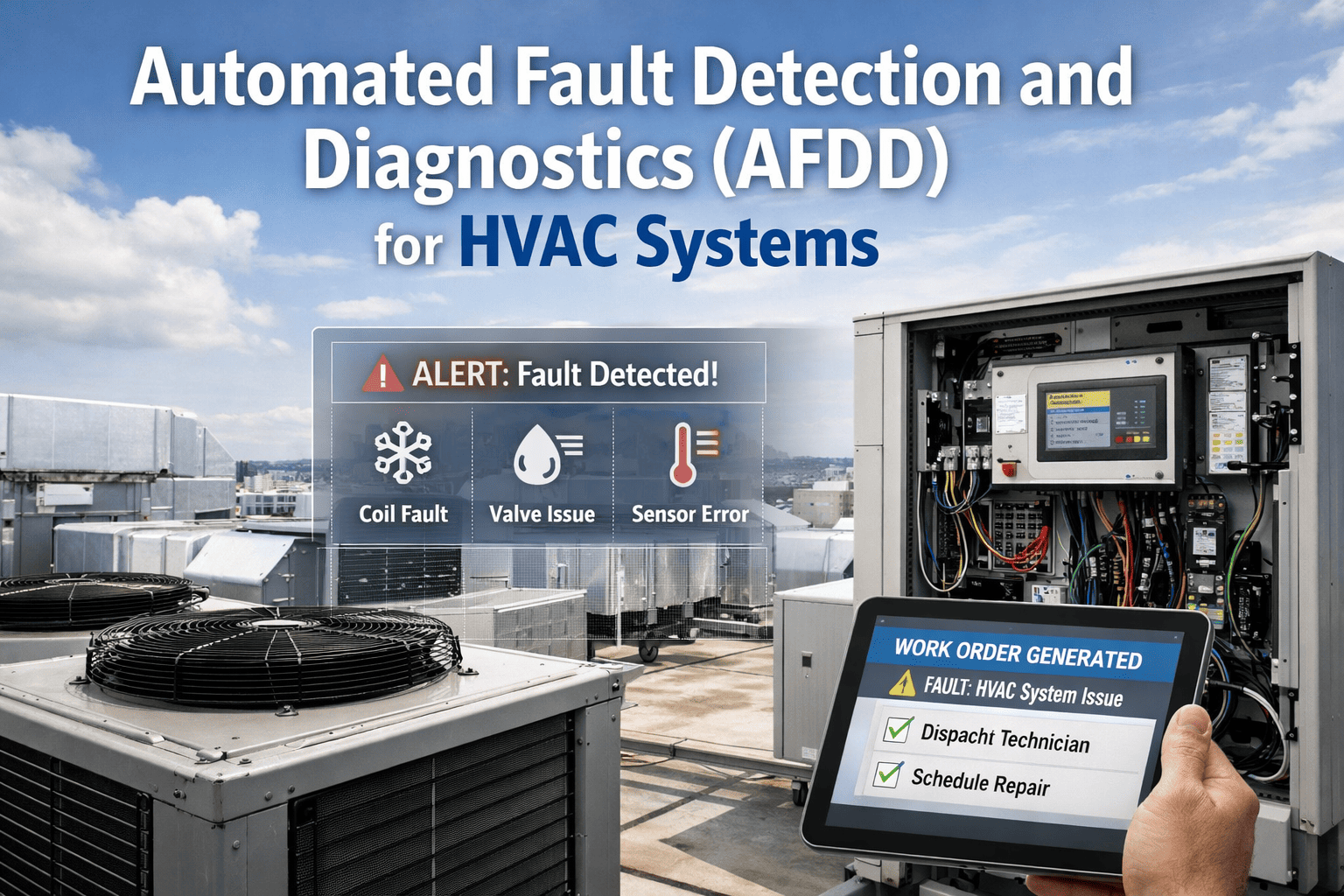
Hydronic valve hunting is one of the most persistent and difficult-to-diagnose comfort failures in commercial HVAC systems. When control loops oscillate — opening and closing valves repeatedly without settling at a stable position — occupants experience temperature swings, energy consumption rises, and valve actuators wear out at a fraction of their expected service life. Sign Up Free to start logging valve behavior observations, tracking control loop performance, and linking hunting events to maintenance records in OxMaint before actuator wear becomes premature component failure. Book a Demo to see how OxMaint structures hydronic system diagnostics for facility teams managing comfort systems across zones with variable occupancy and load profiles.
Facility Engineering · HVAC Diagnostics · 2026
Hydronic Valve Hunting Analysis for Comfort Systems
Diagnose unstable control loops, oversized valves, and sensor lag that drive hydronic valve hunting — and stop comfort complaints before they become actuator replacement cycles.
38%Of hydronic actuator failures trace to prolonged valve hunting rather than age
−26%Actuator replacement frequency reduction when control loop tuning is structured
3×Faster comfort complaint resolution when valve behavior is systematically logged
95%Control tuning closure compliance when valve hunting incidents are CMMS-tracked
Where Hydronic Valve Hunting Originates in Comfort Systems
Valve hunting develops from a combination of control loop configuration, valve sizing, sensor placement, and system hydraulic conditions that individually appear unremarkable but collectively produce instability. The six root cause patterns below represent the most common diagnostic gaps in hydronic comfort system management — and the points where OxMaint's fault logging and maintenance planning give engineering teams a structured path from symptom to resolution. Sign Up Free to configure OxMaint's hydronic diagnostics for your comfort systems and start linking valve behavior observations to control tuning records.
01
Aggressive PID Gain Settings
Risk Window: All load conditions
High RiskProportional gain set too high causes the controller to overcorrect on every small temperature deviation — driving the valve past the stable position and initiating the oscillation cycle that continues indefinitely at any load point.
02
Oversized Valve Selection
Risk Window: Part-load operation
Sizing RiskValves selected with excessive Cv for actual system flow pass too much or too little fluid per degree of valve travel — making it physically impossible to find a stable modulating position at typical part-load conditions.
03
Temperature Sensor Lag
Risk Window: Low-flow zones
Measurement GapSensors located far from the coil, in dead zones, or with poor thermal contact read conditions that lag actual space temperature by several minutes — causing the controller to react to historical conditions and push the valve past the correct position.
04
Insufficient Deadband Configuration
Risk Window: Stable load periods
Largest VariableControl loops with deadband set at 0.1°C or less respond to normal sensor noise as if it were a real load change — producing continuous micro-corrections that collectively constitute hunting even when the space is at setpoint.
05
Hydraulic Pressure Imbalance
Risk Window: System expansion
System GapDifferential pressure variations across the hydronic circuit — from pump speed changes, valve interactions in adjacent zones, or blocked strainers — alter flow authority and change how much the valve actually moves fluid per position change.
06
Hunting Event Documentation Gap
Risk Window: Post-complaint
Prevention InputComfort complaints traced to valve hunting are typically closed after occupant feedback stops — without logging valve position data, control parameters, or hydraulic readings that would confirm root cause and prevent recurrence.
Valve Hunting Diagnostics — Without vs. With OxMaint
The difference between ad-hoc comfort complaint response and a structured CMMS-supported diagnostic workflow is measurable in actuator lifespan, control tuning accuracy, and occupant comfort consistency. The comparison below shows what changes when OxMaint structures valve behavior logging, control tuning follow-up, and root cause documentation for hydronic comfort system operations. Book a Demo to walk through your facility's current hydronic diagnostic structure and identify the gaps OxMaint can close.
Hydronic Diagnostic Maturity — Where Does Your Comfort System Score?
Valve hunting management capability ranges from entirely reactive — facilities teams replace actuators after failure without diagnosing control loop cause — to fully structured diagnostic monitoring with event logging, tuning follow-up, and mandatory root cause documentation. The maturity framework below maps where your facility's current hydronic management structure sits. Book a Demo to assess your hydronic diagnostic maturity with an OxMaint solutions engineer.
Hydronic Valve Hunting Diagnostic Maturity
Score 5 = CMMS-structured hunting analysis and tuning workflow · Score 1 = fully reactive response
5
Full Diagnostic Map · CMMS-Integrated · Tuning Workflows
All valve hunting events logged with control parameters, sensor data, and hydraulic context. Tuning tasks triggered automatically. Actuator condition trends linked to hunting frequency per zone.
Profile: Valve hunting is diagnosed and resolved at the control level, not the comfort complaint level. Actuator replacement is a planned event driven by data, not an emergency response to failure.
4
Structured Logging · Partial Tuning Follow-Up
Hunting events logged and significant comfort complaints documented. Control review performed for major incidents but minor hunting in low-priority zones not systematically followed up.
Action: Enforce tuning review tasks on all hunting events, including minor zones. Minor event documentation is where repeat comfort failures are prevented.
3
BAS Review · Manual Escalation
BAS trend data reviewed manually after comfort complaints. Hunting identified but tuning changes made informally — not logged as maintenance records or linked to actuator condition tracking.
Gap: Informal tuning changes create undocumented system state. Structured fault logging and tuning task creation are the highest-impact next steps.
2
Complaint-Driven Response Only
Valve hunting identified through occupant temperature complaints. Technician dispatched, valve observed, actuator replaced if cycling is severe. Root cause not documented. Same zones re-hunt next season.
Risk: Actuator wear accumulates without a prevention trigger. Control loop instability is treated as a hardware problem rather than a tuning issue.
1
No Hydronic Diagnostic Structure
Valve hunting not recognized as a diagnosable condition. Actuators replaced on failure. Comfort complaints closed after HVAC technician visits without any control loop assessment or documentation.
Risk: Every hunting cycle adds untracked actuator wear. Comfort reliability is a function of individual technician awareness, not maintenance design.
Diagnose Valve Hunting at the Control Level — Before Actuators Fail.
OxMaint structures valve behavior logging, control tuning follow-up, and root cause documentation for facility teams managing hydronic comfort systems across multiple zones and load profiles.
How OxMaint Structures Hydronic Valve Hunting Diagnostics
OxMaint connects valve behavior fault logging, control tuning task creation, and maintenance planning into a single workflow for hydronic system engineering teams. Every hunting event becomes a documented record — with control parameters captured, tuning follow-up tasks created, and repeat-hunting zones flagged for increased diagnostic attention before actuator wear reaches failure. Sign Up Free to configure OxMaint's hydronic diagnostics for your comfort systems. Book a Demo to see how OxMaint adapts to your BAS platform, zone structure, and engineering team's tuning workflow.
Hunting Event Logging
Per Zone · Per Incident
Structured valve behavior capture with control context
OxMaint logs hunting events with valve position data, control loop parameters, sensor readings, and hydraulic context — replacing the informal technician observation that leaves no prevention record in the system.
Control Tuning Workflow
Before Next Complaint
PID and deadband review tasks triggered by hunting fault records
OxMaint creates structured tuning review tasks when hunting events are logged — ensuring gain, integral time, and deadband settings are formally assessed and any changes are documented per zone and season.
Sensor Position Audit
Placement · Contact · Lag
Temperature sensor position and condition logged per hunting incident
OxMaint inspection tasks include sensor placement verification and thermal contact assessment — identifying lag sources that drive hunting before control tuning changes are made to compensate for a measurement problem.
Actuator Condition Tracking
Hunting → Wear Correlation
Hunting frequency linked to actuator service history per zone
OxMaint maps hunting event frequency against actuator age and service records per asset — flagging high-hunting zones for earlier actuator inspection cycles and converting hunting data into planned maintenance intelligence.
"
We replaced six actuators on the same VAV boxes in Building C three years in a row. Every replacement was logged as an actuator failure — nobody looked at why those specific zones kept hunting. After setting up OxMaint's valve diagnostic workflow, the first hunting event on that zone triggered a control tuning review task. The engineer found the proportional gain was set to the default commissioning value for a different coil size. One tuning change, documented in OxMaint, and we have not replaced an actuator on those boxes since.
Facility Engineering Manager — Mixed-Use Commercial Complex, Toronto, Canada
Frequently Asked Questions
What causes hydronic valve hunting in comfort systems?
The most common causes are aggressive PID gain settings, oversized valve Cv for actual system flow, temperature sensor lag from poor placement or thermal contact, and insufficient deadband allowing sensor noise to trigger continuous corrections. Hydraulic pressure imbalance can also shift valve flow authority and induce hunting in previously stable zones.
How does valve hunting damage HVAC equipment?
Continuous hunting cycles mechanical actuators through thousands of unnecessary movements — wearing out gear mechanisms, motor windings, and position feedback components at a fraction of normal service life. Extended hunting also produces comfort instability and increased energy consumption through continuous coil cycling.
How does OxMaint support hydronic valve hunting diagnostics?
OxMaint logs hunting events with control parameter context, creates structured tuning review tasks, and tracks actuator condition trends against hunting frequency — giving engineering teams a documented path from symptom to resolved root cause for every comfort zone.
Can OxMaint identify which zones have the highest hunting frequency?
Yes. OxMaint maps hunting event history per asset and zone — surfacing which areas drive the most actuator wear and comfort complaints, and automatically adjusting maintenance frequency for repeat-hunting zones.
Does OxMaint integrate with BAS platforms for hydronic system monitoring?
OxMaint supports BAS integration for automated fault trigger reception and accepts technician-logged observations — deployable in facilities at any automation level without requiring changes to existing control infrastructure.
Turn Every Valve Hunting Event Into a Structured Tuning Record — Not a Repeated Actuator Replacement.
OxMaint logs hydronic valve behavior, triggers control tuning workflows, and enforces root cause documentation — resolving comfort instability at the control level before it becomes a hardware cost.