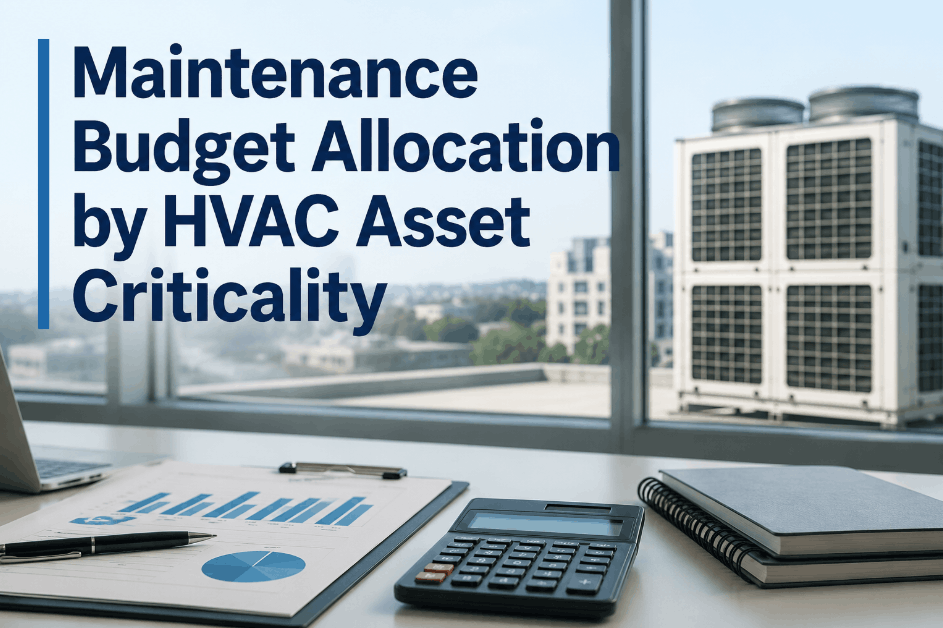
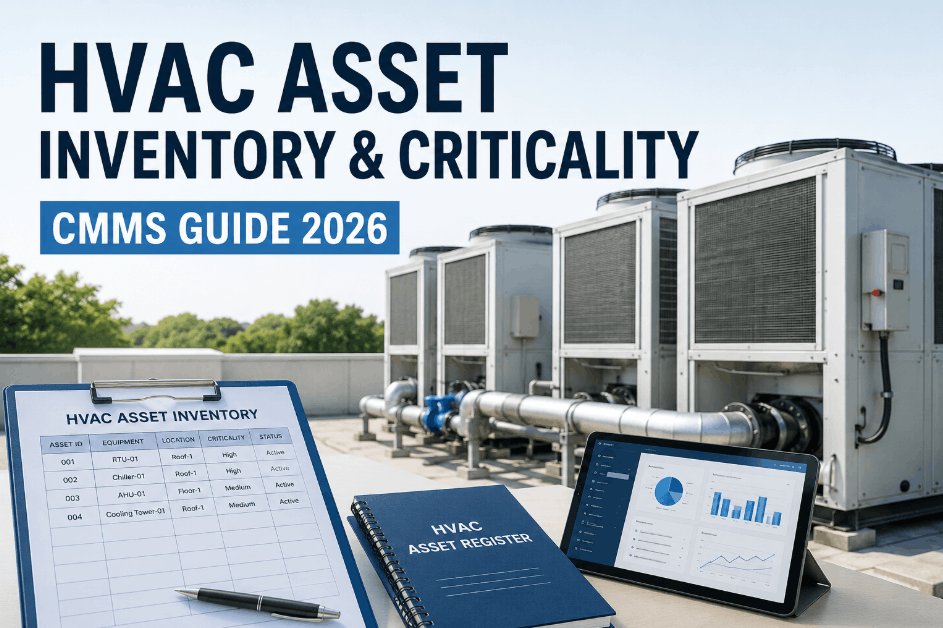
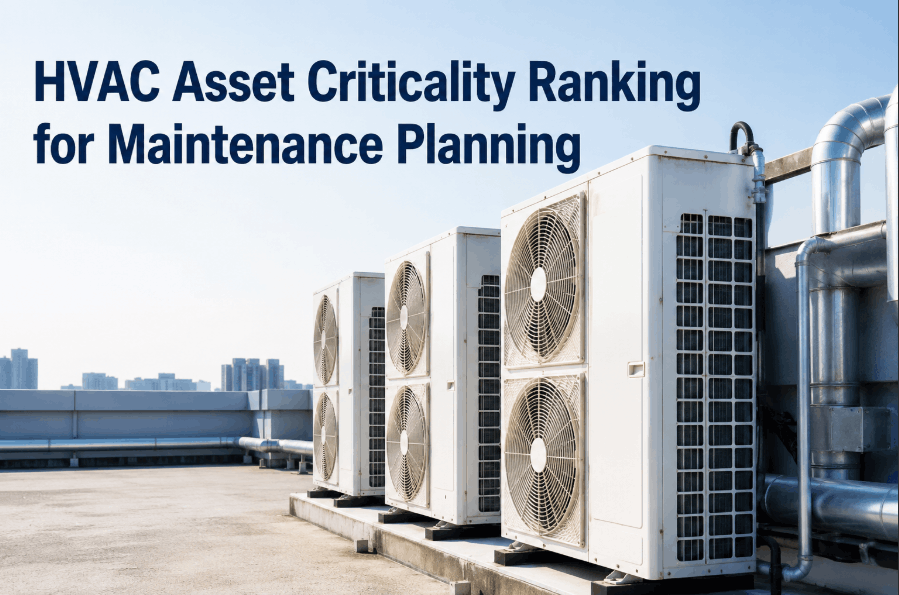
Most HVAC maintenance budgets are built the same way every year — last year's number plus a percentage, spread evenly across every rooftop unit, chiller, and air handler regardless of what each asset actually does for the building. That approach quietly starves the equipment that keeps critical spaces operational while overfunding units where a failure barely registers. Allocating budget by asset criticality instead of asset count changes which repairs get approved first when funds are limited. Sign Up Free to rank your HVAC assets by criticality before your next budget cycle — or Book a Demo to see how Oxmaint structures criticality-weighted maintenance budgets.
HVAC Budgeting · Asset Criticality · Capital Planning
Spend Your HVAC Maintenance Budget Where Failure Actually Costs the Most
Oxmaint ranks HVAC assets by operational criticality so maintenance and capital budgets follow business impact instead of equal-share allocation.
Criticality Tiers
Ranking HVAC Assets Before the Budget Conversation Starts
Tier 1 — Critical
Assets whose failure halts operations, breaches compliance, or risks occupant safety — server room CRAC units, operating room air handlers, process cooling chillers.
Recommended budget share: 50–60%
Tier 2 — Important
Assets that affect comfort and productivity but have backup capacity or tolerance for short downtime — general office RTUs, secondary AHUs.
Recommended budget share: 25–35%
Tier 3 — Standard
Assets serving low-occupancy or non-critical spaces where a delayed repair has minimal operational consequence — storage, low-traffic corridors.
Recommended budget share: 10–15%
Allocation in Practice
How a Criticality-Weighted HVAC Budget Compares to an Even-Split Budget
An even-split budget treats a lobby fan coil the same as a data center CRAC unit, which means both wait in the same repair queue when funds run short. A criticality-weighted budget reverses that — Tier 1 assets get preventive coverage and faster parts turnaround while Tier 3 assets move to run-to-failure or extended interval schedules. Sign Up Free to model both approaches against your own asset register, or Book a Demo to see a sample criticality-weighted budget.
| Approach | Critical Asset Downtime | Emergency Repair Spend | Budget Predictability |
|---|
| Even-split allocation | Higher, reactive | Larger share of total spend | Low |
| Criticality-weighted allocation | Lower, planned | Smaller share of total spend | Higher |
Tier 1
Assets shift from reactive repair to scheduled preventive maintenance with prioritized parts stock.
Tier 2
Assets keep standard PM intervals with budget held for planned mid-life component replacement.
Tier 3
Assets move to extended interval or condition-based servicing, freeing budget for higher-impact equipment.
Criticality-First Budgeting
Rank Before You Allocate
Oxmaint builds a criticality ranking across your HVAC asset register so next year's budget reflects operational risk, not just equipment count.
FAQs
Frequently Asked Questions
How does Oxmaint determine HVAC asset criticality?
Criticality is ranked using factors such as downtime impact, compliance requirements, backup capacity, and the space served — producing a tiered asset list for budgeting.
Can criticality tiers change over time?
Yes. Asset criticality can be re-ranked as space usage, occupancy, or compliance requirements change across a portfolio.
Does criticality-weighted budgeting replace preventive maintenance schedules?
No. It informs how PM frequency and budget priority are set per asset — Tier 1 assets typically keep the tightest preventive schedules.
Can Oxmaint show projected savings from criticality-weighted allocation?
Yes. Oxmaint compares emergency repair spend and downtime trends between even-split and criticality-weighted models using your maintenance history.
Budget Where Failure Hurts Most
Build Your Next HVAC Budget Around Asset Criticality
Oxmaint ranks your HVAC assets and structures budget allocation so the most critical equipment gets the coverage it needs first.