Every year, HVAC technicians face some of the most dangerous working conditions in the skilled trades. From handling high-voltage electrical systems to navigating confined attic spaces and managing newly regulated refrigerants, the risks are real and the consequences can be fatal. According to the Electrical Safety Foundation International, HVAC and refrigeration mechanics suffered 43 electrical fatalities recently, ranking among the top occupations for electrical accidents. With the EPA's 2025 refrigerant regulations now in effect and OSHA enforcement at an all-time high, maintenance teams need more than just safety manuals—they need intelligent, digital safety management systems that protect technicians in real-time. Sign up to discover how modern safety compliance platforms are transforming field technician protection.
The Five Critical Hazard Zones
Electrical Exposure
Arc flash & shock hazards from live circuits
Refrigerant Risks
New A2L flammable refrigerants & EPA compliance
Confined Spaces
Attics, ducts & mechanical rooms with limited exits
Fall Hazards
Rooftop units, ladders & elevated platforms
Heat Stress
Extreme temperatures in mechanical spaces
The Bureau of Labor Statistics recorded nearly 8,000 workplace injury cases in the HVAC industry in 2020 alone, with sprains, fractures, and electrical burns topping the list. But beyond the physical injuries lies a complex web of regulatory compliance that can make or break a maintenance operation. The 2025 EPA refrigerant regulations have introduced stricter thresholds—now requiring compliance for systems with just 15+ pounds of refrigerant (down from 50 pounds) and mandating automatic leak detection systems for large installations by January 2026. Book a demo to see how automated compliance tracking can prevent costly EPA violations reaching up to $69,733 per day.
2025 Regulatory Reality Check
EPA Section 608 Updates
- 15 lb threshold (previously 50 lbs)
- A2L refrigerant handling certification required
- Mandatory leak detection systems by 2026
- Reclamation records for all recovered refrigerant
OSHA High-Priority Enforcement
- Lockout/Tagout violations: Top 10 citation
- Fall protection on rooftops: Immediate fines
- Confined space entry permits: Mandatory
- PPE compliance: 1,200+ recent citations
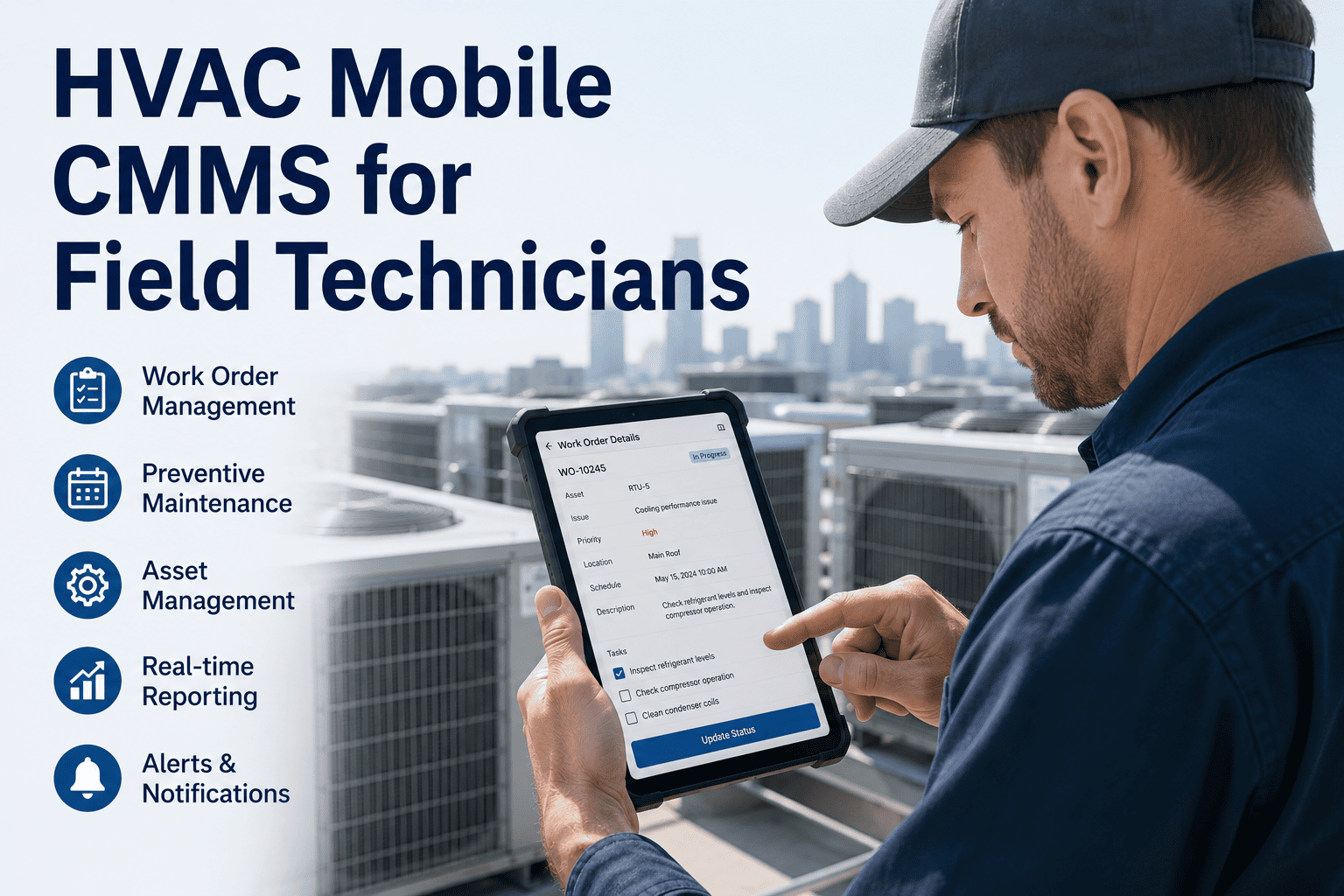
Modern HVAC safety isn't just about hard hats and gloves anymore—it's about creating a digital safety ecosystem that follows your technicians from the dispatch call to the job completion. When a technician receives a work order for a rooftop unit in August, they need instant access to site-specific fall protection requirements, real-time refrigerant handling protocols for A2L systems, and automated checklists that ensure no safety step is missed. Sign up for a platform that puts compliance automation directly in your technicians' hands.
The Digital Safety Advantage
Pre-Job Hazard Assessments
Digital checklists automatically populate based on job type—electrical lockout procedures for panel work, confined space permits for duct cleaning, or fall protection plans for rooftop installations.
Real-Time Refrigerant Tracking
Track every pound of R-410A, R-454B, or R-32 with automatic EPA compliance reporting. Know exactly which technicians are certified for A2L handling and receive alerts before expiration.
Lone Worker Safety Monitoring
Technicians working alone in mechanical rooms or on remote rooftops check in digitally. Missed check-ins trigger immediate supervisor alerts with GPS location.
Consider this scenario: Your technician arrives at a commercial building to service a chiller containing 200 pounds of R-454B. Without digital safety management, they're relying on memory for the new A2L handling procedures, manually calculating leak rates, and hoping their confined space training is current. With an intelligent safety platform, their mobile app automatically recognizes the equipment type, prompts for the specific PPE required for mildly flammable refrigerants, verifies their current EPA certification, and logs the entire interaction for compliance auditing. Book a demo to see this intelligent safety automation in action.
Protect Your Team with Smart Compliance
Join maintenance teams reducing safety incidents by 40% through digital transformation
The financial stakes have never been higher. OSHA penalties for serious violations now exceed $16,000 per instance, while EPA refrigerant violations can reach nearly $70,000 per day. But the human cost is immeasurable. When a 23-year-old technician loses their life due to an electrical accident that could have been prevented with proper lockout procedures, or when a veteran installer suffers a permanent back injury from a fall that lacked proper anchoring, the impact resonates through families and communities. Sign up to implement the safety protocols that protect your most valuable assets—your people.
Essential Safety Protocols for 2025
Electrical Safety
Mandatory lockout/tagout verification, arc flash boundary calculations, and non-conductive PPE checks before any panel work.
Refrigerant Management
Section 608 certification tracking, leak rate monitoring for 15+ lb systems, and A2L safety protocol compliance.
Fall Protection
100% tie-off for work above 6 feet, ladder safety inspections, and rooftop anchor point verification.
Confined Space Entry
Atmospheric testing before entry, continuous ventilation monitoring, and emergency rescue plan activation.
Training alone isn't sufficient. While OSHA requires regular safety training, studies show that knowledge retention drops significantly within weeks without reinforcement. Digital safety platforms solve this by embedding safety protocols directly into daily workflows. When a technician scans a QR code on a rooftop unit, they don't just get the service history—they get the specific fall protection requirements for that roof pitch, the lockout procedures for that electrical configuration, and the refrigerant handling protocols for that specific system type. Book a demo to learn how contextual safety guidance reduces human error by 60%.
The transition to A2L refrigerants like R-454B and R-32 represents the biggest safety shift in HVAC history. These mildly flammable refrigerants require new handling procedures, specialized leak detection equipment, and updated electrical safety protocols. Technicians accustomed to working with non-flammable R-410A need comprehensive retraining and ongoing support to work safely with these new materials. Digital safety management ensures that every technician's certification is current, every tool meets the new safety standards, and every job follows the updated protocols—automatically.
Frequently Asked Questions
What are the new EPA refrigerant requirements for 2025?
The EPA has lowered the compliance threshold from 50 pounds to 15 pounds of refrigerant, requiring leak repair provisions and automatic leak detection systems for systems with 1,500+ pounds by January 2026. New A2L refrigerants (R-454B, R-32) are now mandatory for new equipment, requiring updated technician certifications.
How does digital safety management improve OSHA compliance?
Digital platforms automate safety checklist completion, track training expiration dates in real-time, maintain audit-ready documentation, and provide instant access to site-specific safety protocols. This reduces citation risks while ensuring technicians follow current regulations for electrical safety, fall protection, and confined space entry.
What are the most common OSHA violations in HVAC maintenance?
The most frequent violations include inadequate lockout/tagout procedures for electrical systems, missing fall protection on rooftops, lack of confined space entry permits for attics and mechanical rooms, and insufficient PPE usage during refrigerant handling. Each violation can result in penalties exceeding $16,000.
How do I ensure my technicians are ready for A2L refrigerants?
Technicians need updated EPA Section 608 certification specific to A2L refrigerants, training on new safety protocols for mildly flammable materials, and access to specialized leak detection equipment. Digital training tracking ensures certifications remain current and alerts managers before expiration.
What should be included in an HVAC safety program?
A comprehensive program includes written safety policies, hazard assessment procedures, PPE requirements, lockout/tagout protocols, fall protection plans, confined space entry procedures, refrigerant management guidelines, emergency response protocols, and regular training schedules with digital documentation.
How can I reduce liability risks for my HVAC maintenance team?
Implement digital safety management systems that enforce protocol compliance, maintain comprehensive training records, provide real-time hazard alerts, and create audit trails for all safety activities. Sign up to establish a defensible safety program that protects both your technicians and your business.
Ready to Transform Your Safety Culture?
Join hundreds of maintenance teams protecting their technicians with intelligent compliance management. Stop managing safety with clipboards and start protecting your team with technology.