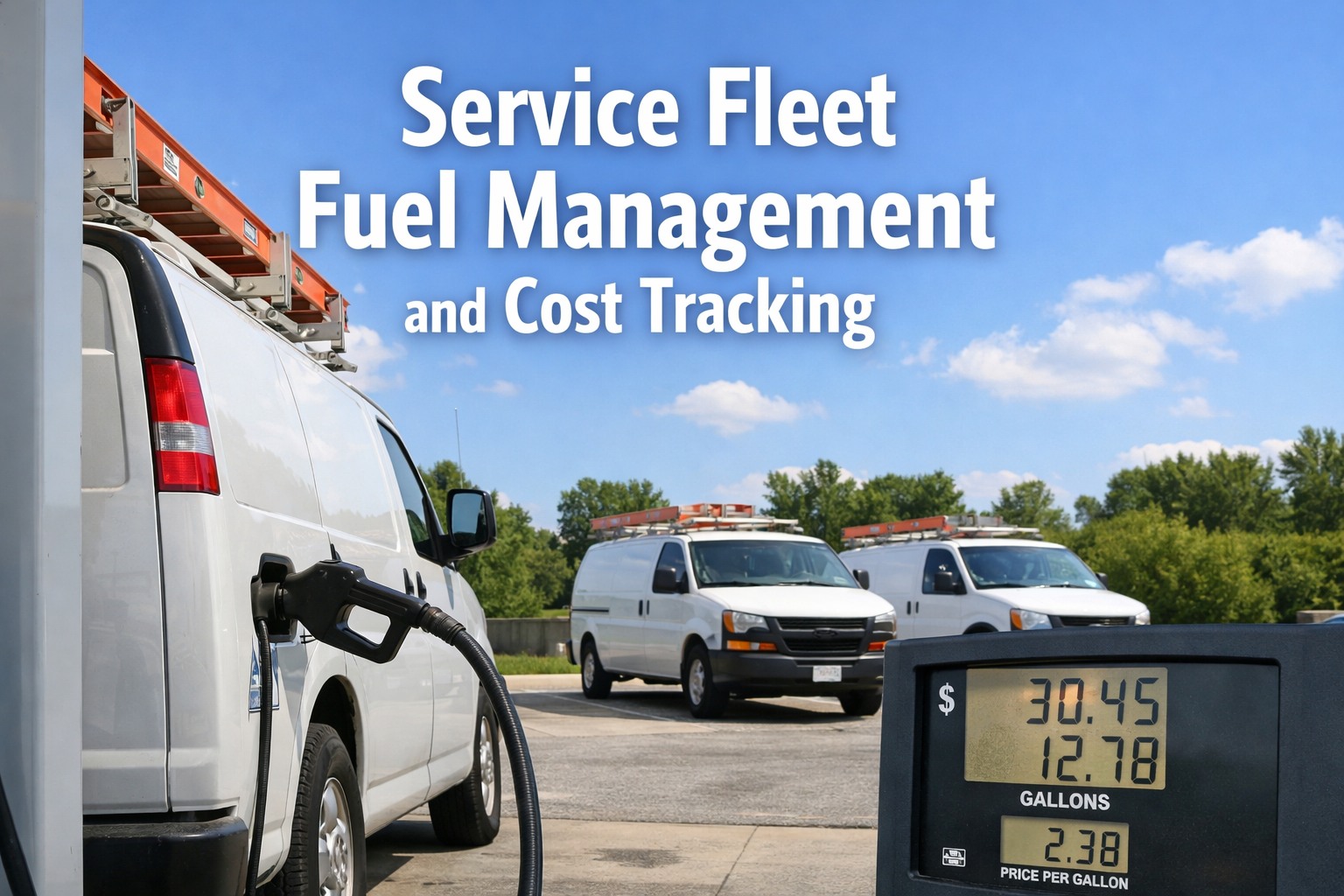
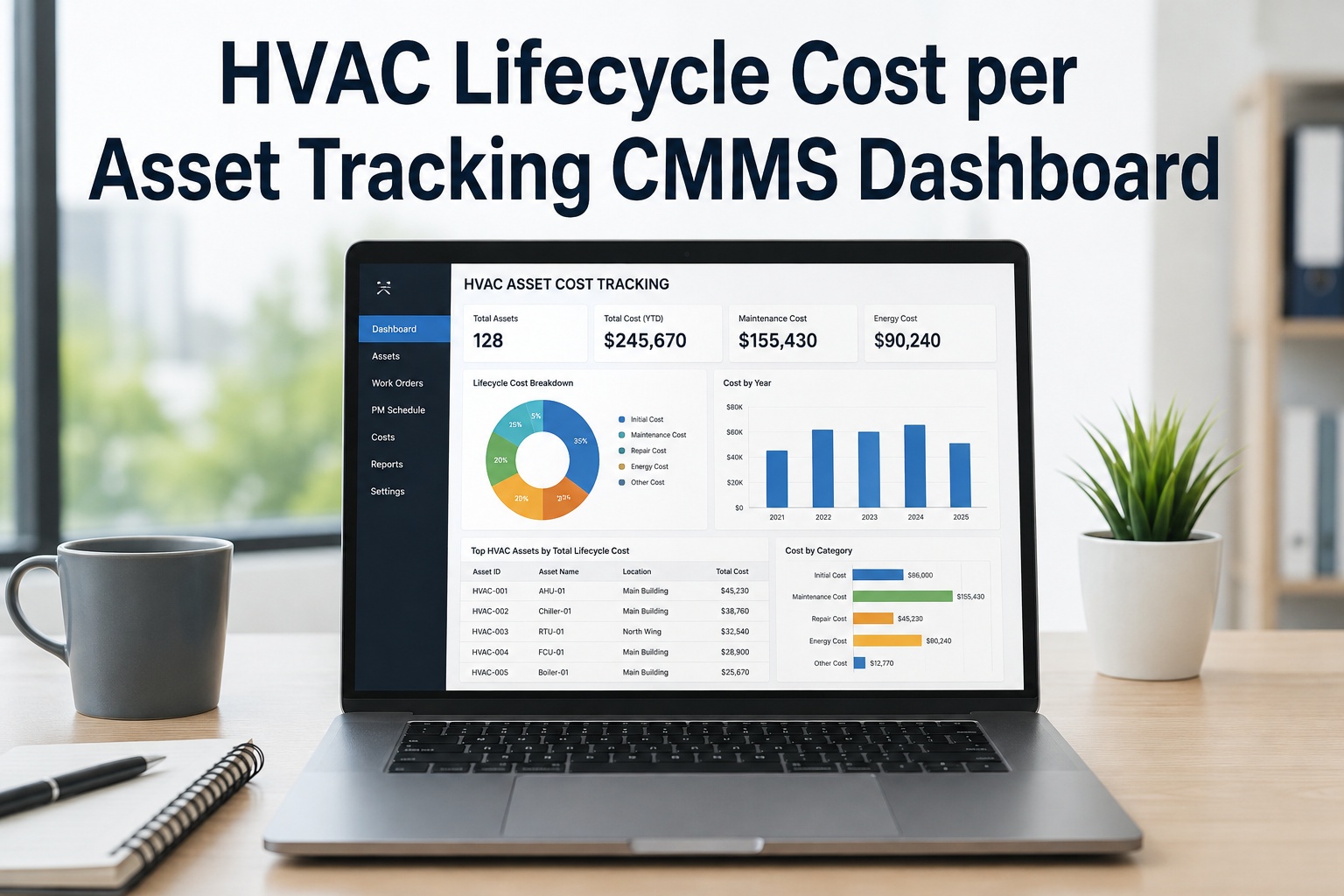
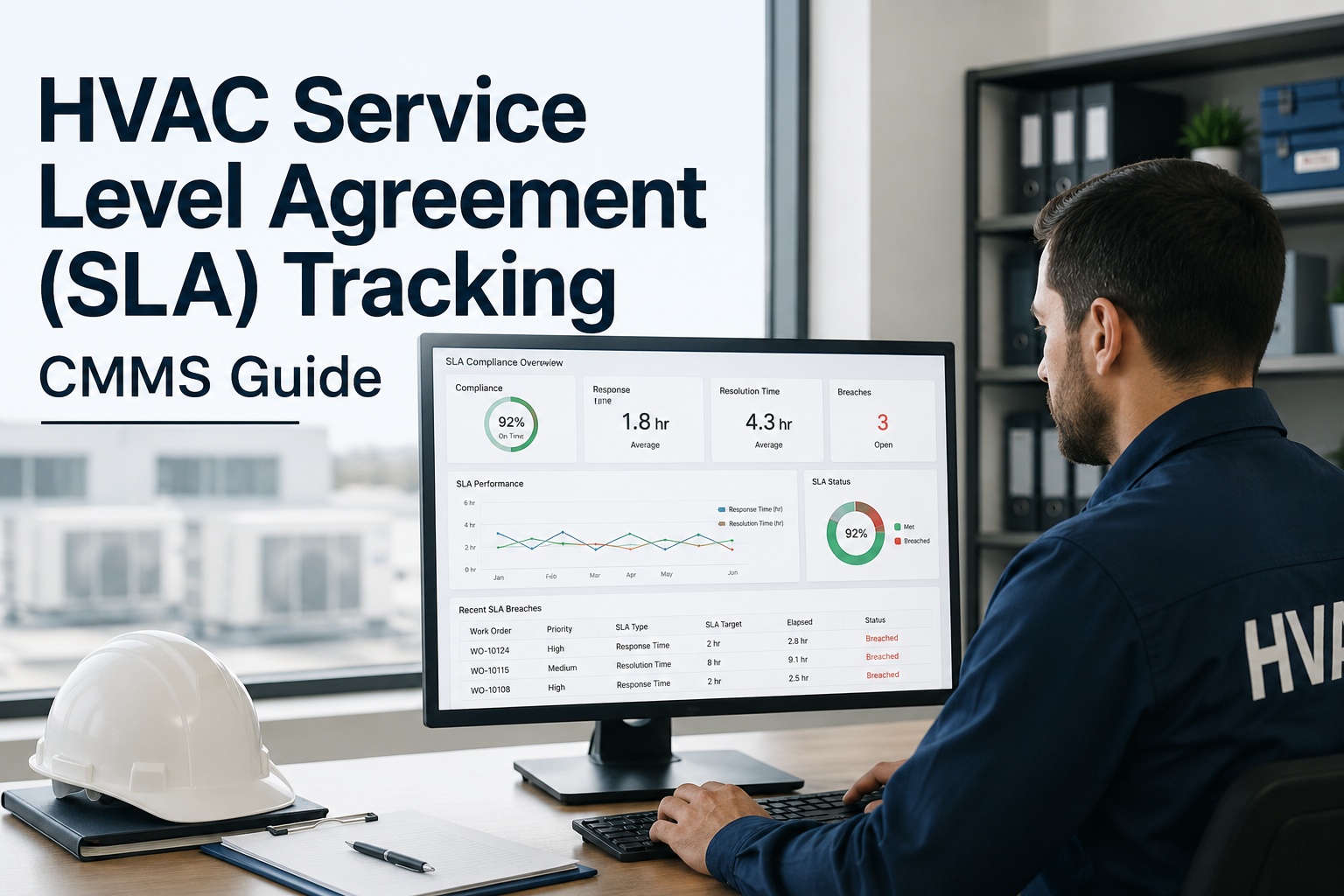
You signed the fuel card statement last month without flinching. This month, it's $2,300 higher—and you have no idea why. Same number of vans. Same routes. Same technicians. But somewhere between Monday morning dispatches and Friday afternoon timesheets, your fleet consumed an extra 680 gallons of fuel that can't be traced to any specific job, van, or driver. That's the reality for most HVAC service companies: fuel is their second-largest operating expense after labor, consuming 10-20% of total operating costs, yet it's also the expense they track the least. Industry data paints a sharper picture—fuel and maintenance-related fraud alone drains an estimated 19-22% of fleet operating budgets, and the average commercial fleet loses 15-25% of its fuel budget to theft, fraud, and unauthorized usage every year. The fix isn't spending less on fuel. It's knowing exactly where every gallon goes.
Where Your Fuel Budget Actually Goes
Breakdown of fuel spend for a typical 15-van HVAC fleet
Productive Service Calls
~52%Fuel driving to and from actual jobs
Idle Time
~18%Engines running while parked burns 0.5-1 gal/hour
of your fuel spend isn't driving revenue. Tracking it is the first step to recovering it.
The Five Fuel Drains HVAC Fleets Can't See Without Data
Every HVAC fleet owner knows fuel is expensive. What most don't realize is how much fuel waste hides inside routine operations—invisible because nobody is measuring it at the vehicle or driver level. Research from MIT shows aggressive driving alone lowers mileage by 15-30% on highways and up to 40% in stop-and-go traffic. Government data confirms that idling burns a quarter to half a gallon per hour, and for service vans running AC at job sites, that number climbs higher. Fleet managers who start tracking fuel consumption per vehicle and driver typically discover that their worst-performing van burns 30-40% more fuel than their best—on identical route patterns.
Five Hidden Fuel Drains and What They Cost You
01
Excessive Idle Time
$5,000 - $12,000 per van/year
HVAC techs idle at job sites, supply houses, and between calls. Every 10% of idle time reduces fuel economy by 1%. A van idling 45 minutes daily wastes 180+ gallons per year.
CMMS Solution: Automatic idle alerts when thresholds are exceeded, with per-driver idle scorecards for targeted coaching.
02
Aggressive Driving Habits
$0.25 - $1.00 extra per gallon
Speeding over 60 mph costs an additional $0.27 per gallon. Hard braking wastes established momentum. Rapid acceleration burns fuel at 2-3x normal consumption rates during each event.
CMMS Solution: Driver behavior scorecards tracking speed, braking, and acceleration events with weekly performance reports.
03
Fuel Card Fraud and Misuse
Up to 22% of fuel spend
Personal fill-ups, unauthorized purchases, and fuel card skimming cost U.S. fleets over $1.2 billion annually. The average fleet loses 5 fraudulent gallons per vehicle per month—totaling 900 gallons annually for a 15-van fleet.
CMMS Solution: Fuel purchase reconciliation against GPS location data—flagging transactions that don't match route history.
04
Deferred Vehicle Maintenance
3-8% MPG reduction per issue
Under-inflated tires cut fuel economy by 3%. Dirty air filters, faulty oxygen sensors, and missed oil changes compound the losses. A poorly maintained van burns 10-15% more fuel than a well-serviced one.
CMMS Solution: Mileage-based maintenance triggers generated automatically from odometer data—never miss a service interval.
05
Unoptimized Route Dispatch
15-25% excess mileage
Without route optimization, techs drive past each other, backtrack across service zones, and take longer routes to the same job. One fleet found 23% of their total mileage was completely unnecessary.
CMMS Solution: GPS-integrated dispatch assigns nearest available tech, cutting travel distance and adding 1-2 extra jobs per day.
How CMMS-Driven Fuel Tracking Works
The difference between hoping your fuel costs improve and actually controlling them comes down to tracking frequency. Fleets that only check fuel spend monthly discover problems after thousands of dollars have already been wasted. Research from heavy fleet operations shows that daily idle tracking and weekly MPG analysis drive 60-70% of total fuel savings—because you're catching problems within hours, not weeks. A CMMS platform that connects to your fleet telemetry automates this entire process, turning raw GPS and engine data into actionable cost intelligence. HVAC companies ready to replace guesswork with data can schedule a fuel tracking demo and see exactly what their fleet is burning.
Fuel Tracking Cadence That Drives Results
What to track, when to track it, and why it matters
Daily
Idle Time per Van
Alert drivers the same day—before bad habits set in
Fuel Card Transactions
Catch unauthorized purchases within 24 hours
Driver Behavior Events
Address speeding and hard braking while fresh
Fastest ROI—most fleets cut idle 40-60% in 30 days
Weekly
MPG per Vehicle
Spot vans needing maintenance before efficiency drops
Route Efficiency Analysis
Identify unnecessary mileage patterns and fix dispatch
Driver Scorecards
Rank tech performance and target coaching sessions
Identifies trends before they become expensive patterns
Monthly
Cost-per-Mile by Van
Benchmark fleet performance and right-size if needed
Total Fuel Cost vs. Revenue
Track fuel as percentage of revenue for margin health
Vehicle Health Impact
Correlate maintenance gaps with fuel efficiency drops
of fuel savings come from daily and weekly tracking alone
30 days
to see measurable idle time reduction once tracking begins
See Where Every Gallon Goes
Watch how OXmaint connects GPS data, fuel card transactions, and driver behavior into a single fuel management dashboard—with automated alerts that catch waste before it compounds.
Here's what separates fuel management from fuel tracking: management connects fuel data to vehicle health. A van that suddenly drops from 16 MPG to 12 MPG isn't just burning more fuel—it's signaling a maintenance problem. Maybe the air filter is clogged. Maybe the tires lost 5 PSI. Maybe the oxygen sensor is failing. When your CMMS correlates fuel efficiency trends with maintenance history, it doesn't just tell you a van is wasting fuel—it tells you why, and it generates the work order to fix it before the problem gets worse. This is where predictive maintenance and fuel management converge, and it's where HVAC companies see the compounding returns. Fleets that want to close this loop between fuel data and van health can start connecting their maintenance and fuel tracking workflows immediately.
How Vehicle Health Impacts Fuel Economy
Up to 3%
Under-inflated Tires
CMMS triggers tire pressure checks at mileage intervals
Up to 5%
Dirty Air Filters
Automatic replacement alerts based on engine hours
Up to 8%
Faulty Oxygen Sensor
Diagnostic code alerts generate work orders instantly
Up to 6%
Overdue Oil Change
Mileage-based service scheduling eliminates missed intervals
Up to 10%
Worn Spark Plugs
Preventive maintenance schedules replace plugs before degradation
Up to 4%
Misaligned Wheels
Flagged via uneven tire wear patterns during inspections
Cumulative Impact of Deferred Maintenance
10-15% worse fuel economy per van
A well-maintained van burning $8,000/year in fuel saves $800-$1,200 annually vs. a neglected one
Expert Perspective: Fuel Management as a Profit Strategy
Fuel costs represent up to 40% of a fleet's annual operating expenses, making it the single largest variable cost most HVAC companies face. Yet most fleet managers only look at total fuel spend once a month—long after the waste has happened. The shift from monthly reporting to daily-weekly-monthly tracking cadences is what separates companies losing 25% of their fuel budget to waste from companies recovering 15-20% of their total fleet operating costs through data-driven management.
Track by Driver, Not Just by Van
The same van driven by two different technicians can show 30-40% fuel efficiency variance. Driver-level scorecards identify who needs coaching and who deserves recognition—creating a performance culture that reduces fuel waste organically.
Connect Fuel Data to Maintenance Triggers
A sudden MPG drop is the earliest signal of a vehicle health issue—often weeks before a dashboard warning light appears. CMMS platforms that correlate fuel trends with maintenance history catch problems while they're still cheap to fix.
Reconcile Every Fill-Up Against GPS
Fuel card transactions that don't match a van's GPS location are the fastest way to detect fraud. If a fill-up happens 40 miles from the nearest job site, the data tells the story before anyone needs to ask uncomfortable questions.
The 2025 Fleet Technology Trends Report confirmed that fuel savings from GPS-integrated fleet management nearly doubled year-over-year, jumping from 9% to 16%. Accident-related cost savings rose from 15% to 22%, and labor savings from 10% to 16%. Nearly half of all fleets now see full ROI within 12 months. For HVAC companies still reconciling fuel receipts in spreadsheets, these numbers represent the competitive gap that's widening every quarter. Fleet managers ready to close that gap can book a consultation to map their fuel recovery roadmap with real numbers from their own operation.
Getting Started: Your Fuel Recovery Action Plan
Fuel management isn't a single tool—it's a connected workflow. It starts with tracking, moves to analysis, and culminates in automated action. The HVAC companies saving the most money have connected their GPS data, fuel card transactions, driver behavior metrics, and vehicle maintenance schedules into one CMMS platform that turns raw data into work orders, alerts, and performance reports. The first 30 days typically reveal the biggest wins: idle reduction alone delivers measurable savings within the first week of tracking. From there, the system compounds—better routing reduces mileage, better maintenance improves MPG, and better driver behavior reduces everything from fuel cost to insurance premiums. Start building your fuel management dashboard and see where your fleet's money is actually going.
Stop Overpaying for Fuel You Can't Track
Join HVAC fleets using OXmaint to connect fuel data with maintenance scheduling, driver scorecards, and GPS dispatch—recovering 15-20% of fleet operating costs through visibility alone.
How much can HVAC fleets actually save on fuel with tracking?
The 2025 Fleet Technology Trends Report found that fleets using GPS-integrated fuel tracking now save an average of 16% on fuel costs—nearly double the 9% savings reported just one year earlier. For a 15-van HVAC fleet spending $10,000-$15,000 monthly on fuel, that translates to $19,200-$28,800 in annual savings from fuel alone. Additional savings come from reduced idle time ($5,000-$12,000 per van annually), fraud prevention (up to 22% of fuel spend recovered), and maintenance-driven MPG improvements (10-15% better per well-maintained van).
What's the biggest source of fuel waste in HVAC service fleets?
Excessive idle time is typically the single largest controllable fuel drain. HVAC service vans idle at job sites, supply houses, and during lunch breaks—often with the AC running. A van idling one hour daily wastes approximately 0.5-1 gallon of fuel per hour, adding up to 180-360 gallons per year per van. Government research confirms that every 10% of idle time causes a 1% decline in fuel economy. Most fleets reduce idle time by 40-60% within the first 30 days simply by making it visible through tracking and sending same-day alerts to drivers.
How does a CMMS connect fuel tracking to vehicle maintenance?
A CMMS platform correlates fuel efficiency data (MPG per vehicle over time) with maintenance history and engine diagnostics. When a van's fuel economy suddenly drops—say from 16 MPG to 12 MPG—the system flags it as a maintenance issue, not just a cost increase. It then cross-references potential causes (overdue oil change, low tire pressure, engine fault codes) and generates a targeted work order. This closed-loop approach ensures fuel problems get fixed at the mechanical root rather than treated as unexplained cost spikes.
Can fuel tracking detect fraud and unauthorized fuel card use?
Yes. When fuel card transaction data is reconciled against GPS location data, discrepancies become immediately visible. If a fuel purchase occurs 40 miles from any job site or the fill-up quantity exceeds the van's tank capacity, the system flags it automatically. Industry data shows that operations leaders estimate 19-22% of fleet spend is lost to theft and fraud, and fuel theft costs the transportation industry over $1.2 billion annually. Fleets using comprehensive GPS-linked fuel monitoring report an average 78% reduction in theft within the first year of implementation.
How quickly does fuel management tracking pay for itself?
Most fleets see payback within 3-6 months, with 47% achieving full ROI in under 12 months according to the 2025 Fleet Technology Trends Report. The fastest wins come from idle reduction (visible within the first week), followed by fuel card fraud detection (typically within the first month) and route optimization (within 60-90 days). For a mid-size HVAC fleet, even a conservative 10% fuel reduction on a $10,000 monthly fuel bill saves $12,000 annually—often exceeding the total cost of the tracking system several times over.