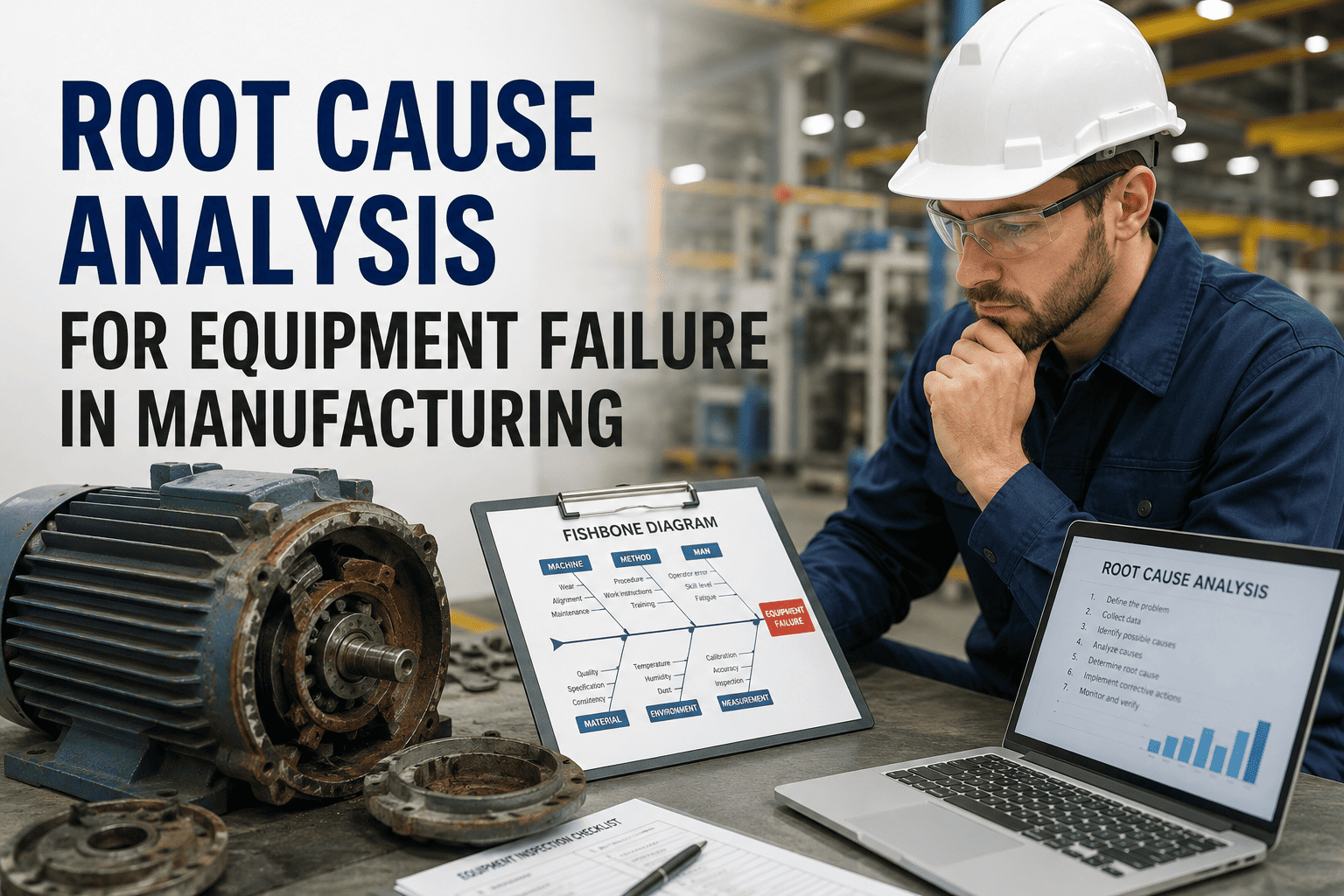
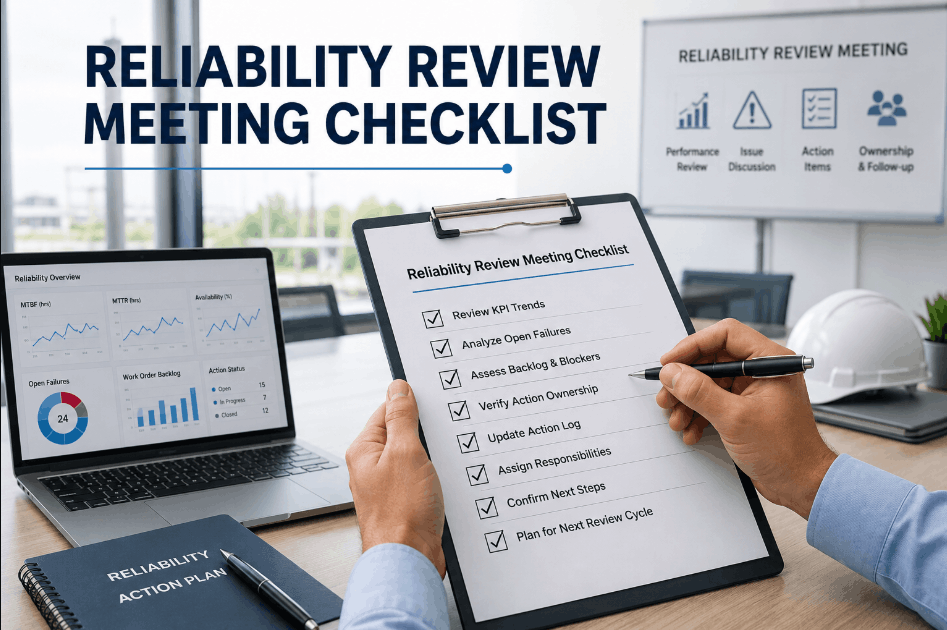
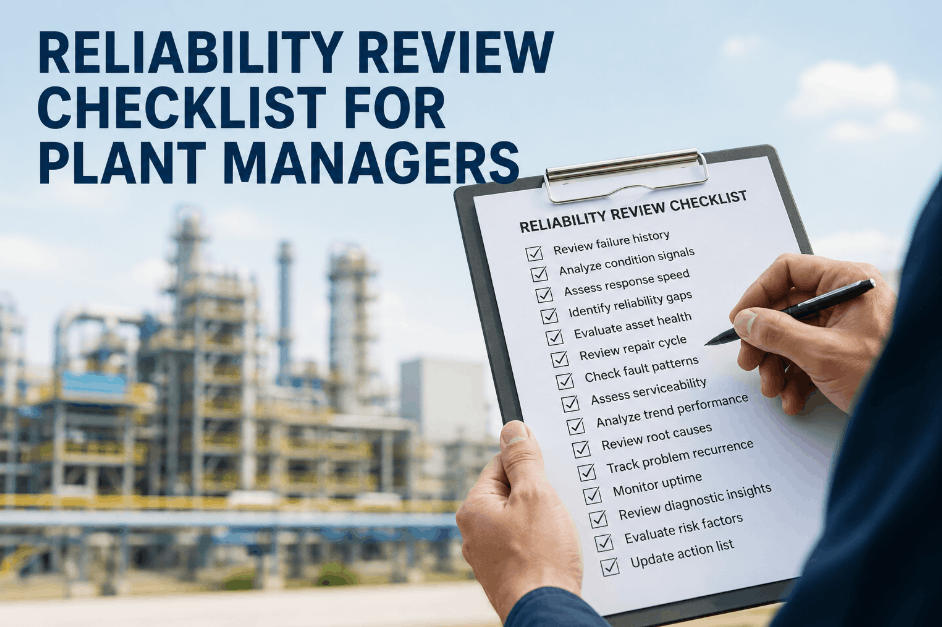
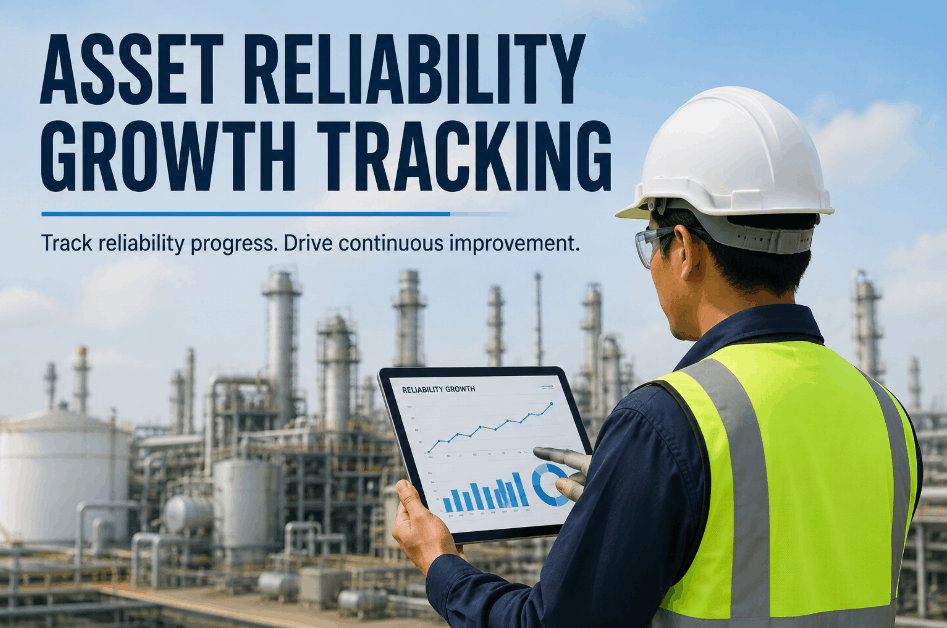
Asset reliability review is one of the most overlooked disciplines in maintenance operations. When failure trends go unanalyzed and corrective actions remain open without follow-up, repeat faults quietly compound — draining uptime and eroding confidence in maintenance planning. The root causes are almost always visible in the data: rising failure frequency, skipped root cause closures, and performance targets that no longer reflect actual asset condition. This checklist helps reliability engineers, maintenance managers, and operations teams audit asset health signals, validate corrective action closure, and confirm that performance goals are still aligned with real-world equipment behavior. Oxmaint's Sign Up Free platform gives reliability teams failure trend dashboards, corrective action tracking, and asset performance analytics — so deteriorating assets are identified before they become unplanned downtime events. From failure trend review to uptime target validation, poor reliability discipline is one of the most correctable sources of recurring equipment loss. Book a Demo to see how Oxmaint's reliability tools protect performance targets and close the gap between planned and actual asset condition. Use this checklist before your next reliability review cycle or maintenance planning session to confirm that asset health signals are not hiding failure risk from your production schedule.
1. Failure Trend Analysis & Pattern Recognition
You cannot improve reliability you have not measured. Before reviewing corrective actions, establish actual failure frequency data by asset, system, and failure mode — not verbal reports from shift teams.
2. Corrective Action Status & Root Cause Follow-Up
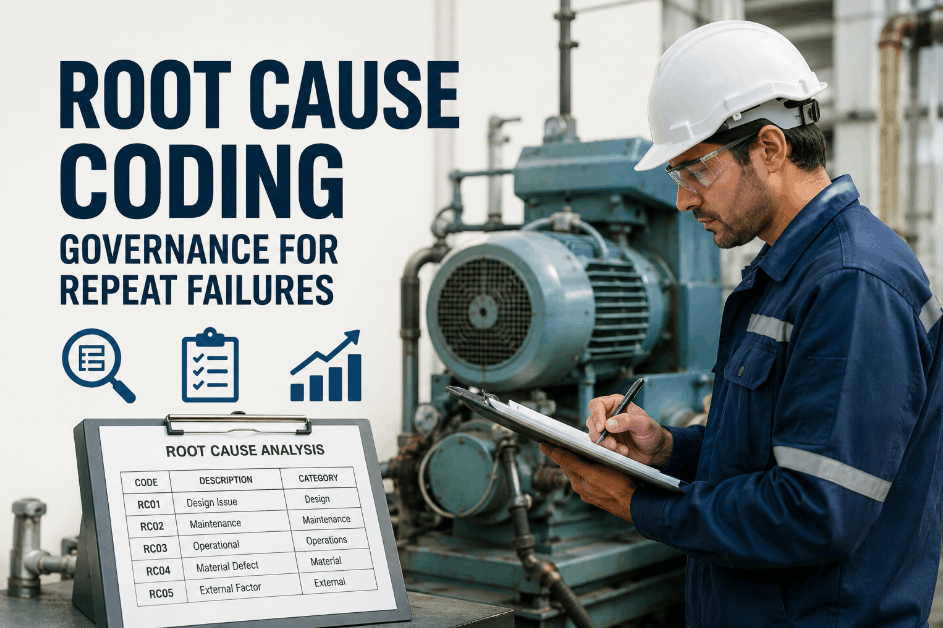
Open corrective actions that are not tracked to closure are the most common source of recurring failures in maintenance programs. If root cause actions are not assigned, dated, and confirmed complete, the failure will repeat.
3. Asset Performance Goals & Uptime Target Validation
Reliability targets set without current asset condition data produce unachievable production plans. Before the next planning cycle, confirm that uptime targets still reflect actual asset serviceability — not historical assumptions.
4. Inspection Coverage & Serviceability Confirmation
Reliability reviews that do not confirm inspection completion are reviewing data that may not reflect current asset condition. Before drawing conclusions from trend data, confirm the inspection record is complete and current.
5. Reliability Review Cadence & Continuous Improvement Actions
Asset reliability improvement is not a project — it is a management process. Without a structured review cadence and formal action tracking, reliability gains made through focused improvement periods gradually reverse as discipline erodes and condition data ages.