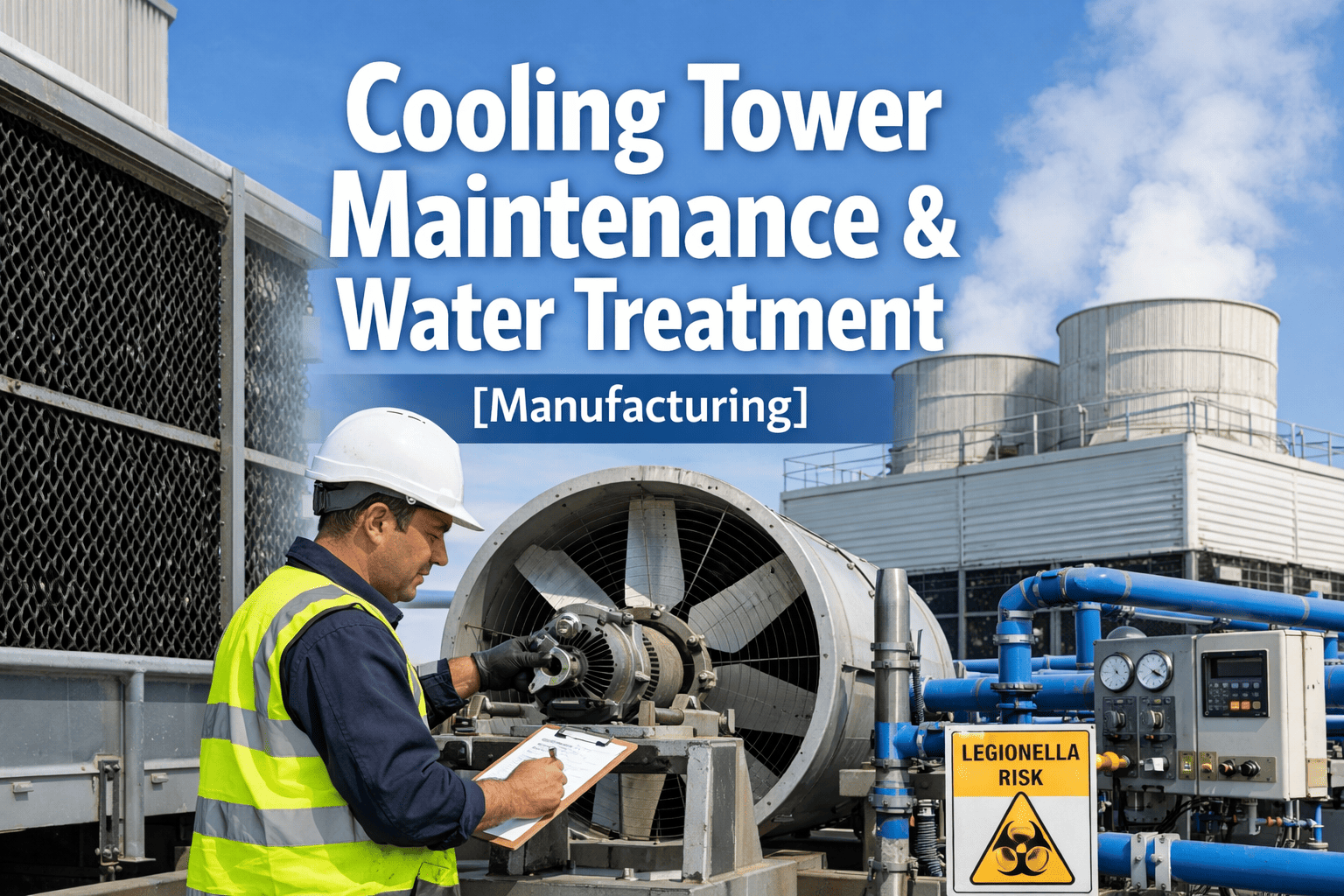
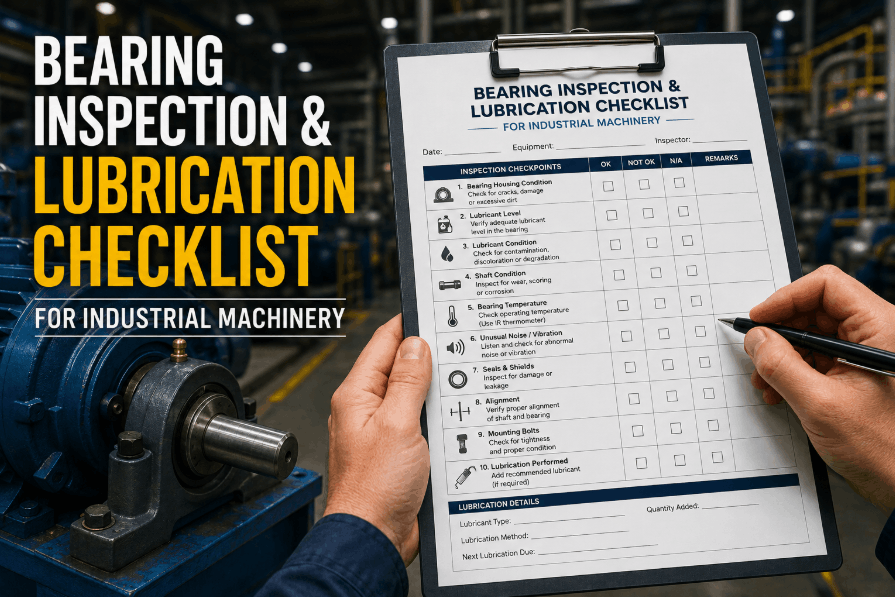
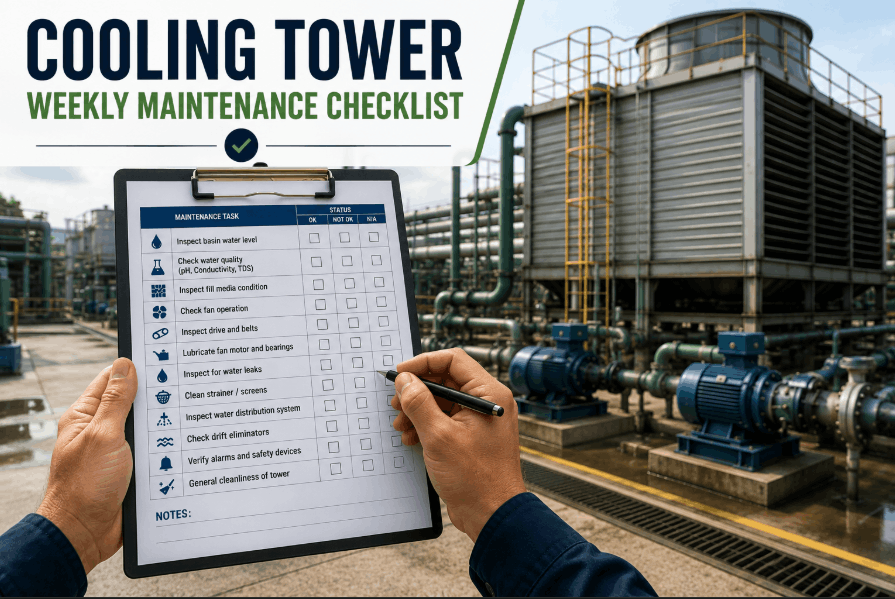
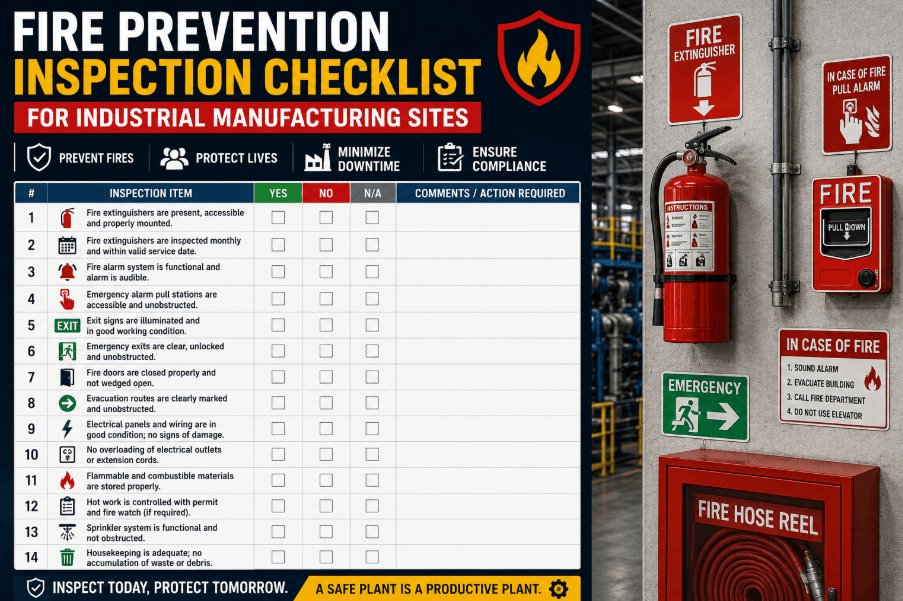
Manufacturing cooling towers handle millions of gallons daily — but 68% of unplanned shutdowns trace back to preventable water chemistry failures, scale buildup, or biological contamination. A single Legionella outbreak costs $2.3M in remediation and litigation on average, while condenser fouling silently increases energy consumption by 15–30% before anyone notices. Sign in to OxMaint to automate cooling tower water treatment tracking, drift eliminator inspections, and fan bearing monitoring with predictive maintenance alerts that prevent contamination and maximize heat rejection efficiency. Book a demo to see how industrial facilities are cutting cooling system failures by 82% and extending tower lifespan by 5–7 years through data-driven maintenance protocols.
30%
Energy waste from fouled cooling towers in manufacturing plants — caught only when efficiency drops noticeably
2.3M
Average cost of a single Legionella outbreak including remediation, legal fees, and facility closure
72 hrs
Maximum safe interval between blowdown and chemical dosing checks in industrial cooling systems
5–7 yrs
Extended tower lifespan achievable through systematic water treatment and fill media maintenance programs
Critical Failure Modes
The Four Ways Cooling Towers Fail in Manufacturing Environments
Cooling tower failures rarely announce themselves with alarms. They accumulate silently through water chemistry drift, biological growth, mechanical wear, and structural degradation — until production shuts down or regulatory agencies issue violations.
Scaling and corrosion from pH drift, hardness accumulation, or improper blowdown cycles
Condenser tubes foul within weeks, heat rejection drops 20–35%, compressor load increases, energy costs spike before maintenance teams notice
Legionella, algae, and biofilm growth in warm, nutrient-rich recirculating water
Health hazards to workers, regulatory shutdowns, costly disinfection protocols, and potential litigation exposure
Fan motor bearing failure, gearbox degradation, belt slippage, and pump seal leaks
Airflow reduction leads to inadequate cooling, emergency shutdowns during peak production, and expensive emergency repairs
Fill media clogging, sagging, or collapse; drift eliminator damage causing water loss
Heat transfer efficiency drops 15–25%, water consumption increases, and environmental compliance issues emerge
Water Treatment Protocol
The Complete Water Chemistry Management Framework
| Parameter |
Target Range |
Test Frequency |
Failure Consequence |
Corrective Action |
| pH Level |
7.0 – 9.0 |
Daily |
Corrosion or scale formation |
Acid or alkali injection to restore balance |
| Conductivity |
Based on cycles of concentration |
Daily |
Excessive mineral buildup or dilution |
Adjust blowdown rate to maintain cycles |
| Total Hardness |
200 – 600 ppm |
Weekly |
Scale deposits on heat exchanger surfaces |
Increase blowdown, add scale inhibitor |
| Alkalinity |
100 – 200 ppm |
Weekly |
pH instability and corrosion risk |
Adjust chemical treatment program |
| Chlorine Residual |
0.5 – 1.0 ppm free chlorine |
2x daily |
Biological growth and Legionella risk |
Increase biocide dosing immediately |
| Total Dissolved Solids |
Varies by system design |
Weekly |
Fouling and reduced heat transfer |
Increase blowdown to lower TDS levels |
Water Chemistry Failures Are Preventable — If You Track the Right Parameters
OxMaint schedules daily water testing reminders, logs treatment chemical dosing, and flags parameter deviations before they cause scale buildup or biological contamination. Your cooling tower operates within spec — continuously, not just after quarterly audits.
Physical Inspection Checklist
Monthly and Quarterly Cooling Tower Inspection Points
Monthly Visual Inspections
01
Check fill media for sagging, clogging, or biological growth — replace sections showing 15%+ degradation
02
Inspect drift eliminators for damage or missing sections — water loss through drift indicates immediate repair needs
03
Verify fan blade integrity and alignment — listen for unusual vibration or bearing noise
04
Examine basin for sediment accumulation, debris, or standing water zones that promote biofilm
05
Check spray nozzles for clogging or uneven distribution patterns — poor water distribution reduces efficiency by 10–20%
Quarterly Deep Inspections
01
Drain and clean basin completely — remove all sediment, biofilm, and debris before refilling
02
Inspect fan motor bearings and lubricate per manufacturer schedule — bearing failure is the #1 cause of emergency fan shutdowns
03
Test water distribution system pressure and flow — ensure uniform coverage across fill media surface
04
Conduct Legionella sampling in accordance with ASHRAE 188 and local health regulations
05
Review makeup water usage and blowdown rates — abnormal consumption indicates leaks or drift eliminator failure
Biological Risk Management
Legionella Prevention in Industrial Cooling Towers
Risk Assessment Protocol
Manufacturing cooling towers are high-risk environments for Legionella growth due to water temperatures between 20–50°C, nutrient availability from process contamination, and aerosol generation. OSHA and ASHRAE require documented risk assessments and water management programs for all industrial cooling systems.
Biocide Treatment Strategy
Maintain free chlorine residual at 0.5–1.0 ppm continuously, or implement alternative biocides (bromine, chlorine dioxide, ozone) based on water chemistry compatibility. Shock treatments at 5–10 ppm should occur quarterly or when bacterial counts exceed action levels.
Temperature and Stagnation Control
Legionella thrives in stagnant water zones and dead legs. Eliminate low-flow areas in basin design, ensure complete drainage during shutdowns, and maintain circulation even during low-load periods to prevent biofilm establishment.
Sampling and Testing Schedule
Collect water samples from tower basin, makeup line, and system return quarterly at minimum. Test for total bacteria count, Legionella pneumophila, and heterotrophic plate count. Action levels trigger immediate remediation and increased monitoring.
Mechanical Component Maintenance
Fan, Motor, and Gearbox Service Intervals
Weekly
Listen for abnormal fan motor noise or vibration during operation
Check belt tension and alignment on belt-driven fans — adjust if deflection exceeds 1 inch per 64 inches of span
Monthly
Inspect fan blades for cracks, erosion, or imbalance — replace if damage exceeds 5% of blade surface
Verify gearbox oil level and check for leaks or contamination
Quarterly
Lubricate motor bearings per manufacturer specification — over-greasing causes overheating, under-greasing causes premature failure
Measure motor amperage and compare to nameplate rating — significant deviation indicates mechanical binding or electrical issues
Annually
Perform vibration analysis on fan motor and gearbox to detect bearing wear before failure
Replace gearbox oil and inspect internals for wear — service life is 5–7 years with proper maintenance
Stop Chasing Cooling Tower Breakdowns — Schedule Maintenance Before Failure
OxMaint automates PM schedules for fan motors, gearboxes, and water treatment tasks with mobile checklists and completion tracking. Maintenance happens on schedule, not after emergency shutdowns. Cooling tower reliability becomes predictable.
Performance Optimization
Efficiency Metrics and Energy Recovery Opportunities
Approach Temperature
3–5°F
Difference between cold water temperature and ambient wet bulb temperature. Values above 7°F indicate fouling, poor airflow, or inadequate fill media contact time.
Cooling Range
10–20°F
Temperature drop from hot water inlet to cold water outlet. Decreasing range signals reduced heat rejection capacity and process cooling problems downstream.
Cycles of Concentration
4–6 cycles
Ratio of dissolved solids in recirculating water versus makeup water. Low cycles waste water through excessive blowdown, high cycles risk scaling and corrosion.
Fan Energy Consumption
0.02–0.04 kW/ton
Power required per ton of cooling. Values above 0.05 kW/ton indicate mechanical inefficiency, fouling, or oversized fan operation that wastes energy continuously.
OxMaint Cooling Tower Management
How OxMaint Automates Water Treatment, Inspections, and Predictive Maintenance
Water Chemistry
Automated Water Treatment Logs and Parameter Tracking
OxMaint schedules daily water chemistry tests and logs results directly in the system. When pH, conductivity, or biocide levels drift outside target ranges, alerts trigger corrective work orders automatically.
Sign in to configure water treatment tracking.
Inspection Workflow
Digital Checklists for Fill Media, Drift Eliminators, and Basin Inspections
Replace paper inspection forms with mobile checklists that guide technicians through monthly and quarterly cooling tower inspections. Photo uploads and defect tracking ensure nothing is missed.
Book a demo to see inspection workflows.
Predictive Analytics
Fan Motor and Gearbox Failure Prediction from Vibration and Temperature Data
Connect cooling tower fan motors and gearboxes to OxMaint's predictive maintenance engine. Bearing wear, alignment issues, and lubrication failures are flagged weeks before catastrophic breakdown.
Legionella Compliance
ASHRAE 188 Water Management Program Documentation
OxMaint maintains audit-ready records of Legionella sampling, biocide dosing, and risk assessments required by OSHA and health departments. Compliance reporting becomes automatic, not a last-minute scramble before inspections.
Energy Monitoring
Efficiency Tracking with Approach, Range, and Fan Power Metrics
Track cooling tower approach temperature, range, and fan energy consumption over time. OxMaint identifies efficiency degradation trends that indicate fouling, airflow restriction, or mechanical wear requiring intervention.
Sign in to see energy dashboards.
Parts Inventory
Critical Spare Parts Management for Emergency Repairs
Maintain inventory of fill media sections, drift eliminator panels, fan belts, motor bearings, and water treatment chemicals. OxMaint tracks stock levels and triggers reorder alerts before you run out during a breakdown.
Common Questions
Cooling Tower Maintenance Questions from Plant Engineers
Cooling Tower Failures Are Expensive — Prevention Is Not
The manufacturers with zero unplanned cooling shutdowns do not have better equipment. They have better maintenance data. OxMaint schedules water treatment tasks, tracks inspection results, and predicts mechanical failures before they disrupt production. Your cooling system operates reliably, your regulatory compliance is documented automatically, and your energy costs stay under control. Free trial available. Implementation in weeks, not months.