A single spark from a welder's torch can travel up to 35 feet and smolder inside a wall cavity for hours before igniting a fire that destroys a plant. Hot work — welding, cutting, grinding, brazing, soldering — is one of the largest causes of industrial fire loss, and nearly every one of those fires was preventable with a disciplined hot work permit system and a trained fire watch. Start your free OxMaint trial to digitize hot work permits, track fire watch hours, and link every permit to the asset it protects, or book a demo to see how AI-powered compliance tracking turns paper permits into an auditable safety program.
Hot Work Permits & Fire Prevention in Manufacturing
A practical guide to welding, cutting, and grinding safety — the 35-foot rule, fire watch duration, permit authorization workflows, and how digital systems replace the clipboard permits that never make it back to file.
What Actually Counts as Hot Work?
The most common hot work fires happen because a worker genuinely believed their task did not qualify. A quick grinding cut, a brief soldering job, a small brazing repair — all of these meet the NFPA 51B definition of hot work. If the operation produces heat, sparks, or an open flame, it needs a permit unless it is performed in a designated hot work area.
The 35-Foot Rule: The Most Important Number in Hot Work
NFPA 51B requires that combustible materials be removed or protected within a 35-foot radius of hot work. Sparks from cutting and grinding travel this distance routinely, and molten slag from overhead welding can fall, roll, and wedge into cracks before igniting material far from the point of work.
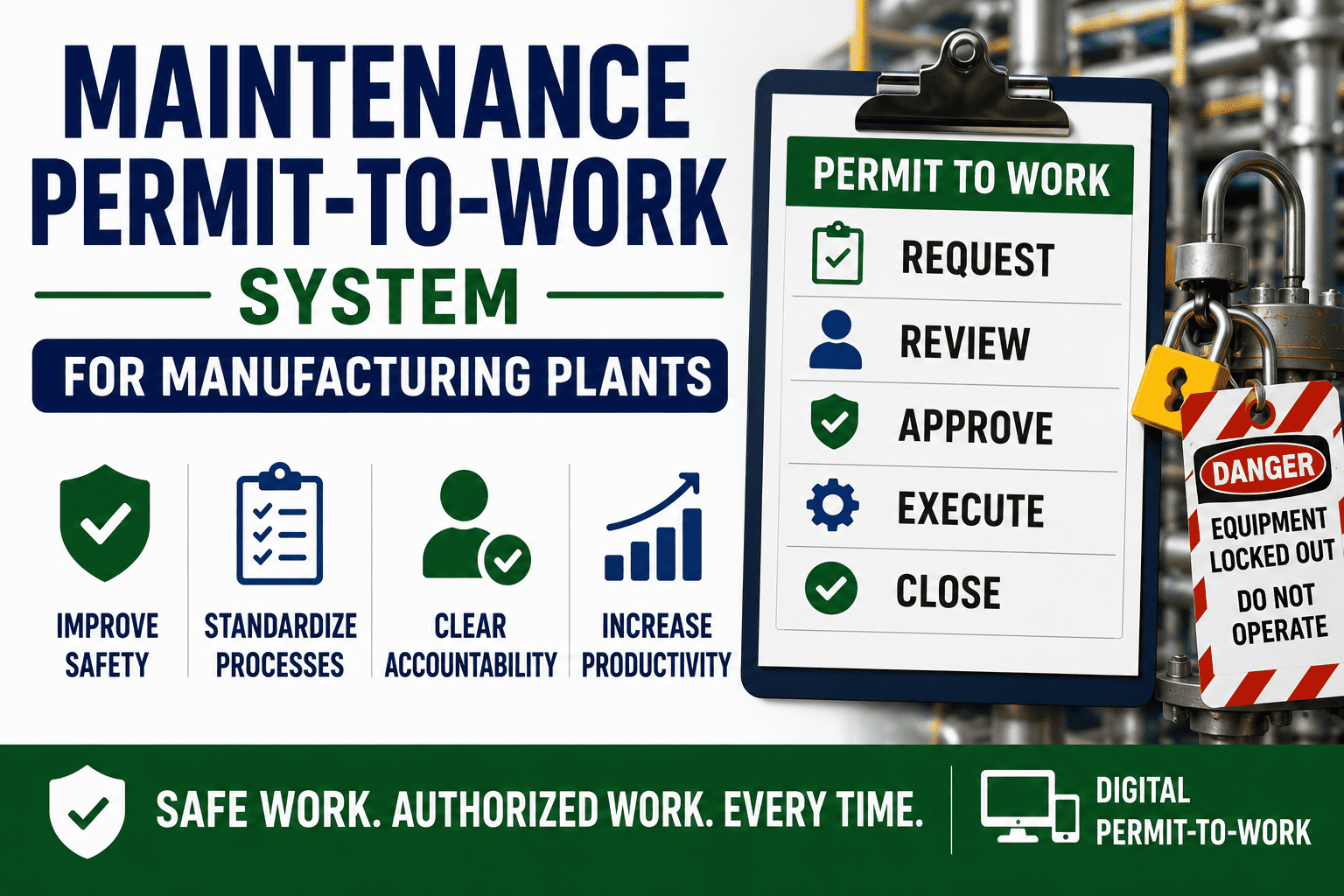
The Hot Work Permit Workflow — From Request to Closeout
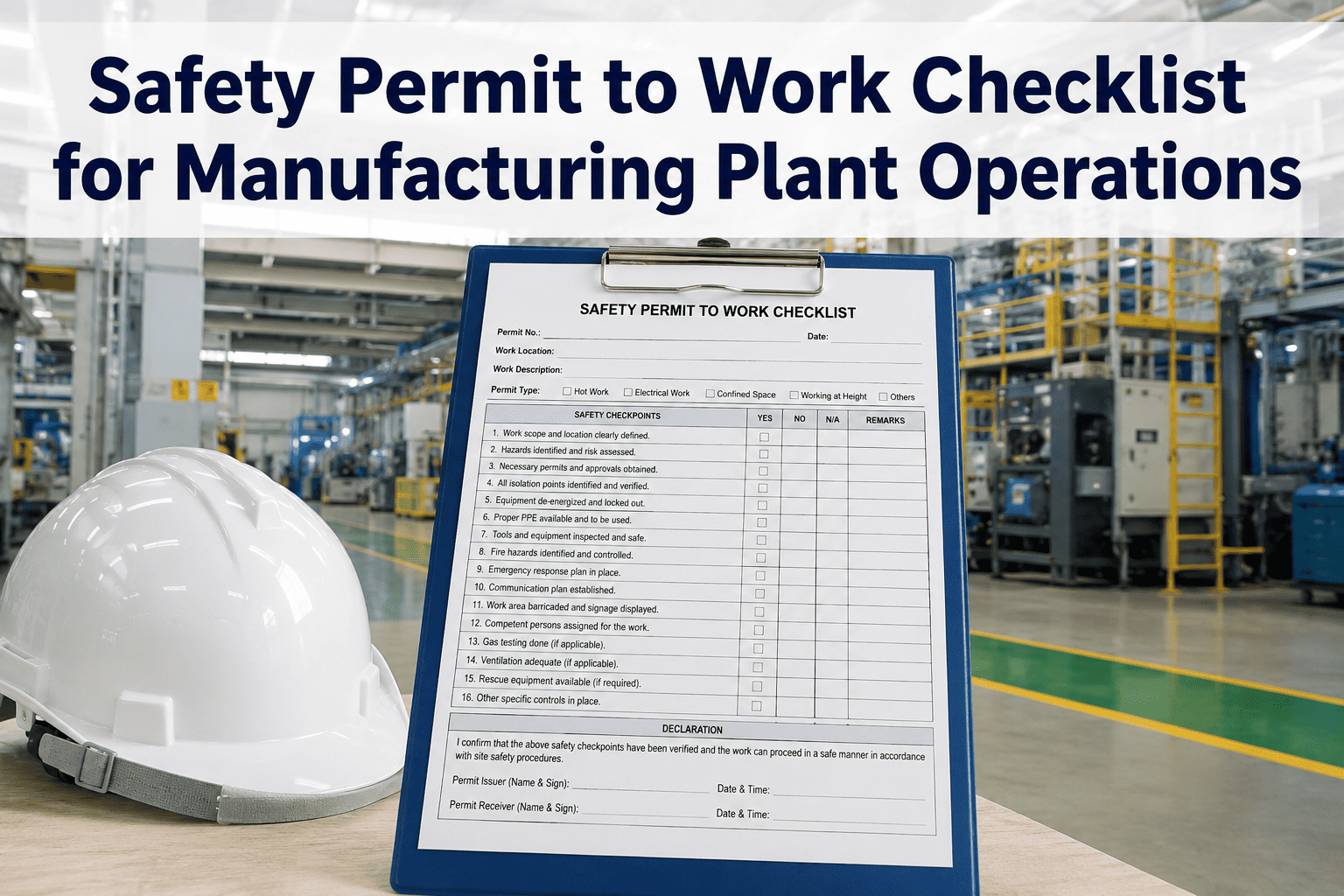
A permit is not a form — it is a workflow that forces verification at every risk point. The strongest programs do not allow hot work to start until every step below has been completed, signed, and posted at the work location.
Fire Watch: The Role That Cannot Be Compromised
More than half of documented hot work fire losses involve a failed or absent fire watch. The fire watch is the last line of defense between a spark and a shutdown — and their duties are specific, non-transferable, and time-bound.
The 10 Most Common Hot Work Fire Ignition Sources
Fire investigators see the same ignition scenarios across industries. Knowing where fires actually start — not just where safety manuals say they start — helps plant teams prioritize their controls.
| Rank | Ignition Source | Why It Happens | Primary Control |
|---|---|---|---|
| 01 | Sparks through wall openings | Cracks, conduit penetrations, and utility passages let sparks reach hidden combustibles | Seal all openings within 35-ft radius before work |
| 02 | Slag falling between floors | Overhead welding drops molten slag through grating, open floors, or cable trays | Tarps, shields, and fire watch positioned below |
| 03 | Oily rags and paper nearby | Common housekeeping failure — combustibles left within 35-ft radius | Complete site walkdown before permit issuance |
| 04 | Smoldering in wall cavities | Sparks lodge in insulation or wood framing and ignite hours after work ends | 60-minute fire watch plus 3-hour extended monitor |
| 05 | Flammable atmospheres | Hot work near fuel vapors, dust clouds, or unpurged tanks | Atmospheric testing before permit; combustible gas meter |
| 06 | Grinding sparks on dust | Metal dust, sawdust, or combustible process residue ignites from abrasive sparks | Housekeeping plus wet-down or vacuum before work |
| 07 | Work on contaminated drums | Welding on containers that held flammables — residual vapors explode | Never weld on used drums until certified cleaned and purged |
| 08 | Sprinklers impaired | Hot work performed while sprinkler system is offline for maintenance | Dedicated fire watch; do not proceed with systems down |
| 09 | Conveyor spark transport | Sparks land on running conveyors and ignite material downstream | Shut down or shield conveyors in spark path |
| 10 | No permit issued | Quick task deemed too small to require a permit — fire starts anyway | No exceptions rule — every spark-producing job gets a permit |
Digitize Every Hot Work Permit in One System
OxMaint turns hot work permits into a digital workflow — request, approval, fire watch tracking, and closeout on one platform. Every permit is timestamped, auditable, and linked to the asset, technician, and location where work happened.
In 28 years of fire investigation, I have never seen a hot work fire where the permit system was actually followed. The fires happen when the permit is a rubber stamp, when the fire watch steps away for lunch, when the 60-minute post-work monitor becomes 10 minutes because the welder is already packing up. Paper permits are the root cause behind most of these shortcuts — they get misplaced, backdated, signed in advance. A digital permit system that timestamps every step, enforces the fire watch clock, and holds the PAI accountable does more to prevent fires than any training class I have delivered. The technology is not the point. The accountability the technology creates is the point.
Paper Permits vs. Digital Permits: Where the Gaps Close
The same hot work program can produce wildly different safety outcomes depending on whether it runs on a clipboard or a connected system. The comparison below is not about technology preference — it is about where accountability lives.
| Capability | Paper Permit System | OxMaint Digital Permit |
|---|---|---|
| Permit Retrieval | Binder in safety office or with supervisor | Searchable by asset, date, technician, or permit status in seconds |
| Fire Watch Timer | Wristwatch and memory | Auto-timestamped start and end; 60-min countdown enforced in app |
| Signature Verification | Physical signatures; easy to backdate | Timestamped digital signoffs with user ID at each step |
| Photo Evidence | Rarely attached; loose in binder | Photos attached directly to permit; zone walkdowns documented |
| Audit Readiness | Manual retrieval of files; gaps common | Audit-ready export with full permit history and timestamps |
| Trend Analysis | Not possible without manual data entry | Reports on permit volume, near-misses, high-risk zones |
| Asset Integration | Separate from work order and asset records | Permit linked to the asset, work order, and maintenance history |
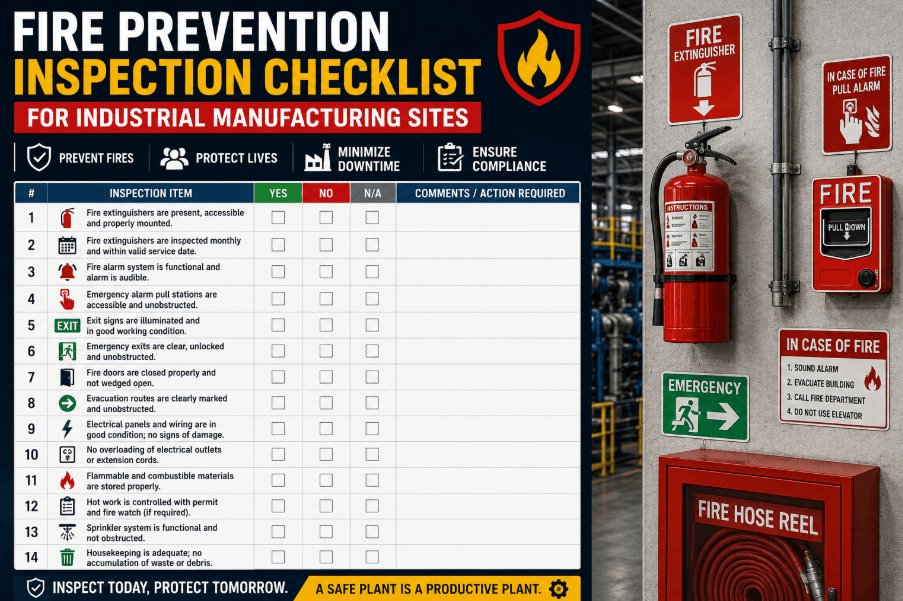
The Pre-Work Fire Prevention Checklist
Every permit should verify these conditions. If any single item is not confirmed, the permit should not be issued. The fastest way to find gaps in your program is to audit a completed permit against this list and see how many items were genuinely checked versus assumed.
Frequently Asked Questions
Does every welding or grinding task really need a hot work permit?
How long must the fire watch remain after hot work is finished?
Can the welder act as their own fire watch for short jobs?
What is the 35-foot rule and does it really matter in open areas?
How long should completed hot work permits be kept on file?
How does OxMaint help with hot work permit management specifically?
Every Permit. Every Fire Watch. Every Audit. In One Place.
OxMaint gives maintenance, operations, and EHS teams a single system for hot work permits, fire watch timing, permit archival, and compliance reporting — so the permit system your program depends on actually gets followed, not just printed.