Industrial pump failures cost manufacturing facilities an average of $180,000 per incident when unplanned downtime, emergency repairs, and lost production are combined. Yet 78% of pump failures are preventable through structured maintenance protocols that most facilities overlook. The gap is not equipment quality — it is the absence of systematic care: no bearing inspection routine, no seal monitoring schedule, no vibration baseline tracking. Facilities that implement comprehensive pump maintenance programs reduce emergency repair costs by 60% and extend pump service life by 3–5 years. Build your pump maintenance program in Oxmaint free and start tracking pump health metrics this week — or book a live demo to see how leading plants structure their pump reliability programs in Oxmaint.
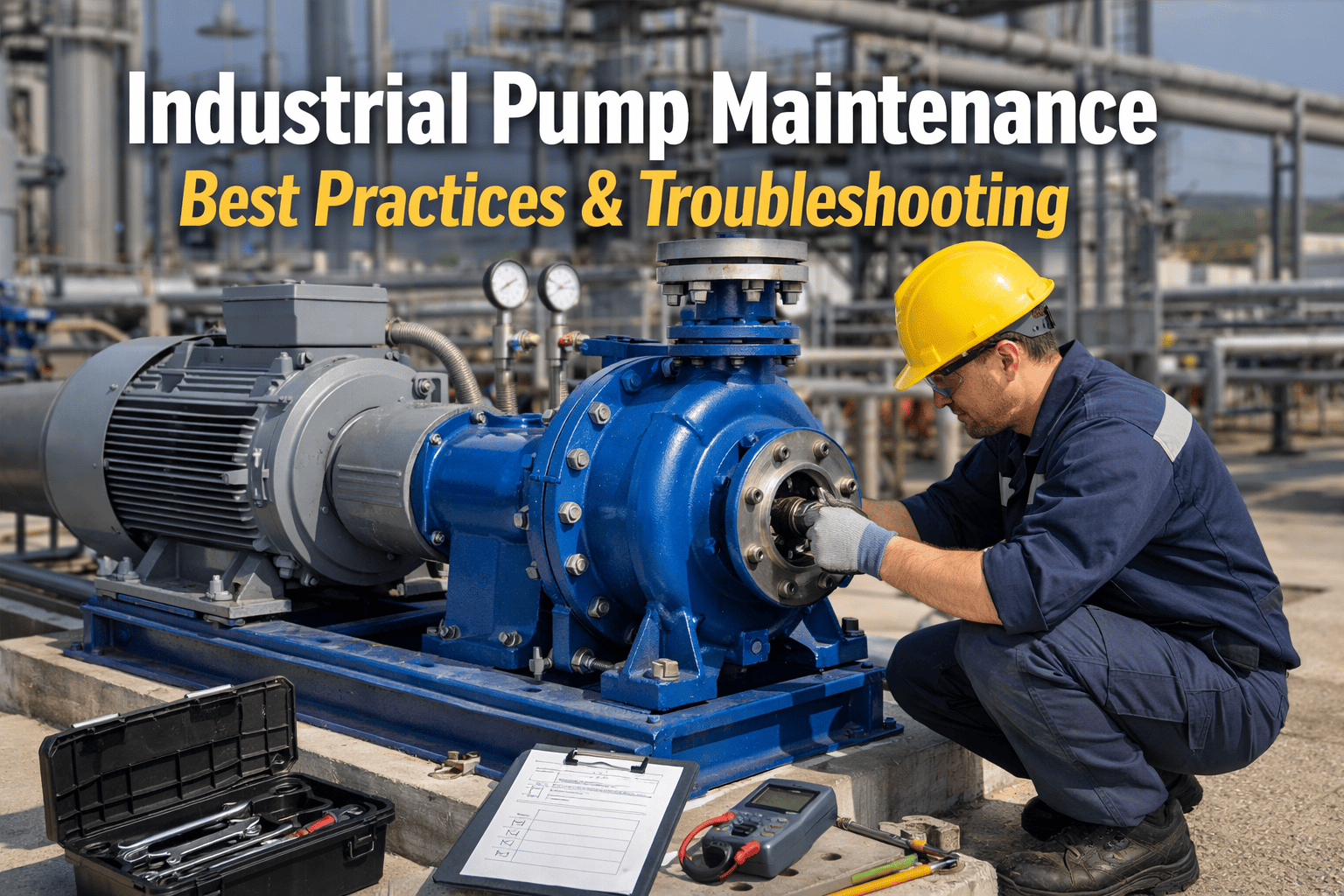
Industrial Pump Maintenance Best Practices & Troubleshooting
Complete maintenance strategies for centrifugal, positive displacement, diaphragm, and gear pumps — with troubleshooting protocols that prevent 78% of common pump failures.
Why Most Industrial Pumps Fail Earlier Than Expected
Industrial pumps are designed to operate for 15 to 25 years under proper maintenance conditions. Yet the average pump in manufacturing facilities is replaced or rebuilt after just 7 to 10 years of service. The primary cause is not equipment defects or operating conditions — it is maintenance neglect concentrated in five critical areas that compound over time.
Maintenance Protocols by Pump Design: Centrifugal, Positive Displacement, Diaphragm, and Gear
Each pump category requires a distinct maintenance approach based on its operating principle and failure modes. Applying a one-size-fits-all checklist across all pump types guarantees critical maintenance steps are missed. Here is how world-class facilities structure maintenance by pump design.
Five Non-Negotiable Pump Maintenance Tasks That Prevent 80% of Failures
When maintenance resources are limited, these five tasks deliver the highest return on time invested. Facilities that execute these consistently achieve pump reliability rates above 98% — compared to the industry average of 85%.
Bearing Lubrication on Schedule
Over-lubrication causes 40% of bearing failures. Under-lubrication causes the other 40%. Use the correct lubricant grade specified by the manufacturer and follow the interval based on pump speed and operating hours — not calendar months. Document every lubrication event with grease gun stroke count and bearing temperature before and after.
Shaft Alignment Verification
Misalignment creates uneven bearing load and accelerates seal wear. Perform laser alignment after any coupling replacement, motor swap, or piping modification. Target offset and angular misalignment within OEM tolerances — typically 0.002 inches or less for pumps above 100 HP. Re-check alignment every 6 months even if no changes were made.
Mechanical Seal Monitoring
Seal failures account for 30% of pump downtime. Monitor seal flush flow rate and temperature daily on critical pumps. Any drop in flush flow or rise in temperature signals impending seal failure. Replace seals at manufacturer-recommended intervals — do not wait for visible leakage. Keep seal replacement kits in stock for all critical pumps.
Vibration Baseline and Trend Tracking
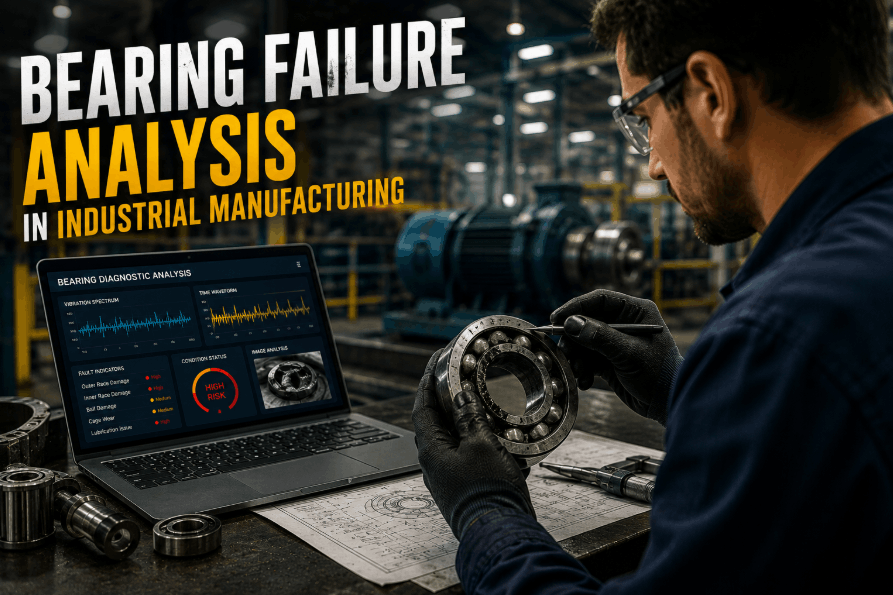
Establish vibration baselines when pumps are new or after overhaul. Measure at bearing housings in three axes — horizontal, vertical, and axial. Any reading that increases by 25% from baseline signals developing problems: imbalance, misalignment, bearing wear, or cavitation. Address root cause immediately before catastrophic failure occurs.
Suction Pressure and NPSH Verification
Cavitation destroys impellers and creates catastrophic bearing loads. Install suction pressure gauges on all centrifugal pumps and verify NPSH available exceeds NPSH required by at least 10%. If suction pressure drops or unusual noise develops, stop the pump immediately and investigate suction line blockage, strainer clogging, or tank level issues.
Track Every Pump Maintenance Task in One System. Never Miss a Critical Inspection Again.
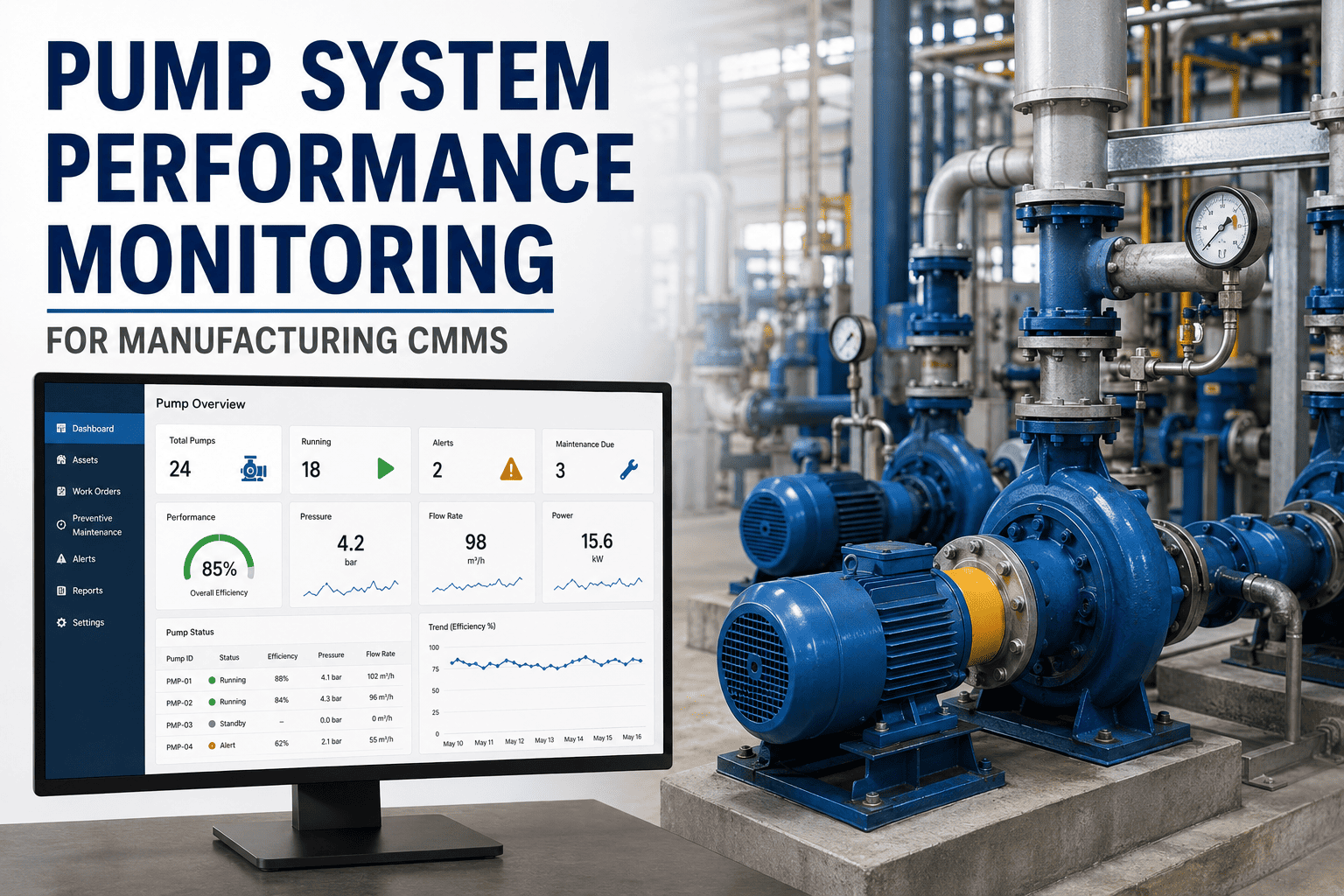
Oxmaint gives you pump-specific PM schedules, mobile task execution, vibration and pressure trend tracking, and seal replacement alerts — all in one platform built for manufacturing reliability teams.
Common Pump Problems, Root Causes, and Immediate Solutions
When pump performance degrades, identifying the root cause quickly prevents minor issues from becoming major failures. This troubleshooting matrix covers the eight most common pump problems and their systematic diagnosis process.
| Symptom | Probable Cause | Diagnostic Check | Corrective Action |
|---|---|---|---|
| Low or No Flow | Cavitation, air ingestion, impeller damage | Check suction pressure, inspect for air leaks, verify impeller clearance | Increase NPSH, seal suction piping, replace impeller if worn |
| High Vibration | Misalignment, imbalance, bearing wear, cavitation | Measure vibration at all bearing points, check alignment, inspect coupling | Realign shaft, balance impeller, replace bearings, fix suction issues |
| Excessive Noise | Cavitation, worn bearings, loose components | Listen for cavitation signature, check bearing condition, inspect mounting | Improve NPSH, replace bearings, tighten all fasteners |
| Seal Leakage | Seal wear, misalignment, improper installation | Inspect seal faces, verify flush flow, check alignment tolerance | Replace seal kit, correct alignment, verify flush system operation |
| High Power Draw | Increased flow, bearing friction, misalignment | Measure actual flow vs design, check bearing temperature, verify alignment | Throttle discharge valve, replace bearings, perform laser alignment |
| Rapid Seal Failure | Dry running, abrasive fluid, excessive vibration | Verify continuous fluid flow, test for particles, measure vibration levels | Install seal flush system, add filtration, solve vibration source |
| Bearing Overheating | Over-lubrication, misalignment, bearing damage | Check grease quantity, verify alignment, inspect bearing condition | Remove excess grease, realign, replace bearings if pitted |
| Reduced Pressure | Worn impeller, internal recirculation, wrong rotation | Measure impeller clearance, verify rotation direction, check wear rings | Replace wear rings, confirm motor rotation, rebuild or replace impeller |
Scroll horizontally to view full table on smaller screens
Using Maintenance Data to Extend Pump Life and Reduce Energy Costs
Pumps that receive reactive maintenance only typically consume 15 to 20% more energy than properly maintained pumps operating at design efficiency. Tracking maintenance history enables three optimization strategies that deliver measurable savings within 90 days of implementation.
Trend Bearing Temperature
Log bearing temperature at every lubrication event. Rising temperature trends indicate developing problems: misalignment, bearing wear, or lubrication degradation. Catching temperature rise early — before vibration increases — prevents 60% of emergency bearing replacements. Replace bearings when temperature exceeds baseline by 15 degrees Fahrenheit consistently.
Monitor Power Consumption
Measure motor current draw monthly and compare to baseline. Increasing current signals internal wear: impeller damage, wear ring erosion, or bearing friction. Every 5% increase in power draw represents approximately 3% efficiency loss. Address root cause before energy waste compounds and internal damage becomes catastrophic.
Track Seal Replacement Intervals
Record seal installation date and operating hours at failure for every pump. Seals failing before manufacturer-rated life indicate operating problems: misalignment, inadequate flush flow, or abrasive contamination. Solve the operating issue before replacing the seal again — otherwise seal life will remain short and costs will stay high.
Frequently Asked Questions About Industrial Pump Maintenance
Stop Reacting to Pump Failures. Build a Preventive Maintenance Program That Works.
Oxmaint gives you pump-specific schedules, mobile inspections, vibration trending, seal monitoring, and failure analysis — everything you need to reduce pump downtime by 60% and extend service life by years.