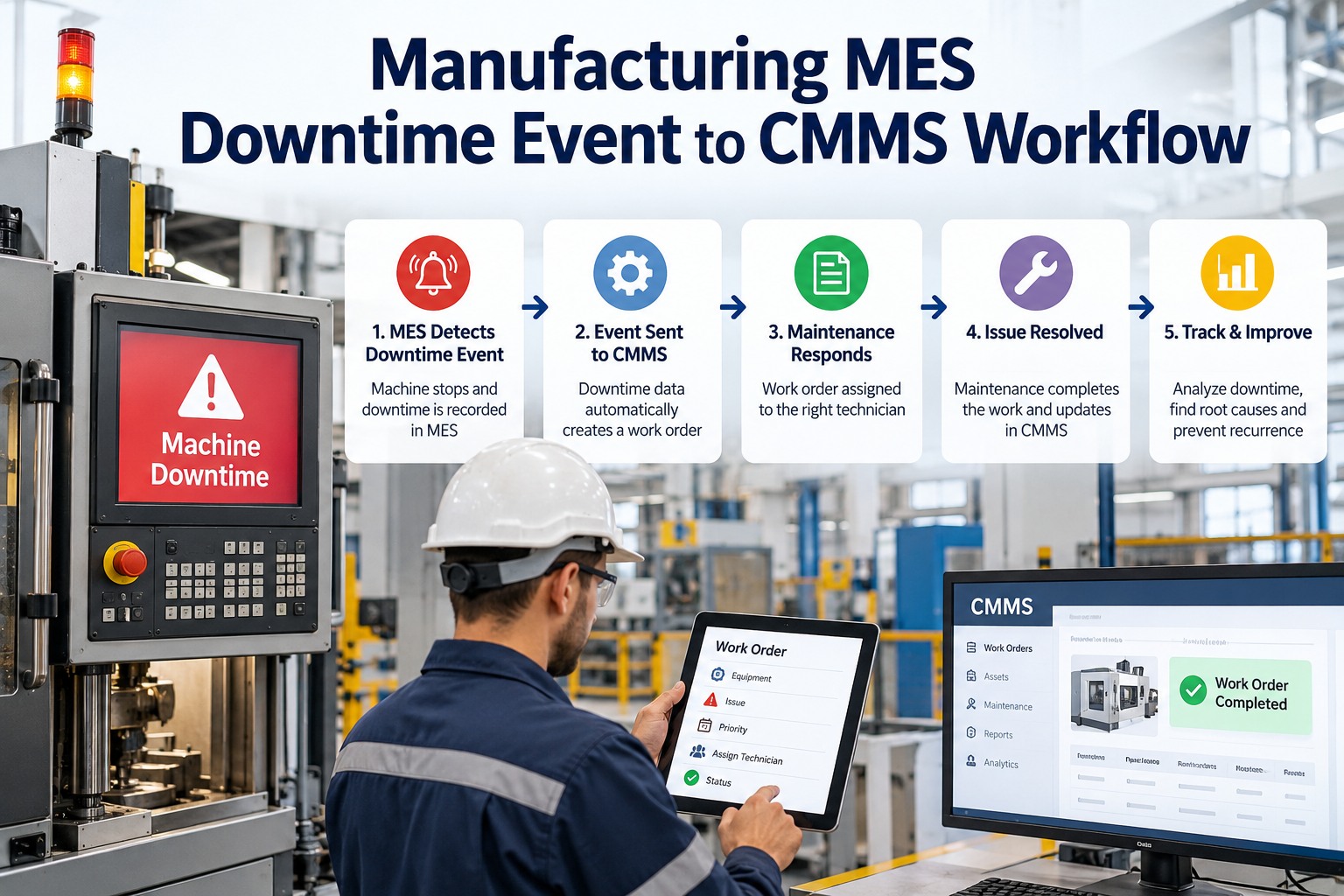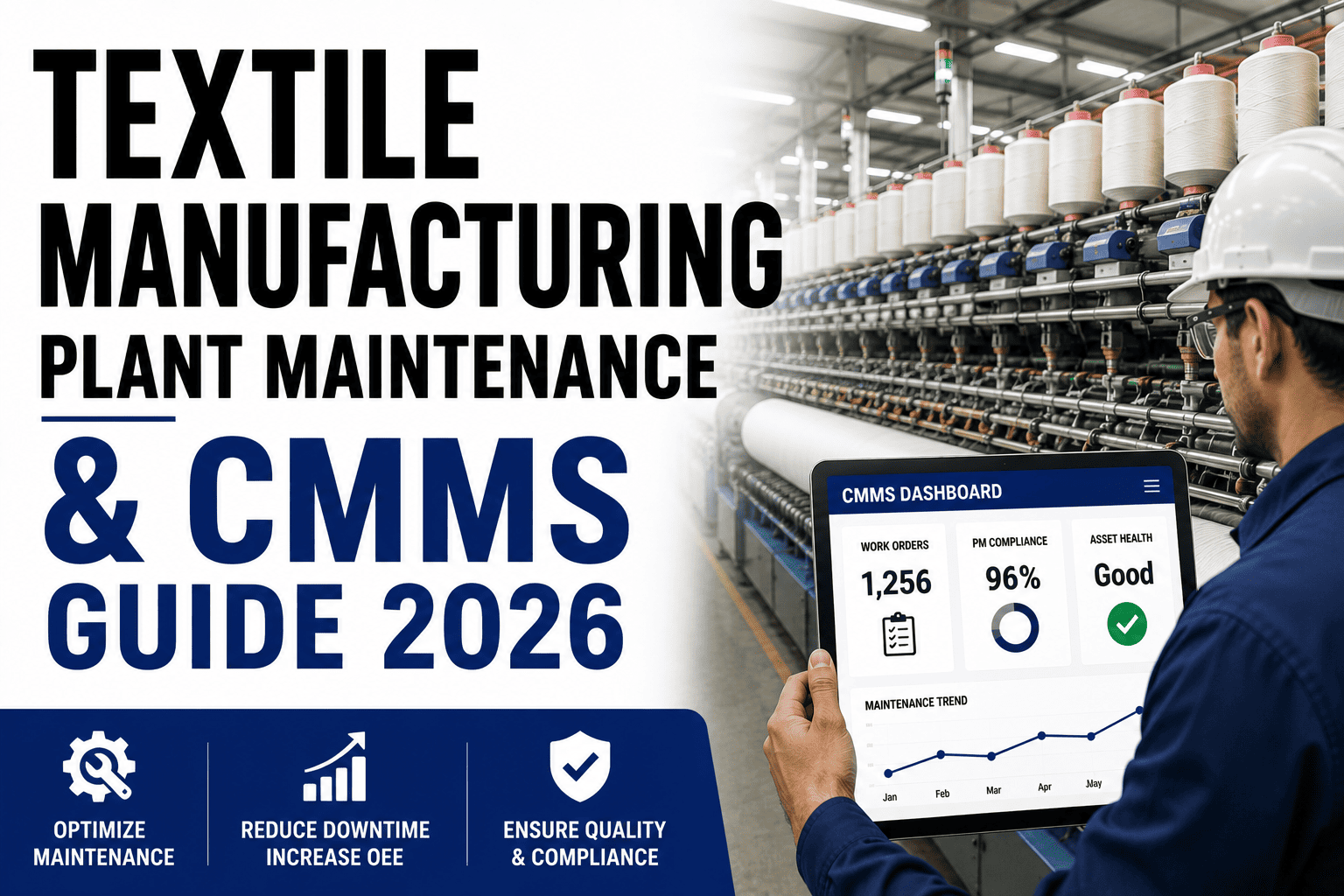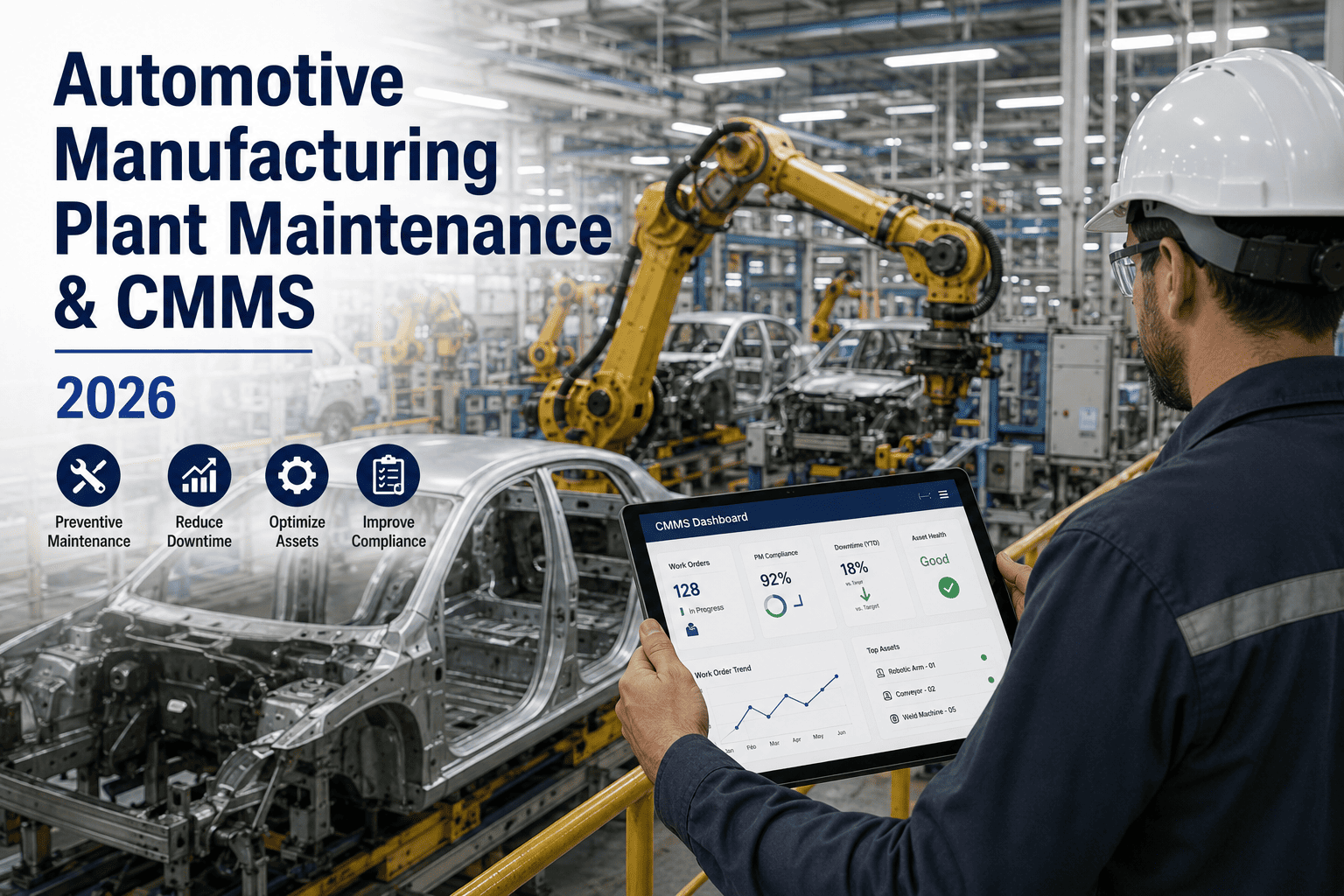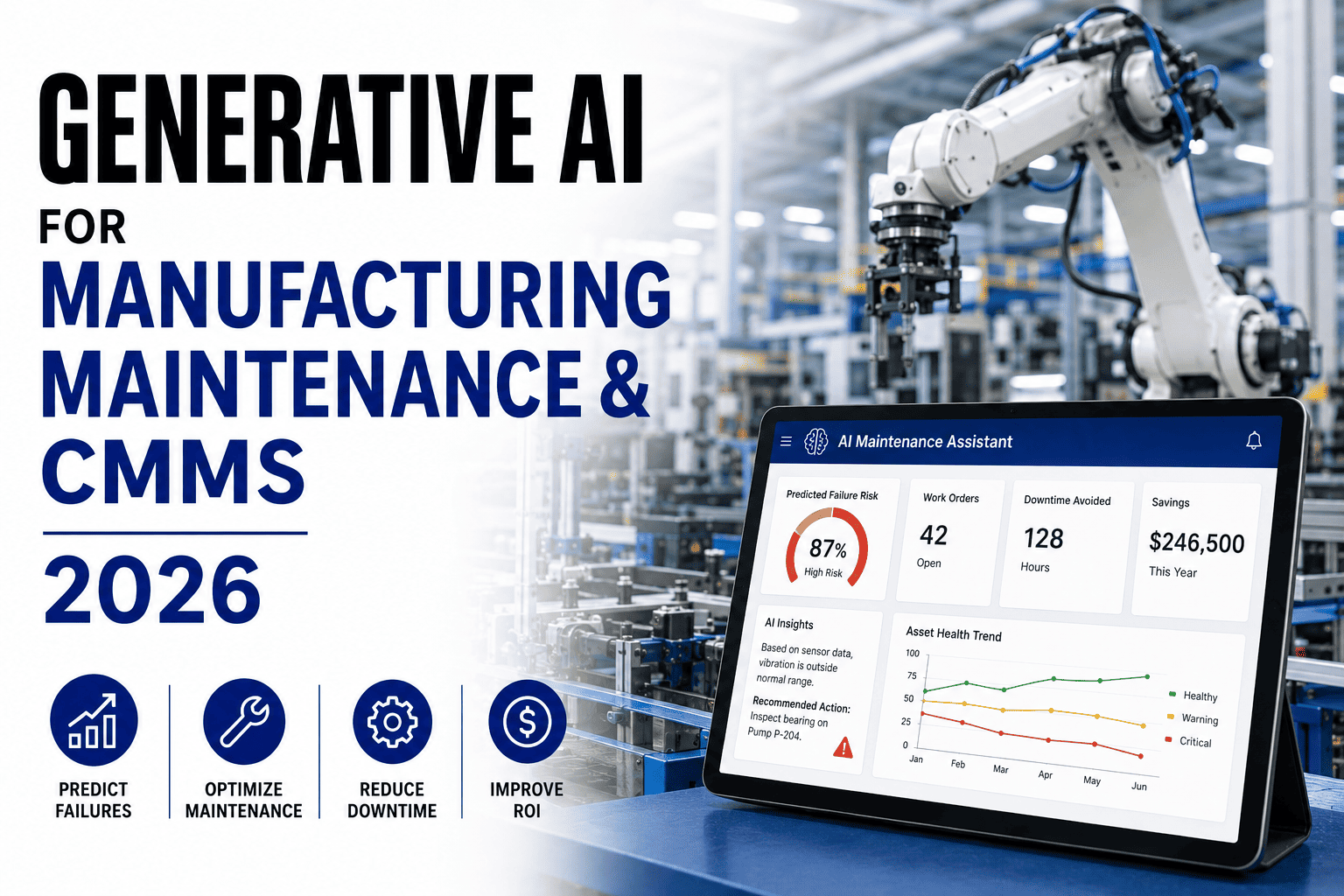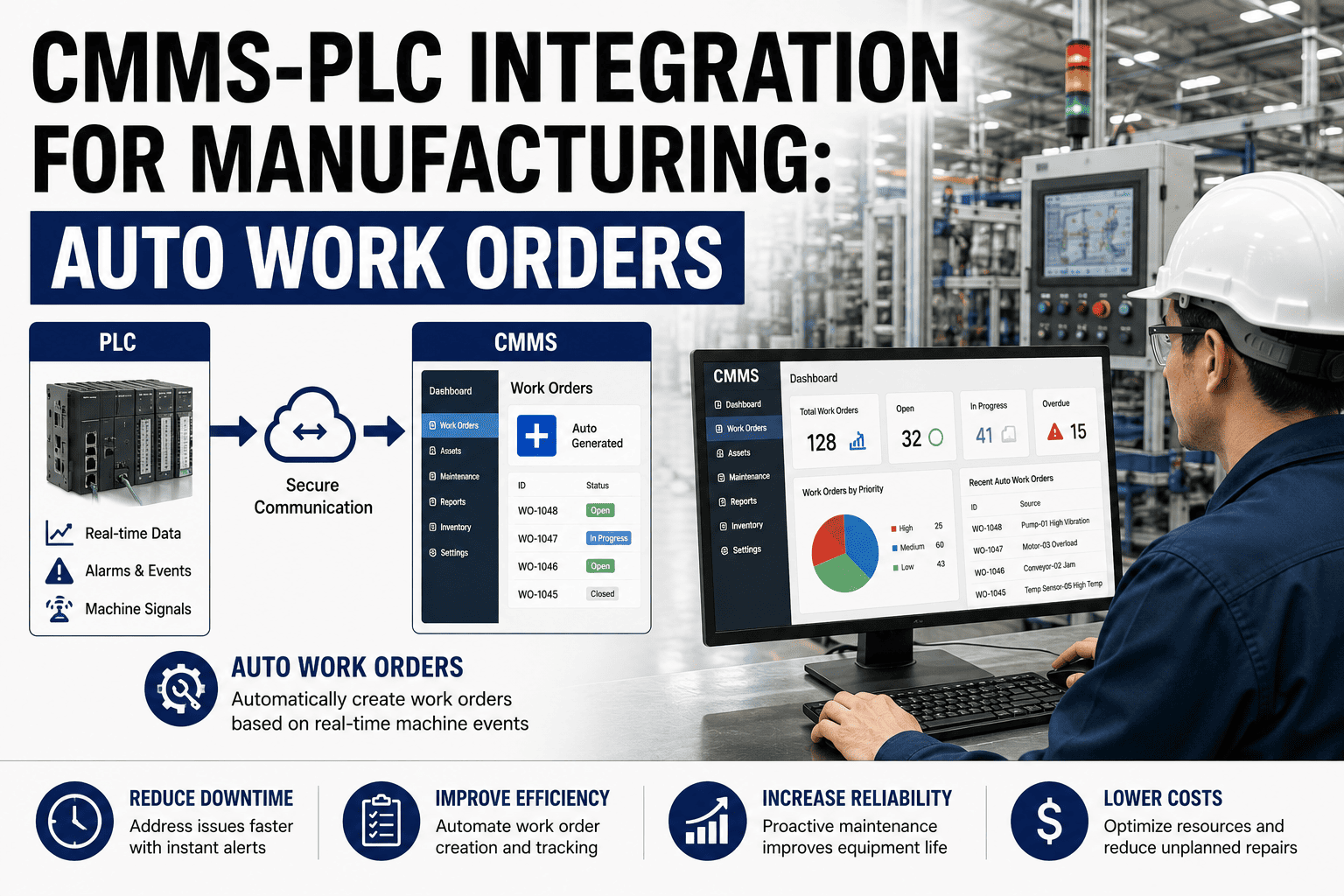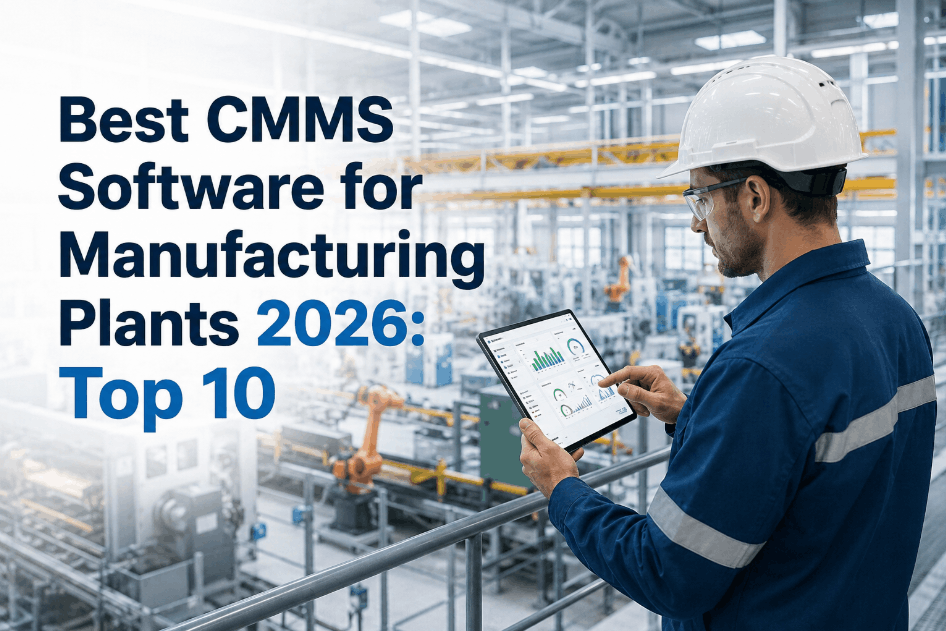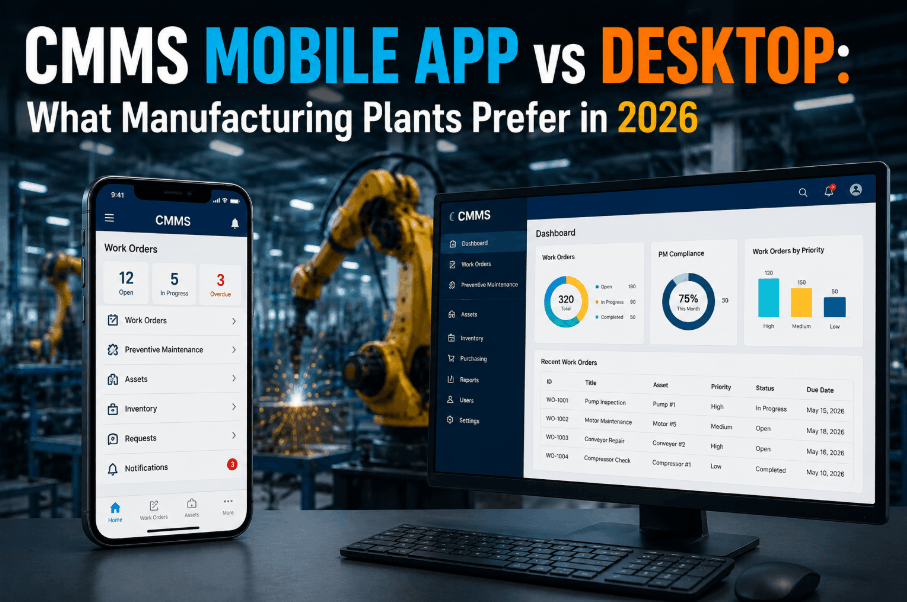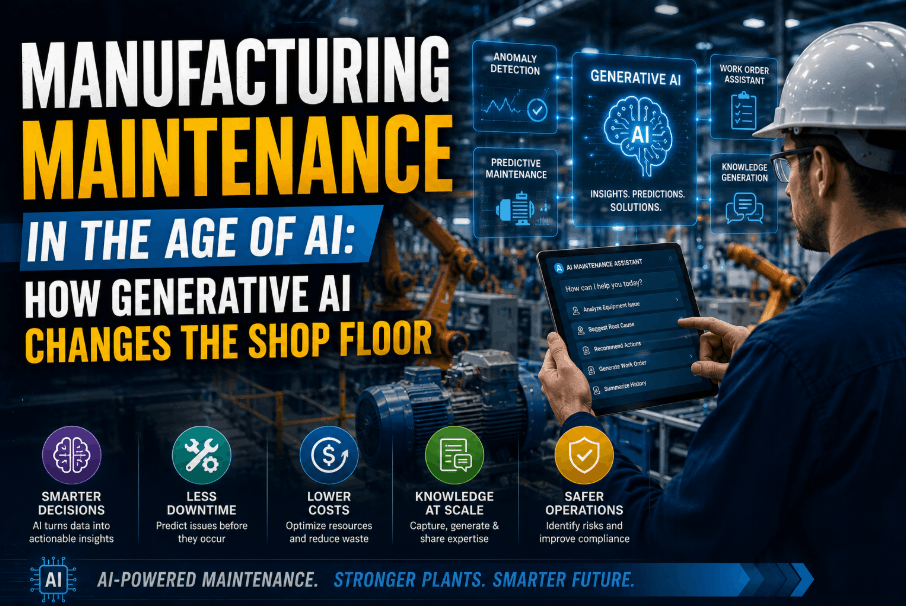
Generative AI is no longer a concept discussed in boardrooms — it is actively changing what happens on the shop floor in 2026. From AI-generated work instructions that adapt to machine history, to fault diagnosis chatbots that guide technicians through root cause analysis in real time, manufacturing maintenance is entering an era where intelligence is embedded into every step of the maintenance workflow. Sign Up Free to see how OxMaint brings generative AI capabilities directly into your CMMS and maintenance operations — without replacing your existing tools or processes.
Put Generative AI to Work in Your Maintenance Operations
OxMaint combines AI-powered work order automation, fault diagnosis assistance, and predictive maintenance into one platform built for manufacturing teams.
Why Generative AI Matters for Manufacturing Maintenance in 2026
The maintenance function in manufacturing has always been information-intensive — yet most of that information has lived in the heads of experienced technicians, in unstructured PDF manuals, or buried inside CMMS records that nobody queries. Generative AI changes the equation by making institutional knowledge accessible, actionable, and adaptive. The result is a maintenance operation that responds faster, trains faster, and fails less.
6 Generative AI Use Cases Changing Manufacturing Maintenance
Generative AI in manufacturing maintenance is not a single feature — it is a layer of intelligence applied across multiple touchpoints in the maintenance workflow. Book a Demo to see which of these capabilities apply to your plant's current maintenance programme.
| Use Case | What AI Does | Maintenance Impact | Productivity Gain |
|---|---|---|---|
| AI Fault Diagnosis Assistant | Analyses sensor data + past work orders to suggest probable fault causes in natural language | Reduces diagnostic time from hours to minutes | 40–60% faster MTTR |
| AI Work Instruction Generation | Auto-generates step-by-step repair procedures adapted to asset age, history, and condition | Eliminates reliance on outdated PDF manuals | 30% reduction in procedural errors |
| Maintenance Chatbot (LLM Interface) | Technicians query CMMS in plain English — "What failed on Line 4 press last quarter?" | Unlocks historical data without SQL or report building | 3–5 hrs/week saved per planner |
| AI Shift Handover Summaries | Generates structured shift reports from open work orders, sensor anomalies, and activity logs | Eliminates handover information loss between shifts | Zero critical tasks missed at shift change |
| Predictive PM Schedule Generation | Recommends PM task frequency adjustments based on equipment runtime and failure pattern analysis | Replaces fixed-interval PM with condition-driven scheduling | 25% reduction in unnecessary PM labour |
| Spare Parts Demand Forecasting | AI forecasts part consumption from failure patterns and upcoming PM schedules | Reduces emergency parts procurement and stockouts | 18–35% reduction in parts carrying cost |
How OxMaint Embeds Generative AI into the CMMS Workflow
OxMaint applies generative AI at the points in the maintenance process where intelligence has the highest impact — not as a standalone chatbot, but as a layer integrated into work orders, asset records, and inspection workflows. Sign Up Free and connect your first asset within 30 days.
When a fault is logged or a sensor anomaly is detected, OxMaint's AI engine queries the asset's maintenance history, open anomalies, and equipment class failure patterns to auto-populate the work order with probable fault classification, recommended repair steps, and required spare parts — before the technician reaches the machine.
Maintenance planners and managers query OxMaint's asset database in plain English — asking for failure trends, overdue work, technician workload, or energy anomalies without building reports. The LLM layer translates intent into structured data queries and returns actionable summaries with links to underlying records.
OxMaint's AI continuously re-evaluates PM schedules based on actual equipment condition, runtime data, and historical failure lead times — recommending interval adjustments that reduce both over-maintenance and under-maintenance. Inspection checklists are dynamically updated based on recent fault patterns for each asset class. Book a Demo to see adaptive scheduling applied to your equipment register.
On the OxMaint mobile app, technicians access an AI assistant that guides fault diagnosis in the field — referencing asset history, suggesting probable causes ranked by likelihood, and displaying manufacturer procedure steps adapted to the current equipment condition. No manual lookup. No waiting for an expert. Sign Up Free to enable mobile AI for your technician team.
The Shop Floor Reality: Where Generative AI Delivers Value First
Not every AI capability delivers value at equal speed. For manufacturing maintenance teams deploying generative AI in 2026, the highest-impact starting points are fault diagnosis assistance and AI-generated work instructions — both deliver measurable improvement within weeks of deployment and require no infrastructure change beyond connecting OxMaint to existing CMMS and sensor data. Book a Demo for a phased implementation plan mapped to your plant's current maturity level.
Connect OxMaint to CMMS history and asset data. AI begins auto-populating work orders with fault classification and repair guidance. Technicians access AI fault diagnosis assistant via mobile app.
Maintenance planners query asset history in natural language. AI generates shift handover summaries. Managers access plain-English maintenance performance reports without report-building.
AI re-evaluates PM intervals based on actual condition data. Spare parts demand forecasting activates. Predictive anomaly detection surfaces failure risks 2–8 weeks before threshold breach.
OxMaint AI Is Ready for Your Manufacturing Plant — No Data Science Team Required
From AI-generated work instructions to predictive anomaly detection, OxMaint brings generative AI to your shop floor maintenance workflow within 30 days of go-live. No sensor replacement. No IT project. First AI-assisted work orders within weeks.
Frequently Asked Questions
Start Your AI Manufacturing Maintenance Journey with OxMaint
Connect your plant assets, activate AI fault diagnosis and work order intelligence, and begin predictive maintenance within 30 days — no sensor replacement, no data science team, no IT project required.