Sixty percent of wastewater discharge non-compliance incidents trace back to inadequate maintenance intervals, not equipment that was fundamentally unfit for the job — and the average violation runs around $37,500, before counting the cost of the actual downtime. On the process water side, industrial pump failures cost manufacturing facilities an average of $180,000 per incident once you combine unplanned downtime, emergency repairs and lost production — and roughly 78% of those failures are preventable with structured maintenance. Water and wastewater equipment doesn't fail randomly: bearings wear on a curve, chemical dosing pumps drift out of calibration, aeration diffusers foul gradually. Catching those signals early is the difference between a scheduled repair and an emergency call at 2 a.m. with a permit violation on the line. This guide breaks down the equipment, the early warning signs, and how OXMAINT AI connects condition monitoring to the work order that actually gets it fixed.
Manufacturing · Water & Wastewater Systems · Equipment Maintenance · 2026
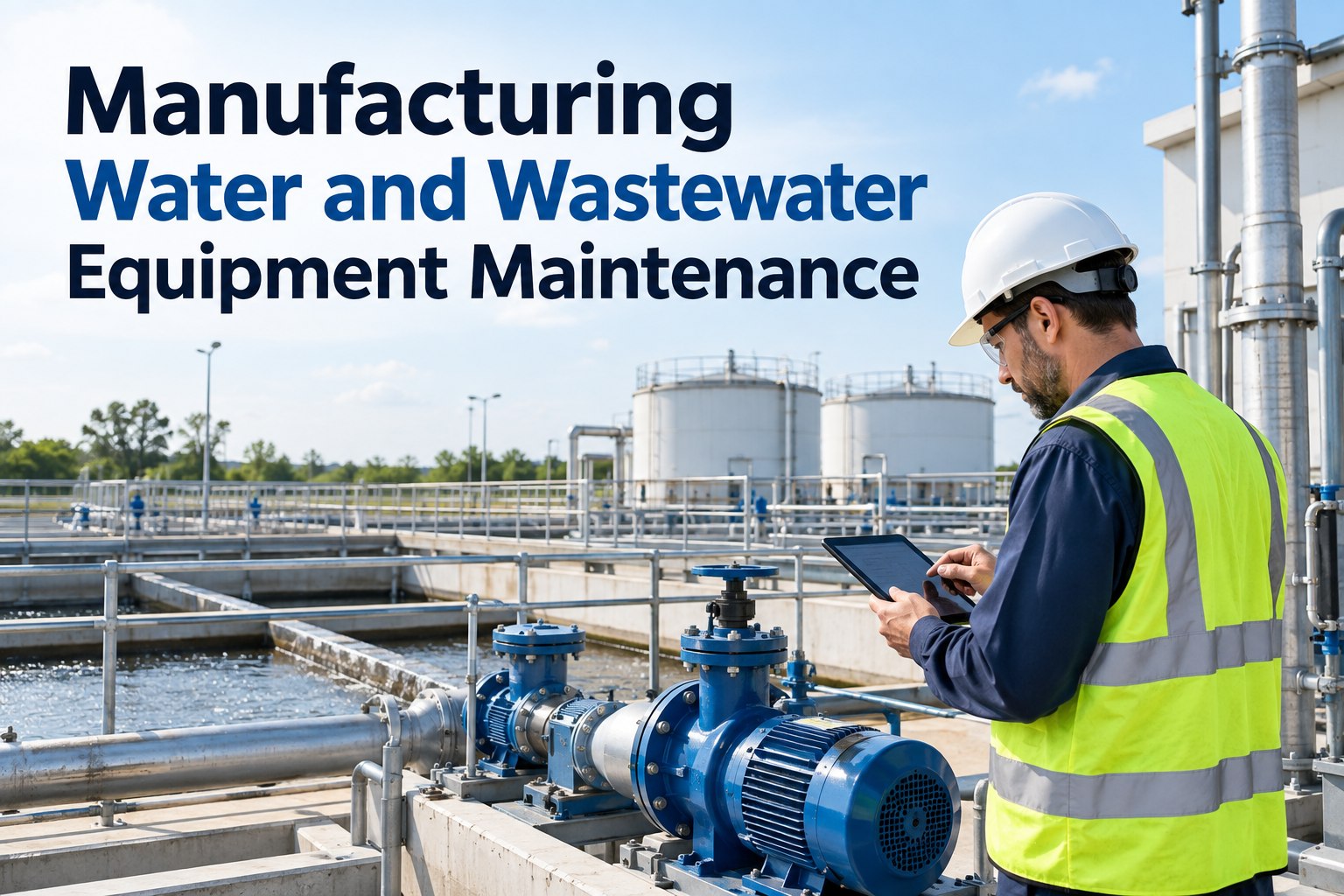
Manufacturing Water and Wastewater Equipment Maintenance
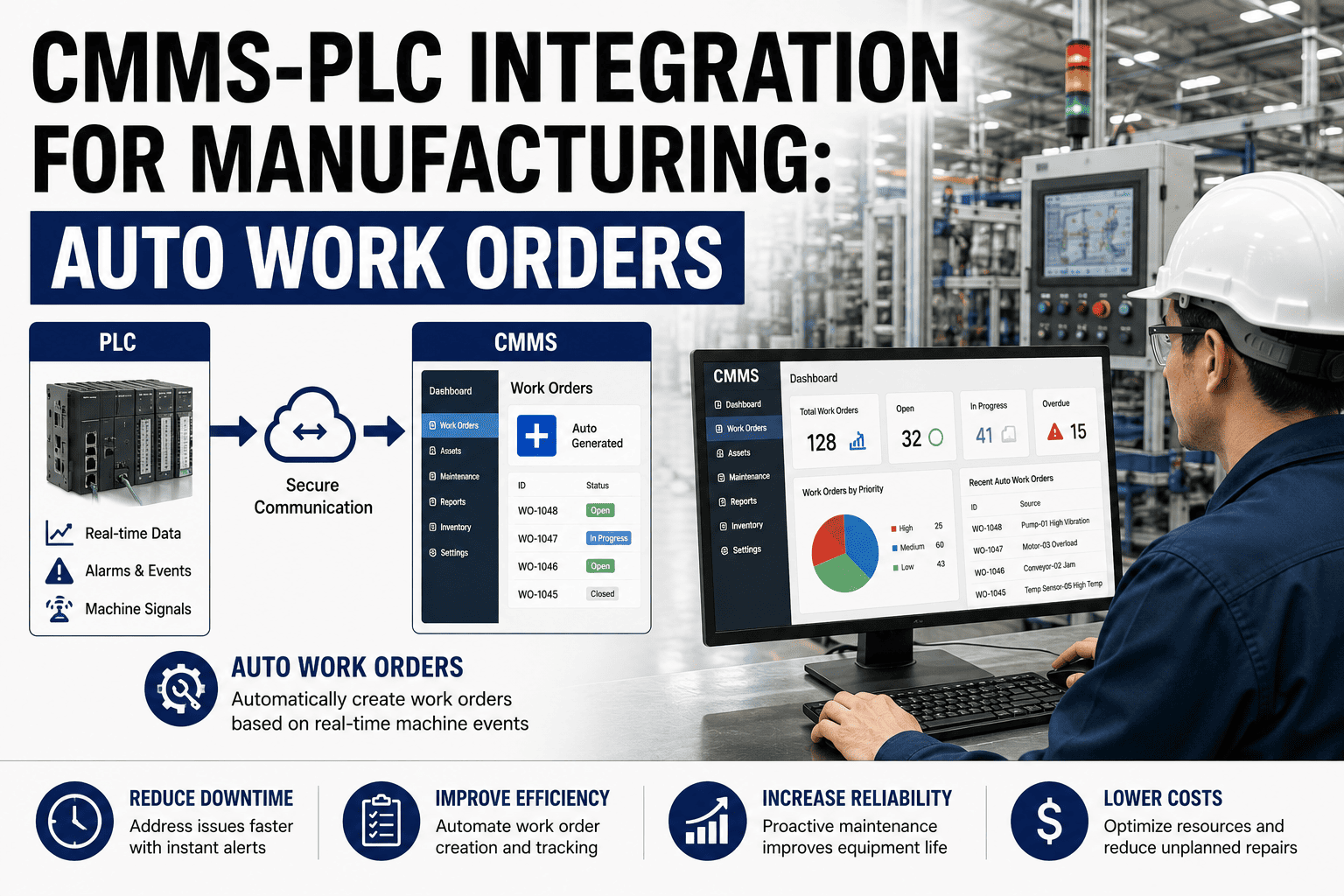
A clarifier running high on sludge blanket depth or a dosing pump drifting off calibration doesn't announce itself — it shows up first as a small deviation, then as a discharge violation or an emergency shutdown. OXMAINT AI connects the workflow behind your water and wastewater equipment: inspections and condition readings log against the specific asset, any deviation becomes a tracked work order, and the preventive maintenance schedule adjusts based on what's actually happening — not a fixed calendar interval.
Inspection / Condition Reading
→
Deviation Logged
→
Work Order Created
→
PM Schedule Updated
60%
of wastewater discharge non-compliance incidents traced to inadequate maintenance intervals
$37,500
average cost of a single wastewater discharge violation
$180K
average cost of one unplanned industrial pump failure in manufacturing
78%
of pump failures are preventable through structured maintenance protocols
The Equipment Behind Every Compliant Discharge
A water or wastewater system is really a chain of mechanical, chemical and biological subsystems, and a failure anywhere in that chain shows up downstream — sometimes as a permit violation, sometimes as a production stoppage. Sign up free and start tracking condition readings across your treatment equipment today.
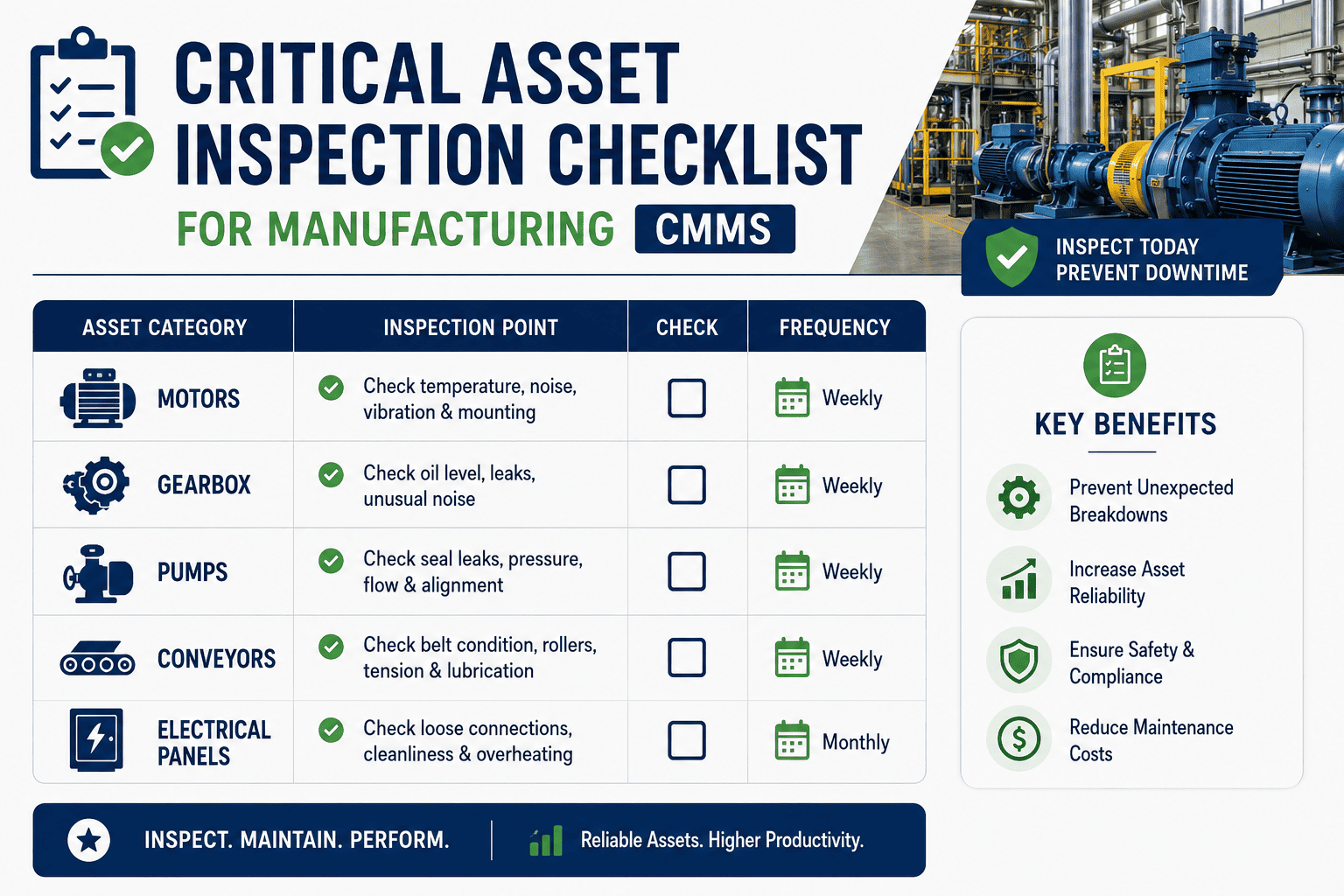
Water & Wastewater Equipment Maintenance Reference
Where Maintenance Gaps Turn Into Violations
📉
Calendar-Only PM
A dosing pump gets calibrated on a fixed monthly schedule regardless of actual drift — it can be three weeks out of tolerance before the next check catches it.
📋
Paper-Based Logs
Daily pH and flow readings recorded on a clipboard are hard to trend — a slow drift over two weeks doesn't jump out the way it would on a chart.
🔗
Readings Disconnected From Work Orders
An operator notices a deviation and logs it — but nothing automatically routes it to maintenance until someone escalates it separately.
⏱
Slow Response to Alarms
A critical system alarm needs a fast response window, but without a clear escalation path, it can sit unacknowledged past the point where it still mattered.
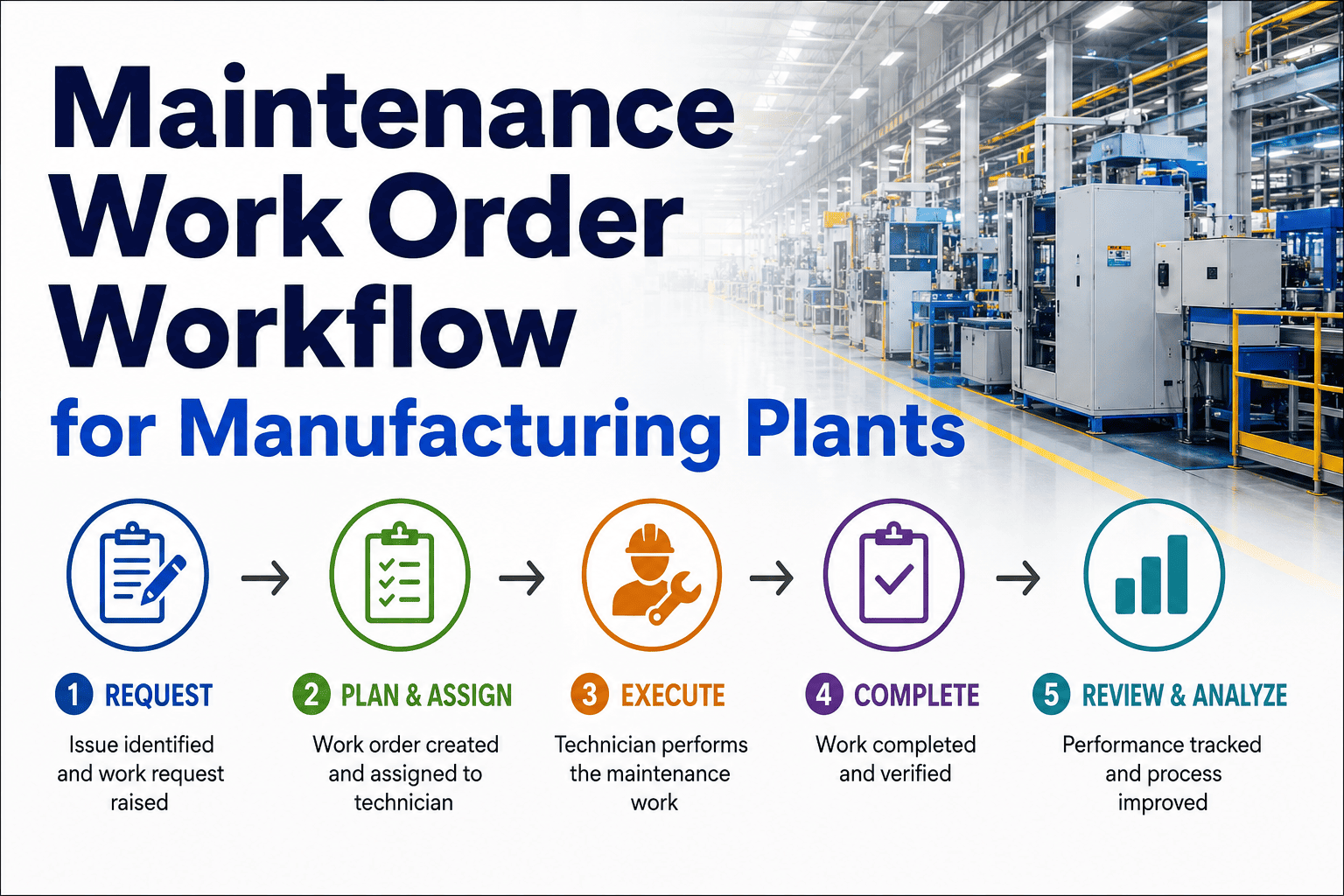
From Condition Signal to Closed Work Order
1
Reading taken
Daily or continuous monitoring reading — pH, DO, vibration, differential pressure — recorded for the asset.
→
2
Deviation detected
Reading compared against the asset's normal range, flagged automatically if it drifts out of tolerance.
→
3
Work order created
A corrective work order routes to the assigned technician, with the deviation and asset history attached.
→
4
Repair completed
Technician logs the fix, parts used and any follow-up needed directly against the asset record.
→
5
PM schedule updated
The asset's preventive maintenance interval adjusts based on the actual failure and repair, not a static calendar date.
A Daily Reading With No Trend Line Is Just a Number on a Clipboard.
OXMAINT AI tracks every reading against the asset's history, so a slow drift shows up as a trend — not a surprise on the day it crosses a permit limit.
Reactive Maintenance vs. Condition-Based OXMAINT AI Workflow
Reactive, Calendar-Only Maintenance
Equipment serviced on a fixed schedule regardless of actual condition
Daily readings logged on paper, hard to trend over time
Deviations noticed but not automatically routed to a work order
First sign of trouble is often the violation or the failure itself
Condition-Based OXMAINT AI Workflow
PM frequency adjusts based on actual condition trends per asset
Every reading logged digitally and trended automatically
A deviation creates a work order the moment it's out of tolerance
Drift is caught and corrected before it becomes a violation
What OXMAINT AI Gives Manufacturing Facilities & Utilities Teams
Digital Condition Logging
pH, dissolved oxygen, vibration, flow and differential pressure readings logged against the specific asset, not a general log sheet.
Automatic Deviation Alerts
Readings that drift outside an asset's normal range flag automatically, instead of waiting for someone to notice a pattern.
Deviation-to-Work-Order Routing
A flagged deviation becomes a work order automatically, assigned to the right technician with the asset's history attached.
Condition-Based PM Scheduling
Preventive maintenance intervals adjust from actual asset condition and repair history, not a fixed calendar date.
Cross-Equipment Asset Register
Pumps, clarifiers, blowers, dosing systems, filters and valves all tracked in one asset register instead of separate spreadsheets.
Exportable Maintenance Records
Pull any asset's inspection, deviation and repair history for a given date range in minutes when it's needed.
"
Our dosing pump calibration used to run on a fixed monthly schedule, and twice we caught drift only because the effluent pH had already moved outside range. Once we started logging daily readings digitally, the trend was visible almost two weeks before it would have crossed our limit — the work order was created automatically and the technician had it recalibrated the same afternoon. We haven't had a pH-related deviation since we moved off the clipboard.
Environmental & Utilities Manager · Industrial Manufacturing Facility
Frequently Asked Questions
What's the most common cause of water/wastewater equipment failure in manufacturing?
Bearing wear on pumps and blowers is among the most common mechanical failure modes, while on the process side, calibration drift on chemical dosing systems is a frequent cause of discharge deviations — both are typically caught early through routine condition monitoring.
How often should daily monitoring readings be taken?
Critical parameters like effluent pH, dissolved oxygen and flow rate are commonly checked daily at minimum, since these shift quickly with production changes. Mechanical condition indicators like vibration are typically checked weekly to monthly depending on the asset's criticality.
Do we need to replace our existing SCADA or monitoring system to use OXMAINT AI?
No. OXMAINT AI connects to existing SCADA and monitoring systems via open API and runs the work order, deviation-tracking and PM scheduling layer behind whatever sensors and control systems you already have in place.
How does condition-based PM scheduling differ from a fixed calendar schedule?
A fixed calendar schedule services an asset at the same interval regardless of how it's actually performing. Condition-based scheduling adjusts that interval based on real readings and repair history, so an asset trending toward failure gets attention sooner, and a stable asset isn't serviced unnecessarily.
Catch the Drift Before It's a Violation.
Every reading your team already takes can trend automatically, flag a deviation, and route straight to a work order — before it costs a permit violation or an emergency repair. That's the workflow OXMAINT AI runs.