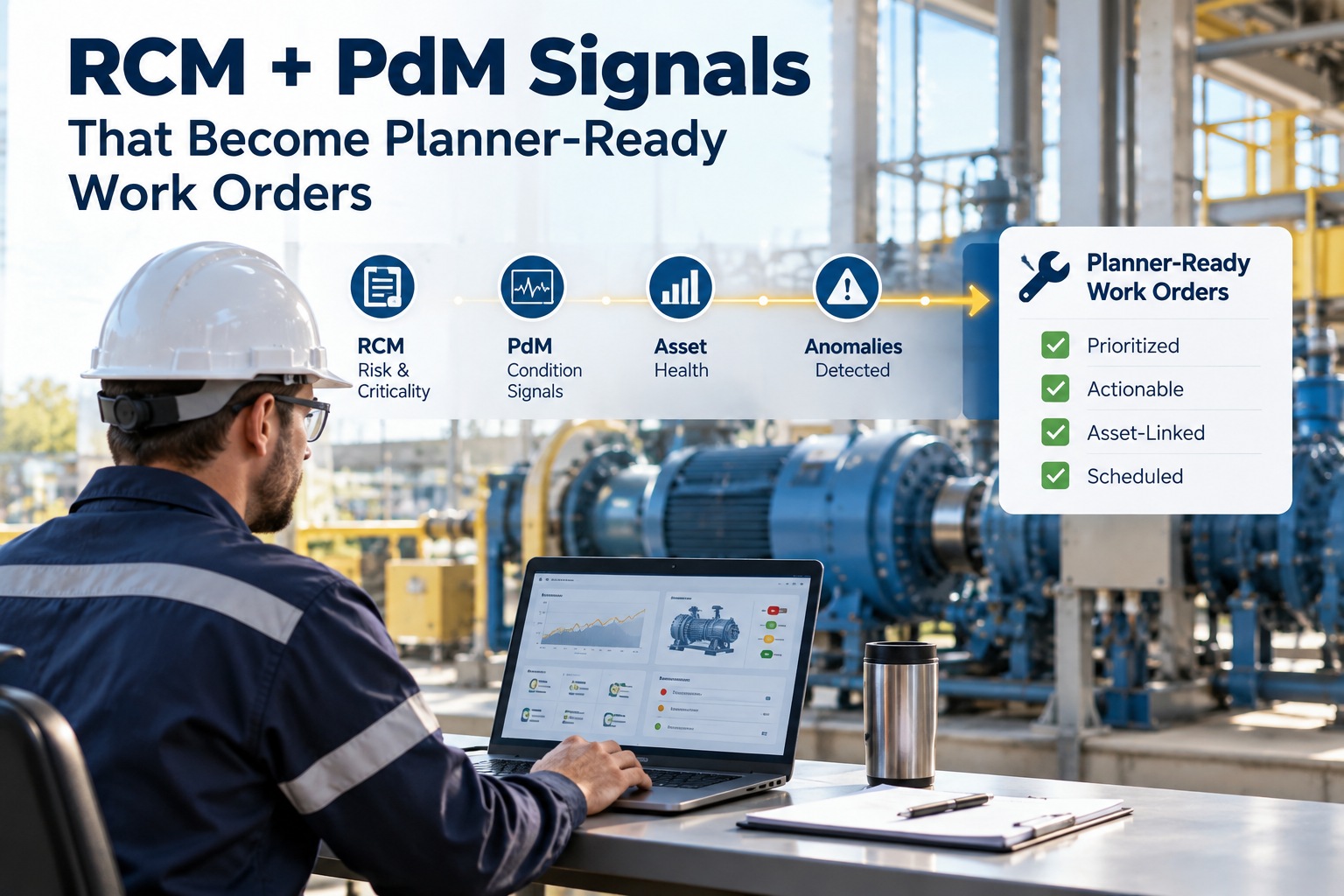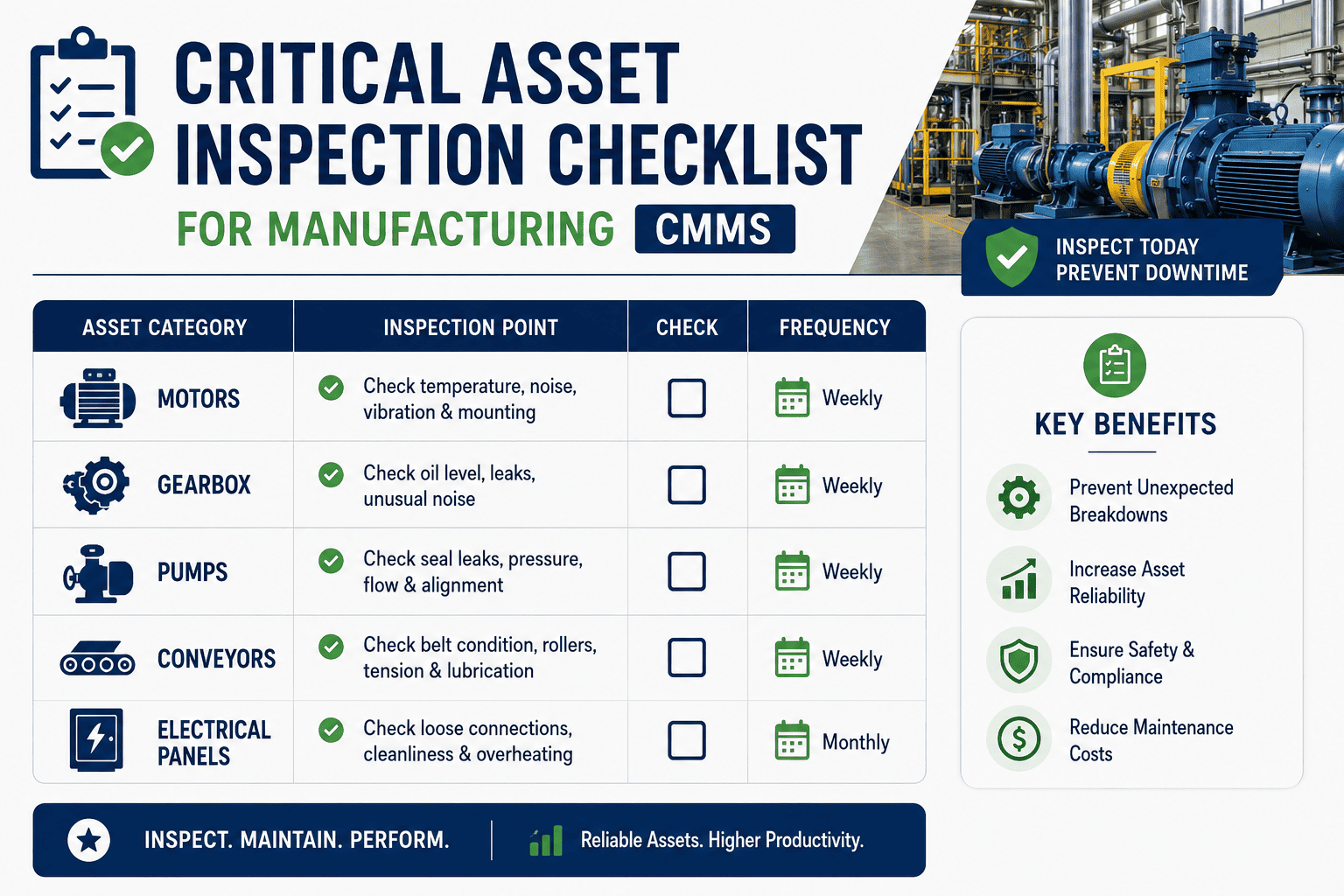
A vibration sensor on a motor is only worth installing if the number it produces actually reaches someone who can act on it. Most manufacturing plants that "have predictive maintenance" really have a sensor feed nobody checks daily, a dashboard three people have access to, and a maintenance team still finding out about failures the old way — when the machine stops. Predictive maintenance isn't a sensor purchase; it's a strategy connecting condition data to a work order before the failure happens. This guide walks through how to build that strategy — what to monitor, how a signal becomes a work order, and how to avoid buying sensors that never change anyone's Monday — using OXMAINT AI, the AI-powered CMMS that turns a condition signal into a prioritized work order automatically.
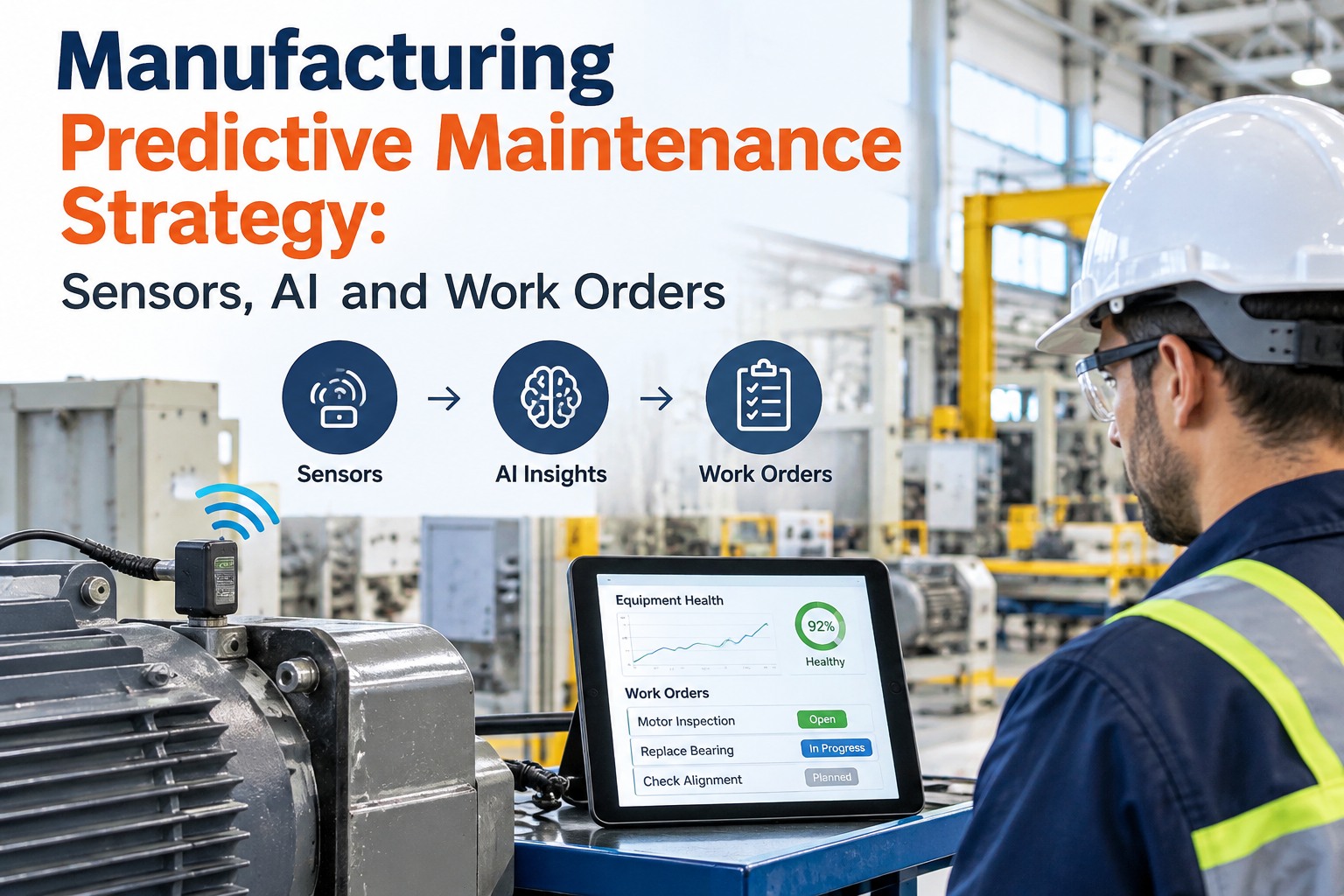
Manufacturing Predictive Maintenance Strategy: Sensors, AI and Work Orders
A sensor reading that sits in a dashboard nobody opens isn't predictive maintenance — it's just more data. OXMAINT AI closes that gap: condition signals from vibration, temperature or current sensors feed directly into the same platform where maintenance requests and inspections already live, a reading that breaks from an asset's own pattern opens a defect automatically, and that defect converts into a prioritized work order with the trend attached — so the technician acting on it has the full picture, not just an alert.
Why a Sensor Feed Isn't a Strategy
Plenty of plants have condition-monitoring hardware installed and still get surprised by failures. The gap usually isn't the sensor — it's everything downstream of it: no defined threshold, no one assigned to review the reading, no connection between the alert and an actual work order. Start free and connect your existing sensors to OXMAINT AI.
- Readings feed a dashboard that only gets checked occasionally
- No defined threshold for what actually counts as abnormal on this asset
- An alert doesn't automatically become a work order — someone has to notice and act
- Sensor data lives in a separate system from the maintenance record
- A caught anomaly isn't logged against the asset's history for next time
- Readings logged directly against the asset's own record and history
- Thresholds set per asset, based on its own baseline, not a generic number
- A confirmed anomaly opens a defect and drafts a work order automatically
- Sensor data and maintenance history live on the same asset record
- Every caught anomaly adds to the pattern the next reading gets judged against
The Predictive Maintenance Pipeline
Predictive maintenance is four steps happening in sequence, not one algorithm making a decision in isolation. OXMAINT AI runs this pipeline against the same asset record every time a new reading comes in. Book a demo to see this pipeline run on your own equipment.
Choosing What to Monitor
Not every asset justifies a sensor. The decision should follow the cost of failure and how predictable that failure actually is — not simply which sensors are cheapest to buy. Sign up free and map your own asset priorities in OXMAINT AI.
| Asset situation | Likely fit | Why |
|---|---|---|
| High-cost failure, detectable early | Condition-based monitoring | A sensor pays for itself if it catches a failure with real warning time |
| Moderate cost, age-related wear | Time-based PM | A fixed interval based on service history often works fine without added sensors |
| Low-cost, easily replaced | Run-to-failure | Monitoring a cheap, low-consequence part usually costs more than it saves |
| High-cost, no early warning signal | Redesign or inspection-based | If nothing detects it early, a sensor alone won't fix the underlying risk |
A Reading Nobody Acts On Isn't Predictive Maintenance.
The value of a sensor isn't the data point — it's the work order that data point turns into before the failure happens. OXMAINT AI makes that conversion automatic, every time.
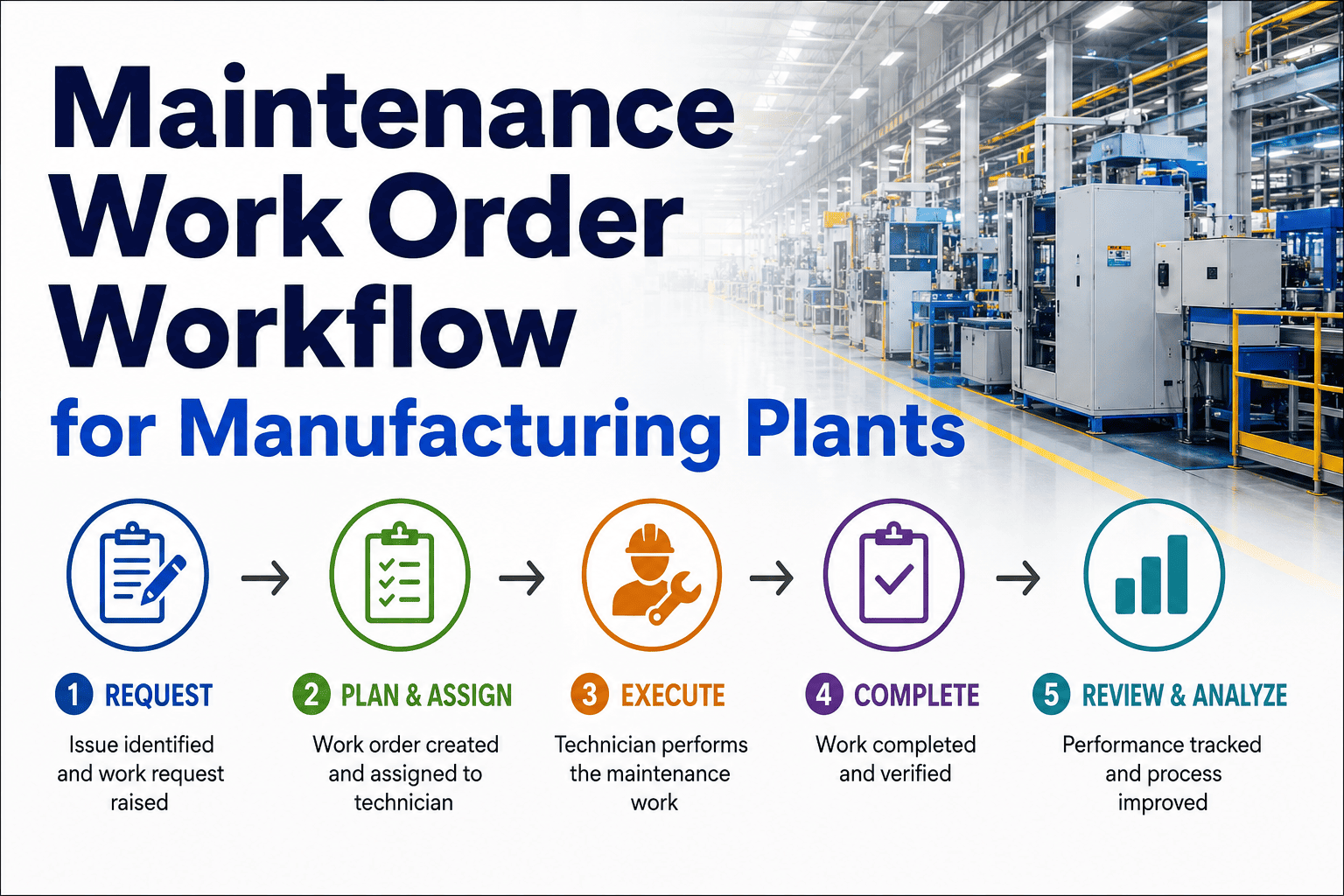
One Signal, Start to Close
Here's how a single condition signal actually moves through OXMAINT AI. Book a demo to see this on your own production line.
Sensor Dashboard Alone vs. Connected Workflow
| What matters | Dashboard only | Sensors + OXMAINT AI |
|---|---|---|
| Who has to notice the alert | Someone checking the dashboard | No one — a defect opens automatically |
| Threshold basis | Often a generic default | This asset's own baseline |
| Path from alert to repair | Manual — someone has to create the work order | Auto-drafted with trend data attached |
| Sensor data and maintenance history | Two separate systems | One asset record |
| Learning from a past catch | Rarely reviewed after the fact | Becomes part of that asset's ongoing baseline |
Frequently Asked Questions
Turn Every Sensor Reading Into a Work Order Someone Actually Acts On.
Connect condition signals to the same platform where your maintenance requests and inspections already live — and let a confirmed anomaly draft its own prioritized work order.