Compressed air is the most expensive utility in most manufacturing plants — yet up to 30% of it leaks straight to atmosphere without ever doing useful work. A structured pneumatic system maintenance program combines ultrasonic air leak detection, scheduled compressor PM, filter and dryer service, and distribution audits to convert that waste into direct dollar savings. For a mid-sized 180-asset plant spending $42K/yr on compressed air, a disciplined air system maintenance routine can recover $8K–$12K annually while extending equipment life. OxMaint's AI-powered CMMS routes every leak survey, work order and PM trigger into one platform — Start Free Trial and see your compressed air efficiency climb within the first quarter.
PNEUMATIC & COMPRESSED AIR GUIDE
Is 30% of your compressed air budget leaking into thin air?
Most plants lose a quarter to a third of generated compressed air to undetected leaks, clogged filters and failing dryers — wasting tens of thousands of dollars annually. OxMaint turns pneumatic preventive maintenance into automated, auditable routes that recover that waste.
COMPRESSED AIR MAINTENANCE CHECKLIST
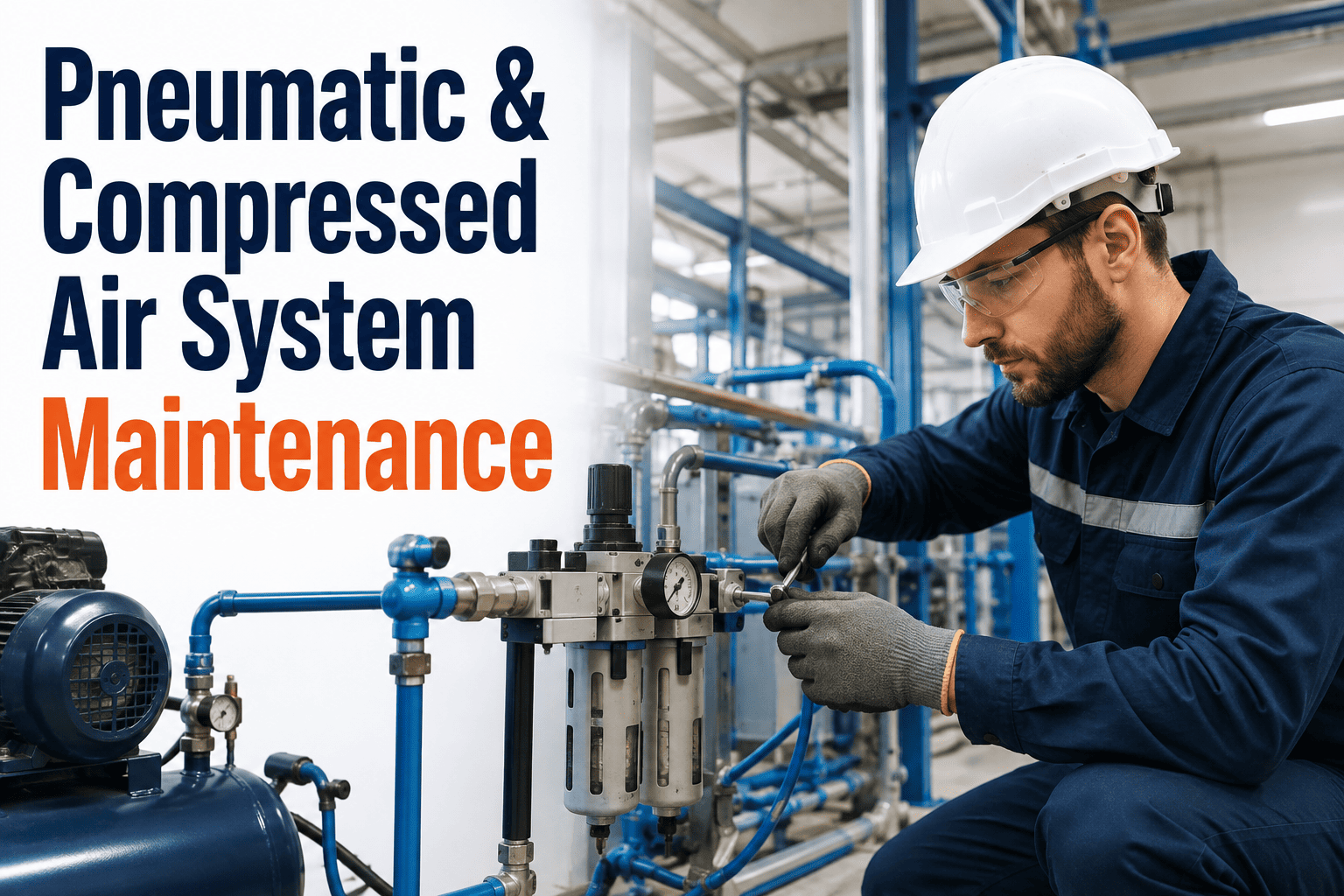
The 5-layer pneumatic system maintenance checklist
Reliable compressed air efficiency is built on five stacked maintenance layers — from the compressor room to the point of use. Each layer has specific tasks, intervals and failure modes that OxMaint can schedule, assign and track automatically.
Air Compressor PM
- Check oil level and weekly sample for moisture
- Replace intake air filter every 2,000 hours
- Inspect cooler fins and clean monthly
- Log discharge temperature (target < 200°F)
- Calibrate pressure switches quarterly
Air Leak Detection
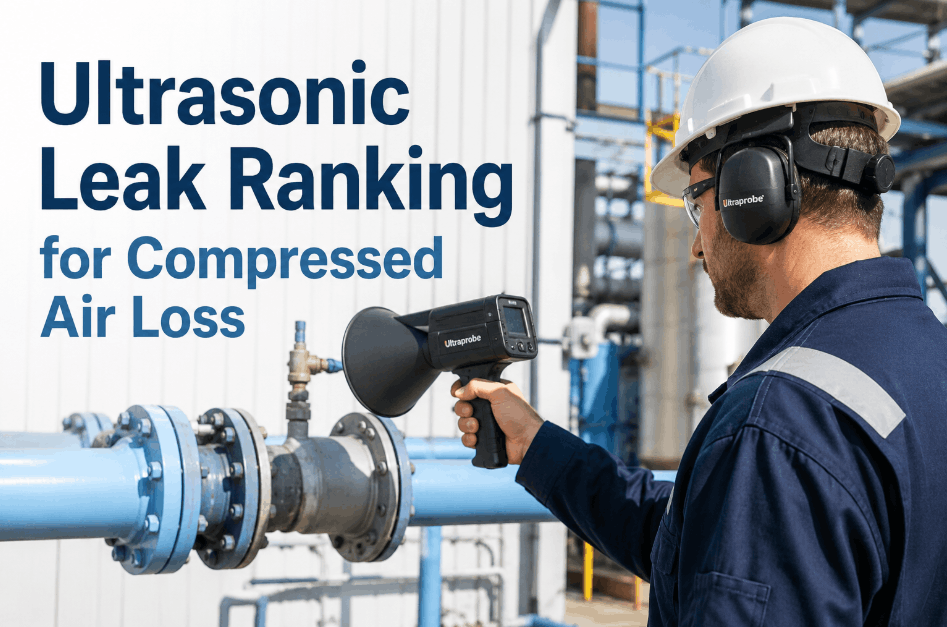
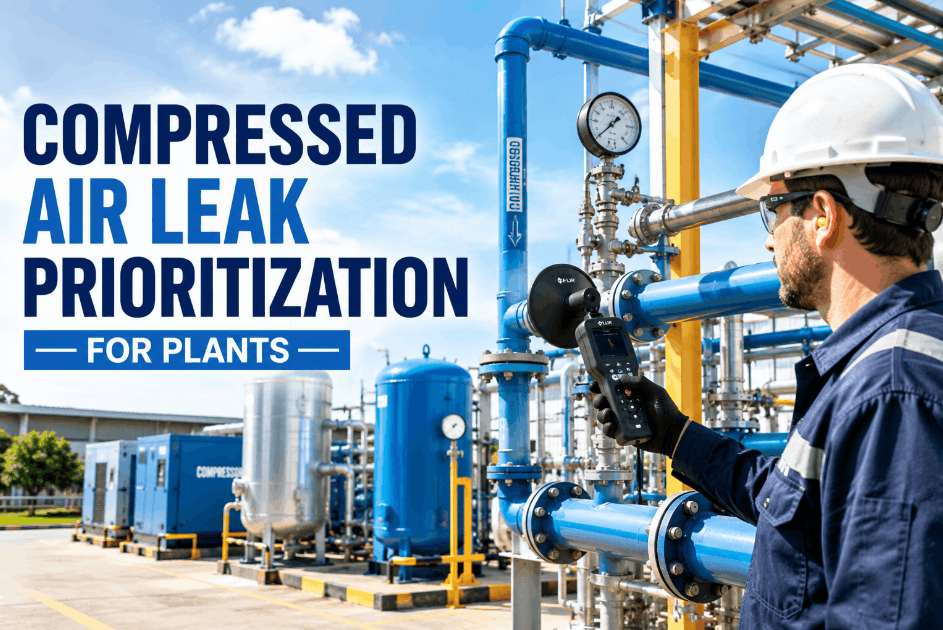
- Conduct quarterly ultrasonic leak survey
- Tag every leak with size estimate & location
- Prioritise repairs: large leaks first
- Re-scan repaired areas within 30 days
- Maintain a leak register with photos
Air Dryer Maintenance
- Replace coalescing pre-filter every 6 months
- Drain and inspect receiver daily
- Check dew point indicator weekly
- Clean condenser coils on refrigerated dryers
- Replace desiccant every 3–5 years
Filtration & Lubrication
- Swap point-of-use filters annually
- Lubricate FRL units every 3 months
- Inspect regulator diaphragms quarterly
- Verify pressure drop < 5 psi across filters
- Drain manual leg drains weekly
Distribution System Audit
- Inspect pipe joints for vibration wear
- Audit system pressure at 10 points quarterly
- Eliminate dead-end runs and sharp elbows
- Verify condensate traps function correctly
- Review demand spikes vs. capacity annually
CMMS Route Integration
- Auto-generate PM work orders on schedule
- Attach leak-tag photos to asset records
- Track cost-per-cfm trend over time
- Trigger re-scan reminders automatically
- Dashboard: leaks found vs. leaks repaired
COMPRESSED AIR LEAK DETECTION
How compressed air leaks drain profit — and what to do about it
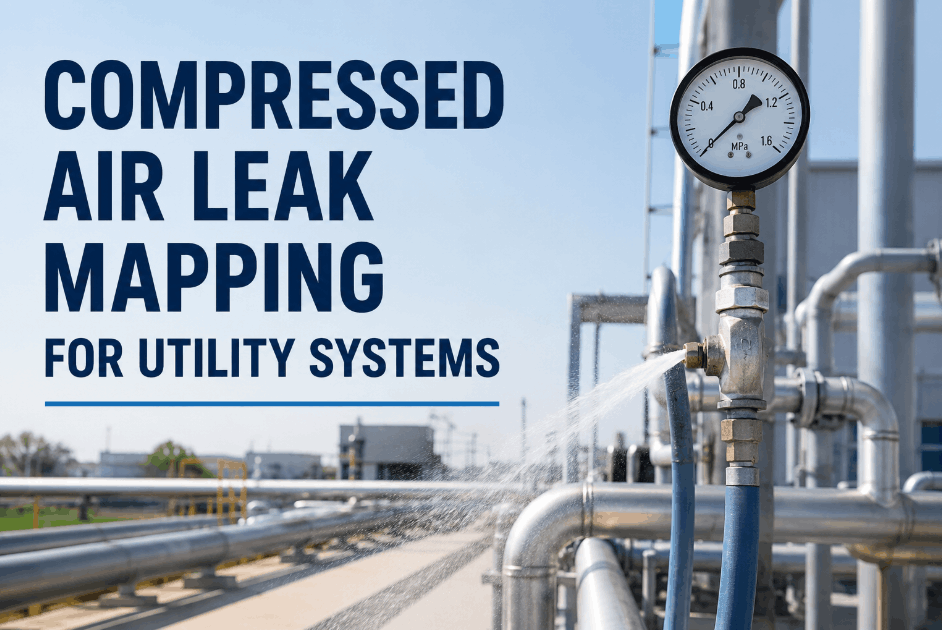
A single 3 mm leak at 100 psi wastes roughly $2,800 per year in electricity. Most plants have 50–200 leaks at any given time, which is why air leak detection is the fastest-payback activity in pneumatic system care.
ANNUAL LEAK COST FORMULA
Leak Cost = (CFM lost × 60 min × hours/year × $/kWh) ÷ (motor efficiency × 3.5)
| Leak Size (mm) | Air Lost (CFM) | Annual Cost @ $0.12/kWh | Equivalent Wasted kW |
|---|---|---|---|
| 1 mm | ~5 CFM | $420/yr | 1.3 kW |
| 3 mm | ~33 CFM | $2,800/yr | 8.5 kW |
| 5 mm | ~92 CFM | $7,700/yr | 23.8 kW |
| 10 mm | ~368 CFM | $30,900/yr | 95.2 kW |
A 180-asset manufacturing plant spending $42,000/yr on compressed air typically recovers $8,400–$12,600 annually after the first structured leak survey and repair round — a payback period of under 90 days when routed through OxMaint.
PNEUMATIC PREVENTIVE MAINTENANCE SCHEDULE
A 12-month compressed air system maintenance timeline
Pneumatic reliability depends on repeating the right task at the right interval. Here is a proven annual cadence for industrial air maintenance, from weekly checks to multi-year overhauls.
Condensate drains, oil levels, receiver pressure log
Drain manual traps, verify compressor oil sight glass, record receiver pressure and flag any reading outside 5% of setpoint. Takes 15–20 minutes per shift with OxMaint mobile checklists.
Cooler cleaning, filter differential check, FRL lubrication
Blow out cooler fins, measure pressure drop across main line filters (replace if > 5 psi), and top up filter-regulator-lubricator oil reservoirs. OxMaint auto-assigns each task with required parts.
Ultrasonic leak survey, dew point verification, pressure switch calibration
Walk the full distribution system with an ultrasonic detector, tag and size every leak, verify dryer dew point is below -40°C (desiccant) or +3°C (refrigerated), and recalibrate compressor controls.
Coalescing filter replacement, valve packings, belt tension
Replace coalescing and particulate filters, inspect solenoid and shut-off valve seals, check drive belt tension on belt-driven compressors, and conduct a full distribution pressure audit at 10 tagged points.
Full compressor service, oil change, safety valve test, desiccant assessment
Change compressor oil and oil filter, test all safety relief valves, perform vibration analysis on motor bearings, inspect heat exchanger tubes, and evaluate desiccant bed condition for replacement scheduling.
CMMS FOR PNEUMATIC RELIABILITY
How OxMaint solves pneumatic & compressed air maintenance
Spreadsheets and paper work orders cannot keep up with hundreds of PM points, leak tags and parts across a pneumatic network. OxMaint's AI-powered CMMS turns reactive firefighting into a data-driven, automated maintenance engine.
Automated PM Scheduling
Auto-generate work orders for every compressor PM, filter swap and leak re-scan on the correct interval — no missed tasks, no calendar babysitting. Cuts manual scheduling time by 80%.
Predictive Vibration & Trend Analytics
AI models spot bearing degradation and pressure-drop trends before a compressor fails — reducing unplanned pneumatic downtime by 30–50% and avoiding $5K–$15K in emergency repair costs per event.
Asset & Spare-Parts Tracking
Every compressor, dryer, filter and FRL unit lives in the asset tree with full history. Real-time inventory ensures filters, desiccant and seals are in stock when PMs trigger — eliminating parts-related delays.
Leak-Register Dashboards
Track leaks found, repaired and recurring in one visual dashboard. Tie cost-per-cfm to maintenance effort so you can prove ROI to leadership and prioritise the highest-waste zones each quarter.
See OxMaint on your pneumatic assets — book a 30-min demo
We'll map your compressor PM, leak-survey and dryer-service routes into a live workspace so you can feel the difference between spreadsheets and an AI-powered CMMS.
FREQUENTLY ASKED QUESTIONS
Pneumatic & compressed air system maintenance FAQs
How often should compressed air leak detection be performed?
A full ultrasonic air leak detection survey should be conducted at least quarterly in most manufacturing plants, and monthly in facilities with high fitting counts or vibration. OxMaint schedules and tracks each survey, tags leaks by location and size, and auto-creates repair work orders — you can Book a Demo to see the full leak-register workflow.
What percentage of compressed air is typically lost to leaks?
Industry studies show that 20–30% of compressed air generated in a typical untreated plant is lost to leaks. Well-maintained systems can reduce that figure to under 10%. A structured pneumatic preventive maintenance program with quarterly surveys, rapid repairs and CMMS-tracked re-scans is the most effective way to get there.
How much does a compressed air leak actually cost?
Cost depends on leak size and electricity rate, but a single 3 mm leak at 100 psi wastes roughly $2,800 per year. A plant with 50 similar leaks can lose $140,000 annually. Using the leak-cost formula (CFM lost × hours × $/kWh ÷ efficiency), OxMaint dashboards calculate the dollar value of every tagged leak and track savings as repairs close.
What does an air dryer maintenance routine include?
Air dryer maintenance includes replacing coalescing pre-filters every six months, cleaning condenser coils on refrigerated dryers monthly, checking the dew-point indicator weekly, draining the receiver daily, and replacing desiccant every 3–5 years on regenerative dryers. OxMaint auto-schedules each task and links the required spare parts so nothing is missed.
Can a CMMS improve compressed air efficiency?
Yes — a CMMS like OxMaint improves compressed air efficiency by automating PM schedules, tracking leak surveys, monitoring pressure-drop trends, and providing cost-per-cfm dashboards. Plants typically recover 10–20% of their compressed air energy spend within the first year of structured CMMS-driven maintenance.
Stop leaking compressed air revenue. Start with OxMaint today.
Join maintenance & reliability teams using OxMaint to automate pneumatic PM, detect leaks faster and prove savings — all in one AI-powered platform.
Free 14-day trial · No credit card