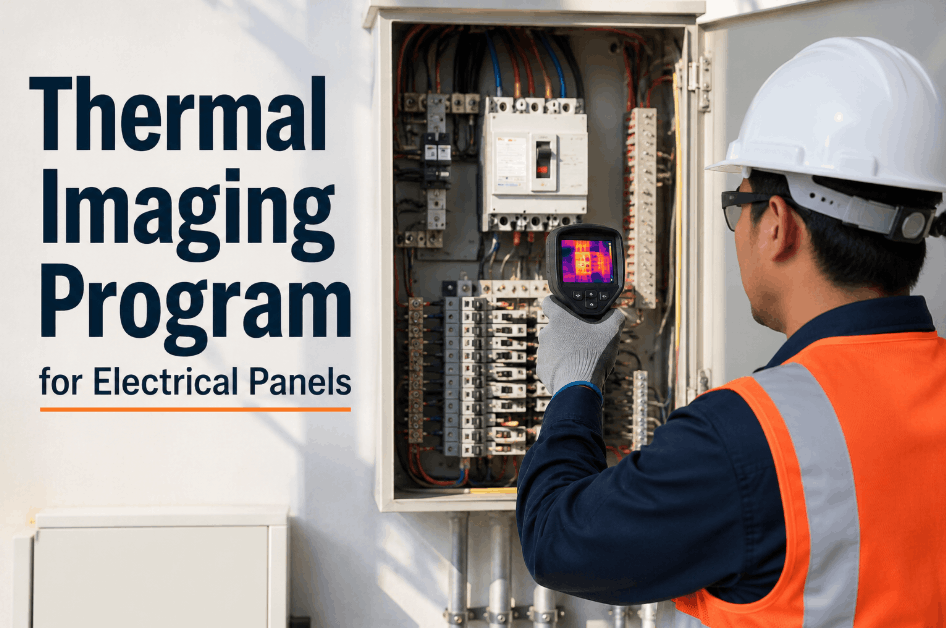
A thermal imaging program on electrical panels exposes hotspots, loose connections, and phase imbalance long before they cause an outage — problems that are invisible to a routine visual inspection. Heat is one of the earliest and most reliable warning signs of an electrical fault, but only if someone is actually capturing and reviewing thermal data on a consistent schedule. Operations teams using Sign Up Free on OxMaint can deploy AI-powered thermal monitoring across distribution panels and switchgear, automatically flagging temperature anomalies and turning them into prioritized work orders. Instead of waiting for a breaker to trip, a structured thermal imaging program catches the heat signature first. Book a Demo to see how OxMaint's AI vision camera detects thermal anomalies on electrical panels in real time.
Why Thermal Imaging Catches What Visual Inspection Misses
A connection can look perfectly normal to the eye while running well above its rated temperature underneath the cover. Book a Demo to see how OxMaint turns thermal camera feeds into continuous panel monitoring instead of a once-a-year inspection event.
Five Failure Signatures a Thermal Imaging Program Reveals
Each of these patterns has a distinct thermal signature once you know where to look. Sign Up Free to connect thermal cameras to OxMaint and start building a baseline of normal panel temperatures for comparison.
Loose or Corroded Connections
A loose terminal increases resistance and produces a sharply localized hot spot at the connection point — one of the most common and most preventable causes of electrical failure.
Phase Imbalance Across Three-Phase Loads
Uneven heating across the three phases of a panel often signals load imbalance, which accelerates wear on conductors and connected equipment if left uncorrected.
Overloaded Circuits and Undersized Conductors
Breakers and conductors running consistently hotter than their neighbors under similar load point to overloading or undersizing that a thermal scan flags well before insulation damage occurs.
Failing Contactors and Relays
Worn switching contacts generate localized heat at the point of contact, a signature that's easy to catch on a thermal scan but difficult to spot during a panel is energized and closed.
Insulation and Bus Bar Degradation
Gradual insulation breakdown and bus bar degradation show up as slow temperature drift over months. Tracking thermal trend data over time catches this progression long before failure.
Thermal Inspection Coverage by Panel Type
Book a Demo to see how OxMaint structures thermal monitoring coverage and detection thresholds across different categories of electrical equipment.
| Panel Type | Common Hotspot Source | Inspection Frequency Driver | Resulting Action |
|---|---|---|---|
| Main Distribution Panels | Bus bar connections and main lugs | Total facility load criticality | AI-detected anomaly with auto work order |
| Motor Control Centers | Contactor and overload relay wear | Motor duty cycle and starts per day | Priority-flagged inspection alert |
| Transformer Connections | Terminal and tap changer connections | Load fluctuation and seasonal demand | Trend-based thermal comparison |
| Switchgear & Breaker Panels | Breaker contact and bus joint heating | Age of equipment and fault history | Photo-documented compliance record |
How a Thermal Imaging Program Supports Plant Safety
Sign Up Free to deploy AI-powered thermal monitoring on your electrical panels and turn inspection routes into a continuous, documented safety program.
Frequently Asked Questions: Thermal Imaging Program for Electrical Panels
What does a thermal imaging program detect on electrical panels?
It detects hotspots from loose or corroded connections, phase imbalance, overloaded circuits, failing contactors, and gradual insulation degradation — all visible as abnormal heat patterns.
How does OxMaint support thermal imaging inspections?
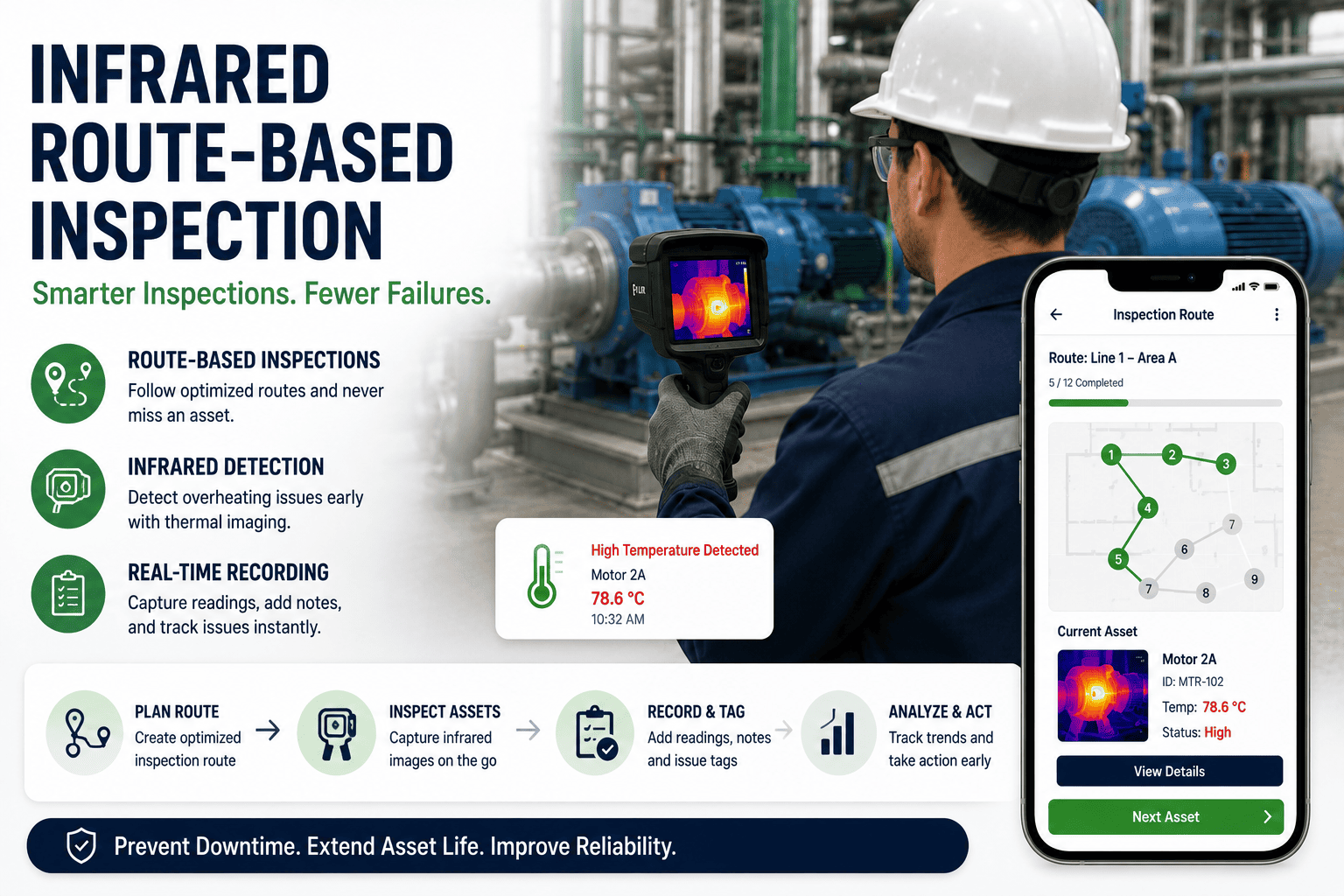
OxMaint's AI vision camera integrates with thermal imaging cameras to continuously analyze panel temperatures, automatically flagging anomalies and generating work orders with photo evidence.
Does thermal monitoring require opening the panel?
No. Thermal cameras read surface and component temperatures without requiring panels to be opened, reducing exposure to live electrical components during inspection.
How often should electrical panels be thermally scanned?
Frequency depends on equipment criticality and load, but continuous AI-based monitoring removes the guesswork by watching for anomalies between scheduled manual surveys.
Can thermal imaging data support compliance audits?
Yes. Every detected anomaly is logged with a timestamped, annotated image and severity level, providing documentation that supports safety and insurance compliance reviews.