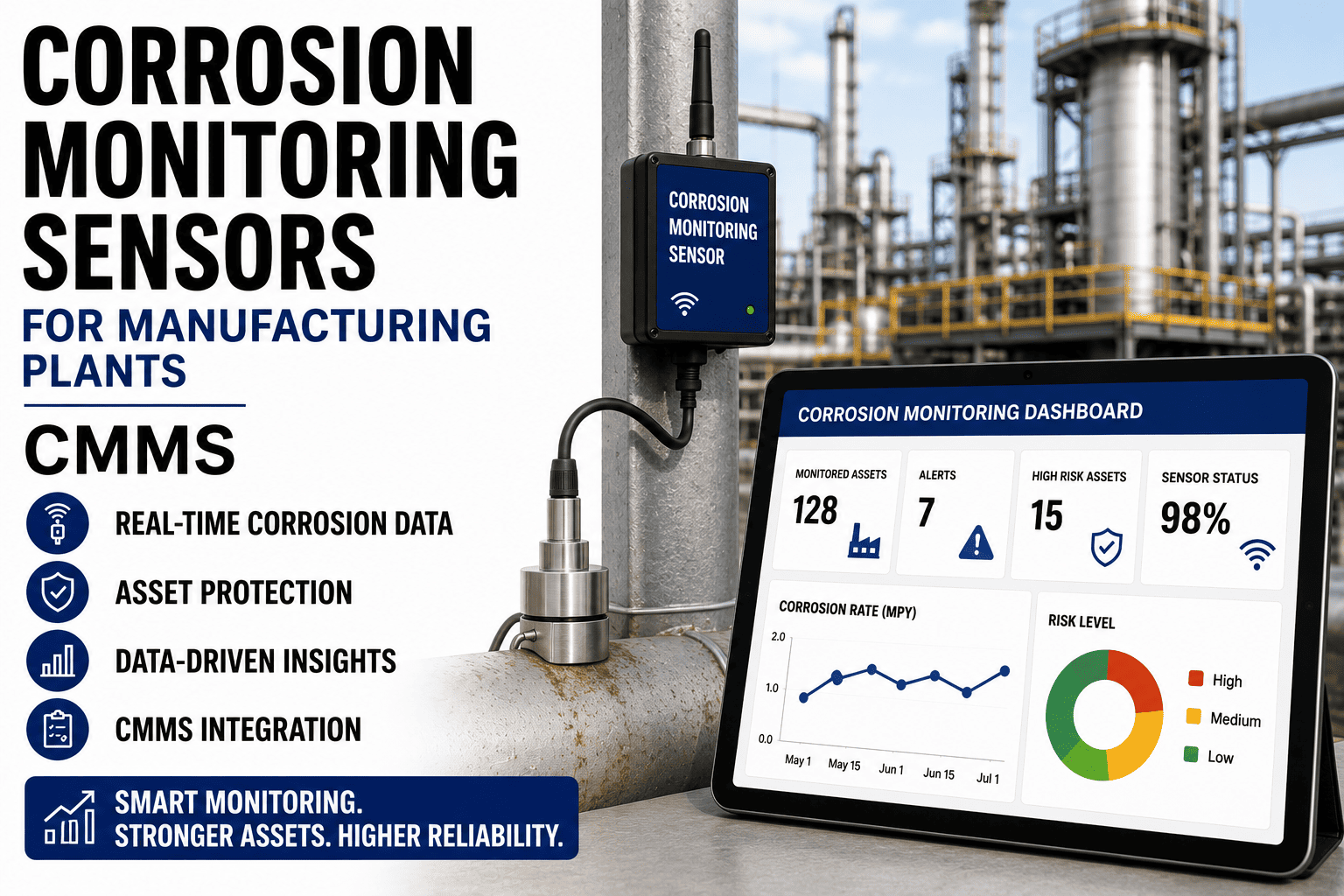
Your thermal camera shows a motor bearing at 185°F. Normal or emergency? Your vibration meter reads 0.35 in/sec on a pump. Acceptable or failure imminent? Without standardized troubleshooting criteria, the same reading triggers shutdown from one technician and "continue monitoring" from another—costing $420K-$950K annually in diagnostic errors.
Systematic troubleshooting frameworks in Oxmaint CMMS provide equipment-specific decision trees, automated severity classification, and clear corrective actions—achieving 85-92% diagnostic accuracy vs. 60-70% with ad-hoc methods. Result: $680K-$1.4M annual savings through optimal intervention timing.
Tired of inconsistent equipment diagnostics across your team?
Standardized troubleshooting frameworks deliver consistent, accurate diagnoses regardless of technician experience. See how 150+ process facilities transformed reliability with systematic diagnostic protocols.
Essential Thermography Troubleshooting Guide
Thermal imaging reveals problems through temperature anomalies. Here's when to act:
Temperature-Based Action Thresholds
Bearings
- +20-30°F above baseline: ADVISORY → Increase monitoring, check lubrication within 2-4 weeks
- +30-50°F: ALARM → Schedule bearing replacement within 1 week
- +50°F+ or rapid rise: CRITICAL → Immediate intervention, imminent failure
Pro Tip: Compare identical equipment under same load—temperature differential matters more than absolute readings.
Electrical Connections
- +30-60°F hotter than adjacent: ALARM → Re-torque/clean within 1-2 weeks
- +60°F+ or 100°F above ambient: CRITICAL → Immediate inspection, fire hazard
- Entire breaker hot vs. others: Overload or degradation → Verify load, check contacts
Safety Note: Maintain safe distances, use arc-flash rated PPE when required.
Motors & Drives
- Single hot terminal: Loose connection → Schedule tightening during next window
- Overall frame temp 80°F+ above ambient: Check load, cooling, phase balance
- VFD heatsink 180°F+: Verify fan operation, clean filters, reduce load
Pattern Recognition: One hot terminal = connection problem. Entire motor hot = ventilation/overload.
Complete Vibration Analysis Troubleshooting Guide
Vibration reveals mechanical problems through severity levels and frequency patterns. Here's your diagnostic roadmap:
Two-Step Vibration Diagnostic Process
Severity Assessment (ISO 10816)
- Zone A (<0.11 in/sec): GOOD → Normal operation, routine monitoring
- Zone B (0.11-0.18): ACCEPTABLE → Monitor trends, inspect if increasing within 30-60 days
- Zone C (0.18-0.28): ALERT → Schedule corrective maintenance within 1-2 weeks
- Zone D (>0.28): CRITICAL → Immediate repair within days, high failure risk
Note: Thresholds vary by machine type—consult ISO 10816 for specific classifications.
Frequency Pattern Diagnosis (FFT Required)
- 1X running speed: IMBALANCE → Dynamic balancing needed (urgency based on amplitude)
- 2X running speed: MISALIGNMENT → Laser alignment within 1-2 weeks prevents bearing damage
- Sub-harmonic (<1X): LOOSENESS → Tighten mounting, urgent (accelerates other problems)
- High frequency (10X-100X+): BEARING DEFECTS → Replacement typically 2-6 weeks depending on amplitude
- Blade/vane pass frequency: AERODYNAMIC ISSUES → Check flow, cavitation, impeller within 1-2 weeks
- Multiple peaks with sidebands: GEAR PROBLEMS → Inspect gears, monitor closely
Multi-Parameter Correlation
- High vibration + elevated bearing temp: Confirms bearing problem → Prioritize replacement
- High vibration + motor current increase: Mechanical loading (misalignment, binding, overload)
- High vibration + no temp rise: Dynamic issue (imbalance, resonance) → Less urgent
- Temp rise without vibration: Lubrication problem or external heating (not mechanical)
Streamline Cost Control via Digital Work Orders
Accurate diagnosis means nothing without efficient execution. Here's how digital automation bridges detection to action:
3-Part Work Order Automation System
Automated Work Order Generation
When readings exceed thresholds, system automatically creates work orders with: equipment details, inspection data (thermal images, vibration spectra), severity classification, probable root cause, recommended corrective action, and completion timeline.
Priority assignment: Based on severity level, equipment criticality, predicted time-to-failure, and production schedule.
Impact: Detection-to-work-order drops from 2-7 days to 15 minutes. Response compliance increases from 60-75% to 95%+ (manual vs. automated).
Comprehensive Cost Tracking
Direct costs captured: Labor hours, parts consumed, contractor services, equipment rental—through mobile time tracking and barcode scanning.
Indirect costs calculated: Production downtime (hours × rate × margin), product waste, expedited shipping, emergency response premiums.
Preventive value shown: System calculates cost avoidance: estimated emergency failure cost minus planned maintenance cost = value delivered.
SLA Performance Tracking
Key metrics monitored: Response times (alert to action), diagnostic accuracy (predicted vs. actual), first-time fix rate (85-90% target), false positive rate (<15% target), cost per prevented failure.
Management dashboards: Real-time program performance visibility. Monthly reviews identify improvement opportunities.
Aligning Teams and Vendors with IoT
Modern condition monitoring connects plant teams, corporate engineers, OEMs, and contractors through shared data:
Multi-Stakeholder Collaboration Framework
Plant Team Empowerment
Operators: Basic thermal spot-checks with smartphone apps—go/no-go thresholds, photo alerts.
Technicians: Comprehensive routes with barcode-guided workflows showing measurement locations, trends, automated severity classification, and instant work order creation.
Engineers: Dashboard access for facility-wide status, exception-based management, analytics for systemic patterns.
Benefit: Junior technicians guided by same protocols as veterans—consistent quality regardless of experience.
OEM Integration
Baseline data: Import manufacturer specs, acceptable levels, thermal characteristics—auto-configure thresholds.
Remote support: Grant OEM engineers secure access for expert diagnosis without site visits—faster, lower cost.
Warranty documentation: Objective evidence for claims—"condition monitoring showed normal operation until failure."
Multi-Site Consistency
Centralized management: Corporate reliability establishes standard criticality classifications, inspection frequencies, thresholds—deployed across all facilities.
Cross-site benchmarking: Compare performance identifying best practices—"Site A has 40% fewer failures, what are they doing differently?"
Knowledge transfer: Digital workflows capture lessons learned, share across organization preventing repeated errors.
Real Troubleshooting Success: $1M+ Prevented Loss
Chemical Plant — Systematic Diagnosis Prevents Catastrophic Compressor Failure
Situation: Large reciprocating compressor showed slightly elevated vibration (0.22 in/sec, up from 0.16 baseline). Still within Zone B (acceptable) per ISO standards—inexperienced technician might dismiss as "minor increase, continue monitoring."
Systematic Troubleshooting: Mobile app flagged 35% baseline increase triggering FFT analysis. Spectrum showed new peak at bearing ball pass frequency outer race (BPFO) indicating early outer race bearing defect. Thermography confirmed affected bearing 25°F above others.
Action: Automated troubleshooting workflow recommended bearing replacement during next planned shutdown (3 weeks). Inspection confirmed early spalling on outer race—would have catastrophically failed within 4-6 weeks.
Outcome: Prevented 5-day unplanned shutdown (no spare compressor, 2-3 day rental lead time). Production loss avoided: $850,000. Planned repair: $28,000. Emergency repair would have cost: $185,000 (expedited parts, overtime, rental). Total value: $1,007,000 from catching subtle early warning.
Troubleshooting Program ROI Summary
Expert Insight
Quick Reference: Common Troubleshooting Scenarios
Assessment: Zone D (critical) requiring urgent attention. Sudden increases indicate acute problems.
Troubleshooting Steps:
- Check external causes: Clogged strainer? Process changes? Recent maintenance?
- Frequency analysis: 1X = imbalance/looseness. 2X = misalignment. High frequency = bearing. Blade pass = process/cavitation.
- Check bearing temps: Hot bearing + high vibration = bearing failure imminent. Normal temps = different issue.
Decision: Bearing problem + hot = shutdown immediately. Process-related = address conditions, may continue. Looseness = reduce load, repair within 24-48 hours. Imbalance = monitor, repair within 1 week at reduced load.
Severity: CRITICAL with high fire/failure risk. Requires urgent but not necessarily immediate shutdown.
Assessment:
- Re-scan to confirm (rule out measurement error)
- Check for smoking, discoloration, physical damage? If yes = immediate shutdown. If just hot = plan controlled shutdown.
- Can load be reduced to decrease heating while arranging shutdown?
Action: Schedule shutdown at next production break (within 4-24 hours). Reduce load if possible. Prepare repair materials (terminals, anti-oxidant, torque wrench).
Repair: De-energize, lockout/tagout, clean surfaces, verify conductor size, torque to spec, apply anti-oxidant, verify three phases equal resistance. Re-scan within 1 week to confirm fix.
Assessment: Zone D (critical) requiring urgent attention. Sudden increases indicate acute problems.
Troubleshooting Steps:
- Check external causes: Clogged strainer? Process changes? Recent maintenance?
- Frequency analysis: 1X = imbalance/looseness. 2X = misalignment. High frequency = bearing. Blade pass = process/cavitation.
- Check bearing temps: Hot bearing + high vibration = bearing failure imminent. Normal temps = different issue.
Decision: Bearing problem + hot = shutdown immediately. Process-related = address conditions, may continue. Looseness = reduce load, repair within 24-48 hours. Imbalance = monitor, repair within 1 week at reduced load.
Severity: CRITICAL with high fire/failure risk. Requires urgent but not necessarily immediate shutdown.
Assessment:
- Re-scan to confirm (rule out measurement error)
- Check for smoking, discoloration, physical damage? If yes = immediate shutdown. If just hot = plan controlled shutdown.
- Can load be reduced to decrease heating while arranging shutdown?
Action: Schedule shutdown at next production break (within 4-24 hours). Reduce load if possible. Prepare repair materials (terminals, anti-oxidant, torque wrench).
Repair: De-energize, lockout/tagout, clean surfaces, verify conductor size, torque to spec, apply anti-oxidant, verify three phases equal resistance. Re-scan within 1 week to confirm fix.
Best Practice: Collect baseline data when equipment is newly installed or after major overhaul—this is "healthy" operation reference.
Data Collection: Measure thermography and vibration at multiple load conditions (50%, 75%, 100% capacity). Document ambient conditions, operating parameters, and equipment configuration.
Minimum Requirements: At least 3-5 measurements over 2-4 weeks establishing normal variation range. Oxmaint CMMS automatically tracks baselines and calculates statistical thresholds (mean + 2-3 standard deviations).
For Existing Equipment: If no baseline exists, measure multiple identical machines under same conditions—lowest readings typically represent healthy operation. Use as temporary baseline until formal baseline established during next overhaul.
Common Challenge: Experienced technicians initially resist "computer telling them what's wrong"—especially if recommendations conflict with their intuition.
Solution Approach:
- Start collaborative: Frame system as decision support tool, not replacement for expertise. Show how it catches problems they'd catch anyway—but faster and more consistently.
- Track outcomes: Document every prediction. When bearing fails after system flagged it, share results. When false positive occurs, adjust thresholds—show system learns and improves.
- Respect experience: When technician disagrees with recommendation, investigate why. Their intuition may identify issues algorithms miss. Capture insights into system improving future diagnoses.
- Celebrate successes: When technician using mobile app catches problem saving $85K, recognize achievement. Emphasize technology amplifies their skills—doesn't replace them.
Typical Timeline: Initial skepticism (weeks 1-4), cautious adoption (weeks 5-12), enthusiastic embrace (months 4+) as prevented failures demonstrate value. Key is patience and data-driven proof, not mandates.
Transform troubleshooting from guesswork to systematic science
Stop accepting diagnostic inconsistency. Standardized frameworks deliver expert-level troubleshooting across your entire team. Join 150+ facilities using Oxmaint for diagnostic excellence. Get started today.
Oxmaint CMMS — Intelligent Troubleshooting Frameworks for Process Industries
150+ facilities standardized | 85-92% diagnostic accuracy | 600%+ average ROI