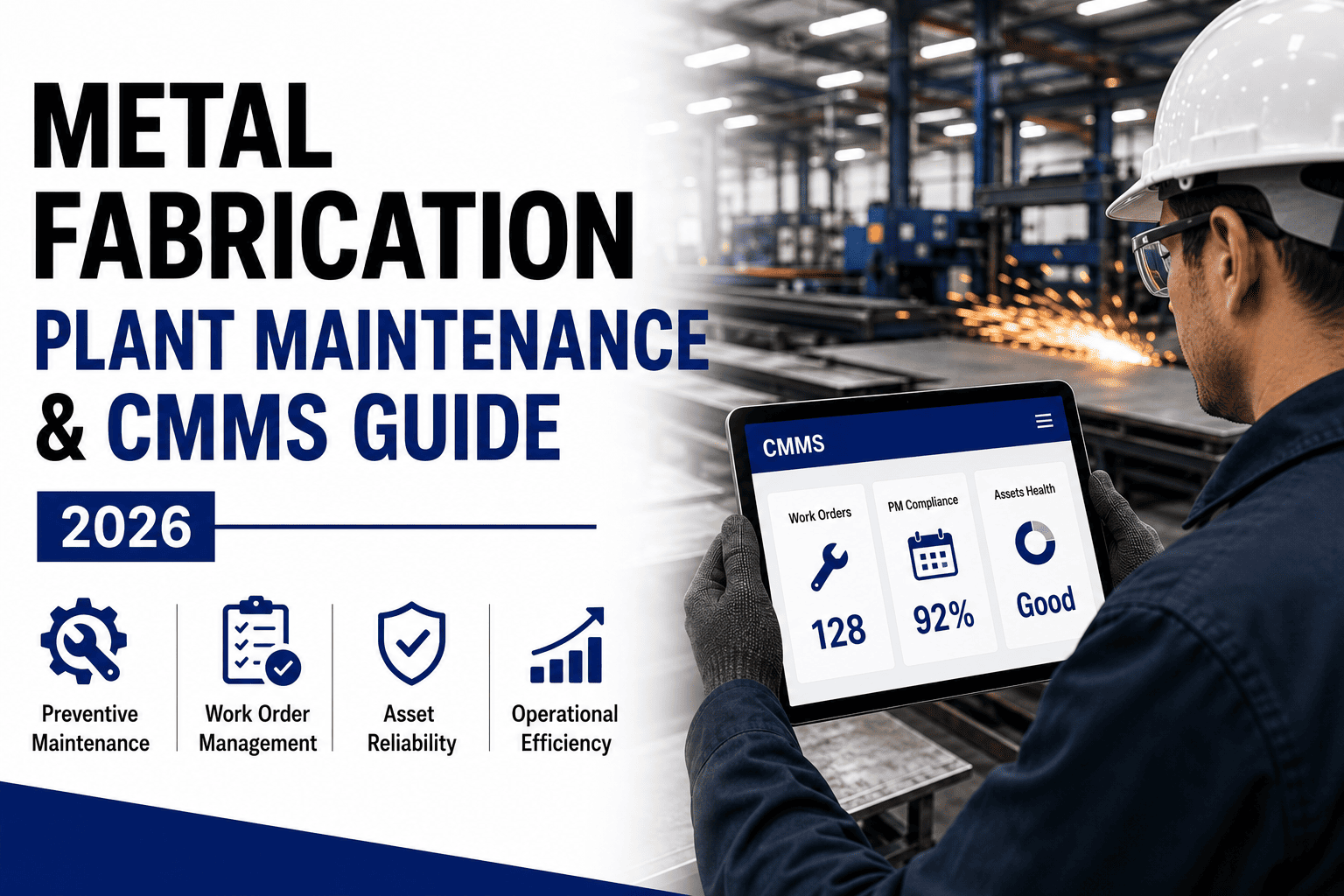
A 40,000 square foot metal fabrication shop in Wisconsin lost 19 production days in a single year to unplanned downtime — a seized press brake hydraulic system, a laser cutter resonator failure, a welding robot calibration drift, and three separate compressed air collapse events. The shop owner told us the real number was worse: $340,000 in direct repairs, another $280,000 in missed shipments, and one customer gone permanently. After deploying OxMaint's fabrication-shop maintenance platform, the same shop ran 11 consecutive months with zero unplanned press brake or laser downtime. Book a demo to see how mid-sized fabrication shops rebuild their maintenance operation.
Industry Guide / Metal Fabrication Maintenance
Metal Fabrication Shop Maintenance Management
A working playbook for fabrication shop owners, plant managers, and maintenance leads running lasers, press brakes, CNC machines, welding stations, and finishing equipment — where a single machine failure can shut down every downstream process.
$8,400
Average cost of one hour of unplanned laser cutter downtime in a production shop
42%
Of fabrication shop breakdowns trace to missed or deferred preventive maintenance tasks
68%
Of sub-50-employee fabrication shops still track maintenance on paper, whiteboards, or spreadsheets
3.2x
Increase in asset lifespan when structured PM replaces reactive break-fix on CNC and press equipment
The Five Equipment Zones Every Fabrication Shop Must Manage
Fabrication shops are not one production line — they are five interconnected equipment zones, each with different failure modes, different skill requirements, and different downtime consequences. A maintenance program that treats them as one group will fail all of them.
Zone 1
Cutting
Fiber laser, CO2 laser, plasma, waterjet, bandsaw
Optical contamination, nozzle wear, chiller degradation, gas delivery, consumable tracking
High downtime cost
Zone 2
Forming
Press brake, hydraulic press, turret punch, roll former
Hydraulic fluid condition, tonnage calibration, ram parallelism, tooling change schedules
High downtime cost
Zone 3
Machining
CNC mill, CNC lathe, machining center, drill press
Spindle vibration, way lubrication, coolant quality, tool holder wear, backlash drift
Medium downtime cost
Zone 4
Joining
MIG/TIG welders, robotic weld cell, spot welder, stud welder
Torch consumables, wire feed, ground integrity, robot calibration, fume extraction
Medium downtime cost
Zone 5
Finishing
Powder coat booth, paint line, deburring, shot blast, polishing
Spray nozzle wear, conveyor wear, filter loading, oven temp uniformity, wash chemistry
Recoverable bottleneck
Support
Air & Utilities
Air compressor, dryer, dust collector, chiller, bus bar
Shared infrastructure — when it fails, every zone stops. Usually the most under-maintained.
Total shop stoppage
Failure Modes That Actually Shut Down Fabrication Shops
Most shop-floor failures are not dramatic catastrophes — they are slow degradation missed by calendar-based PM. These are the eight failure modes that cause the majority of unplanned fabrication downtime, ranked by frequency in real shops.
1
Laser optics contamination
Protective lens degradation and cover slide fouling cause power drop, cut quality loss, and eventually resonator damage. Weekly inspection is non-negotiable.
Very High
2
Press brake hydraulic contamination
Water ingress, metal particulate, and thermal breakdown of hydraulic oil cause valve sticking, cylinder scoring, and tonnage irregularity across bend cycles.
Very High
3
Compressed air system failure
Compressor overheat, dryer failure, or contaminated air halts pneumatics across lasers, welders, and finishing booths simultaneously. Single point of shop-wide failure.
High
4
CNC spindle bearing degradation
Vibration signature drift reveals bearing wear weeks before catastrophic failure. Ignored, a $600 bearing becomes a $40,000 spindle rebuild and 10-day line outage.
High
5
Welding wire feed inconsistency
Drive roll wear, liner contamination, and feeder motor drift cause weld defects that are only discovered at QC — after hours of rework material is already in process.
Medium
6
Dust collector filter loading
Missed filter changes cause airflow loss, fire risk in laser and plasma cells, and OSHA compliance exposure. Differential pressure monitoring should drive the PM schedule.
Medium
7
Coolant biological breakdown
Coolant contamination shortens tool life, causes rust on machined surfaces, and creates operator health exposure. Weekly pH and concentration checks prevent a quarterly disposal cost.
Medium
8
Robot weld cell calibration drift
TCP (tool center point) drift from minor collisions, fixture wear, and cable management causes weld position errors that compound across production lots.
Medium
PM Frequency Matrix for Fabrication Equipment
One of the most damaging mistakes small fabrication shops make is running the same PM cadence across every machine. A press brake, a fiber laser, and a welding robot have fundamentally different wear profiles. This matrix shows the baseline cadence we recommend — tuned to the asset class.
| Equipment / Task |
Daily |
Weekly |
Monthly |
Quarterly |
Annual |
| Fiber laser — optics inspection |
x |
x |
|
|
|
| Fiber laser — chiller water quality |
|
|
x |
|
|
| Press brake — hydraulic oil test |
|
|
|
x |
|
| Press brake — ram parallelism check |
|
|
|
|
x |
| CNC — way lube and coolant |
x |
|
|
|
|
| CNC — spindle vibration reading |
|
|
x |
|
|
| Welder — ground cable integrity |
x |
|
|
|
|
| Welder — wire feed drive rolls |
|
x |
|
|
|
| Robot cell — TCP calibration |
|
|
x |
|
|
| Air compressor — oil and separator |
|
|
|
x |
|
| Dust collector — filter DP check |
|
x |
|
|
|
| Finishing oven — temp profile |
|
|
|
x |
|
Scroll horizontally to see all frequency columns
Stop Running Your Fabrication Shop on Whiteboard Maintenance
OxMaint is purpose-built for job shops, contract fabricators, and mid-market manufacturers. Digital work orders, mobile checklists, asset histories, and automated PM scheduling — deployed in days, not quarters, without enterprise complexity.
The True Cost of Fabrication Downtime
Shop owners often dramatically underestimate the real cost of unplanned downtime because they count only direct repair cost. The full cost stack — lost production hours, rush freight, overtime, rework, and customer penalties — is typically 4–6 times the repair bill.
Lost production hours
34%
Overtime and second-shift recovery
18%
Expedited freight and material
12%
Scrap, rework, and quality escape
9%
Customer penalties and lost orders
12%
Downtime cost multiplier
4x to 6x direct repair
What a Modern Fabrication Shop Maintenance Program Looks Like
The shops pulling ahead in 2026 are not running bigger maintenance departments — they are running smarter ones. Six practical capabilities separate the top quartile from everyone else. None of them require enterprise software or a dedicated reliability engineer.
Capability 1
Asset hierarchy and PM library
Every laser, press brake, CNC, welder, and support utility has a digital record — PM schedule, manual, spare parts, work order history, photos of past issues.
Capability 2
Mobile work orders for floor technicians
Technicians open, execute, and close work orders from a phone or tablet on the shop floor — with photos, labor time, and parts used captured in the record.
Capability 3
Operator-reported issues
Machine operators scan a QR code on the equipment and report anomalies without paper, phone calls, or "tell the supervisor next break" delays that kill response time.
Capability 4
Spare parts and vendor tracking
Critical spares inventory tied to each asset. Automatic reorder triggers when parts are consumed. Vendor contact and lead times captured in the asset record.
Capability 5
KPI reporting maintenance actually uses
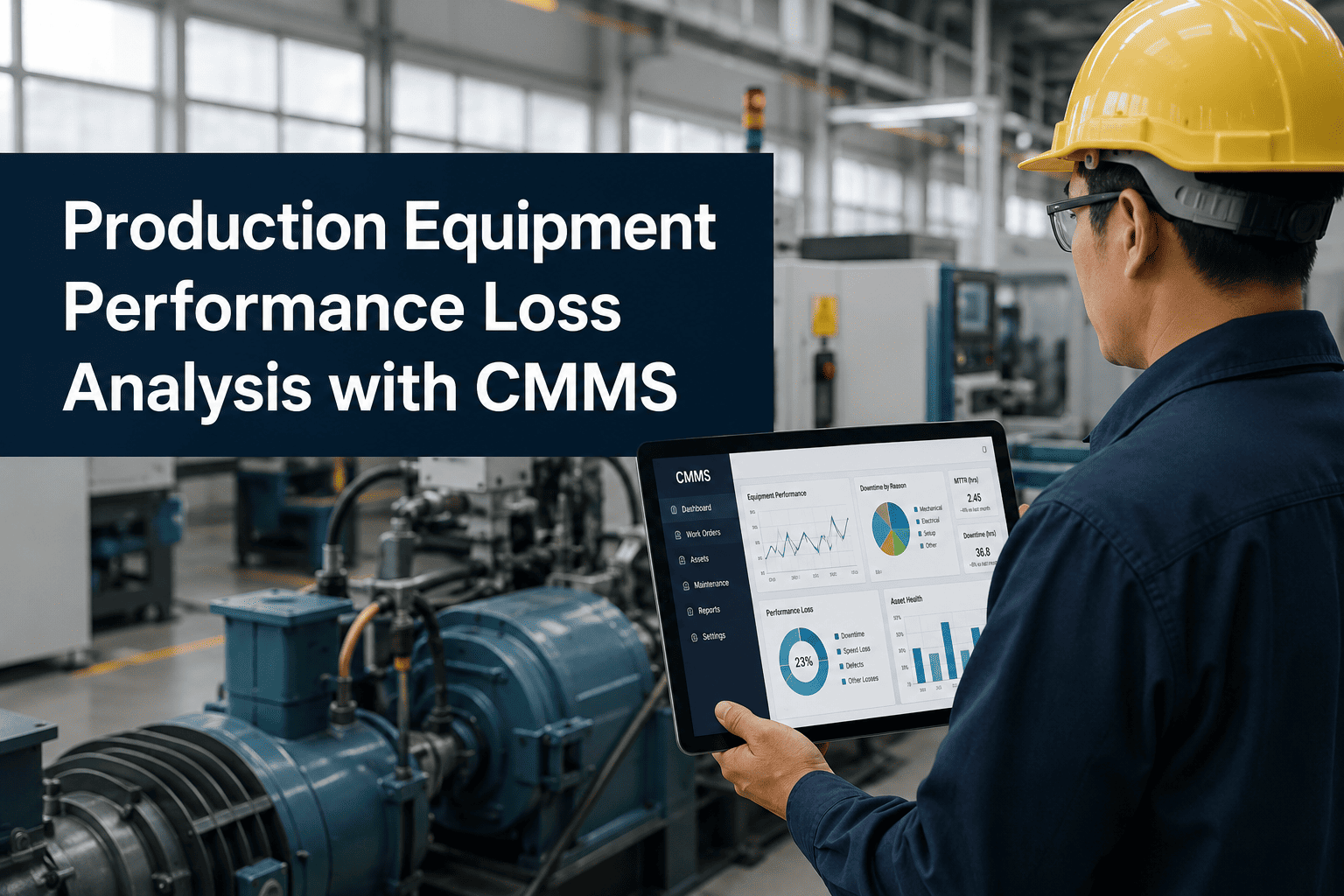
MTTR, MTBF, PM compliance, and downtime dollars tracked per asset and per zone. Monthly reports the owner can read in five minutes, not a 40-tab dashboard.
Capability 6
Condition data from the machines themselves
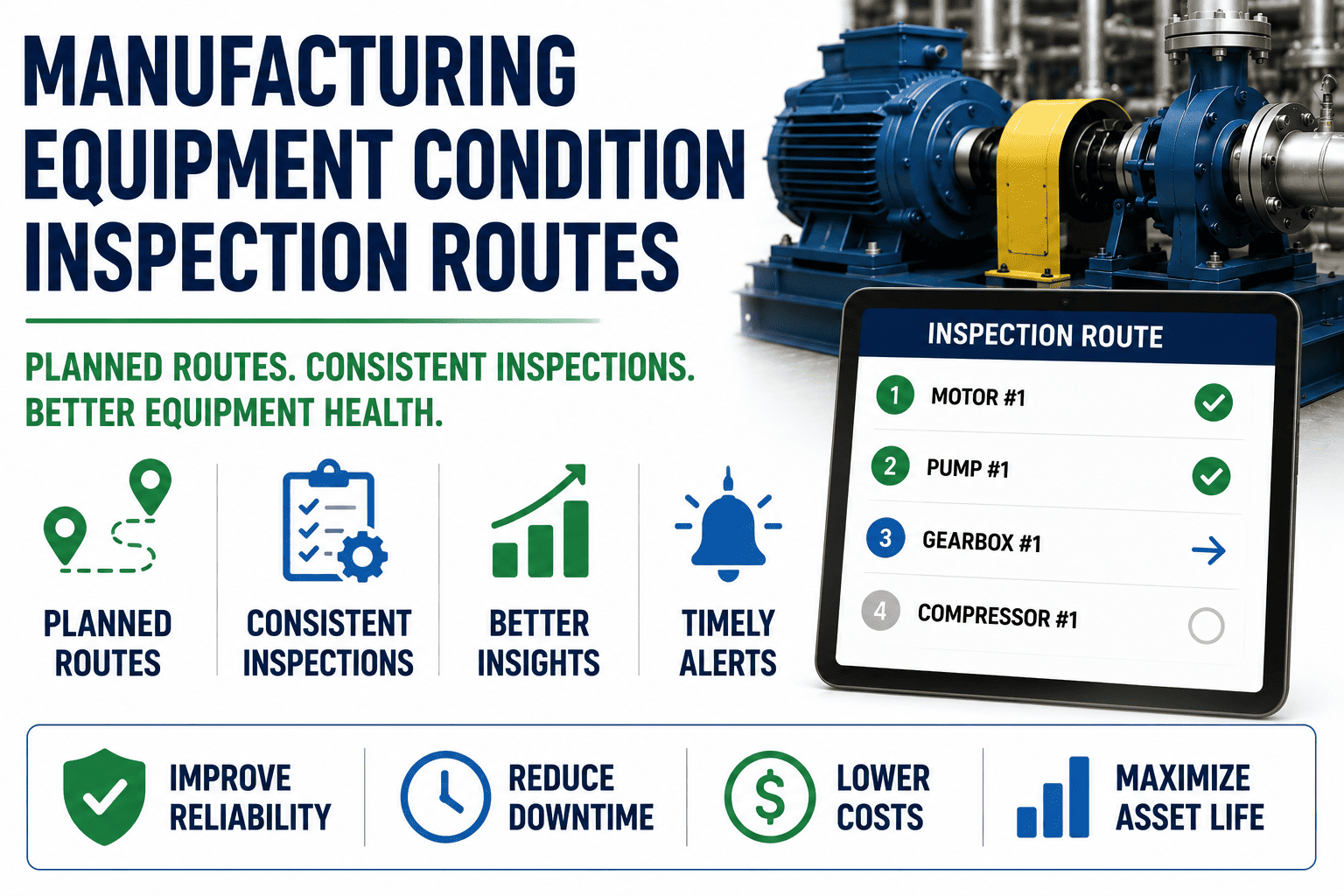
Spindle vibration, hydraulic pressure, compressor kW, and chiller temps streamed directly into work order triggers — replacing calendar PM with actual machine condition.
Why OxMaint Fits Metal Fabrication Shops
Enterprise CMMS platforms were designed for refineries and auto OEMs — and they price, deploy, and operate that way. OxMaint was built for the operational reality of fabrication shops: fast setup, mobile first, affordable, and operator-friendly from day one.
6 to 18 month implementation
Dedicated admin required
Training measured in weeks
Pricing starts at enterprise scale
Desktop-centric, clunky mobile
Consultant-led configuration
Operators rarely log in
Production use within 10 days
Set up and run by shop maintenance lead
Technicians productive on day one
Small-shop and mid-market pricing
Mobile-first for the shop floor
Self-service configuration
Operators report issues by QR code
Frequently Asked Questions
How long does it take to get OxMaint running in a fabrication shop?
Most fabrication shops go live in 7–14 days — asset list imported, PM schedules configured, and technicians running mobile work orders.
Book a demo for an accelerated walkthrough.
Do we need to rip out our spreadsheets and paper logs to start?
No. OxMaint imports existing PM spreadsheets and asset lists. Most shops run in parallel for 2–4 weeks before retiring the legacy system entirely. No data loss, no hard cutover.
Can operators who are not tech-savvy actually use it on the floor?
Yes. Operators scan a QR code on the machine, tap a problem type, add a photo, and the work order is routed to maintenance. No typing, no login friction, no training required.
Does OxMaint integrate with our laser, CNC, or robot cell controllers?
Yes. OxMaint accepts data from machine controllers via OPC-UA, MQTT, Modbus, or REST API.
Start a free trial and connect a machine in under 30 minutes.
What happens to our maintenance data if we ever leave?
All data is fully exportable at any time — asset records, work order history, PM logs, spare parts, reports — in open formats. No contract lock-in, no export fees, no data hostage situations.
Is this affordable for a 20 to 50 person fabrication shop?
Yes. OxMaint is priced for small and mid-sized shops, with flexible per-user and per-asset options. The first prevented laser or press brake outage typically pays for a full year.
Your Lasers, Press Brakes, and CNCs Deserve Better Than a Whiteboard
The shops winning in 2026 are not the ones with the biggest machines — they are the ones keeping those machines running. OxMaint is the maintenance platform built for fabrication: fast to deploy, easy on the floor, and priced for shops your size.