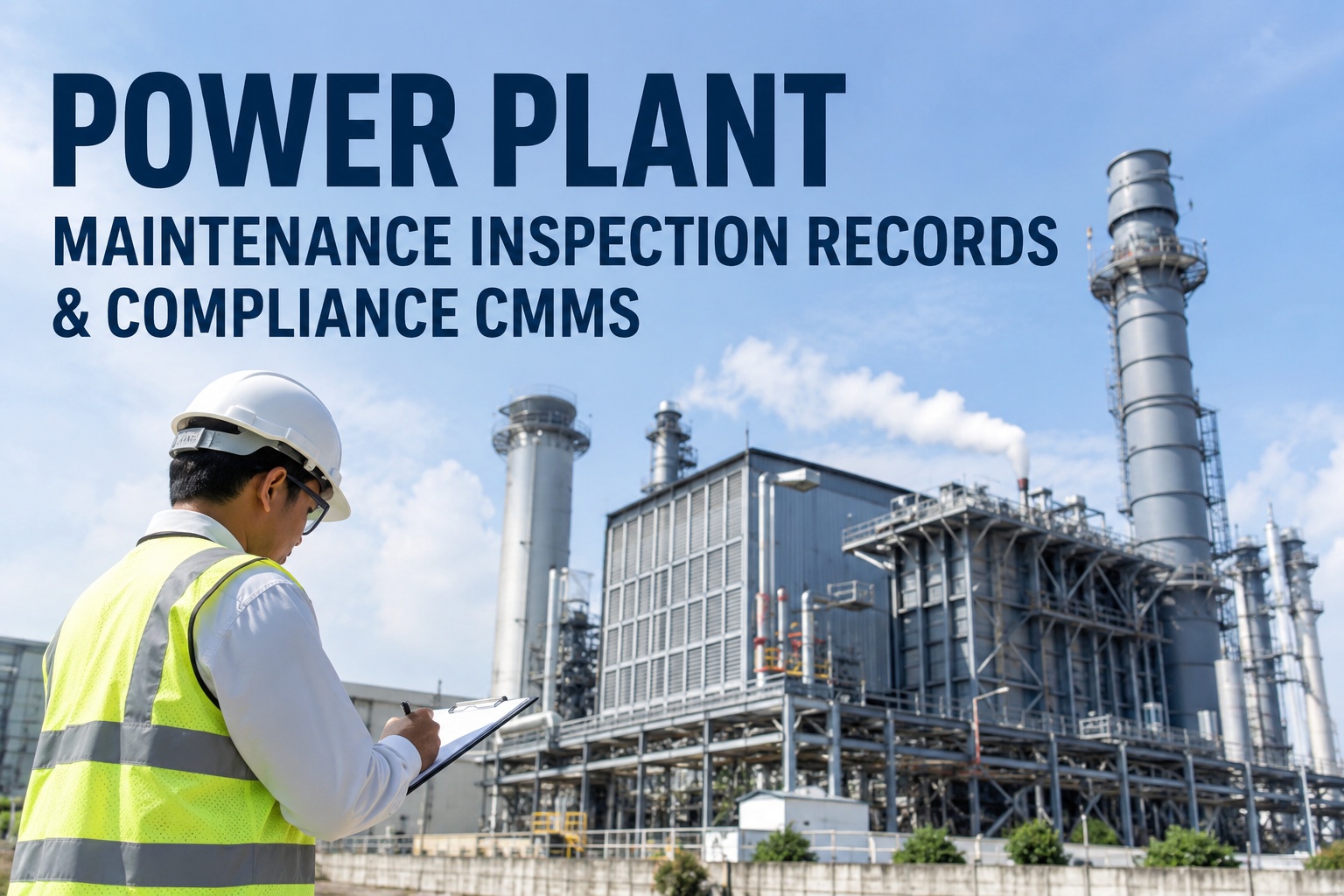
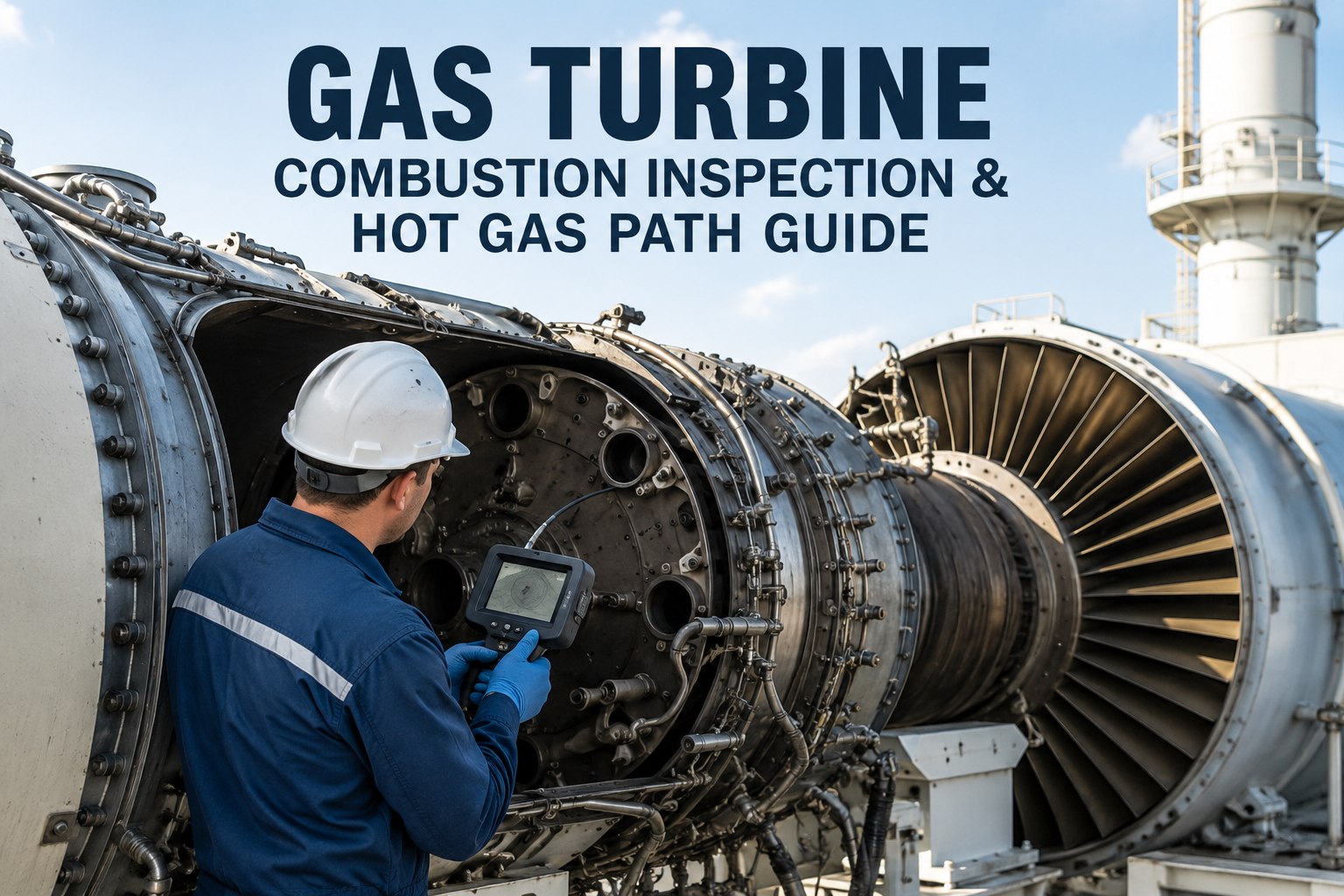
Gas turbine combustion systems—DLN (dry low NOx) burners, fuel nozzles, liners, and flame detectors—are the most dynamically stressed components in any power plant. Combustion dynamics, thermo-acoustic pulsations, and fuel maldistribution can lead to hardware damage, forced outages, and emissions non-compliance within hours. A structured combustion inspection program integrated with a CMMS like Oxmaint captures flame stability trends, NOx tuning adjustments, and burner degradation patterns to prevent catastrophic failures and optimize fuel flexibility.
Combustion Inspection & DLN Burner Programs
Master Gas Turbine Combustion Reliability with Data-Driven DLN Burner Management
From flame instability detection to fuel nozzle refurbishment—connect every combustion tuning event, inspection finding, and maintenance action for zero unplanned trips and lower NOx.
70%
Reduction in combustion-related forced outages with CMMS-tracked DLN tuning
15%
Lower NOx emissions through documented burner-to-burner balancing
3x
Longer fuel nozzle life using predictive replacement schedules
What Are Combustion and DLN Burner Inspection Programs?
DLN (Dry Low NOx) combustion systems use multiple fuel stages and premixed flames to control thermal NOx formation. However, these systems are sensitive to fuel composition, ambient conditions, and burner hardware condition. A combustion inspection program includes: borescope inspections of liners and transition pieces, fuel nozzle flow testing, flame scanner validation, and dynamic pressure monitoring. When linked to a CMMS, every tuning change, inspection finding, and part replacement is traceable—enabling root cause analysis of combustion dynamics and proactive burner refurbishment.
DLN Burner Stages
Primary, secondary, and tertiary fuel stages. Inspect for tip cracking, fuel port plugging, and staging valve calibration. CMMS tracks tuning parameters per load point.
Inspect every 8,000 hrs
Fuel Nozzles
Gas and liquid nozzles. Flow testing, coking inspection, and swirl tip condition. Oxmaint links serial numbers to flow test certificates and replacement intervals.
Flow drift >5% triggers action
Flame Scanners & Detectors
UV/IR sensors, signal validation, and purge timing. Inspect lens contamination and cable integrity. Digital records ensure false trip prevention.
Calibration every 4,000 hrs
Combustion Dynamics Monitors
Pressure transducers, dynamic pressure sensors. Track amplitude and frequency trends. CMMS alerts when pulsations exceed thresholds.
Predictive alerting enabled
| Inspection Activity | Typical Frequency | Key Parameters | CMMS Deliverable |
| Borescope of liners/transitions |
2,000-4,000 hours |
Cracks, burn-through, coating loss |
Image attachments + work order for repair |
| Fuel nozzle flow test |
8,000-12,000 hours |
Flow coefficient, spray angle, coking |
Serialized test certificates + RUL update |
| DLN tuning validation |
After major maintenance or fuel switch |
Flame temperature, NOx, CO, dynamics |
Tuning report + trend analysis |
| Flame scanner functional check |
Annual or 4,000 hours |
Signal strength, response time |
Calibration record linked to burner |
Connect Combustion Dynamics to Maintenance Work Orders
Rising pulsation amplitudes or repeated flame loss events often indicate fuel nozzle wear or staging valve drift. Oxmaint links dynamic pressure data, inspection records, and corrective tasks so root cause reaches the hardware level—not just the control room.
Best Practices for Combustion & DLN Burner Program Optimization
Fuel Flexibility Management
Track Wobbe index variations and adjust DLN tuning parameters. A CMMS records each tuning change per fuel batch, enabling fast rollback if combustion instability reappears. Prevents flame-out and backfire events.
Dynamic Pressure Trending
Monitor peak-to-peak amplitudes and dominant frequencies. Oxmaint alerts when pulsations exceed 80% of alarm limit. Early detection of burner degradation prevents liner cracking and transition piece failure.
Fuel Nozzle Lifecycle Tracking
Assign QR code to each nozzle. Record installation, fired hours, flow test results, and refurbishment cycles. Predictive replacement based on flow drift (greater than 5%) rather than fixed hours.
Flame Scanner Validation Log
Document gain settings, purge times, and cross-flame confirmation. Use CMMS to schedule quarterly optical path checks. Reduces nuisance trips due to lens contamination or cable degradation.
Classical vs. CMMS-Enabled Combustion Programs
Traditional Combustion Program
Paper logs of tuning events and inspections
No trend analysis of flame instability
Fuel nozzle changes based on fixed hours only
Manual work orders for scanner calibration
Separate dynamic pressure data files
Difficult to correlate tuning changes to trips
Oxmaint CMMS-Powered Program
Digital tuning log with before/after parameters
Auto-detection of pulsation trends (FFT analysis)
Condition-based nozzle replacement using flow drift
Auto-generated PMs for scanner validation
All dynamic data linked to asset timeline
Fleet-wide combustion health dashboard
End-to-End Combustion Inspection Workflow with Oxmaint
1
Schedule Combustion PM
Define inspection type based on fired hours, starts, or dynamics alerts. Oxmaint triggers borescope inspection or fuel nozzle flow test automatically.
2
Record Findings & Tuning Changes
Log crack lengths, fuel nozzle flow deviation, and staging valve positions. Attach borescope images and tuning reports directly to the asset record.
3
Generate Corrective Work Orders
Findings exceeding thresholds (e.g., nozzle flow drift >5%) auto-create work orders for cleaning, repair, or replacement. No manual entry.
4
Update Lifecycle & Tuning History
System calculates remaining nozzle life based on flow degradation rate. Maintain full tuning audit trail for emissions reporting.
Key Metrics Improved by Integrated Combustion Programs
62%
Reduction in combustion dynamics-related trips
EPRI combustion reliability study, 2023
20%
Lower fuel nozzle replacement cost using condition-based change
Fleet benchmarking data
100%
Emissions compliance records for NSPS & BACT
Automated tuning report storage
Frequently Asked Questions
How often should DLN burner fuel nozzles be inspected?
Fuel nozzle flow testing is recommended every 8,000-12,000 fired hours. However, if combustion dynamics increase or flame instability appears, nozzle inspection should be expedited.
Oxmaint tracks flow test results and alerts when drift exceeds 5%.
What are early signs of combustion instability?
Increased dynamic pressure amplitude (above baseline), fluctuating exhaust temperature spread, rising CO emissions, and flame scanner signal oscillation. Logging these in a CMMS helps correlate with tuning changes or fuel properties.
How does a CMMS improve DLN tuning management?
Every tuning adjustment for fuel splits, staging valves, and inlet bleed heat can be recorded alongside combustion dynamics response.
Oxmaint creates a searchable tuning history per turbine, enabling fast diagnosis of tuning-related trips.
What emissions records are required for combustion inspection audits?
NSPS (New Source Performance Standards) and BACT (Best Available Control Technology) require documented tuning events, NOx/CO compliance tests, and DLN hardware maintenance records. Oxmaint stores all tuning reports and links them to work orders.
Can Oxmaint integrate with combustion dynamics monitoring systems?
Yes. Oxmaint accepts manual uploads or API data from third-party dynamics monitors. Alerts can be configured when pulsation thresholds exceed setpoints, automatically creating inspection work orders.
Book a demo to see integration options.
Build a Zero-Trip Combustion Program with Full Traceability
Eliminate unplanned combustion outages by connecting fuel nozzle life, dynamics trends, and tuning records in one platform. Oxmaint gives you audit-ready emissions reports and predictive burner maintenance. Start free or schedule a 30-minute walkthrough.