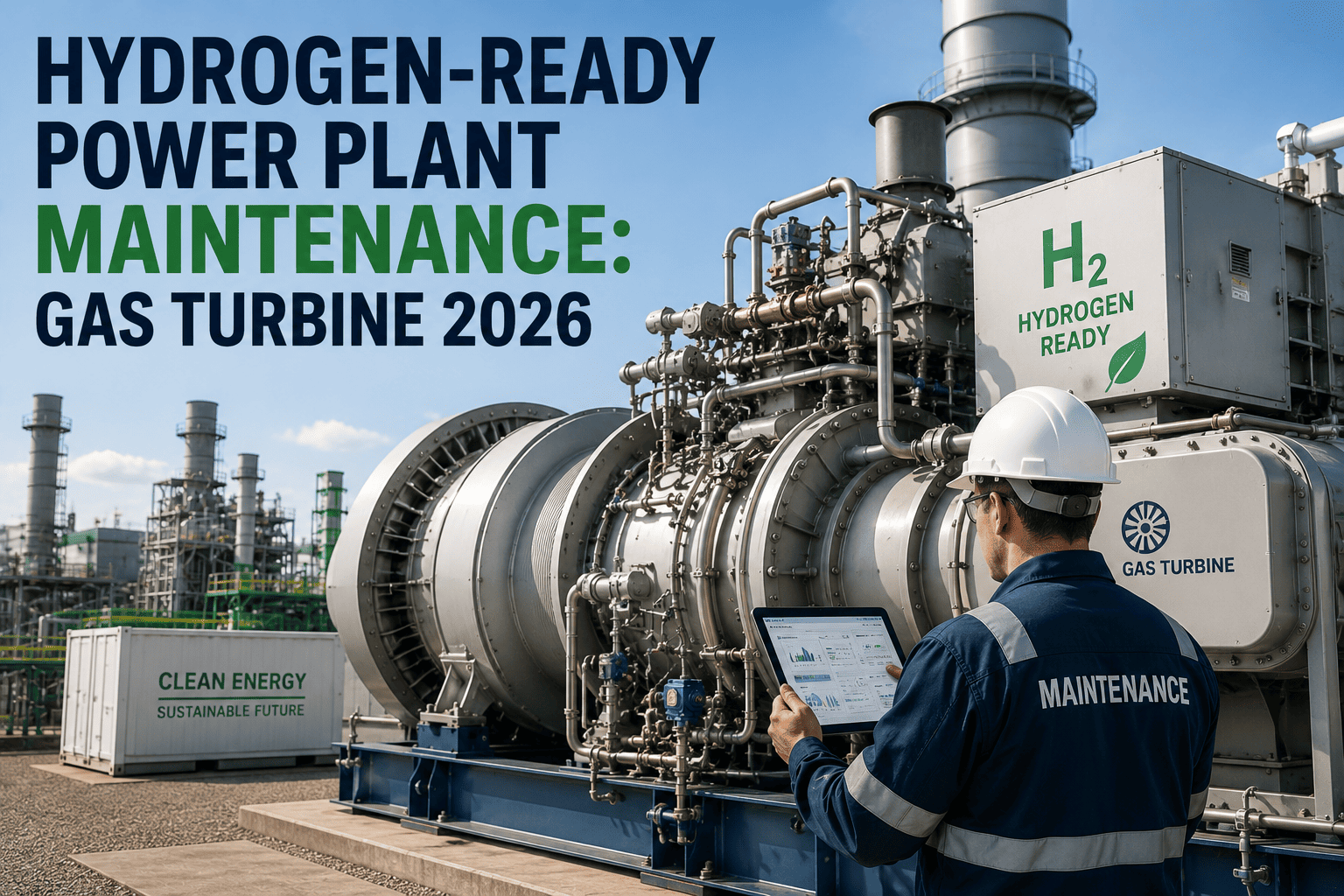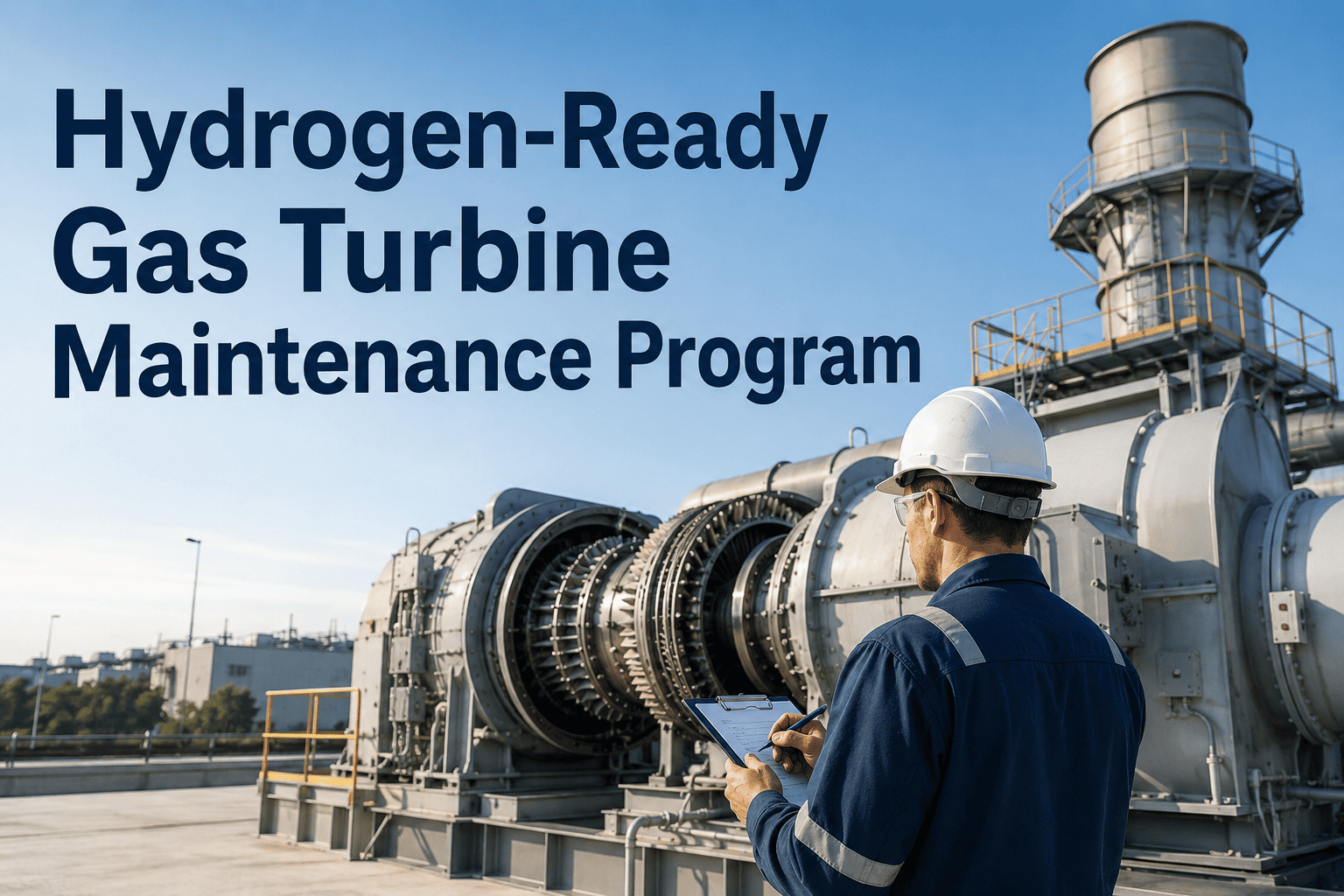
Gas turbines running on hydrogen blends operate in fundamentally different combustion conditions than those designed for natural gas — higher flame speeds, wider flammability limits, and increased NOx formation all demand tighter inspection intervals and more precise combustion tuning records than traditional maintenance programs provide. As utilities and independent power producers accelerate hydrogen co-firing pilots, the gap between OEM-specified maintenance and actual field conditions is widening, creating hidden asset risk that standard CMMS setups weren't built to track. OxMaint's asset management platform gives gas turbine operators the structured inspection framework, combustion history logs, and safety task management needed to maintain hydrogen-blend turbines safely and efficiently. Whether you're at 5% hydrogen blend or working toward 30%, your maintenance program needs to evolve ahead of the fuel, not after a combustion event. Explore how leading power producers are building hydrogen-ready PM programs — start your free trial or book a 30-minute demo with an OxMaint engineer.
Your Gas Turbine Maintenance Program Wasn't Built for Hydrogen. It Needs to Be.
Hydrogen changes combustion dynamics in ways that stress combustor liners, transition pieces, and fuel nozzles at accelerated rates. Without updated inspection intervals, combustion tuning records, and safety task protocols, hydrogen co-firing introduces maintenance blind spots that compromise both reliability and personnel safety.
Why Hydrogen Co-Firing Changes Everything About Turbine Maintenance
Hydrogen's 8x higher flame speed than natural gas concentrates heat on combustor liners and transition pieces differently — creating hot spots that standard inspection intervals miss. Combustion hardware that would last 24,000 hours on gas may need inspection at 16,000 hours on a hydrogen blend.
Hydrogen's fuel-air ratio sensitivity means small blend percentage changes require combustion retune. Without a structured history of tuning parameters, emissions performance, and combustion dynamics — tracked per unit and per fuel blend — operators fly blind between major inspections.
Hydrogen diffuses into high-strength steel components — fuel system piping, valve bodies, and fasteners — causing embrittlement that reduces fatigue life without visible corrosion. Tracking material condition against cumulative hydrogen exposure hours requires documented maintenance history per asset.
Hydrogen increases NOx formation rates, tightening the operational window for permit compliance. Maintenance teams must correlate combustion inspection findings, tuning adjustments, and emissions data in a single timeline — not across separate systems that don't talk to each other.
What a Hydrogen-Ready Maintenance Program Looks Like in OxMaint
OxMaint structures hydrogen turbine maintenance across four capability areas — each addressing a specific gap that standard CMMS platforms leave unresolved when operators move to hydrogen blends.
Configure inspection triggers that scale with hydrogen blend percentage — a 20% H2 blend might require a combustion inspection at 16,000 hours versus the standard 24,000 on natural gas. OxMaint tracks actual firing hours per fuel mix and fires work orders accordingly, not on generic OEM schedules.
Every combustion tuning event is logged against the specific turbine asset — tuning parameters, fuel blend percentage at time of tuning, emissions performance, and technician sign-off. This history is searchable and reportable, giving engineering teams the data correlation they need for OEM warranty support and compliance documentation.
OxMaint includes configurable safety task templates specific to hydrogen fuel systems — gas detection calibration, purge procedure verification, hydrogen seal system integrity checks, and ATEX zone compliance verification. Each safety task generates its own work order with mandatory sign-off before the unit returns to service.
Maintain complete OEM service history alongside your internal maintenance records — essential for warranty claims during hydrogen transition periods. OxMaint stores technical bulletins, service notes, and OEM inspection findings as linked documents against specific asset records, with version control and date tracking.
See How OxMaint Handles H2-Blend Turbine Maintenance
From adjusted inspection intervals to combustion tuning logs and hydrogen safety checklists — watch a live demo configured for gas turbine operators transitioning to hydrogen blends.
Critical Inspection Points for Hydrogen Co-Firing Gas Turbines
How Hydrogen Turbine Maintenance Changes When You Have the Right System
| Maintenance Area | Without OxMaint | With OxMaint |
|---|---|---|
| Inspection Intervals | Standard OEM gas schedule applied regardless of H2 blend — hot section wear outpaces maintenance | Intervals automatically adjusted per active H2 blend percentage — work orders fire at correct thresholds |
| Combustion Records | Tuning records in separate spreadsheets with no link to asset history or emissions data | Every tuning event logged against asset with fuel blend, parameters, and emissions correlation |
| Safety Compliance | Hydrogen safety tasks tracked informally — gaps discovered during audits or incident investigations | Pre-built H2 safety task library with mandatory sign-off before return to service — full audit trail |
| OEM Warranty | Fragmented maintenance history makes warranty claims difficult to substantiate during H2 transition | Complete asset history with OEM bulletin links — warranty support documentation always ready |
Hydrogen Turbine Maintenance — What Engineering Teams Ask Most
Can OxMaint track different inspection intervals for different hydrogen blend percentages?
How does OxMaint maintain combustion tuning history linked to specific turbine assets?
Does OxMaint include safety task templates for hydrogen-specific hazards?
Can we track hydrogen embrittlement inspection data for fuel system components over time?
How does OxMaint help maintain OEM warranty compliance during hydrogen transition?
The Fuel Is Changing. Your Maintenance Program Needs to Change First.
OxMaint gives gas turbine operators the asset management infrastructure to run hydrogen blends safely and maintain OEM compliance throughout the transition — with inspection intervals, combustion records, and safety tasks built to move with your fuel strategy, not lag behind it.