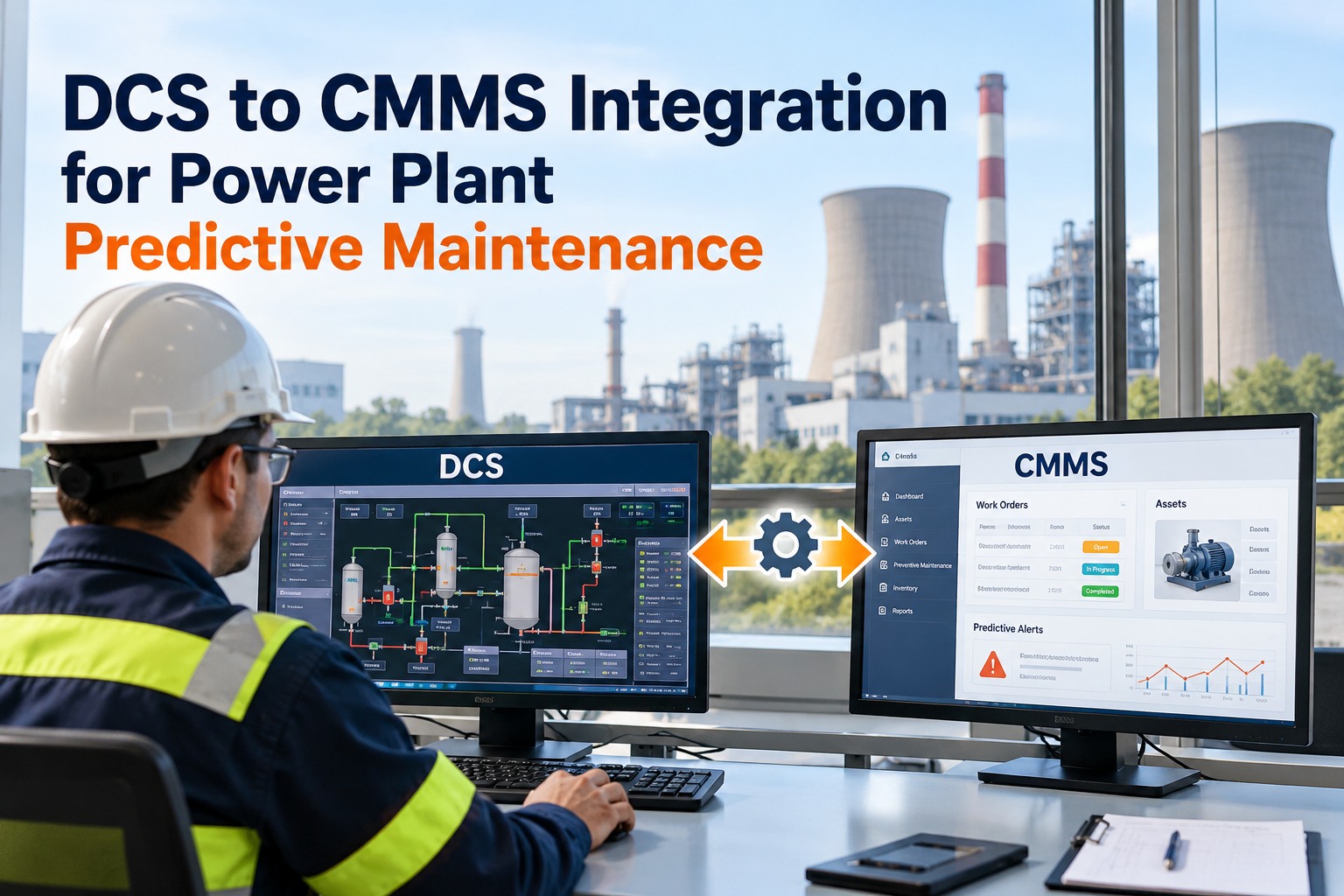
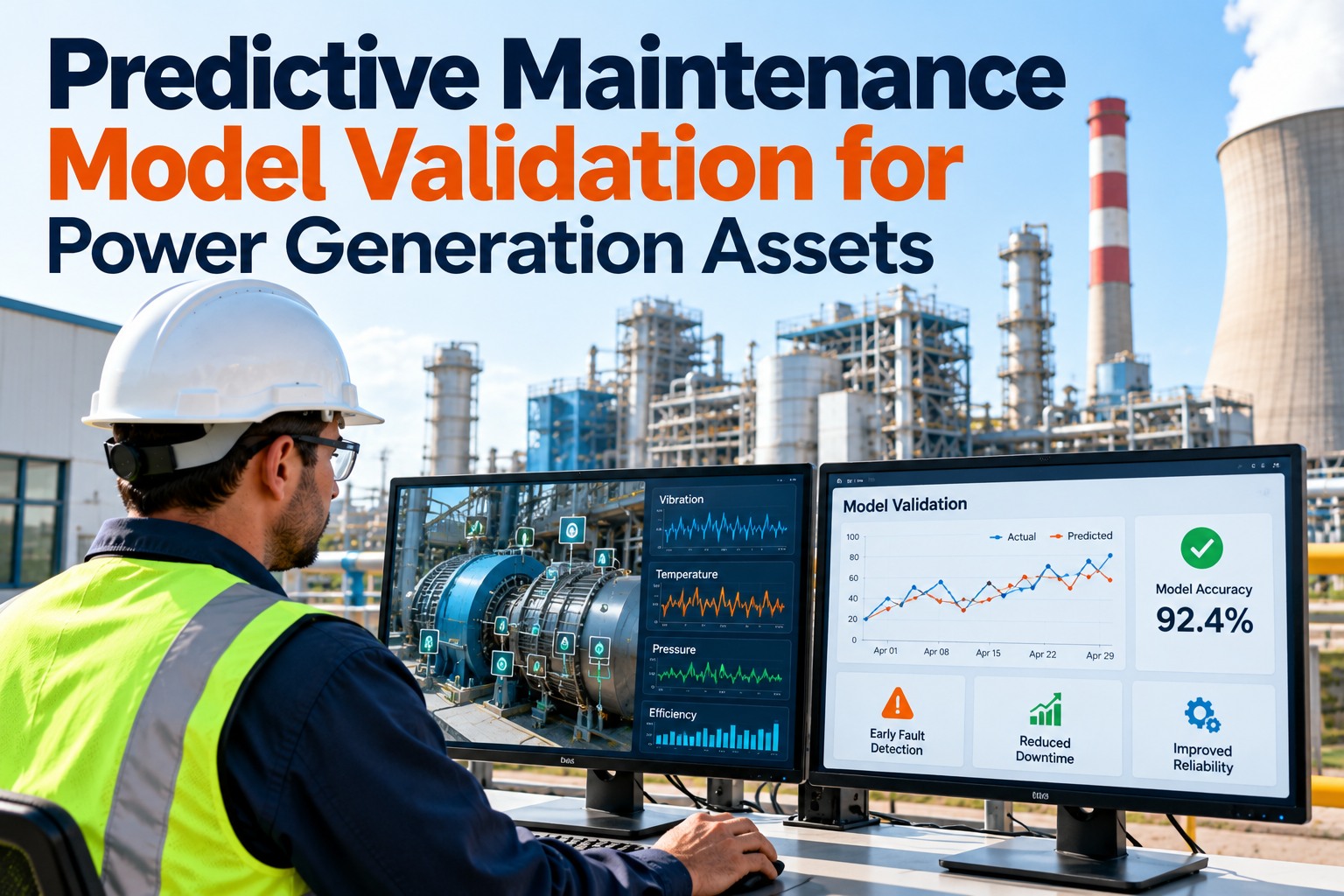
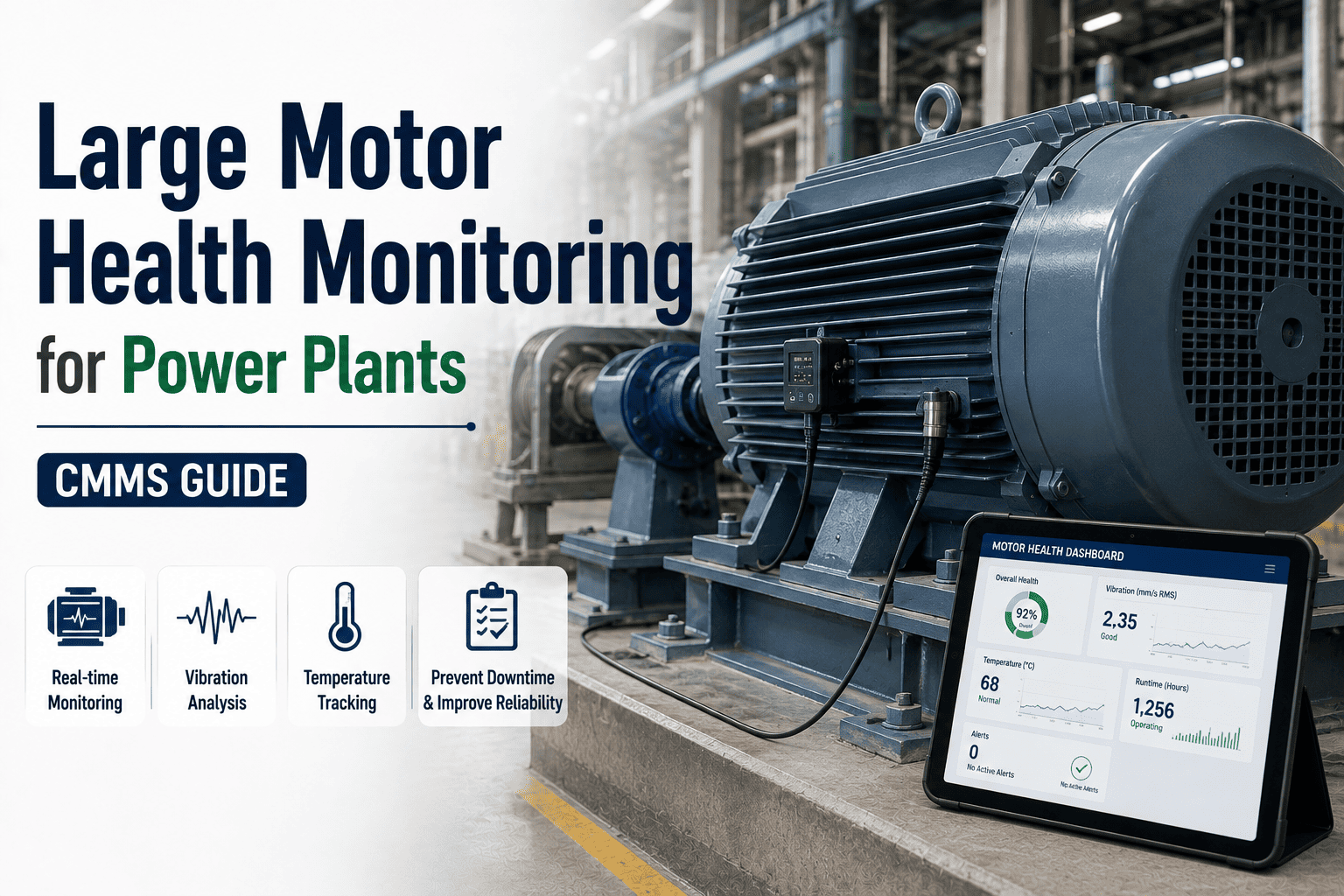
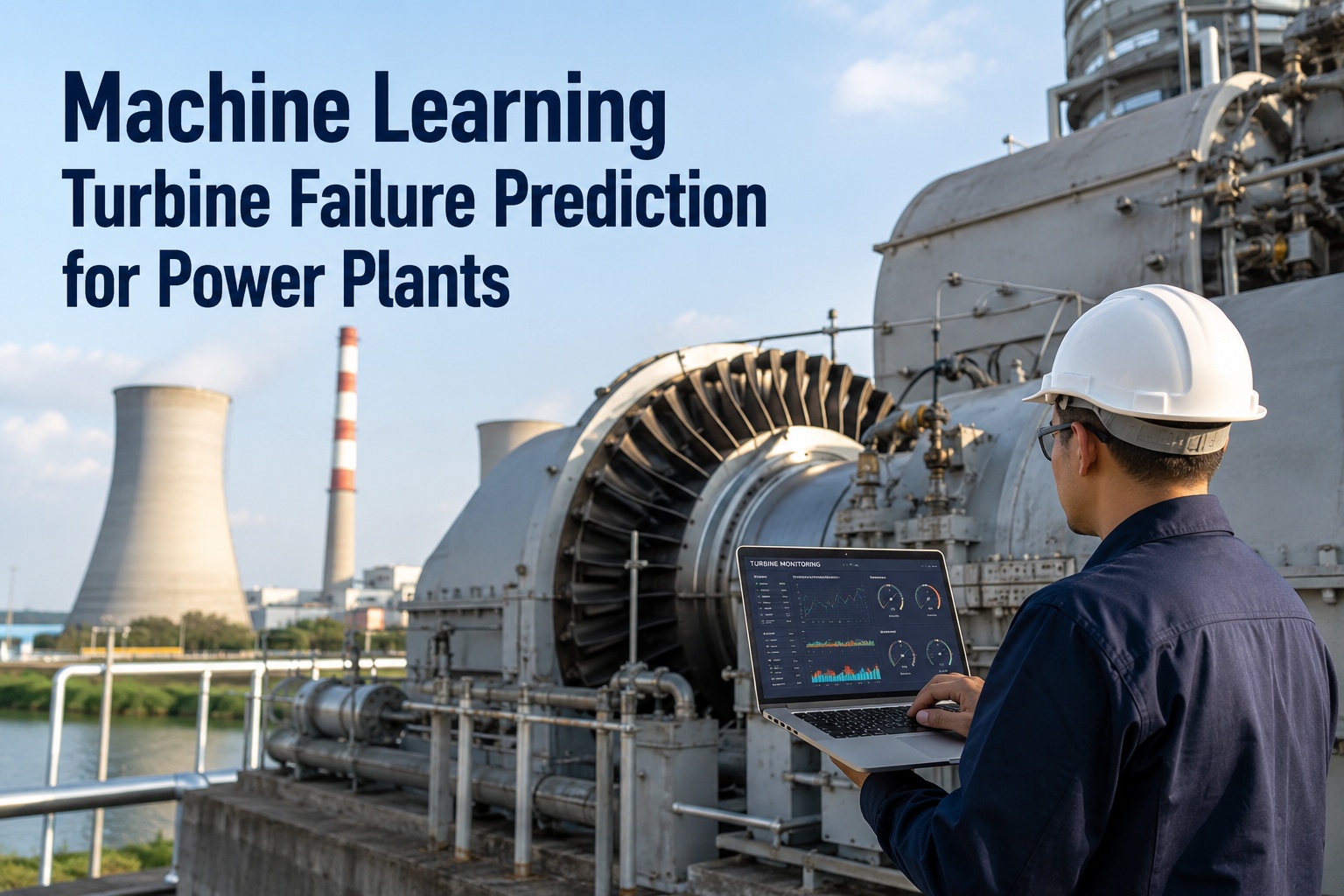
Generic AI doesn't know the difference between a Frame 7FA gas turbine and a 9HA — and that gap is exactly where maintenance decisions go wrong. Oxmaint's Industrial Large Knowledge Model is trained on equipment manuals, historical failure data, and sensor telemetry specific to power generation assets — delivering maintenance recommendations that are deterministic, traceable, and plant-specific, not statistical guesses borrowed from unrelated industries.
What Makes an Industrial Large Knowledge Model Different from Generic AI
Most "AI for maintenance" products are general-purpose language models fine-tuned on thin industrial datasets. They can answer questions about maintenance in plain language — but they cannot reason about your specific asset fleet, failure histories, or operating context. An Industrial Large Knowledge Model (ILM) is purpose-built: trained exclusively on equipment documentation, OEM service bulletins, fault code libraries, sensor reading patterns, and real-world maintenance outcomes from industrial environments.
Generic AI / LLM
Trained on internet text — not equipment manuals or failure libraries
Probabilistic output — confident-sounding but not verifiably correct
No access to your asset history or current sensor context
Cannot distinguish between equipment classes or failure modes
Recommendations cannot be audited or traced to a knowledge source
Industrial Large Knowledge Model
Trained on OEM manuals, service bulletins, and failure mode databases
Deterministic output — every recommendation traceable to a knowledge source
Reads your CMMS history and live sensor context before recommending
Equipment-class aware — gas turbine logic differs from steam turbine logic
Audit trail on every recommendation — who, what, why, and from which data
The Three Knowledge Layers That Power Plant AI Must Understand
Layer 1
Equipment Knowledge
OEM manuals, torque specs, clearance tolerances, lubrication grades, alignment procedures, and failure mode catalogs for every asset class in the plant. This is the foundational knowledge layer — without it, the model cannot reason about what a specific fault code means for a specific machine.
Source: OEM docs, FMEA libraries, service bulletins
Layer 2
Operational History
Your plant's actual work order records, failure events, repair costs, technician notes, and parts consumption history — indexed by asset, date, and failure mode. This layer transforms generic equipment knowledge into plant-specific intelligence that improves with every maintenance cycle completed.
Source: CMMS work orders, failure logs, cost records
Layer 3
Real-Time Sensor Context
Live and trended readings — vibration, temperature, pressure, current draw, and speed — fed into the model alongside equipment knowledge and operational history. This layer enables the model to reason about what is happening right now, not just what historically tends to happen.
Source: Plant DCS, SCADA historian, IoT edge sensors
Five Maintenance Decisions That ILM Changes in Power Plants
Maintenance Decision
Without ILM
With ILM in CMMS
Reliability Impact
Bearing replacement interval
Fixed calendar schedule regardless of actual condition
Interval adjusted per vibration trend and operating hours on this specific unit
15–25% reduction in premature replacements
Fault code response
Technician looks up code manually — often misdiagnosed in first visit
ILM maps code to failure mode, cross-references recent sensor readings, and suggests probable root cause
40% fewer repeat work orders on same fault
Outage window planning
Maintenance scope defined by calendar — tasks added reactively when issues found
ILM surfaces deferred maintenance items and condition indicators to build risk-ranked outage scope
20–30% reduction in outage scope surprises
Spare parts pre-positioning
Parts ordered reactively after failure — lead times extend downtime
ILM predicts probable failure components 30–60 days ahead based on degradation signatures
35% reduction in emergency parts procurement
New technician onboarding
Institutional knowledge lives in senior technicians — retired = lost
ILM encodes historical maintenance knowledge — accessible to every technician on the floor
60% faster time-to-competency for new hires
See Industrial AI That Actually Knows Your Equipment
Oxmaint's CMMS is the operational layer where your plant's Industrial Knowledge Model runs — connecting equipment history, sensor data, and OEM knowledge into maintenance decisions your team can trust and trace.
How Oxmaint's CMMS Serves as the ILM Execution Layer
An Industrial Large Knowledge Model is only as useful as the system that acts on its outputs. Oxmaint functions as the operational execution layer — where ILM-generated maintenance recommendations become scheduled work orders, assigned technicians, tracked completions, and documented outcomes that feed the model's next recommendation cycle.
01
Sensor Data Ingested
DCS and SCADA feeds stream into Oxmaint. Anomaly patterns trigger the ILM reasoning layer against equipment knowledge and failure history.
→
02
Recommendation Generated
ILM surfaces a ranked recommendation with confidence level, probable cause, suggested task, and knowledge source citation — not just a raw alert.
→
03
Work Order Dispatched
Maintenance planner reviews and approves — or the system auto-dispatches based on criticality. Technician receives task on mobile with ILM reasoning context attached.
→
04
Outcome Captured
Findings, parts used, and actual root cause documented at closure. This outcome feeds back into the operational history layer — the model learns from every job.
What Power Plant Operators Say About Knowledge-Driven Maintenance
We had 22 years of maintenance records locked in spreadsheets. The moment that history became searchable context for our AI recommendations, first-visit fix rates went from 67% to 89% in eight months.
Reliability Manager — 800 MW Combined Cycle Plant
Our senior technicians were retiring and taking 30 years of equipment knowledge with them. An ILM-backed CMMS let us encode that knowledge before it walked out the door.
VP Operations — Regional Utility, 4 Plant Facilities
Frequently Asked Questions
Industrial AI for Power Plant Maintenance
Your Equipment Has a Failure History. Your AI Should Know It.
Oxmaint connects your maintenance records, sensor data, and equipment knowledge into an intelligence layer that makes every work order smarter.
Talk to a plant reliability specialist or start building your knowledge-driven maintenance program today.