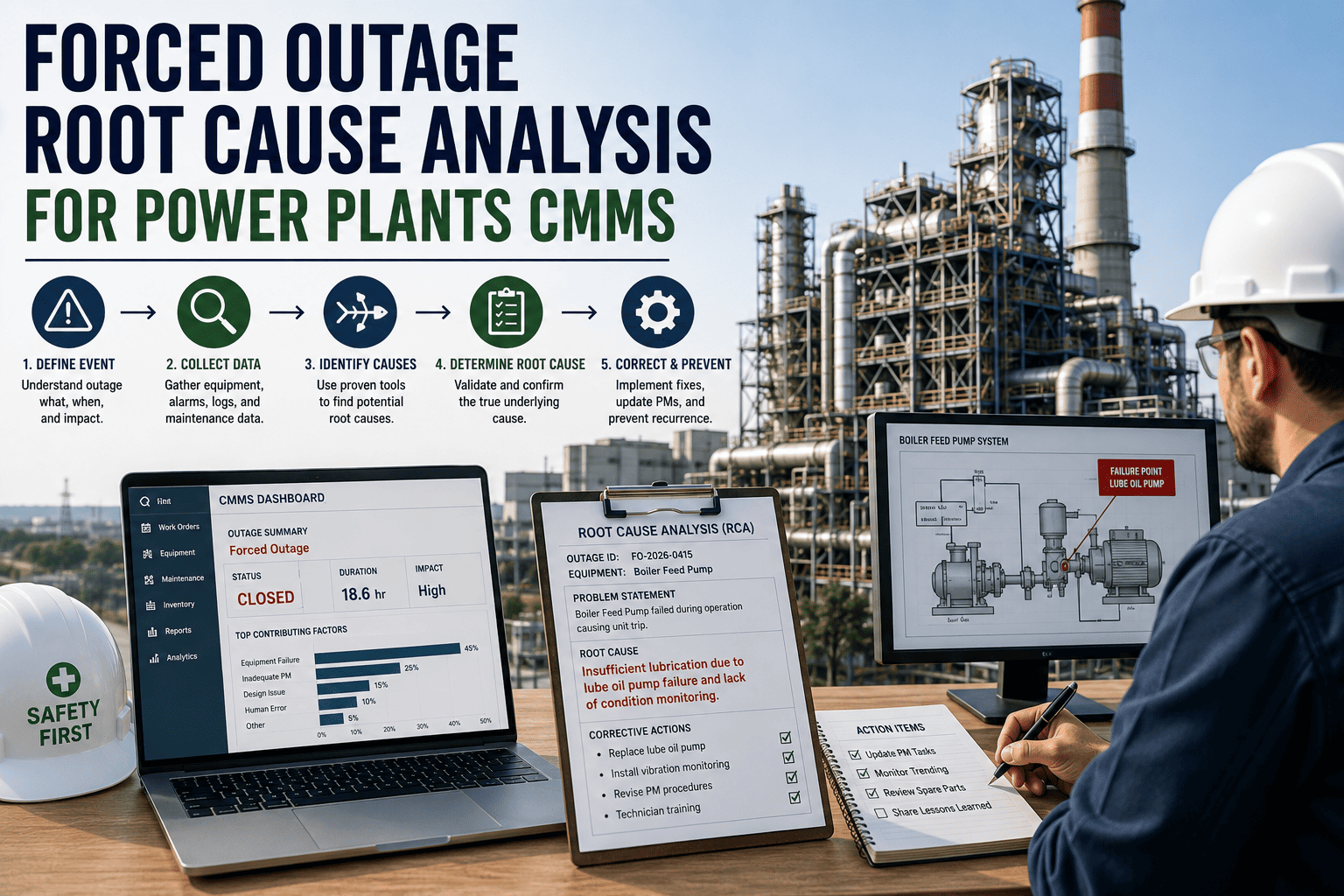
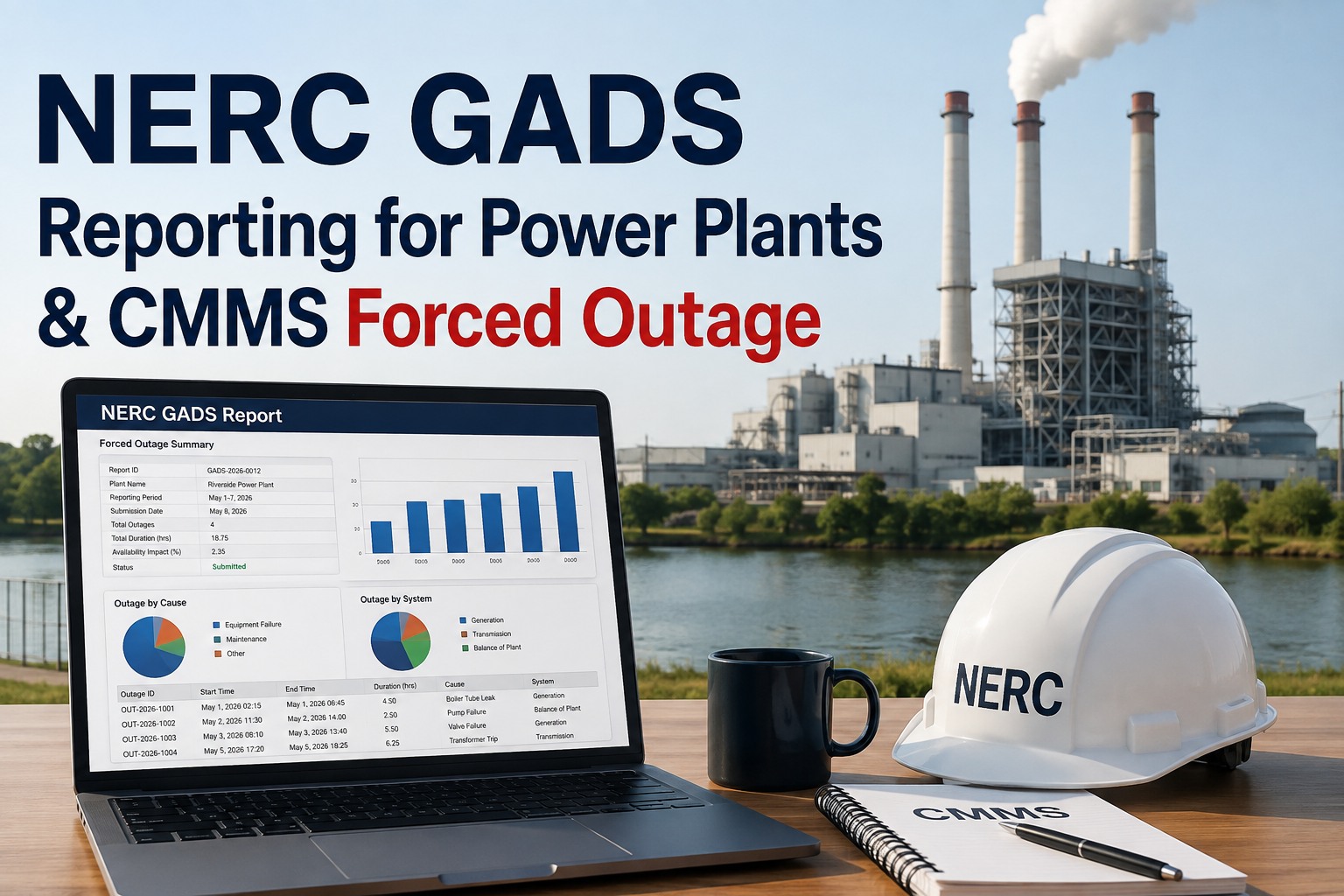
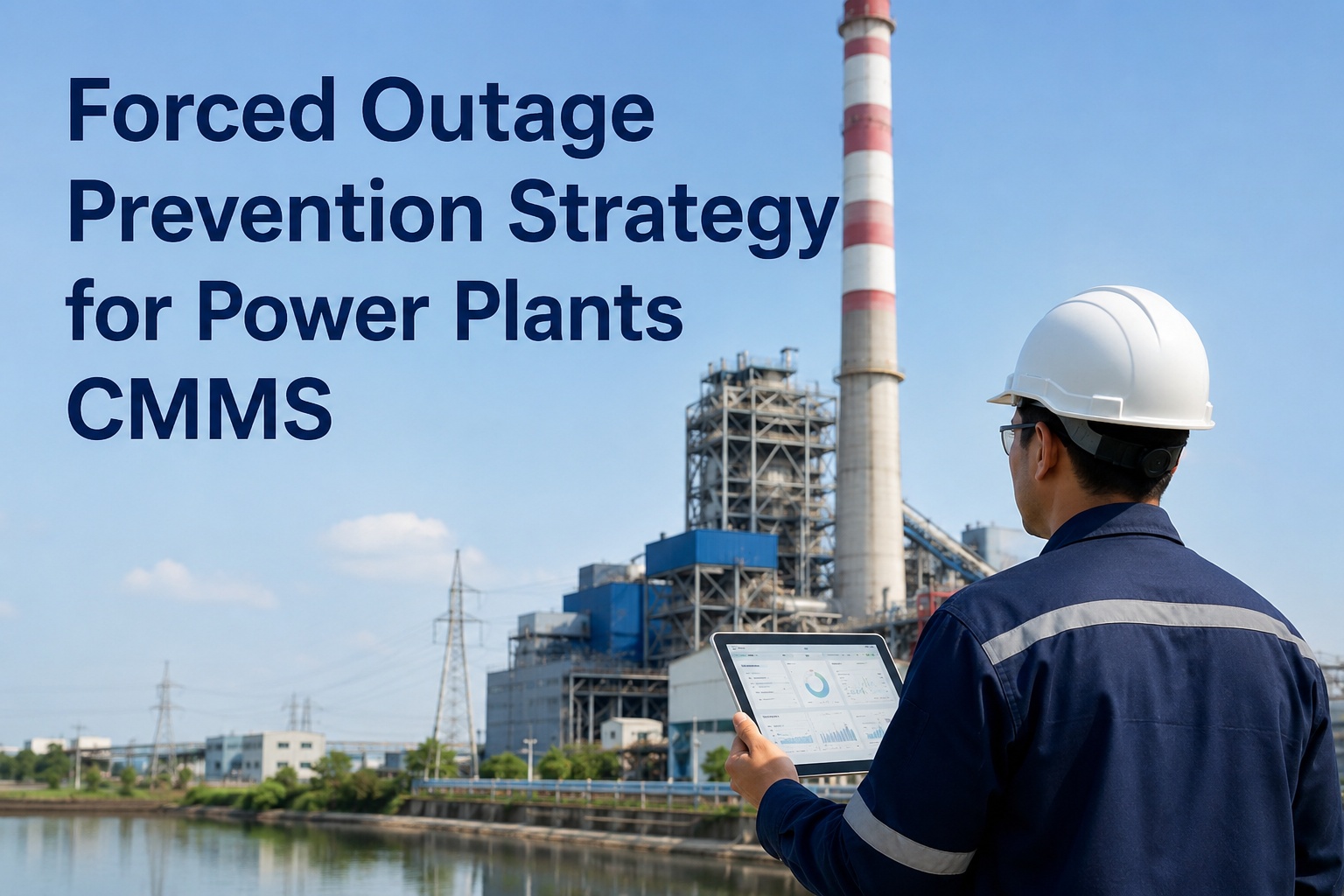
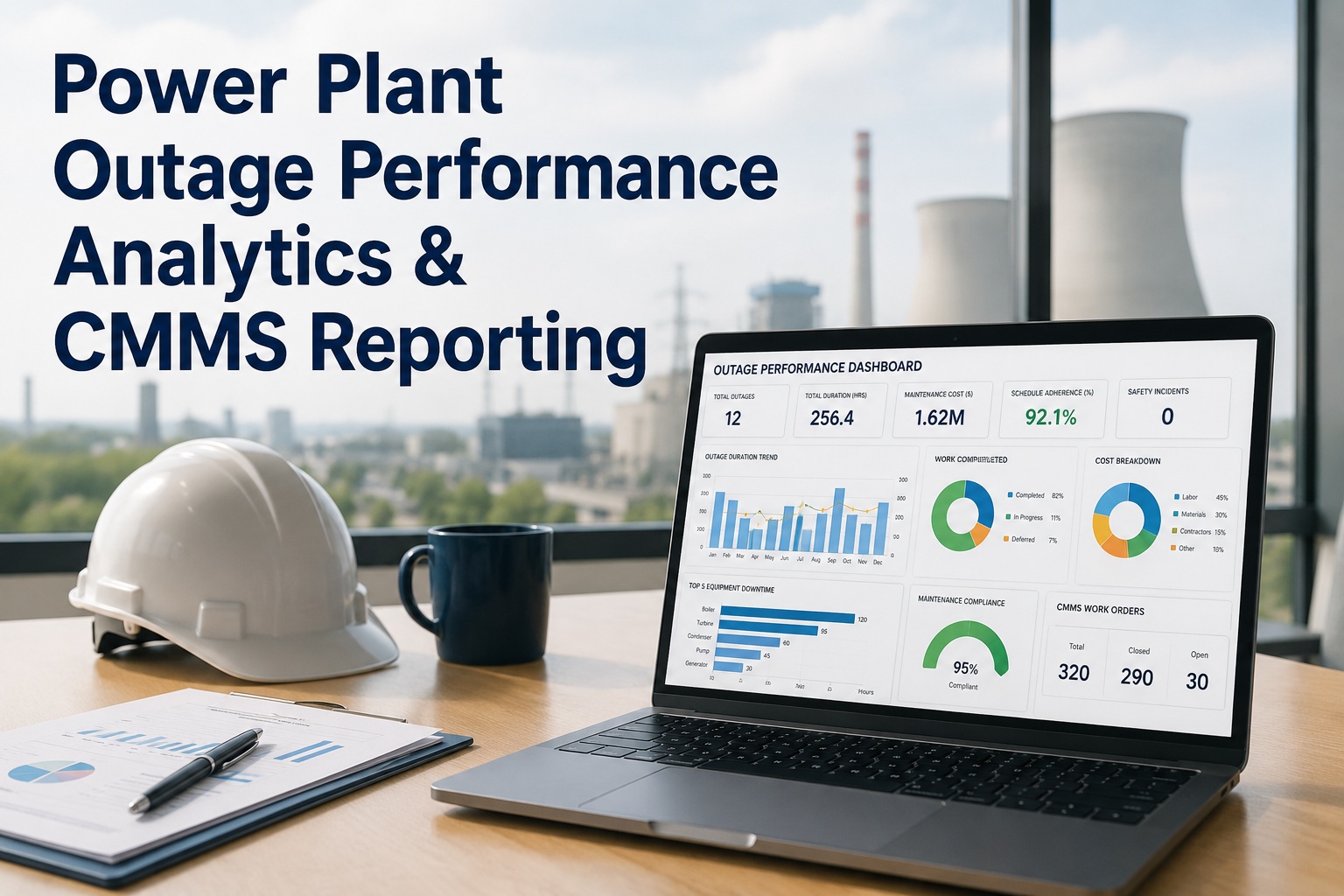
When a turbine bearing fails at 2 AM, your plant doesn't just lose power generation—it hemorrhages money at $125,000 per hour. Add emergency contractor premiums, expedited parts shipping, and grid penalty fees, and a single forced outage can drain $500,000 to $2 million from your bottom line before sunrise. The harsh reality? 69% of power plants experience unplanned outages at least once a month. But here's what separates industry leaders from the rest: they've learned to predict failures weeks in advance, transforming crisis spending into controlled maintenance costs. Plants that sign up for OXmaint's predictive maintenance platform are catching equipment issues before they become costly emergencies.
Industry Reality Check
The Hidden Cost of Unplanned Downtime
What forced outages really cost your power plant
$1.4T
Lost annually by Fortune 500 companies
Siemens 2024 Report
$125K
Average cost per hour of downtime
ABB Value of Reliability
69%
Plants with monthly unplanned outages
Industry Survey 2024
What's Really Causing Your Forced Outages?
Understanding the root causes of unplanned shutdowns is the first step toward eliminating them. According to the National Energy Technology Laboratory (NETL), more than half of all forced outages at power plants stem from equipment failures that could have been detected weeks or months in advance with proper monitoring. Want to see how your plant's maintenance data compares? Book a free 30-minute consultation with our power plant specialists.
Balance of Plant Issues
15%
Steam Turbine Failures
13%
Key Insight: Over 90% of these failures show detectable warning signs days to weeks before complete breakdown
The True Financial Impact Goes Beyond Lost Generation
Plant managers often underestimate the total cost of unplanned downtime by focusing only on lost revenue. The reality is far more complex. Every forced outage triggers a cascade of expenses that can multiply the initial damage by 3-5 times.
Direct Costs
Lost Generation Revenue
$125,000/hr
Emergency Parts Premium
40-60% markup
Overtime Labor
2-3x normal rates
Indirect Costs
Grid Penalty Fees
$50,000+
Spot Market Purchases
Variable
Collateral Equipment Damage
$100,000+
Hidden Costs
Regulatory Scrutiny
Ongoing
Insurance Premium Increase
5-15%
Reputation Damage
Immeasurable
Total Cost Per Major Forced Outage
$500,000 - $2,000,000+
How Leading Plants Are Eliminating Unplanned Downtime
The good news? Industry data shows that plants implementing comprehensive predictive maintenance and asset monitoring systems have reduced unplanned downtime by 30-50%. The average large plant has cut monthly downtime from 39 hours to just 27 hours over the past five years—and the leaders are doing even better. Ready to join them? Start your free OXmaint trial today and see the difference AI-driven maintenance makes.
42
Monthly incidents (2019)
21%
Still use run-to-failure
25
Monthly incidents (2024)
Reduction in Unplanned Downtime
Improvement in Downtime Forecasting
Reduction in Maintenance Costs
Average ROI on PdM Investment
The OXmaint Approach: From Reactive to Predictive
Modern CMMS platforms like OXmaint transform how power plants manage maintenance by connecting real-time asset monitoring with automated work order generation. When a bearing starts showing early signs of wear, the system doesn't just alert you—it creates a prioritized work order, checks parts inventory, and schedules the repair during your next planned outage window. To see this workflow in action with your plant's equipment data, schedule a personalized demo with our team.
01
Continuous Monitoring
IoT sensors track vibration, temperature, and performance metrics 24/7
02
AI-Powered Analysis
Machine learning detects anomalies weeks before visible symptoms appear
03
Automated Work Orders
System generates prioritized maintenance tasks with full diagnostic context
04
Scheduled Intervention
Repairs happen during planned windows at standard labor rates
Without Predictive Maintenance
Monthly unplanned outages
1-2 events
Average repair cost
$500K - $2M
Annual downtime losses
$3M - $12M+
VS
With OXmaint CMMS
Planned maintenance events
Scheduled
Average repair cost
$50K - $150K
Annual savings potential
$2M - $10M+
Stop Losing Money to Preventable Failures
See how OXmaint's AI-driven maintenance analytics can predict equipment failures at your plant—before they become costly emergencies.
Frequently Asked Questions
How much does unplanned downtime really cost a power plant?
According to the ABB Value of Reliability report, the average industrial facility loses $125,000 per hour of unplanned downtime. For power plants specifically, costs can exceed $500,000 per incident when factoring in lost generation, emergency repairs, grid penalties, and collateral equipment damage.
What causes most forced outages in power plants?
NETL data shows that boiler tube leaks account for over 52% of forced outages in thermal power plants, followed by balance of plant issues (15%), steam turbine failures (13%), and generator problems (12%). The common thread? Most of these failures show detectable warning signs weeks before complete breakdown.
How quickly can predictive maintenance show ROI?
Industry data shows that 95% of organizations implementing predictive maintenance report positive returns, with 27% achieving full payback within the first 12 months. Many plants recover their entire investment from a single prevented major failure.
What's the difference between preventive and predictive maintenance?
Preventive maintenance follows fixed schedules regardless of actual equipment condition—you might replace a bearing at 6 months even if it has years of life left. Predictive maintenance uses real-time data to determine the optimal intervention time, reducing both unnecessary maintenance and unexpected failures.