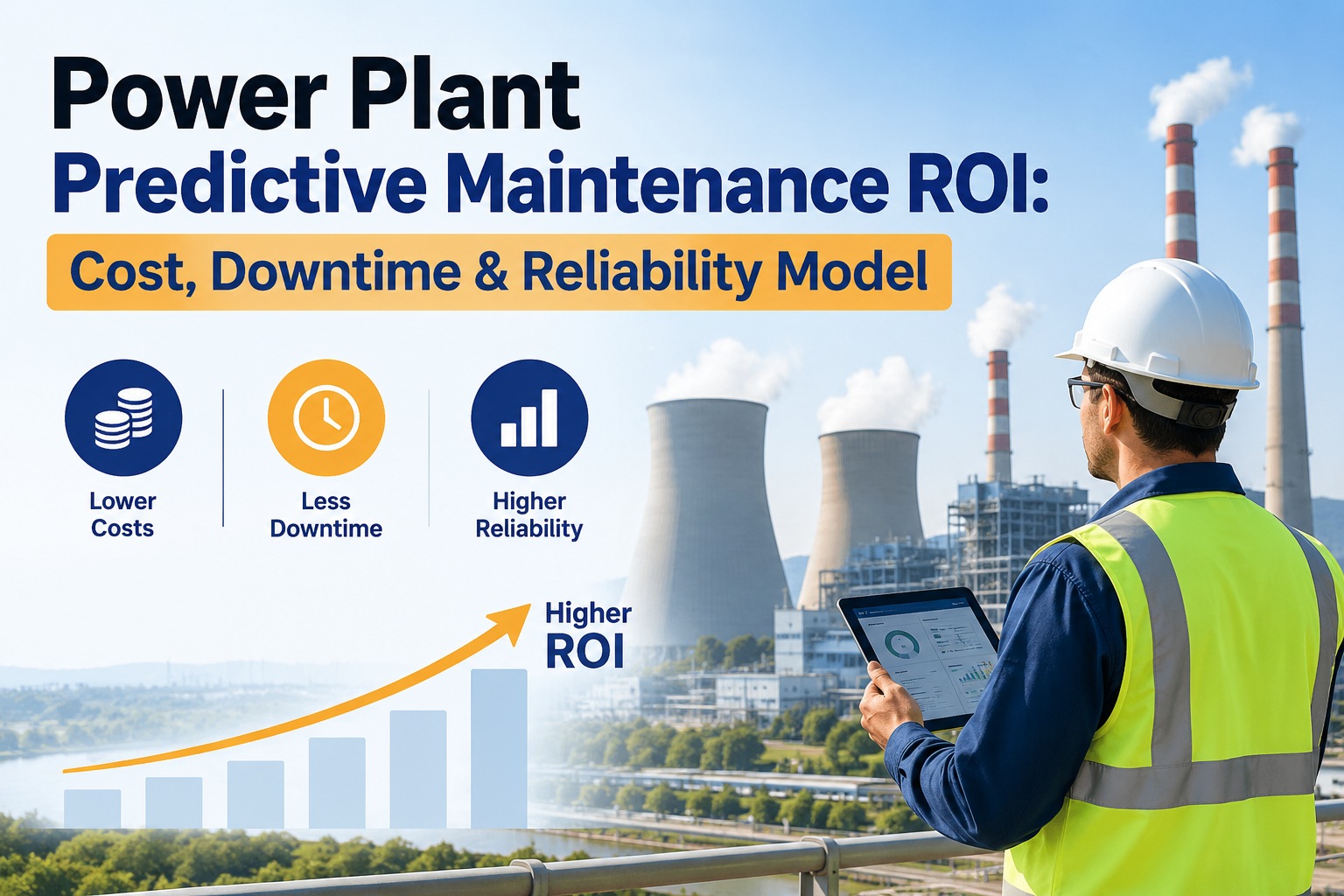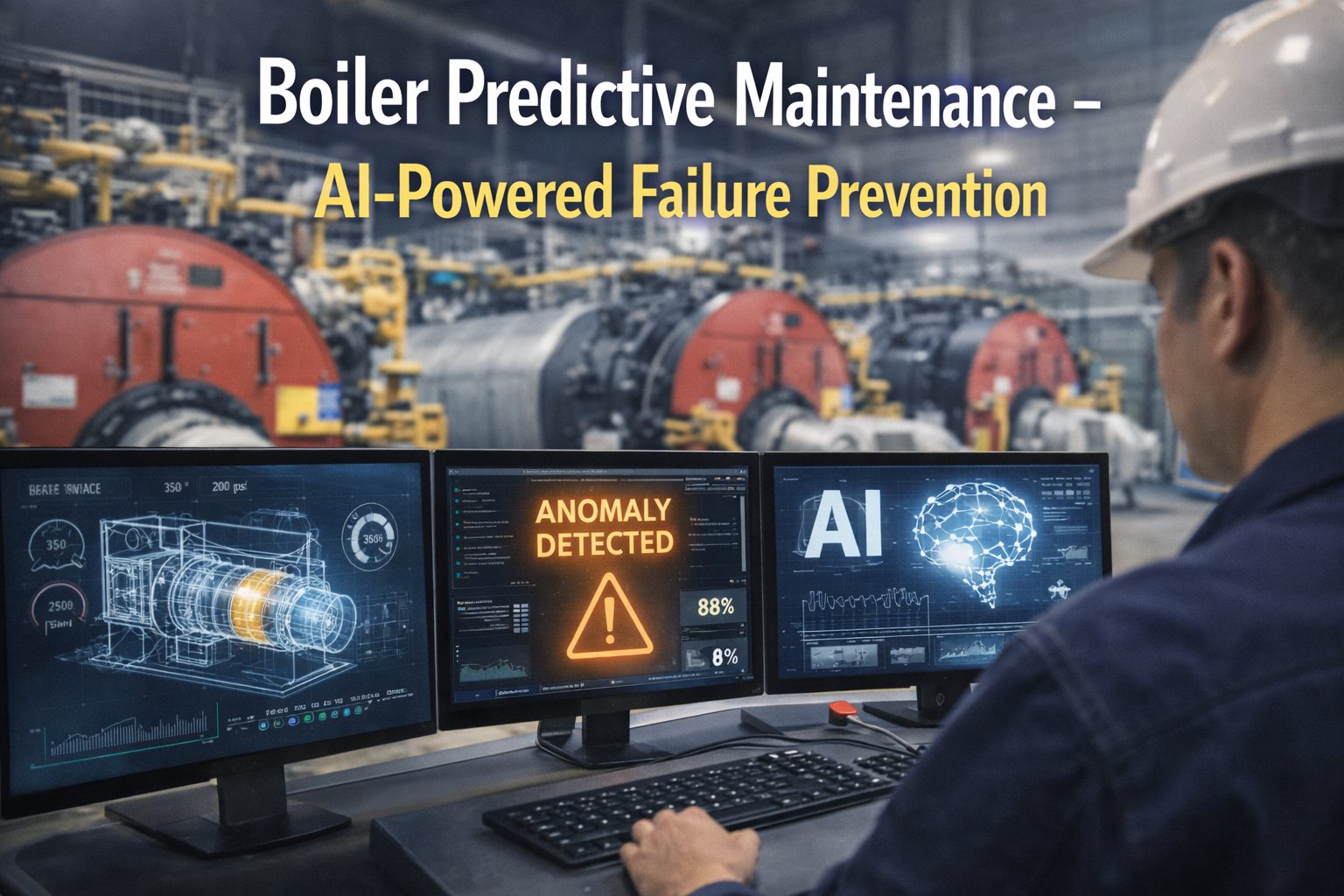
Unplanned downtime is the most expensive problem in power generation — and the most preventable. The average U.S. thermal plant experiences 5–8 forced outages per year, each costing $200,000 or more per day in lost generation, emergency repairs, and replacement power purchases. For a 500MW plant running on reactive maintenance, that adds up to $2.5M–$8M in annual losses from events that AI-powered maintenance systems are now detecting 4–12 weeks before they occur. Plants that have deployed AI monitoring through platforms like Oxmaint report 30–50% reductions in unplanned downtime within the first year — converting emergency shutdowns into planned service windows that cost a fraction of the emergency equivalent. This guide shows you exactly where downtime comes from, what AI does to stop it, and what the ROI looks like when you act early. See how Oxmaint reduces downtime or book a session with a power plant specialist.
What Unplanned Downtime Actually Costs Your Plant
Most plants undercount their downtime cost by 40–60% because they only track direct repair costs — not the cascade that follows every forced outage.
Outage
Of power plants experience at least one unplanned outage per month — the majority detectable weeks in advance.
Average direct loss from a single 5.8-hour forced outage at a large thermal facility — before insurance increases.
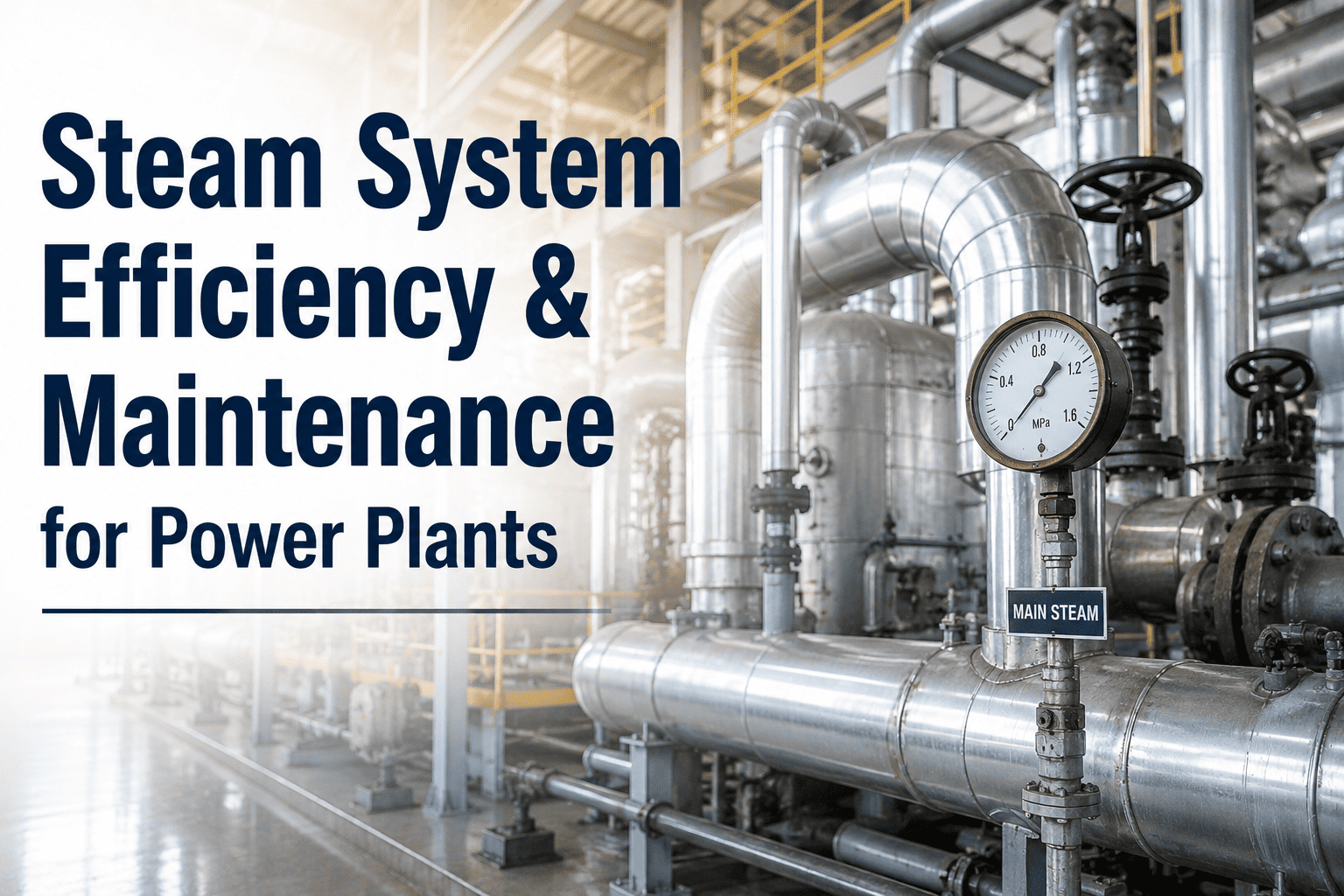
Of all forced outages at thermal plants originate in boiler system failures — the most AI-detectable failure category.
Find out which of your assets are most likely to cause your next unplanned outage — before it happens.
Oxmaint runs a live risk assessment of your critical asset fleet in your first session, at no cost.
The 4-Stage AI Downtime Prevention Model
AI doesn't eliminate downtime by being lucky. It eliminates downtime by detecting what human inspections and alarm thresholds miss — early enough to plan a response instead of scramble one.
Stage 1: Anomaly Detection
AI models identify micro-deviations in vibration, temperature, pressure, or current patterns — changes too subtle for standard alarm thresholds but characteristic of early-stage degradation. Bearing wear, rotor imbalance, insulation breakdown, and tube corrosion all have detectable signatures at this stage.
Stage 2: Failure Probability Scoring
As degradation continues, the AI assigns a rising failure probability score to the asset. This score triggers procurement — parts ordered 30 days before predicted failure at standard cost, no emergency premium. Scheduling aligns the repair to the next planned outage window.
Stage 3: Planned Intervention
Maintenance team executes the repair in a controlled, planned window. Parts are on-site, technicians are prepared, and neighbouring equipment is inspected while accessible. The repair costs 60–75% less than the same work performed as an emergency response.
Stage 4: Model Improvement
Every intervention — successful prediction or false positive — feeds back into the AI model. Accuracy improves continuously. Over 12–18 months, plants report 70–75% fewer unexpected equipment breakdowns as models mature to the specific failure signatures of their fleet.
Downtime Reduction by Equipment Class
| Equipment | Typical Failure Cost | AI Detection Lead | Downtime Reduction | Annual Savings Potential |
|---|---|---|---|---|
| Gas / Steam Turbine | $500K – $2M per event | 4–12 weeks | 35–50% | $2M – $8M |
| Generator / Transformer | $400K – $1.5M per event | 3–8 weeks | 30–45% | $1.5M – $5M |
| Boiler / Steam System | $300K – $800K per event | 4–16 weeks | 25–40% | $1M – $3M |
| Cooling Tower / Condenser | $120K – $350K per event | 2–6 weeks | 20–35% | $400K – $1.2M |
| BFP / Major Pumps | $80K – $220K per event | 10–30 days | 20–30% | $200K – $600K |
What Real Plants Report After AI Deployment
Downtime Reduction: Common Questions
Your Next Forced Outage Is Already Showing Early Signals
Somewhere in your current sensor data, a bearing is wearing, a tube is corroding, a rotor is drifting. AI sees it now. Your next inspection round won't catch it until it's an emergency. Join the plants cutting downtime by 30–50% — start with Oxmaint today.