
Duct cleaning and inspection for commercial buildings play a critical role in maintaining indoor air quality, improving HVAC system efficiency, and ensuring occupant health. Dust, debris, mold, and microbial growth accumulate in ductwork over time, reducing airflow, increasing energy costs, and potentially triggering respiratory issues. Regular commercial duct cleaning and professional air duct inspection help property managers and facility teams prevent these problems while meeting industry standards such as those set by NADCA. This comprehensive guide covers everything you need to know about commercial HVAC duct maintenance, including when to inspect, how to clean, duct leakage testing, and creating an effective duct cleaning schedule.
Why Commercial Duct Cleaning and Inspection Is Essential
In commercial buildings, HVAC ductwork distributes conditioned air throughout offices, hospitals, schools, retail spaces, and industrial facilities. Over months and years, these ducts collect dust, pollen, pet dander, construction debris, and biological contaminants. Poorly maintained duct systems can spread allergens and pathogens, leading to Sick Building Syndrome and increased absenteeism. Professional duct cleaning commercial services restore airflow and significantly improve energy efficiency by reducing strain on HVAC equipment. Book a demo
According to industry experts, neglected ductwork can reduce HVAC system efficiency by up to 20-30%. Routine air duct inspection and cleaning also help identify issues like duct leakage, which wastes conditioned air and inflates utility bills. Property managers who implement a proactive duct cleaning schedule avoid costly emergency repairs and extend the lifespan of their climate control systems. Book a demo to discover how structured maintenance programs simplify commercial duct service management.
NADCA Standards for Commercial Duct Cleaning
The National Air Duct Cleaners Association (NADCA) sets the gold standard for HVAC duct maintenance. NADCA standards recommend that commercial ductwork be inspected and cleaned when visible contamination is present or when system performance declines. Certified technicians follow strict ACR guidelines that ensure safe, effective cleaning without damaging duct materials. Sign up free
Key NADCA requirements include thorough visual inspection before and after cleaning, use of HEPA-filtered vacuum collection equipment, and proper containment to prevent cross-contamination. For commercial buildings, NADCA-compliant duct cleaning commercial procedures help meet indoor air quality regulations and support LEED certification efforts. Regular adherence to these standards ensures your duct inspection and cleaning program remains audit-ready and effective.
When to Schedule Commercial HVAC Duct Inspection and Cleaning
Determining the right duct cleaning frequency depends on building type, occupancy levels, and environmental factors. High-traffic commercial spaces such as shopping malls, hotels, and healthcare facilities typically require more frequent service than standard office buildings. Book a demo
Facility teams should conduct visual air duct inspection at least once per year. Signs that indicate immediate commercial duct cleaning include visible dust buildup at supply registers, musty odors, reduced airflow, and increased allergy complaints from occupants.
Key Components of a Professional Air Duct Inspection Checklist
A comprehensive duct inspection checklist forms the foundation of any effective commercial HVAC duct maintenance program. Certified inspectors evaluate the entire system from air handlers to terminal devices.
Visual Duct Inspection
Use high-resolution cameras and access points to examine internal duct surfaces for dust accumulation, mold, debris, and structural damage. Document findings with timestamped photos for maintenance records.
Duct Leakage Testing
Perform pressure testing to quantify air leakage rates. Excessive leakage reduces system efficiency and allows unfiltered air to enter the supply stream. NADCA guidelines help determine acceptable leakage thresholds for commercial ductwork.
Airflow and Pressure Analysis
Measure static pressure and airflow at multiple points to identify restrictions caused by blockages or collapsed duct sections. Poor airflow directly impacts occupant comfort and HVAC energy consumption.
Duct Cleaning Methods for Commercial Buildings
Modern commercial duct cleaning employs several proven techniques tailored to duct material and contamination levels. The most effective methods combine mechanical agitation with powerful HEPA vacuum extraction. Sign up free
Duct Leakage Testing and Its Impact on Energy Efficiency
Duct leakage testing is a critical diagnostic tool in commercial HVAC duct maintenance. Leaky ducts can account for 20-30% of total energy loss in a building’s climate control system. Professional testing uses calibrated equipment to measure leakage under operating pressure conditions.
Results from duct leakage testing help prioritize repair work and validate the effectiveness of sealing improvements. Buildings that address leakage issues through proper duct inspection and sealing often see immediate reductions in heating and cooling costs. Sign up free to streamline tracking of your duct maintenance and leakage test records in one compliant platform.
Creating an Effective Duct Cleaning Schedule for Commercial Facilities
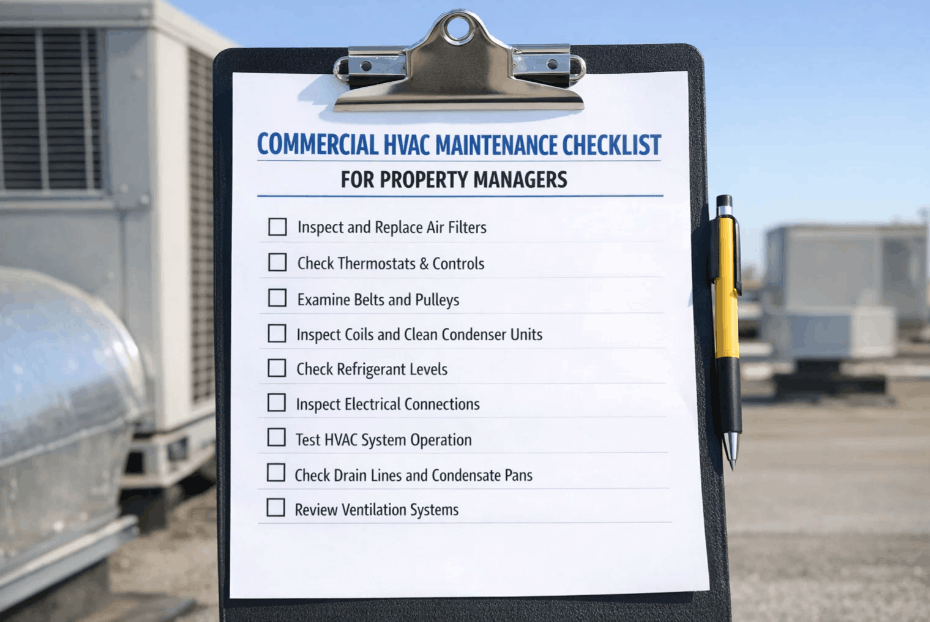
A well-designed duct cleaning schedule balances regulatory requirements, occupancy patterns, and budget considerations. Property managers should integrate commercial duct cleaning into their overall HVAC preventive maintenance program. Book a demo
Use CMMS software to automate reminders based on inspection findings rather than fixed calendar dates alone. Condition-based scheduling ensures ducts are cleaned when contamination actually reaches problematic levels, optimizing both cost and performance.
Duct Cleaning Cost Considerations for Commercial Buildings
Understanding duct cleaning cost helps facility teams budget effectively. Prices vary based on building size, duct accessibility, contamination level, and required testing services. On average, commercial duct cleaning ranges from $0.25 to $0.50 per square foot, with additional charges for duct leakage testing and mold remediation.
While initial costs may seem significant, the long-term savings from improved energy efficiency, reduced equipment wear, and better occupant health often deliver strong ROI within 12–24 months. Investing in professional commercial duct service prevents far more expensive emergency interventions later.
Frequently Asked Questions About Commercial Duct Cleaning and Inspection
How often should commercial ductwork be cleaned?
Most commercial buildings benefit from duct cleaning every 2–3 years. Facilities with high occupancy, sensitive populations, or dusty environments should follow an annual commercial duct cleaning schedule. Always base frequency on professional air duct inspection results rather than time alone.
What are the signs that my commercial HVAC ducts need cleaning?
Common indicators include visible dust at supply vents, musty odors when the system runs, reduced airflow, higher than normal energy bills, and increased complaints about indoor air quality or allergies.
Is duct leakage testing necessary for all commercial buildings?
While not mandatory for every facility, duct leakage testing is highly recommended during major inspections or when energy efficiency issues arise. It provides quantifiable data that helps justify sealing repairs and validates maintenance efforts.
Can I perform commercial duct cleaning in-house?
Basic visual inspections and register cleaning can be handled internally, but professional NADCA-certified technicians are required for thorough source removal cleaning and proper documentation. Improper techniques can spread contaminants rather than eliminate them.
How does regular duct inspection improve HVAC system performance?
Routine air duct inspection identifies blockages, leaks, and contamination early. Addressing these issues promptly reduces system strain, lowers energy consumption, extends equipment life, and maintains consistent comfort levels throughout the building.


.png)


