Property Pest Control Verification Checklist: IPM Compliance & Vendor Audit
By Alex Jordan on June 8, 2026
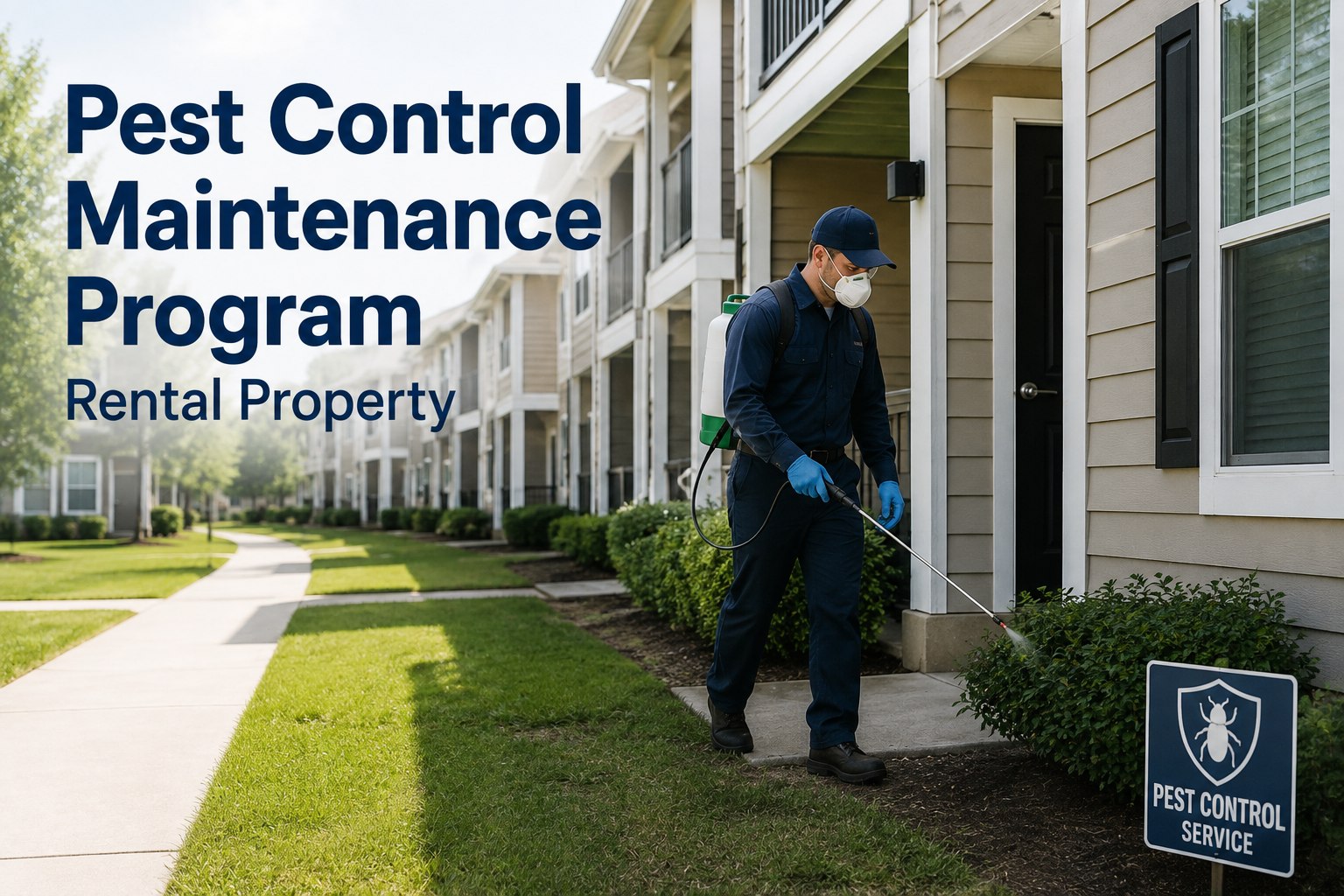
Pest infestations destroy tenant satisfaction, trigger health code violations, and expose properties to liability claims. Yet most property managers employ reactive pest control — calling exterminators only after pests are visible to residents. An Integrated Pest Management (IPM) program combines preventive inspections, exclusion maintenance, and vendor monitoring to catch population trends before they become infestations. Oxmaint's digital IPM checklist centralizes bait station monitoring, pest sighting reports, and treatment documentation — enabling early detection and rapid response.
Master IPM with Oxmaint Digital Pest Control TrackingTrack bait station activity, document pest sightings, manage vendor treatments, and maintain compliance records — all in one system visible to property managers and maintenance staff.
Prevention is the foundation of IPM. Sealing entry points, repairing screen doors, and maintaining door sweeps prevents pests from accessing buildings far more cost-effectively than chemical treatment. A single unsealed gap larger than 1/4 inch allows rodents to enter. Quarterly exclusion inspections catch new gaps before pest populations establish.
IPM vs. Reactive Pest ControlHotels implementing proactive IPM programs experience 87% fewer guest complaints related to pest sightings versus those relying on reactive treatment. Digital documentation in Oxmaint proves compliance to health inspectors and insurance carriers, often reducing premiums by 10–15%.
2. Bait Station Monitoring & Pest Activity Documentation
Bait stations and glue traps provide early warning of pest populations before infestations reach guest-accessible areas. Weekly station monitoring and activity documentation enable rapid contractor response to population trends. Absence of activity ≠ absence of pests — many rodents avoid bait stations, requiring multiple monitoring methods.
3. Sanitation & Pest Prevention Infrastructure
Pests thrive where food, water, and harborage exist. Strict sanitation eliminates pest food sources, forcing them to seek other locations. Kitchen deep cleaning, trash management, and humidity control are the cheapest pest prevention investments — far more effective than expensive chemical treatments.
4. Pest Sighting Documentation & Rapid Response Protocol
Every pest sighting is a data point indicating population trend. Rapid documentation and contractor notification prevent isolated sightings from escalating into infestations. A digital sighting log in Oxmaint enables staff to report from their phones, eliminating delays inherent in paper systems or email chains.
Implement Proactive IPM MonitoringOxmaint's digital IPM platform tracks bait stations, documents pest sightings, manages contractor service, and proves compliance to health inspectors — eliminating reactive pest management chaos.
Most properties contract pest control to specialists. Yet many vendors are reactive, showing up only after infestations are visible. Structured vendor audits ensure contractors embrace IPM, provide detailed monitoring reports, and respond rapidly to emerging pest activity. Poor-performing vendors should be replaced within one contract cycle.
Frequently Asked Questions — Property Pest Control Verification & IPM Compliance
1. How is IPM different from traditional pest control?
IPM emphasizes prevention, early detection, and targeted treatment versus traditional pest control which relies on regular chemical application regardless of pest activity. IPM is data-driven, using monitoring to trigger interventions only when necessary, reducing chemical use and costs.
2. What is the cost difference between IPM and reactive pest control?
IPM-focused contractors charge 10–20% premium but reduce emergency treatments and infestations by 60–80%, saving overall cost. Hotels in Arizona implementing IPM saw emergency service calls drop from 12/year to 2/year, paying for the program in month one.
3. Can digital documentation help win insurance claims for pest damage?
Yes. Insurance carriers require documented proof of IPM implementation to validate "pest management negligence" claims. Oxmaint's timestamped records of inspections, sighting reports, and contractor service prove diligent prevention — strengthening claim defensibility.
4. How often should bait stations be inspected for early infestation detection?
Weekly inspection is standard for high-risk areas (hospitality, food service, healthcare). Monthly inspection is minimum for office and residential properties. Daily inspection during active infestation response ensures emerging activity is caught within 24 hours.
5. What is the most important IPM component for preventing infestations?
Structural exclusion (sealing entry points) is most cost-effective and prevents 70% of pest problems. Sanitation (removing food sources) addresses remaining issues. Chemical treatment is last resort. This prevention-first hierarchy reduces long-term pest pressure exponentially.
6. How should properties handle guest complaints about pests in hotel rooms?
Immediately isolate room (do not rent). Photograph pest or evidence. Call contractor within 1 hour for emergency inspection. Offer guest refund and alternative room or hotel credit. Document incident in Oxmaint. This rapid, transparent response protects reputation and prevents online reviews damaging property value.
7. Which pest species are hardest to control and why?
German cockroaches develop chemical resistance rapidly, requiring rotation of treatment types. Rodents (rats) are intelligent, avoiding traps and bait if colleagues were captured. Bed bugs hide in fabric and require comprehensive heat treatment or chemical application. Each species requires tailored strategy, not one-size-fits-all approach.
8. How can property managers prove regulatory compliance with pest control to health inspectors?
Maintain Oxmaint digital records documenting: monthly inspections, bait station monitoring, contractor service reports, staff training records, pest sighting responses, and structural exclusion improvements. This audit trail proves systematic approach to pest management satisfying state health codes and FDA Food Safety standards.
"Our 180-unit apartment complex battled a rodent infestation for 6 months with reactive pest control. We switched to IPM and Oxmaint digital monitoring. Within 3 months, we identified the infestation source (a gap in the basement wall we'd missed), sealed it, and placed bait stations in entry corridors. No new sightings in 8 months. Staff now report sightings via Oxmaint app within minutes. Contractor responds same day. Game-changing for tenant satisfaction."— Marcus Thompson, Property Manager, Dallas, Texas
Start Your IPM Program TodayOxmaint makes pest control management transparent, data-driven, and compliant. Track every inspection, document every sighting, and prove your diligence to health inspectors and insurance carriers.