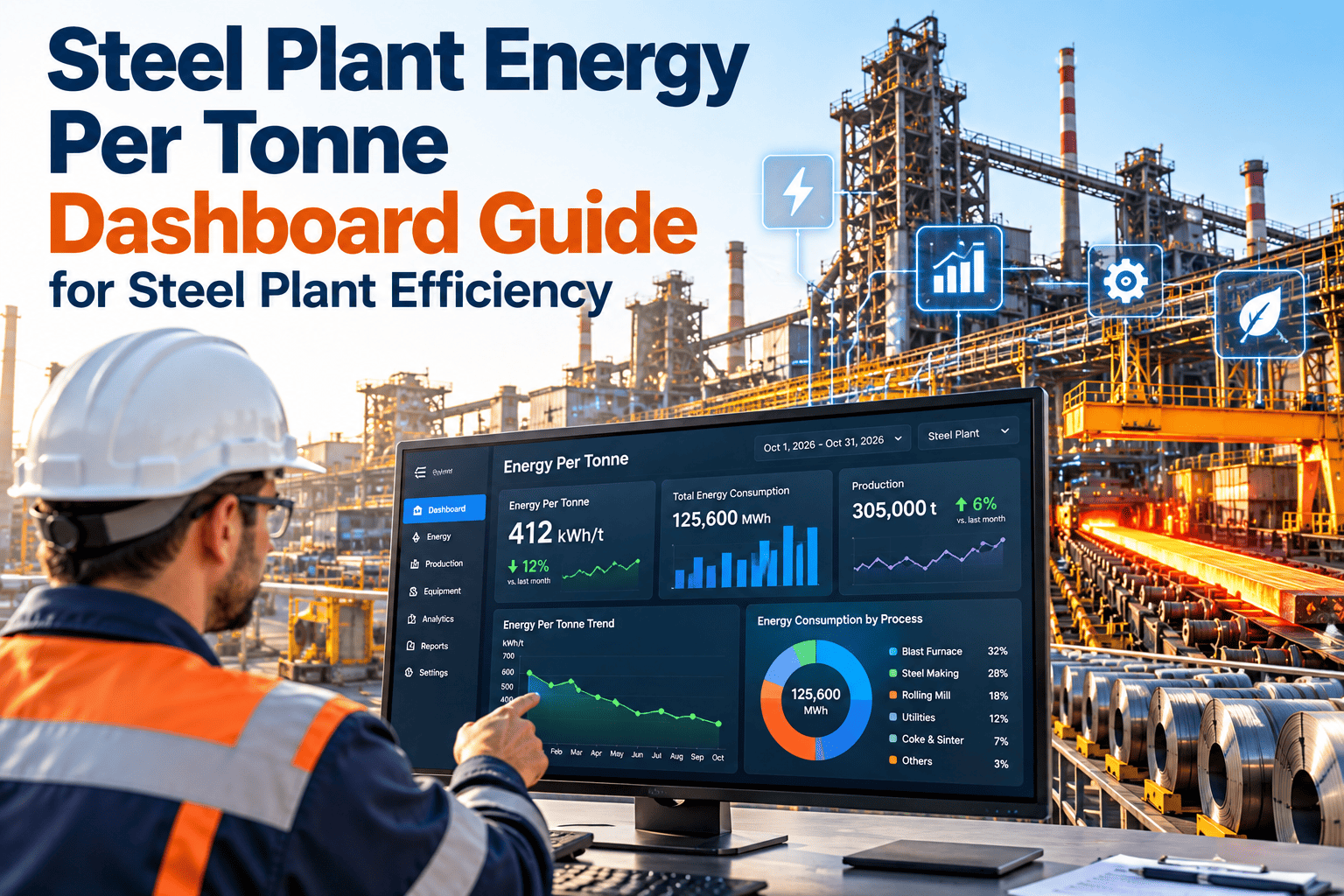
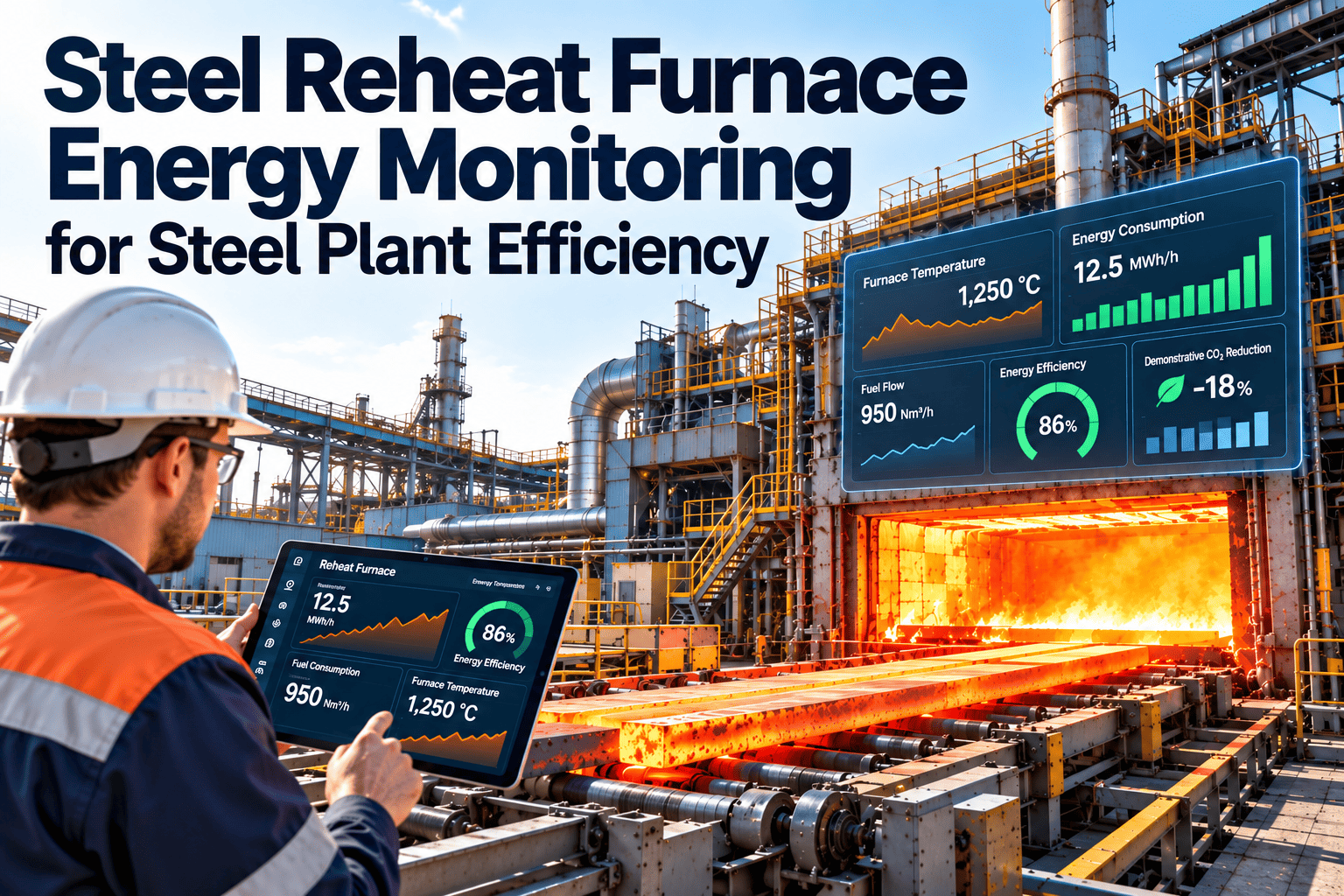
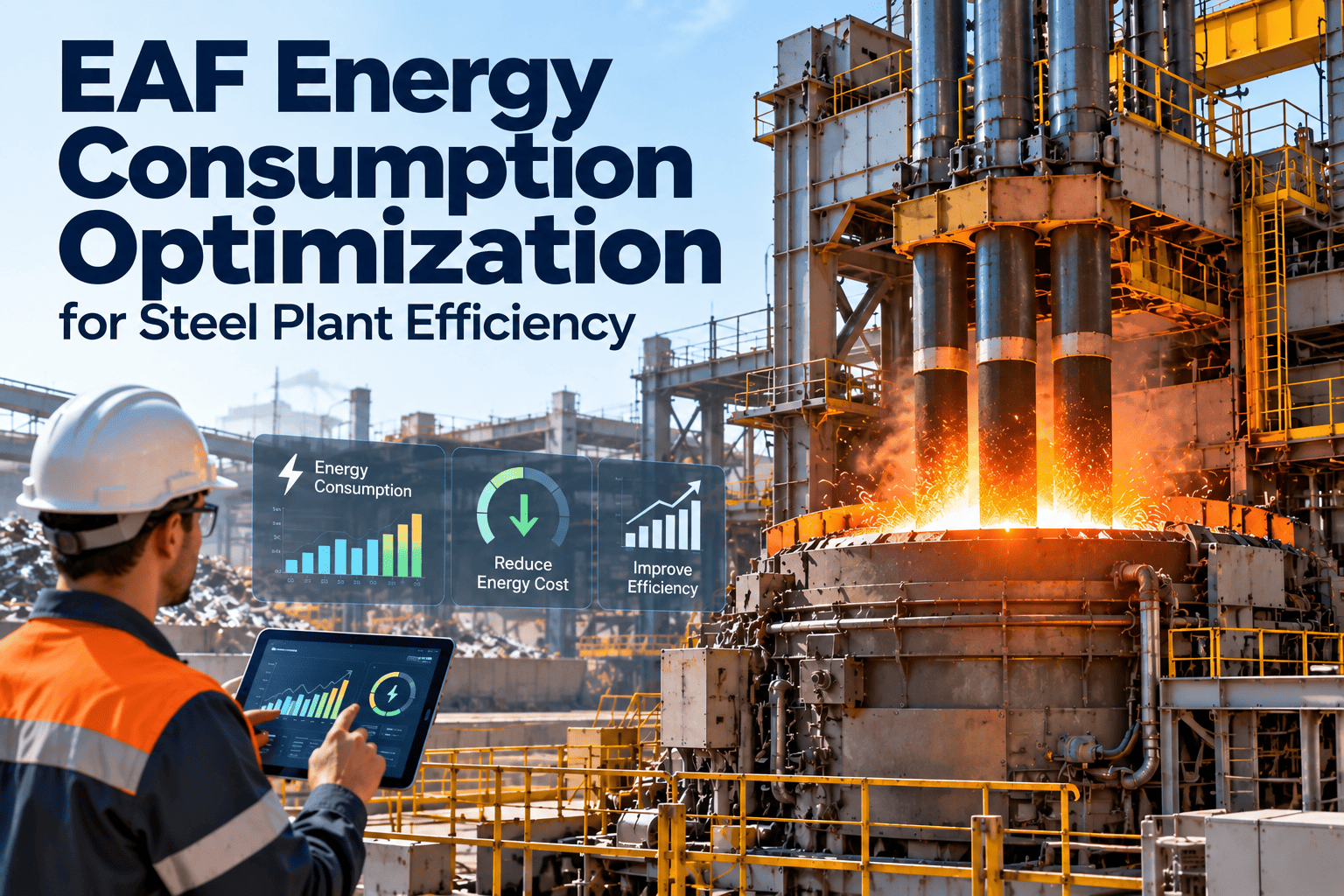
Manufacturing facilities typically waste 20–30% of their energy due to hidden inefficiencies that traditional monitoring systems simply can’t detect. AI-powered energy optimization turns this lost energy into measurable savings by analyzing millions of operational data points in real time—identifying abnormal consumption patterns, equipment inefficiencies, compressed air leaks, idle running assets, and peak demand spikes before they inflate costs. The result is lower utility bills, reduced carbon emissions, extended equipment life, and more stable production performance. Book a demo to see how AI-driven energy intelligence can uncover savings opportunities across your facility.
Why AI for Manufacturing Energy Optimization
Energy costs represent 15-25% of total manufacturing expenses, yet most plants operate with limited visibility into consumption patterns. Manual audits happen annually at best, missing the daily inefficiencies that compound into massive waste. AI changes this equation entirely by providing continuous monitoring, predictive insights, and automated optimization that delivers measurable ROI within months.
AI Energy Optimization Impact
15-20%
Average reduction in baseline power consumption through AI-driven optimization
11 Months
Typical payback period for AI energy management systems in manufacturing
99%
Anomaly detection accuracy within one day of operation using AI monitoring
8%
Energy savings achievable in light manufacturing by 2035 through AI adoption
Ready to cut energy costs and boost efficiency? Join leading manufacturers using AI to optimize energy consumption and meet sustainability targets.
AI energy optimization combines IoT sensors, machine learning algorithms, and real-time analytics to create a comprehensive view of your facility's energy consumption. The system learns your operational patterns, identifies inefficiencies, and automatically implements optimizations that human operators would never catch.
AI Energy Optimization ProcessFrom data collection to automated savings
01
Data Collection
IoT sensors and smart meters capture energy consumption data from every machine, HVAC system, lighting zone, and production line at sub-second intervals.
02
Pattern Analysis
Machine learning algorithms analyze consumption patterns, correlating energy use with production schedules, weather conditions, and equipment status to establish baselines.
03
Anomaly Detection
AI identifies consumption anomalies in real-time, flagging equipment malfunctions, phantom loads, and inefficient processes within minutes rather than months.
04
Predictive Optimization
The system forecasts energy demand, recommends optimal operating parameters, and schedules energy-intensive tasks during off-peak hours automatically. Sign up for Oxmaint to enable predictive optimization across your facilities.
AI Energy Optimization Capabilities
Modern AI platforms deliver comprehensive energy management capabilities that transform how manufacturers monitor, analyze, and optimize consumption across their operations.
Key AI Optimization Features
Real-Time Monitoring
Track energy consumption across every asset with sub-second resolution. Identify inefficiencies as they happen, not months later during annual audits.
Predictive Analytics
Forecast energy demand based on production schedules, weather patterns, and historical data. Plan consumption and avoid costly peak demand charges.
Demand Response
Automatically shift energy-intensive tasks to off-peak hours. Reduce bills by responding to time-of-use pricing and grid demand signals.
Predictive Maintenance
Detect equipment degradation through energy signature analysis. Fix problems before they cause failures and energy waste.
Equipment Benchmarking
Compare energy efficiency across identical machines, shifts, and facilities. Identify why some equipment uses more energy under similar conditions.
Carbon Tracking
Automatic CO2 emissions calculation with regulatory-compliant reporting. Track progress against sustainability goals with auditable documentation.
See AI energy optimization in action. Book a demo and we will show you real-time monitoring and optimization for your specific industry.
Understanding the fundamental differences between traditional energy management and AI-powered optimization reveals why leading manufacturers are making the switch to intelligent systems.
Energy Management Approach Comparison
Traditional Management
Annual or quarterly energy audits
Spreadsheet-based tracking and reporting
Reactive response to utility bills
Limited visibility into equipment-level use
Manual identification of inefficiencies
20-30%energy waste goes undetected
AI-Powered Optimization
Continuous real-time monitoring
Automatic anomaly detection and alerts
Predictive consumption forecasting
Asset-level efficiency benchmarking
Automated demand response
15-20%savings with continuous optimization
Industry Applications
AI energy optimization delivers value across diverse manufacturing sectors, each with unique consumption patterns and optimization opportunities.
AI energy optimization delivers measurable returns through multiple value streams, from direct consumption reduction to improved equipment reliability and compliance efficiency.
Documented Manufacturing BenefitsBased on industrial deployment data
60%
Cost savings in specific use cases
50%
Productivity increase documented
70%
Facilities report ROI above 10%
25%
Maintenance cost reduction
Companies that use AI analytical tools will have the best outcomes on resilience, operational costs and decarbonization. AI-powered energy management solutions solve for a maze of interconnected variables inside and outside the walls of an industrial site.
— ABB Electrification
Implementation Roadmap
Successful AI energy optimization deployment follows a proven phased approach that delivers quick wins while building toward comprehensive facility-wide optimization.
Typical Deployment Timeline
Week 1-2
Assessment
Energy audit baselineInfrastructure reviewROI modeling
Oxmaint provides a comprehensive AI-powered platform that integrates energy optimization with maintenance management, asset tracking, and compliance reporting. Our solution connects seamlessly with your existing infrastructure to deliver immediate insights and long-term savings.
Oxmaint Energy Optimization Features
Feature
Capability
Benefit
Real-Time Dashboards
Live energy consumption visualization across all assets
Immediate visibility into usage patterns and anomalies
AI-Powered Alerts
Automatic detection of inefficiencies and waste
Fix problems in minutes instead of months
Predictive Analytics
Forecast consumption based on production schedules
Optimize procurement and avoid peak charges
Maintenance Integration
Link energy signatures to equipment health
Prevent failures and reduce energy waste simultaneously
Compliance Reporting
Automated emissions tracking and regulatory reports
Meet sustainability goals with auditable documentation
Transform Energy Management with AI
Your spreadsheets cannot detect a motor running 15% inefficient or predict tomorrow consumption based on the production schedule. Oxmaint helps you deploy AI analytics that monitors every consumption point, identifies waste patterns in real-time, and optimizes operations automatically transforming energy management from annual audits to continuous improvement.
How quickly can we see ROI from AI energy optimization?
Most manufacturing facilities identify significant savings opportunities within the first 30 days of deployment. Quick wins from anomaly detection and demand response often pay for the system within 11 months, with ongoing savings compounding as AI models learn your operation patterns. Book a demo to discuss expected ROI for your specific facility.
What infrastructure do we need to implement AI energy optimization?
AI optimization can start delivering value with existing utility meters, though additional IoT sensors unlock more detailed insights. Most implementations begin with a phased approach demonstrating value with available data before investing in expanded sensor networks. Our platform integrates with your existing SCADA, MES, and building management systems.
How does AI handle production variability and changing schedules?
AI models automatically correlate energy consumption with production variables including throughput, product mix, and shift schedules. This enables energy intensity metrics that normalize for production variability, making it possible to identify true efficiency improvements separate from production changes. Sign up to see how production correlation works.
Can AI energy optimization help with sustainability reporting?
Yes. AI platforms automatically calculate CO2 emissions from energy consumption using standard emission factors and generate regulatory-compliant reports. Real-time carbon tracking helps monitor progress against sustainability targets, and optimization recommendations prioritize actions with both cost and emissions benefits.
What types of energy waste does AI detect that traditional methods miss?
AI excels at detecting subtle inefficiencies invisible to periodic audits, including equipment running during idle periods, compressed air leaks, HVAC systems overcooling empty spaces, motors operating below optimal efficiency, and phantom loads from standby equipment. One manufacturer found a faulty industrial kitchen costing them additional costs until AI detected the overheating stovetops.