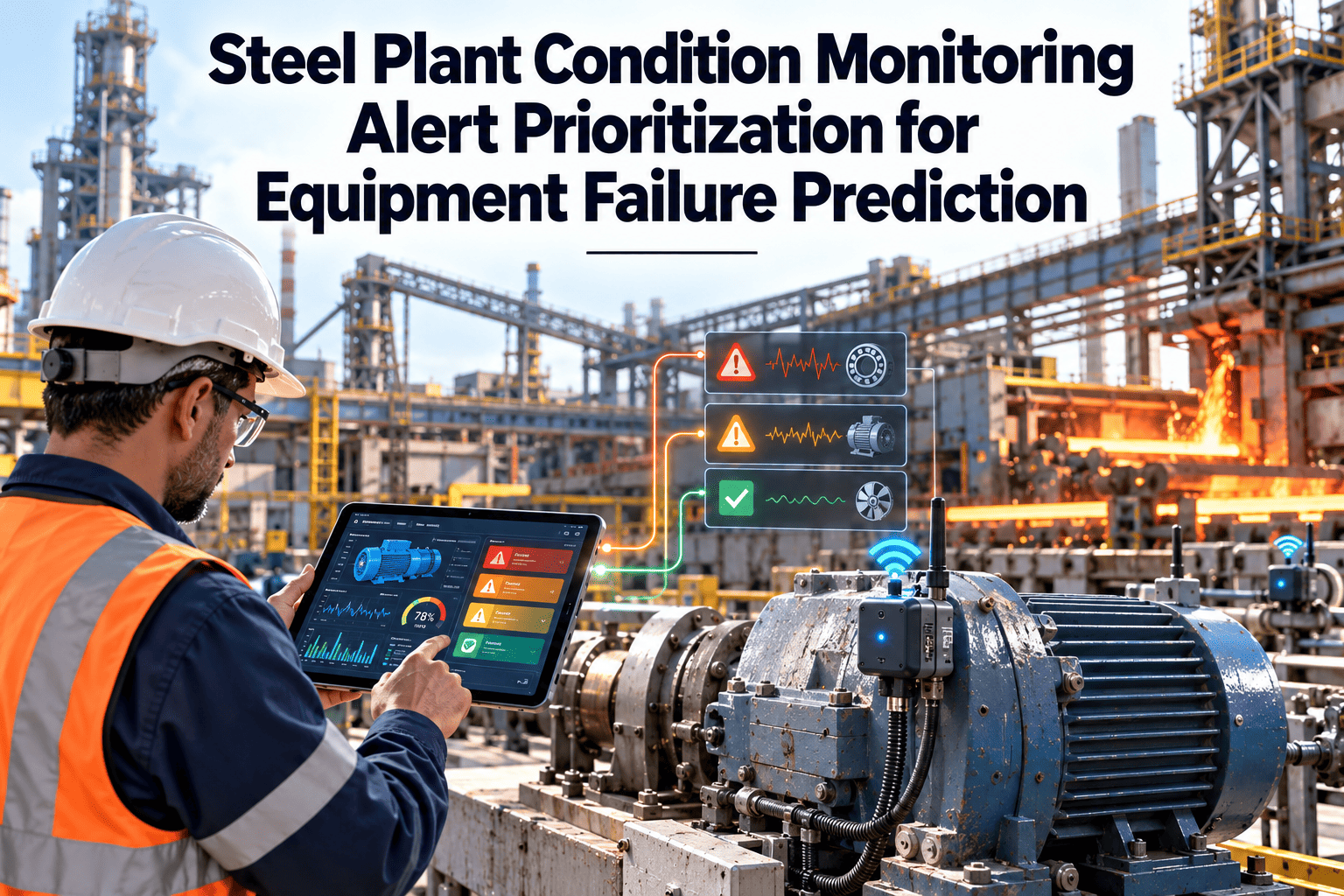
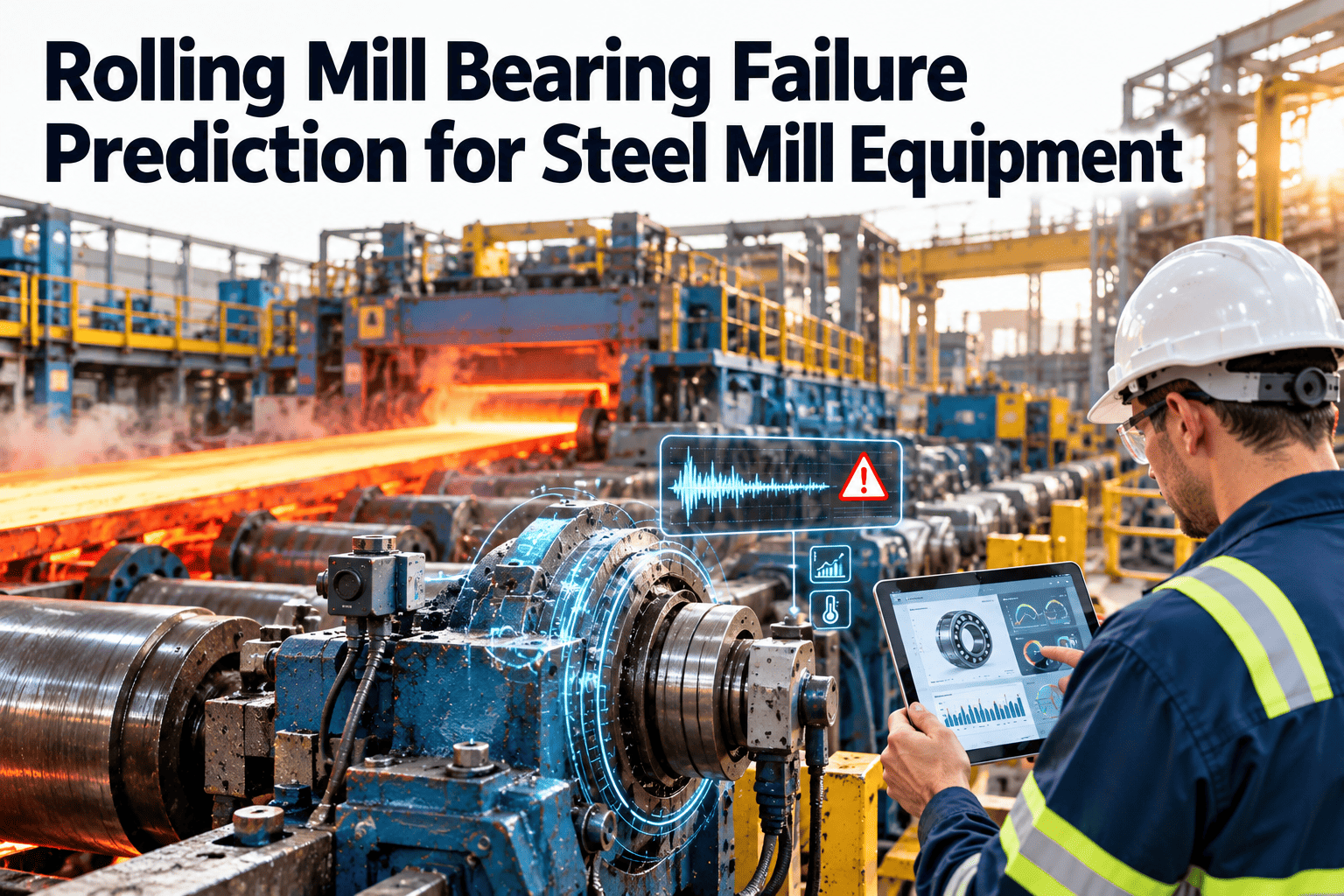
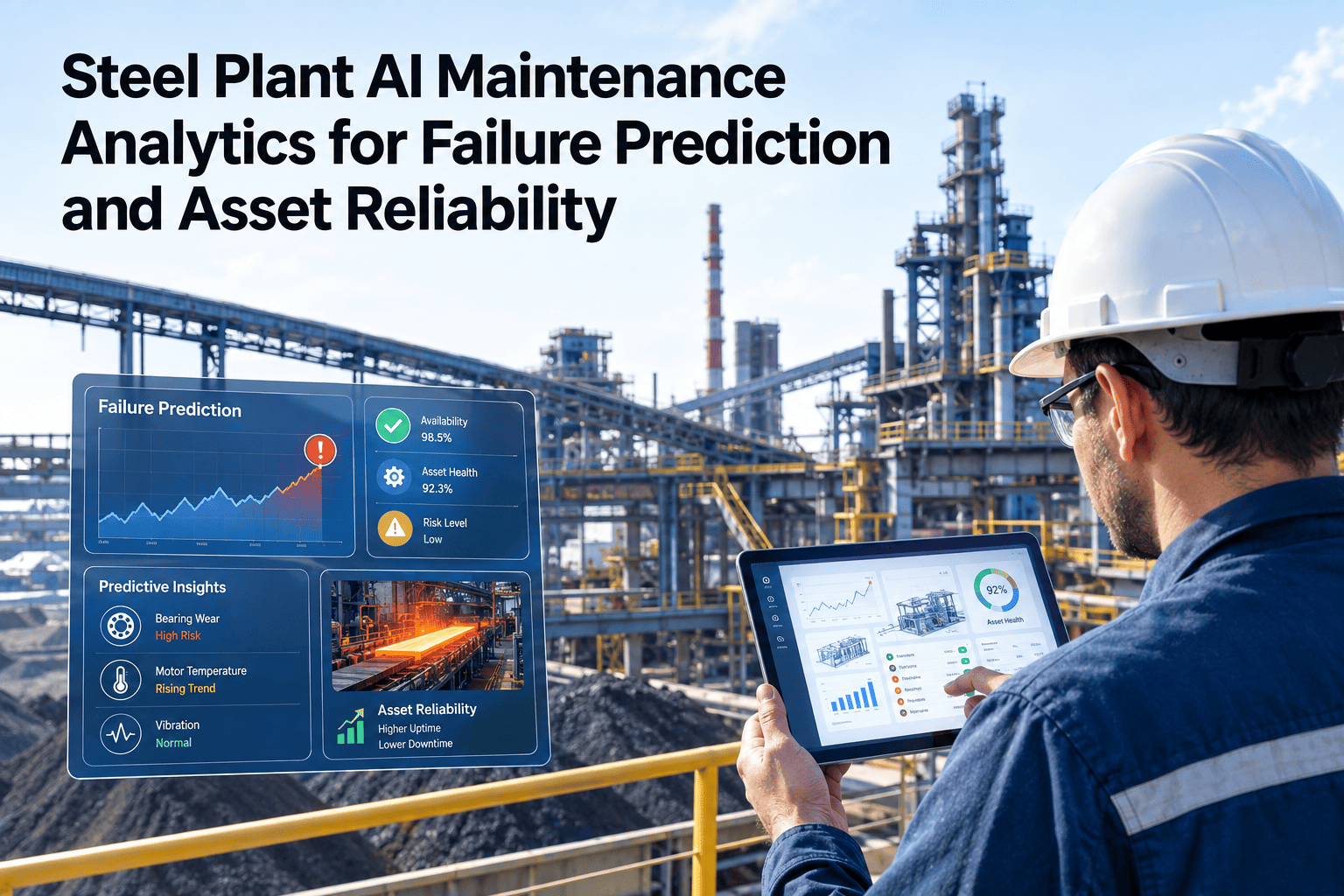
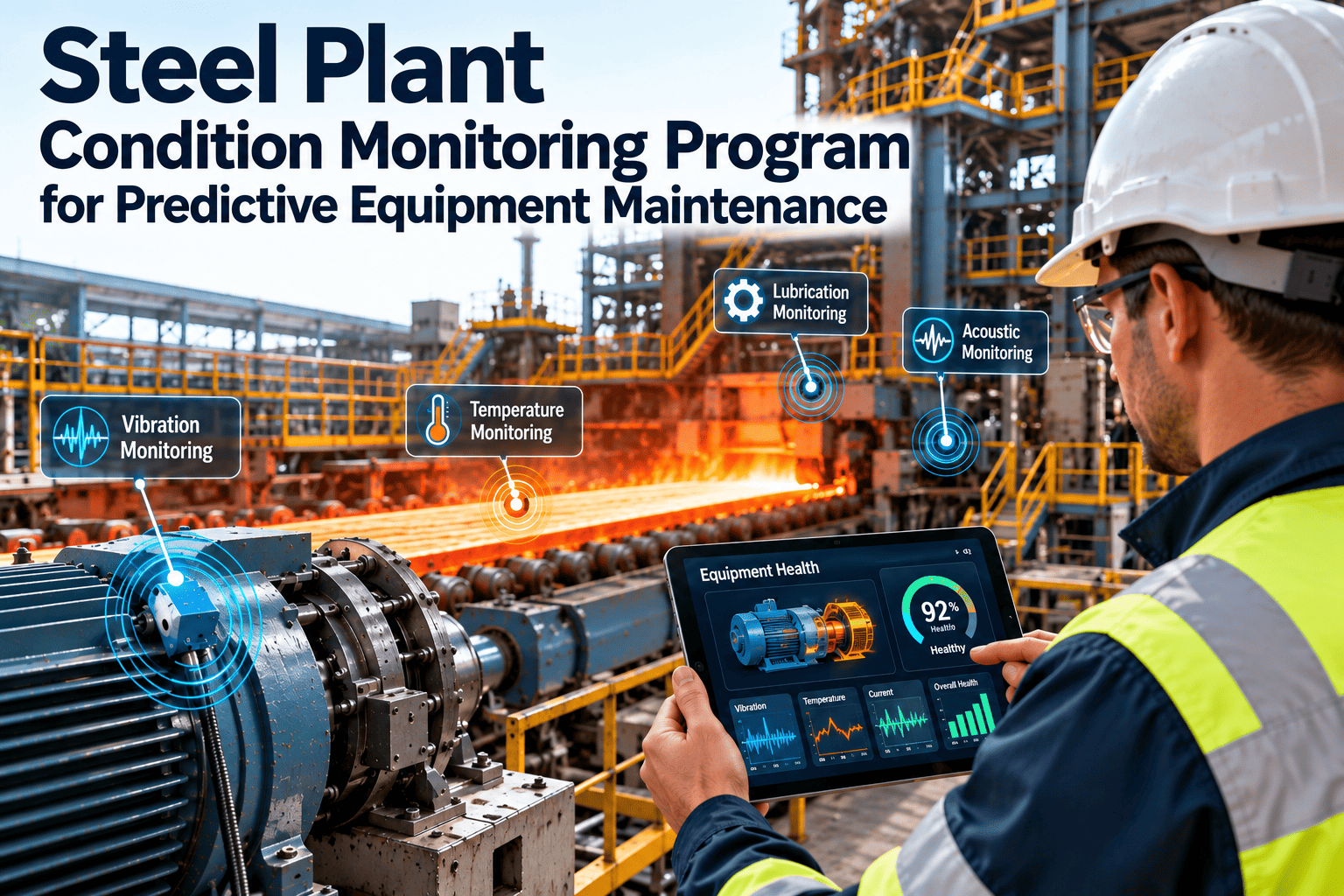
Every 36 minutes, a steel plant somewhere in the world experiences an unplanned equipment failure. With production losses running at $15,000 per minute and heavy industry downtime costs surging 1.6x since 2019, the steel sector can no longer afford to wait for machines to break before fixing them. The era of reactive maintenance—where crews scramble to repair equipment after it fails—is ending. In its place, AI-powered predictive maintenance is delivering what was once impossible: the ability to predict exactly when critical steel plant equipment will fail, days or even weeks before it happens. The result? Leading steel manufacturers are slashing unplanned downtime by up to 40%, saving millions annually, and transforming maintenance from a cost center into a competitive advantage.
The Hidden Cost Crisis in Steel Manufacturing
Steel plants are among the most punishing environments for industrial equipment. Blast furnaces operate at 1,400+C (2,552+F), rolling mills endure extreme mechanical loads around the clock, and conveyors transport thousands of tons of raw materials daily. When something breaks unexpectedly, the financial impact is staggering—and it goes far beyond the repair bill.
What Is AI Predictive Maintenance?
AI predictive maintenance combines IoT sensor data, machine learning algorithms, and real-time analytics to continuously monitor equipment health and predict failures before they occur. Unlike traditional preventive maintenance (which follows fixed schedules regardless of actual condition) or reactive maintenance (which only responds after breakdowns), AI-driven predictive systems analyze vibration patterns, temperature profiles, acoustic signatures, and operational data to determine the optimal moment for intervention.
Reactive
Fix it when it breaks
Preventive
Fix on a schedule
AI Predictive
Fix it before it fails
For steel plants, this technology is especially transformative. AI algorithms trained on historical equipment data can detect subtle anomalies—a bearing vibration that increases 0.2mm/s over two weeks, or a temperature gradient that shifts 5 degrees from baseline—that human inspectors would never catch during periodic walkthroughs. The system then generates prioritized work orders through a CMMS platform, ensuring maintenance teams focus on the right assets at the right time.
Where AI Predictive Maintenance Delivers Results
Steel plant operations involve hundreds of interconnected assets, but AI predictive maintenance delivers the highest impact on these critical systems where failures are both costly and dangerous.
Blast Furnaces & EAFs
AI monitors refractory lining degradation, cooling system integrity, and electrode condition. Machine learning models predict refractory failures 2-4 weeks in advance by analyzing thermal patterns across thousands of data points per minute.
Rolling Mills & Drives
Vibration sensors and load analytics detect bearing wear, misalignment, and roll surface degradation. AI predicts failures 10+ days before they cause production stoppages, allowing planned interventions during scheduled maintenance windows.
Material Handling Systems
Conveyors, cranes, and uncoilers are monitored for belt misalignment, motor overheating, and structural fatigue. Computer vision algorithms inspect belt conditions continuously, replacing manual visual checks.
Cooling & Quenching Systems
Pump performance, fan efficiency, and coolant flow rates are continuously analyzed. AI detects early signs of pump cavitation, fan imbalance, and heat exchanger fouling before product quality is compromised.
Stop Reacting. Start Predicting.
See how OxMaint's AI-powered CMMS helps steel plants predict failures, automate work orders, and reduce downtime by up to 40%.
The ROI That Gets CFOs Excited
The financial case for AI predictive maintenance in steel plants is among the strongest in any industry. According to the U.S. Department of Energy, predictive maintenance delivers a potential 10x return on investment while reducing breakdowns by 70-75% and cutting maintenance costs by 25-30%. For steel plants specifically, where a single major incident can cost over $1 million, the math is overwhelmingly clear.
Typical Steel Plant Investment
Annual Returns (Documented Averages)
How It Works: From Sensor to Savings
Implementing AI predictive maintenance does not require ripping out existing systems. Modern platforms like OxMaint integrate with your current infrastructure and start delivering value within weeks, not months. Here is the process that turns raw equipment data into prevented failures.
Collect
IoT sensors capture vibration, temperature, pressure, and acoustic data from critical equipment 24/7. Existing sensors can be integrated via standard industrial protocols.
Analyze
AI algorithms process millions of data points, comparing real-time readings against baseline models and historical patterns to identify anomalies invisible to human inspectors.
Predict
Machine learning models forecast when each asset is likely to fail, with confidence scores and severity ratings that prioritize the most urgent risks first.
Act
Automated work orders are generated in your CMMS with specific repair recommendations, parts requirements, and optimal scheduling windows—all before any failure occurs.
Predictive vs. Preventive vs. Reactive: The Numbers
Still weighing whether to upgrade from scheduled maintenance? This comparison shows why leading steel manufacturers are making the switch to AI-driven strategies.
| Metric | Reactive | Preventive | AI Predictive |
|---|---|---|---|
| Downtime Reduction | Baseline | 15-20% | 35-50% |
| Maintenance Cost | Highest (3-5x) | Moderate | 25-30% lower |
| Equipment Lifespan | Shortest | Average | 20-40% longer |
| Failure Detection | After breakdown | Calendar-based | Days to weeks early |
| Worker Safety | High risk exposure | Moderate | Remote monitoring |
| ROI Timeline | Negative ROI | 2-3 years | Under 12 months |
| Data-Driven Decisions | None | Limited | Full AI analytics |
Real-World Impact: Steel Industry Success
The shift from reactive to predictive maintenance is not theoretical—it is happening right now across the global steel industry, with documented results that speak for themselves.
reduction in unplanned downtime after deploying AI-driven predictive maintenance across operations
first-year savings while preventing a potential $3 million transformer failure through predictive analytics
cost savings on individual production lines using AI-powered scheduling and maintenance optimization
5 Steps to Get Started
You do not need to overhaul your entire plant at once. The most successful implementations start focused and expand based on proven results. Here is the roadmap that consistently delivers fastest time-to-value.
Audit Your Critical Assets
Identify the 10-15 assets where failure causes the most downtime and cost. Focus on blast furnaces, rolling mills, and material handling first—these deliver fastest ROI.
Deploy IoT Sensors
Install vibration, thermal, and acoustic sensors on priority assets. Modern wireless sensors require minimal infrastructure changes and can be operational within days.
Connect to Your CMMS
Integrate sensor data with a platform like OxMaint that centralizes monitoring, automates alerts, and generates AI-driven work orders with repair recommendations.
Establish Baselines & Train
Let the AI learn normal operating patterns for 4-6 weeks. During this period, train maintenance teams on interpreting dashboards, responding to alerts, and using data for decision-making.
Scale Based on Results
Measure downtime reduction, cost savings, and prevented failures from pilot assets. Use proven ROI to justify expanding AI monitoring across your entire plant operation.
Ready to Reduce Downtime by 40%?
Join leading steel manufacturers who use OxMaint's AI-powered CMMS to predict equipment failures, automate maintenance workflows, and achieve world-class plant uptime.