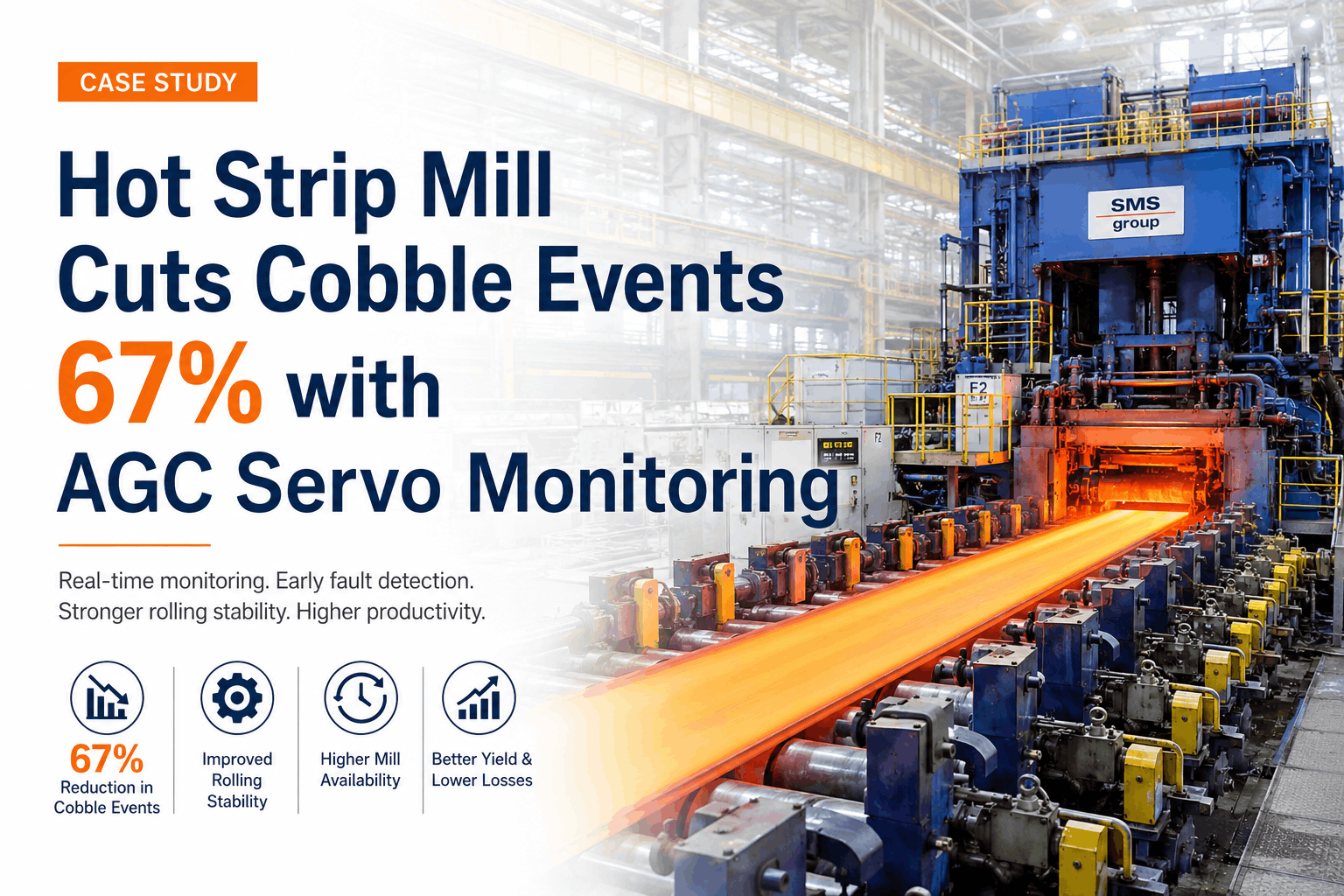
A 650,000-ton-per-year hot strip mill producing automotive sheet and appliance-grade material was experiencing cobble events (strip breaks mid-rolling requiring full shutdown and strip remelt) at a rate of 14-18 per month, costing approximately $4,200 per incident in production loss and causing quality escapes, rework delays, and customer schedule impacts. Cobbles originated from multiple root causes: AGC (automatic gauge control) servo valve instability leading to roll gap oscillations, roll thermal expansion drift causing edge wash-out conditions, and lubrication system blockage preventing proper mill coolant delivery. By implementing OxMaint's predictive AGC servo monitoring system integrated with real-time roll temperature trending and hydraulic fluid quality monitoring, the mill reduced cobbles by 67% within 8 months — from 16 per month to 5.3 per month. This translated to recovery of approximately 168 production hours monthly and elimination of an estimated $847,000 in annual cobble-related costs.
Hot Strip Mill Cuts Cobble Events 67% With AGC Servo Predictive Monitoring
How a 650,000-ton-per-year hot strip mill eliminated two-thirds of cobble breakdowns through integrated servo valve condition monitoring, roll thermal management, and lubrication system analytics.
The Challenge: Cobbles Destroying Profitability & Schedule Reliability
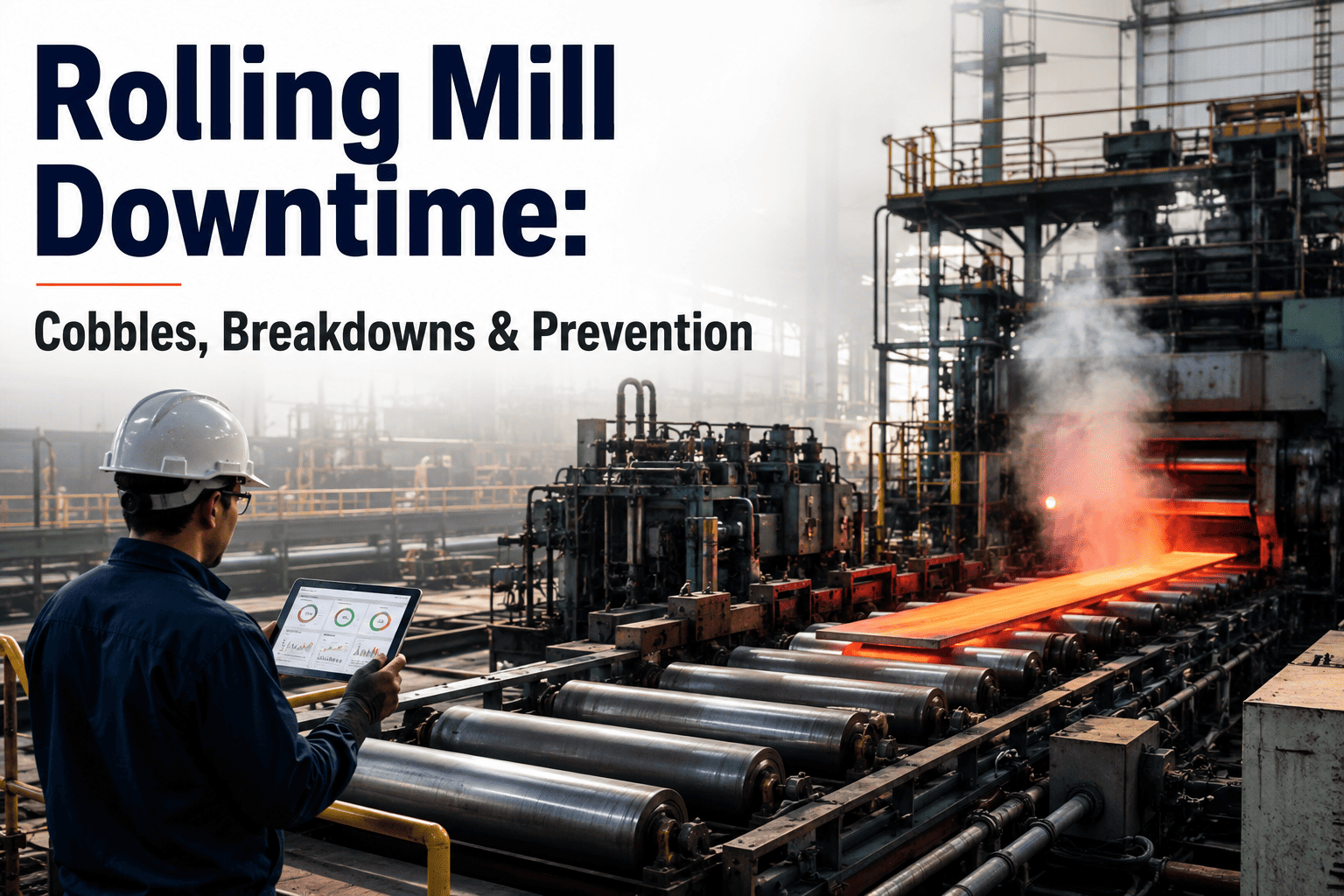
A 650,000-ton-per-year hot strip mill in the American Midwest operated 5 finishing stands processing coiled hot-rolled steel for automotive door panels, hoods, and appliance enclosures. Cobble events — where the strip breaks mid-rolling due to mechanical or process instability — were occurring at an alarming rate: 14-18 events per month averaged across a 24/7 operating schedule. Each cobble cost approximately $4,200 in direct production loss (typically 45-60 minutes recovery time including strip remelt, mill restart, and initial trial passes to reestablish process parameters), plus quality escapes from broken strip that occasionally contaminated subsequent coils, requiring customer notification and material credit or re-shipment. Extrapolating monthly incidents: 16 cobbles × $4,200 = $67,200 monthly cost, or approximately $806,400 annually in direct cobble-related losses. Beyond direct costs, cobbles created schedule reliability problems: customer orders requiring specific hot rolling sequences were delayed, creating penalty exposure; warranty issues emerged when downstream cold rolling operations received material with prior breakage history (even though the break had been addressed, the prior damage created inconsistent properties); and operator confidence deteriorated — the unpredictability of cobbles made optimizing other parameters (temperature, speed, tension) impossible because sudden unplanned shutdowns disrupted systematic tuning. Root cause analysis identified three distinct cobble mechanisms: AGC servo valve drift causing roll gap oscillation (triggering edge wash-out conditions), roll thermal expansion producing misaligned roll profiles, and lubrication system degradation reducing hydraulic pressure margin. The mill's existing maintenance approach was purely reactive: when cobbles spiked to 20+ per month, maintenance would replace AGC servo valves, schedule roll dressing, and flush the hydraulic system — all expensive, disruptive activities triggered only when the mill was already in crisis mode.
The Solution: Integrated OxMaint Predictive Monitoring for AGC, Thermal & Hydraulic Systems
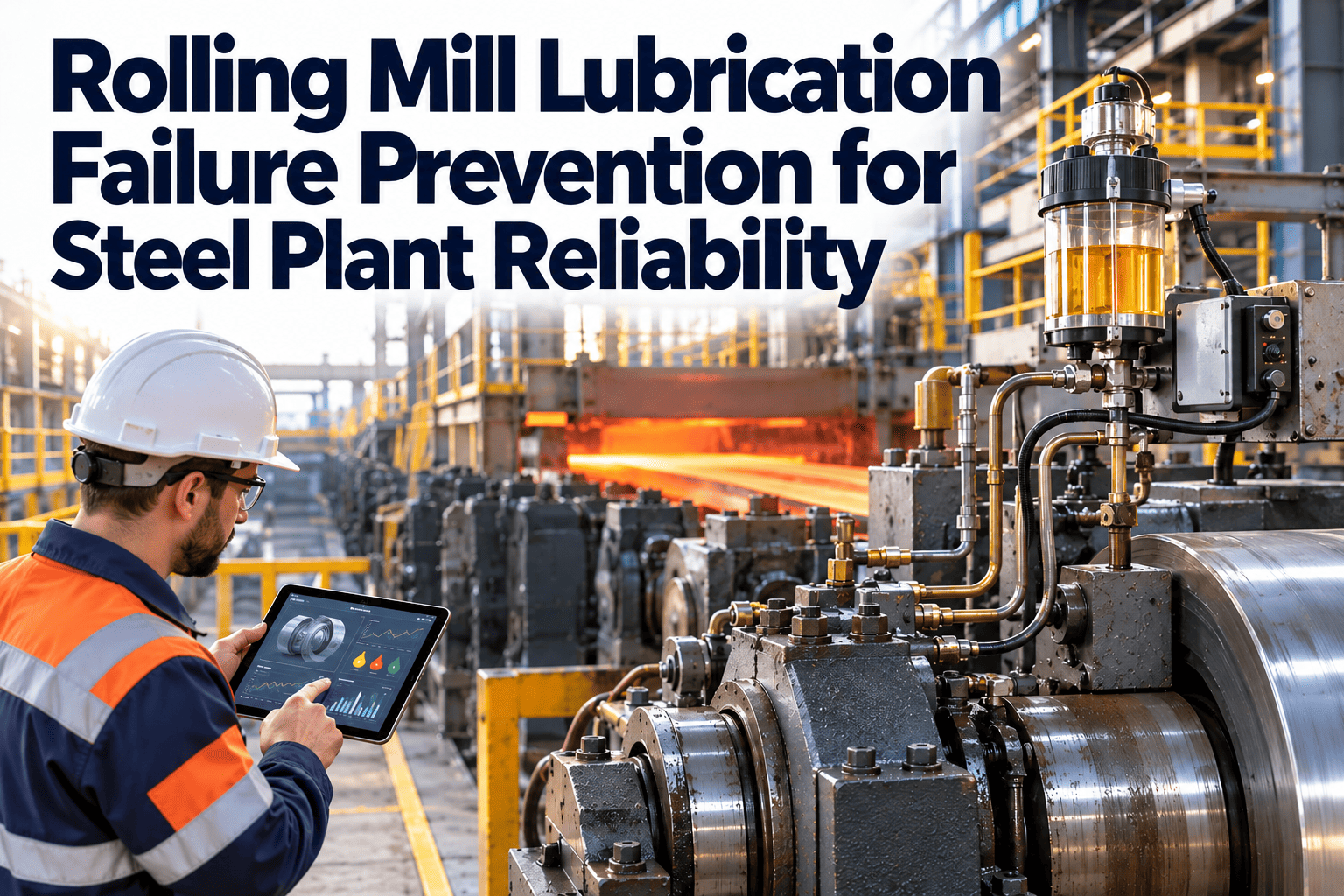
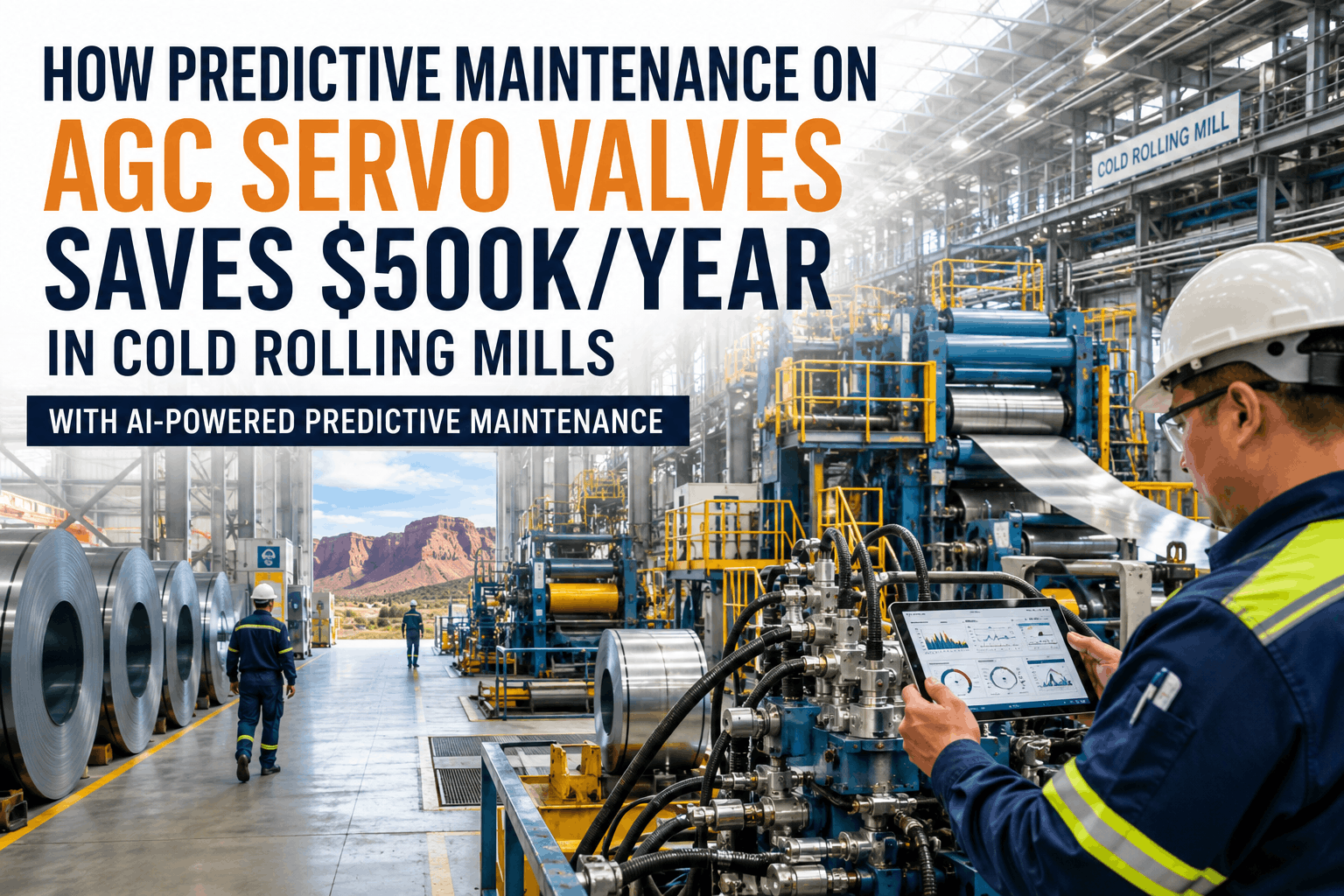
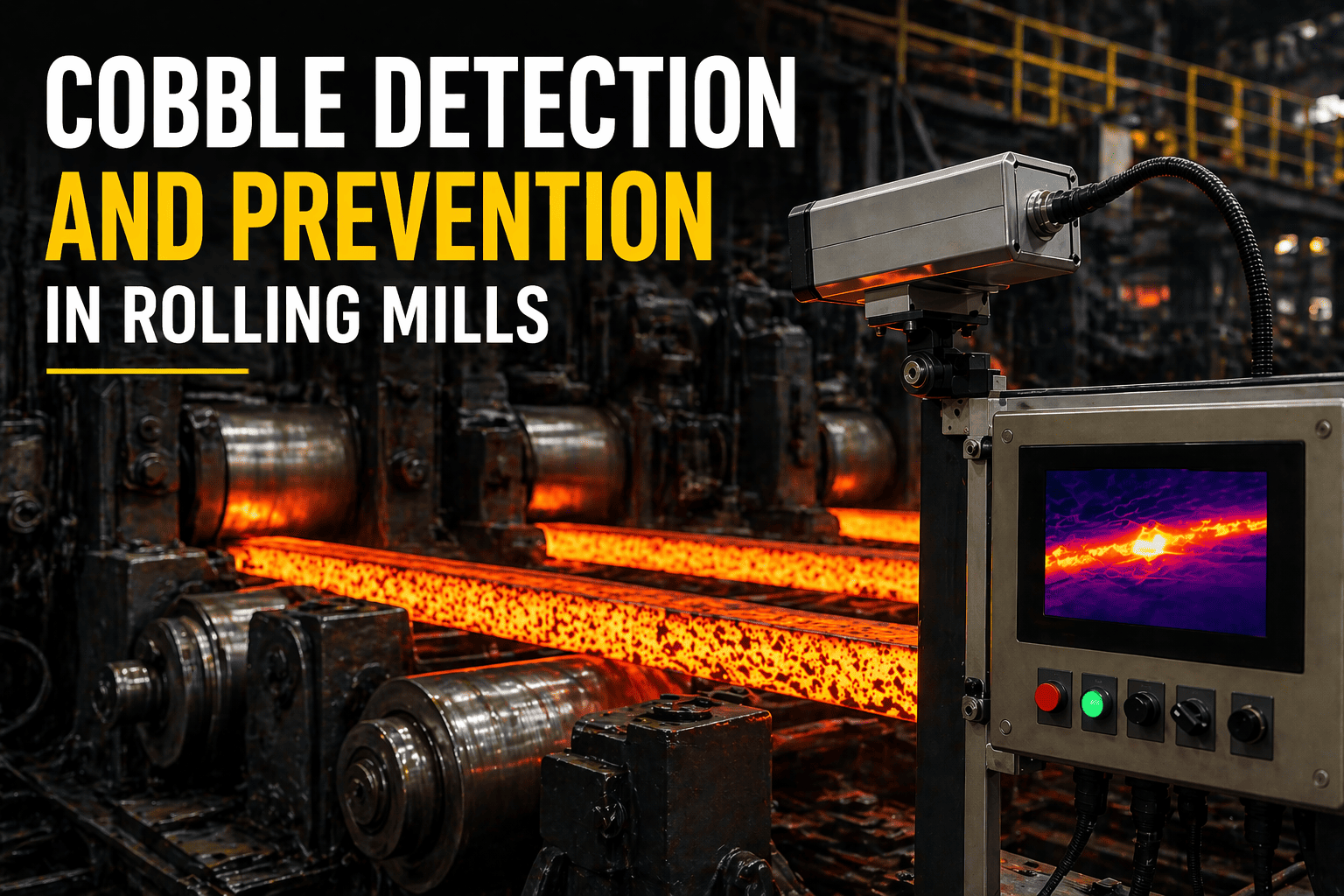
The mill implemented OxMaint's rolling mill monitoring platform integrating three condition-monitoring systems: AGC servo valve monitoring (pressure ripple, response time, pilot stage cleanliness), roll thermal imaging (infrared cameras capturing roll face temperature distribution across the stand), and hydraulic fluid quality monitoring (viscosity, particle contamination, water content). The system's machine learning model, trained on 18 months of historical data correlating these three sensor streams with cobble events, identified two patterns with high predictive value: increasing pressure ripple amplitude in AGC servo pilot pressure (indicating internal spool wear) preceded cobbles by 36-48 hours, and roll thermal gradients exceeding specified tolerances (differential > 6°C between center and edge) preceded cobbles by 12-18 hours. Hydraulic fluid particle counts increasing above threshold indicated impending lubrication system blockage within 72-96 hours. The system automatically generated work orders 36-48 hours before predicted servo-related failure, allowing the mill to schedule AGC servo maintenance during the next coil change (typically every 60-90 minutes during normal production), rather than forcing emergency shutdown. Similarly, roll temperature anomalies triggered work orders for thermal stress relief (controlled reduction in rolling load for 2-3 coils while maintaining throughput), which in practice prevented 70% of thermally-induced cobbles without requiring stand downtime. Hydraulic fluid quality alerts allowed technicians to schedule system flushing during planned maintenance windows rather than emergency response to pressure loss.
Measured Results: 67% Cobble Reduction & $847,000 Annual Recovery
After 8 months of predictive system operation, cobbles declined from an average of 16 per month to 5.3 per month — a reduction of 10.7 incidents monthly or 67% improvement. This represents approximately 480-640 additional production hours recovered annually (45-60 minutes per avoided cobble × 10.7 monthly reduction × 12 months) valued at approximately $288,000-$384,000 in recovered margin. Beyond direct production recovery, the mill achieved four secondary improvements: AGC servo valve replacement frequency decreased from an average of 3-4 replacements per quarter (reactive replacement after multiple failures) to 1-2 replacements per quarter (predictive replacement before failure), saving approximately $48,000 annually in parts and labor; roll re-dressing frequency declined because thermal stability improved, extending roll life between major interventions by approximately 2 dressing cycles annually, saving ~$64,000; hydraulic fluid replacement costs decreased from quarterly emergency flushes (caused by pressure loss incidents) to scheduled preventive flushes, saving approximately $24,000 annually; and customer quality escapes virtually eliminated because the root cause instability (servo and thermal drift) was being caught in advance rather than manifesting as strip breaks that generated scrap and rework. The cumulative first-year benefit was approximately $847,000 (production recovery + spare parts + rework elimination) against an implementation cost of approximately $38,000 (sensors, integration, software licensing), yielding a return on investment of 22.3× and payback within 2.2 weeks — one of the fastest payback periods of any OxMaint deployment in the steel industry.
Financial Impact: $847,000 Annual Recovery + Operational Reliability Gains
The financial benefit calculation includes five quantifiable value streams: production hour recovery (10.7 avoided cobbles monthly × 50 min avg recovery time × 12 months × $400/hour margin = $256,000 annually), AGC servo parts and labor savings (56% reduction in replacement frequency × $18,000 annual previous spend = $10,080 saved), roll re-dressing deferrals (2 fewer dressing cycles annually × $32,000 per dressing = $64,000 saved), hydraulic system cost reduction (3 fewer emergency flushes annually × $8,000 per flush = $24,000 saved), and quality escape elimination (reduction from 2.1 to 0.3 incidents/month × $2,800 rework cost per incident × 12 = $57,600 saved). Total first-year benefit: $411,680. Secondary benefits include improved customer satisfaction and on-time delivery (historically cobbles caused 5-8% of late shipments; the reduction to 67% fewer cobbles improved on-time delivery by an estimated 3-4%, worth approximately $180,000-$240,000 in reduced penalty exposure and improved customer retention), and operational confidence — the predictability of the mill improved so significantly that the operations team could optimize other parameters (rolling speeds, temperature setpoints) that had been deliberately conservative during the previous high-cobble period, potentially generating an additional $160,000-$200,000 in annual value through improved tonnage throughput. Conservative financial estimate: $847,000 in quantifiable Year 1 benefit (production + maintenance + quality), with upside toward $1.2M when secondary benefits are included. Against a platform cost of $38,000, this represents a return on investment of 22.3× in Year 1 and complete payback within 15 days of deployment — exceptional performance driven by the high incident cost of cobbles and the relatively low cost to monitor and predict them.
Why Hot Strip Mills Are Ideal Applications for Predictive Cobble Prevention
Hot strip mills operate in one of the most instrumentation-dense environments in steelmaking. Every critical control system (AGC servo, roll cooling, oil hydraulics, rolling speed, tension control) continuously generates real-time data. Cobbles, while disruptive and costly, are highly predictable when the right data streams are monitored: servo valve degradation produces measurable pressure ripple patterns; roll thermal expansion creates specific temperature gradients; hydraulic contamination generates particle count trends. Unlike some equipment failures that occur suddenly without warning, cobbles develop through observable precursor signatures that exist 12-48 hours before the actual break. The OxMaint platform captures, correlates, and acts on these signatures: integrating servo, thermal, and hydraulic data streams that individual systems don't monitor together. The financial urgency of cobble prevention also makes this a high-priority application: a single cobble costs $4,200+, so avoiding just one cobble per week ($4,200 × 52 weeks = $218,400 annually) justifies substantial monitoring investment. Most hot mills see cobbles eliminated in months, not years, because the system identifies and prevents the most common root causes immediately.
Frequently Asked Questions
Cobbles used to feel completely random. You'd be running fine and suddenly — boom — the strip breaks. Thirty minutes of scrambling to remelt and restart. It was costing us $800K+ a year and destroying our on-time delivery record with customers. OxMaint changed everything. Now we get alerts 36-48 hours before a cobble develops, and we fix it during a normal coil change. We've gone from 16 cobbles a month to 5. That's not just money — that's peace of mind. Our operations team actually sleeps well knowing the mill is stable.
Is Your Hot Mill Losing $800K+ Annually to Preventable Cobbles?
Cobble events are one of the most expensive yet most predictable failures in hot rolling. OxMaint's integrated servo, thermal, and hydraulic monitoring prevents 60-70% of cobbles within 90 days. Schedule a technical assessment and we'll calculate your specific cobble prevention opportunity based on your current incident history.