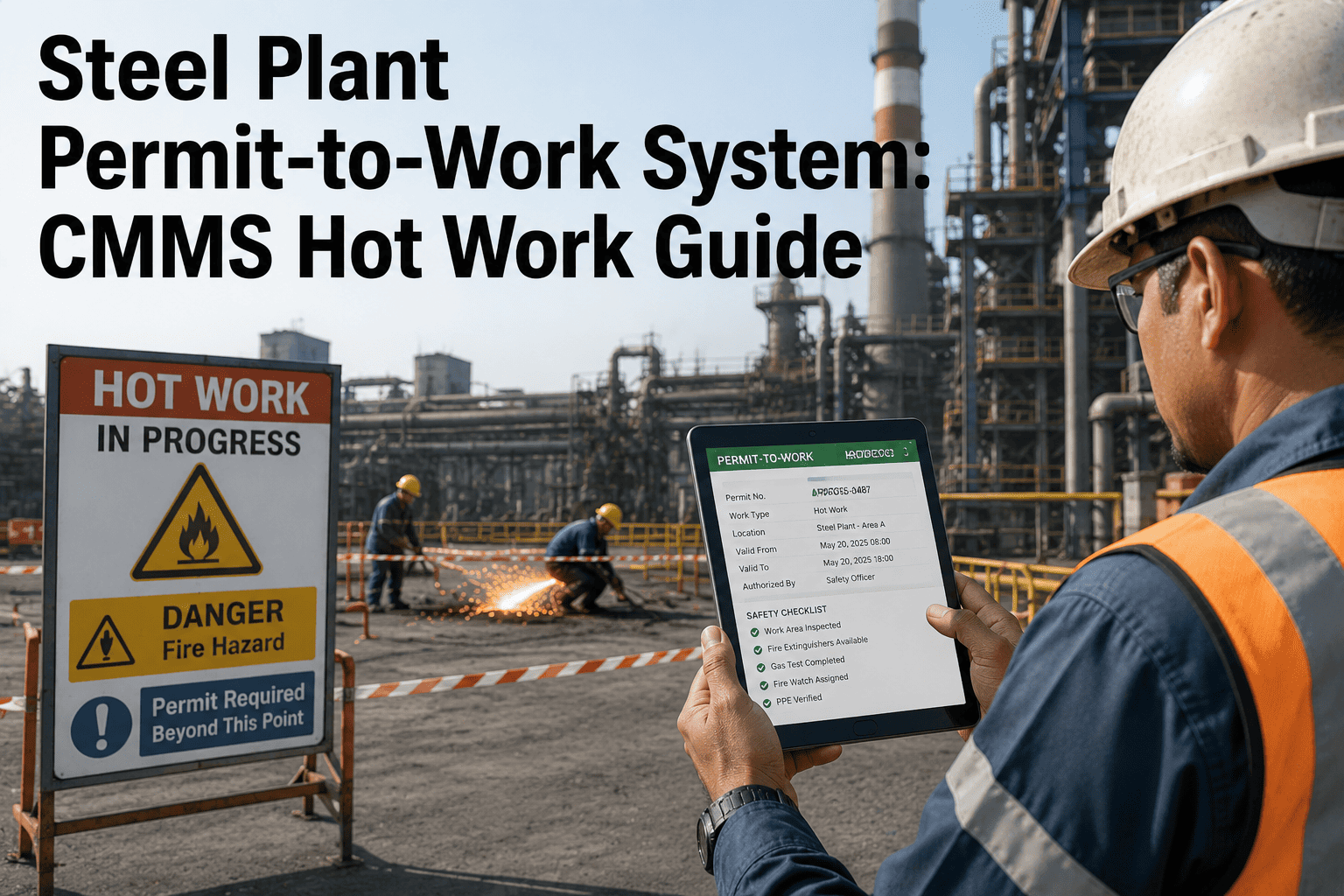
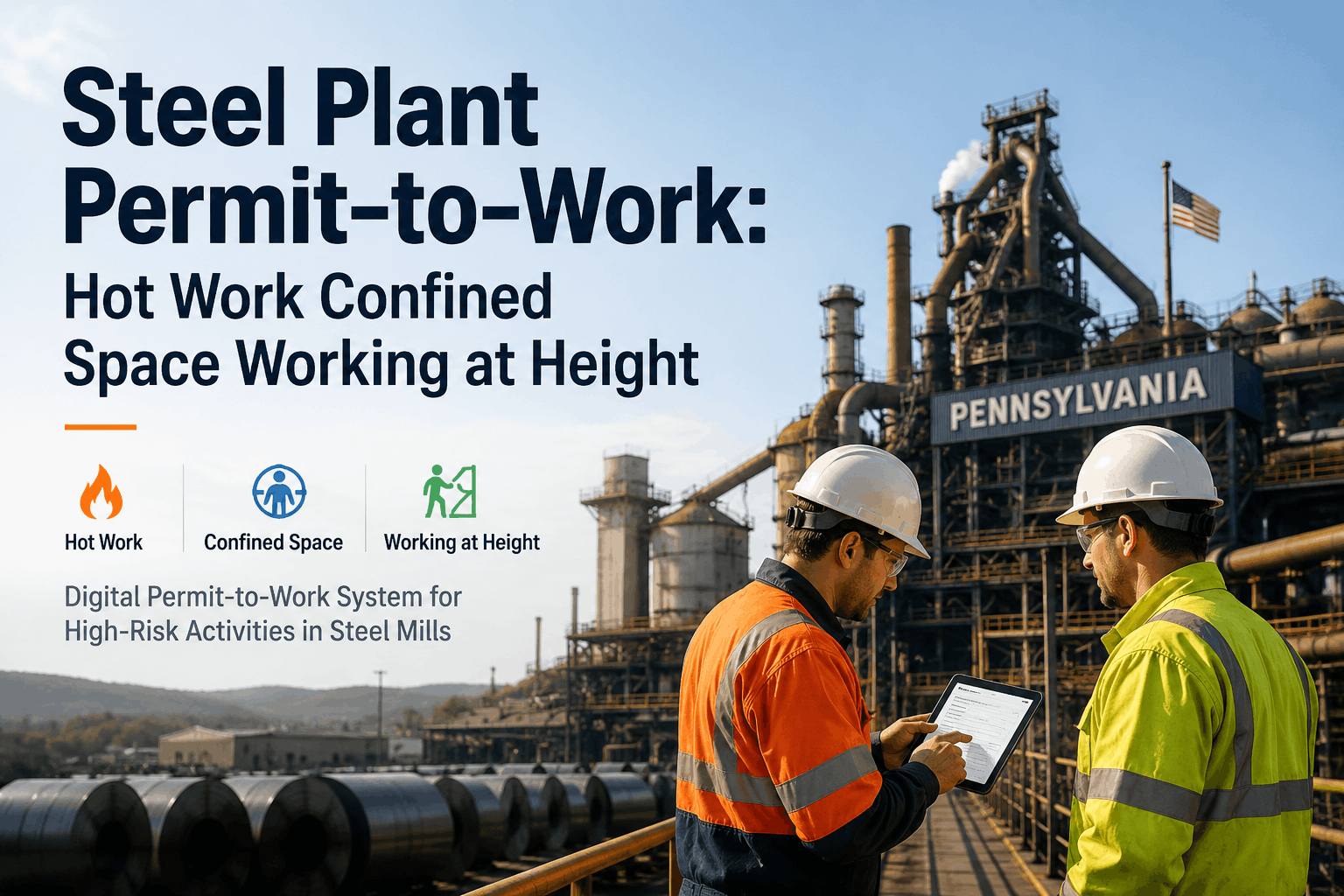
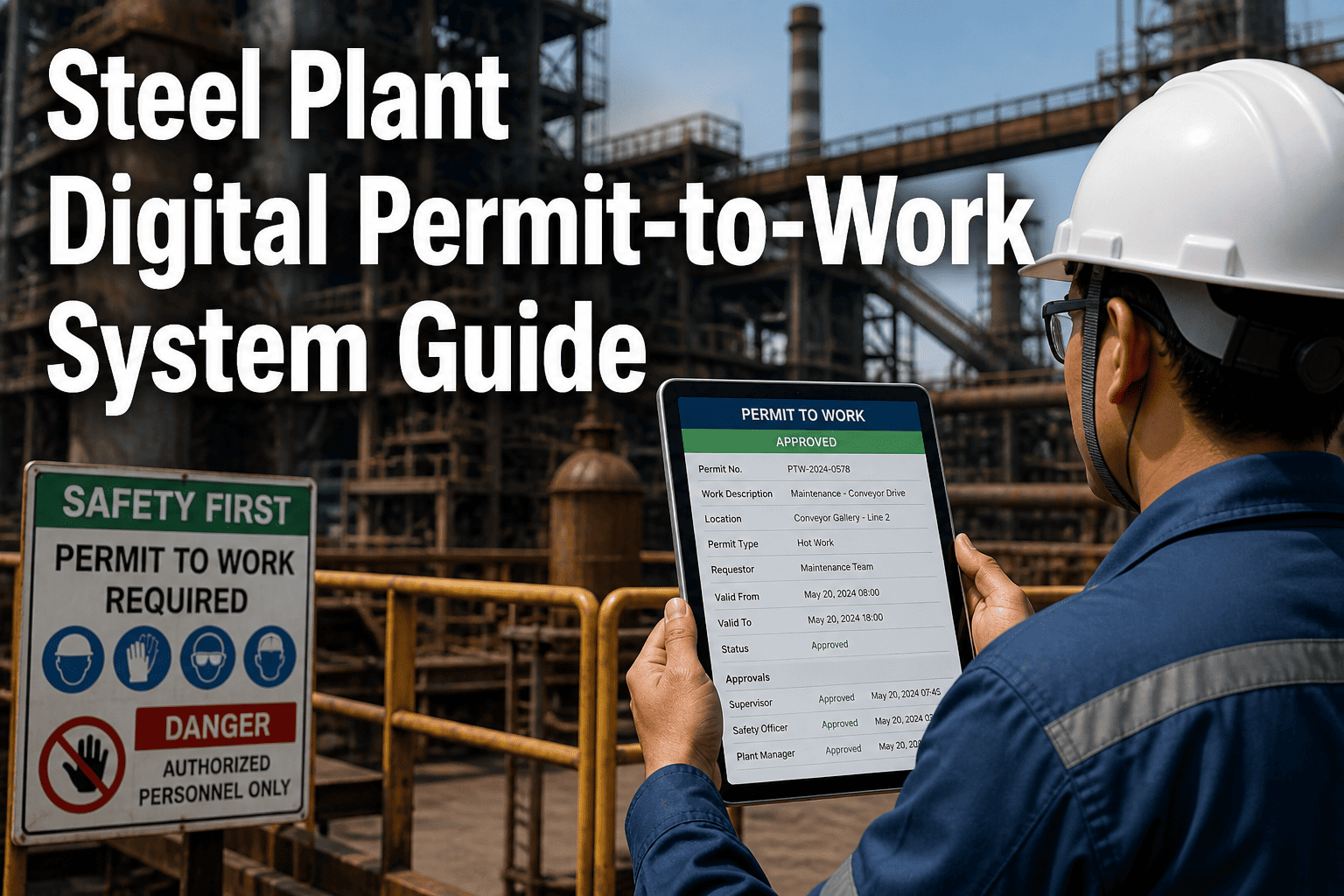
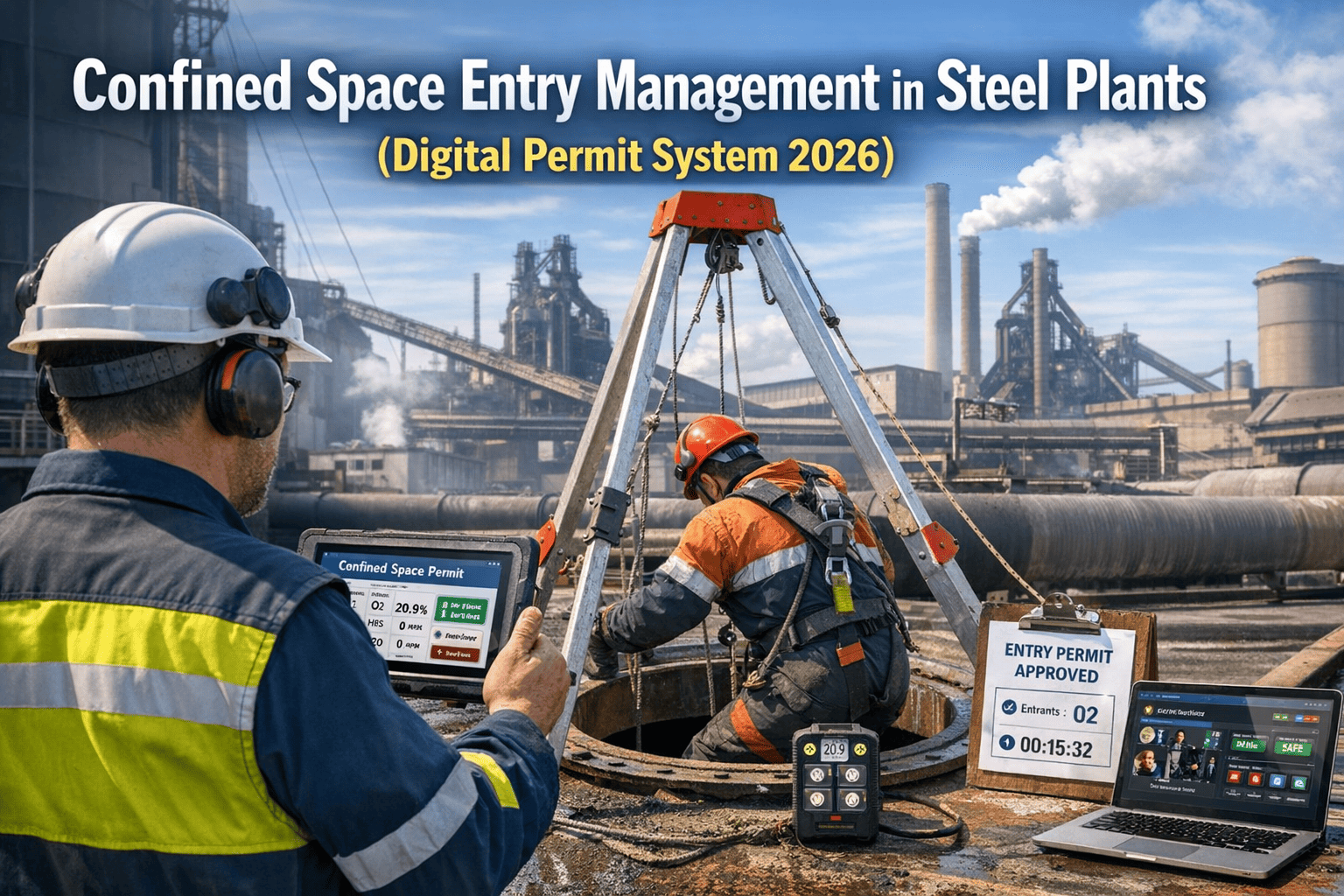
A paper permit pinned to a clipboard near a 1,600°C blast furnace is not a safety system. It's a liability waiting to happen. In steel plants, where hot work, confined space entry, electrical isolation, and crane lifts happen simultaneously across multiple zones, the permit-to-work process is the last line of defense between a controlled task and a catastrophic incident. Yet most steel plants still manage this critical process with handwritten forms, manual approval chains, and filing cabinets that nobody checks until after something goes wrong.
A 2017 study published in Chemical Engineering Transactions analyzed over 600 process safety accidents and found that permit-to-work system failures were the root cause in nearly 7% of all incidents, and this rate showed zero improvement over a 25-year period. The Piper Alpha disaster, which killed 167 workers, was directly attributed to PTW system breakdowns. In steel manufacturing, where molten metal, toxic gases, and heavy machinery create overlapping hazards on every shift, going digital isn't an upgrade. It's a survival strategy. See how Oxmaint eliminates paper permit risk in steel operations.
Paper Permits Can't Protect Workers From 1,600°C Hazards
Every minute a paper permit sits unsigned, unverified, or lost on a shop floor is a minute your workers are exposed to uncontrolled risk.
6 Permits Every Steel Plant Must Manage Flawlessly
Steel manufacturing involves some of the most dangerous activities in any industrial setting. Each of these permit types governs a different category of high-risk work, and a failure in any one of them can lead to fatal consequences. Here's what your digital system must control:
Hot Work Permit
Welding, cutting, grinding, and brazing near furnaces, ladles, and rolling equipment. Requires fire watch, gas testing, and verified safe zones before any spark is generated.
Risk Level: ExtremeConfined Space Entry
Tanks, vessels, furnaces, boilers, and ductwork where oxygen levels drop or toxic gases accumulate. Requires atmospheric testing, standby rescue teams, and continuous monitoring.
Risk Level: ExtremeElectrical Isolation (LOTO)
Lockout/tagout of high-voltage equipment powering EAFs, rolling mills, and crane systems. Ensures zero energy state before any maintenance begins on energized equipment.
Risk Level: Very HighCrane & Heavy Lift
Overhead crane operations near molten metal ladles, coil handling, and structural lifts. Requires load calculations, exclusion zones, and operator certification verification.
Risk Level: HighLine Breaking / Pipe Work
Opening pressurized systems carrying steam, hydraulic fluid, gas, or chemicals. Requires depressurization verification, drainage, and protective barrier placement.
Risk Level: HighWorking at Heights
Maintenance on overhead cranes, ductwork, structural steel, and roofing. Requires fall protection plans, harness inspections, and rescue procedures.
Risk Level: Medium-HighWhat Goes Wrong With Paper Permits in Steel Plants
Paper-based permit systems weren't designed for the speed, complexity, and multi-zone hazards of modern steel manufacturing. Research shows that every case where PTW failures contributed to accidents involved poor communication of hazard information and missing safety procedures. Here are the failure modes that digital systems eliminate:
Lost or Illegible Permits
Handwritten permits in hot, dusty steel plant environments become smudged, torn, or lost entirely. When an auditor or supervisor asks for documentation, it doesn't exist.
Expired Permits Still Active
Paper permits have no automatic expiration. Workers continue operating under yesterday's permit with outdated conditions, changed atmospheric readings, or different shift personnel.
Approval Delays Kill Productivity
Supervisor is on the other side of the plant. QA manager is in a meeting. Maintenance lead is on break. Paper permits sit unsigned for 30-90 minutes while skilled workers wait idle.
No Conflict Detection
Two teams issue permits for overlapping zones. Hot work starts in an area where confined space entry is already active. Paper systems have zero visibility into simultaneous permits.
Incomplete Checklists Signed Off
Under time pressure, workers skip gas testing, PPE verification, or isolation checks. Paper forms allow boxes to be checked without evidence. The 50.7% human error rate in gas testing confirms this pattern.
Shift Handover Gaps
Active permits don't transfer cleanly between shifts. Incoming workers lack context about in-progress jobs, changed conditions, or outstanding hazards from the previous team.
Every Paper Permit Is a Risk You Can Eliminate
Oxmaint's digital permit-to-work system replaces paper forms with automated workflows, real-time approvals, conflict detection, and audit-ready records. Purpose-built for heavy industry.
How Oxmaint Digitizes the Entire PTW Lifecycle
A digital permit-to-work system isn't just a PDF version of your paper forms. It's an intelligent workflow engine that enforces safety logic at every step, from initial request through final close-out. Here's how Oxmaint transforms permit management in steel plants:
Request & Initiate
Worker or supervisor submits a permit request from mobile device. Selects permit type, zone, equipment, and planned duration. System auto-populates hazard checklist based on work type and location.
Hazard Assessment
System runs automated conflict checks against all active permits. Flags overlapping zones, simultaneous hot work near confined spaces, or uncompleted isolations. Mandatory fields prevent skipping critical items.
Multi-Level Approval
Permit routes to required approvers: area supervisor, safety officer, operations manager. Push notifications enable approvals from anywhere on-site. Digital signatures with timestamps create legal audit trail.
Live Monitoring
Dashboard shows all active permits, their zones, expiration times, and responsible personnel in real-time. Control room and safety team see exactly who is working where, doing what, and until when.
Shift Handover
When shifts change, all active permits transfer digitally with full context. Incoming supervisor sees outstanding tasks, conditions, and any changes since permit issuance. No verbal-only handoffs.
Close-Out & Archive
Permit holder confirms work is complete, site is restored to safe condition, and all isolation points are cleared. Permit auto-archives with full history. Available instantly for audits, investigations, or OSHA inspections.
Paper vs. Digital: The Impact in Numbers
Switching from paper to a digital permit-to-work system doesn't just reduce risk. It transforms operational efficiency across every department that touches the permit process. Here's what steel plants experience after going digital with Oxmaint's CMMS platform:
Steel Plant Zones That Need PTW Coverage
Every zone in a steel plant has unique hazard profiles that require tailored permit configurations. A properly configured digital system maps permits to specific plant areas, ensuring the right safety checks are applied to the right location:
Highest hazard density. Molten metal, extreme heat, CO exposure, overhead cranes with ladles. Every permit requires gas testing and heat-stress protocols.
High-speed equipment, hydraulic systems, high-voltage motors. LOTO compliance is critical. Rolling mill maintenance requires coordinated multi-permit operations.
Toxic gas concentration areas: H₂S, CO, CH₄, NH₃. The 2025 Clairton explosion originated here. Confined space and atmospheric monitoring are mandatory for every permit.
Chemical handling for coating processes, acid pickling lines, galvanizing baths. Requires hazard communication compliance and chemical-specific PPE verification.
Go Digital Before the Next Incident
Oxmaint replaces every paper permit in your steel plant with intelligent, automated, audit-ready digital workflows. From hot work to confined space, every permit is tracked, enforced, and archived.
Frequently Asked Questions
What is a digital permit-to-work system and why do steel plants need one?
A digital permit-to-work system replaces paper-based forms with electronic workflows that manage the entire lifecycle of high-risk work authorization, from request through approval, monitoring, and close-out. Steel plants need digital PTW because they operate multiple hazard zones simultaneously (melt shop, rolling mill, coke plant) where overlapping permits can create fatal conflicts that paper systems cannot detect. Digital systems enforce mandatory checklists, enable real-time conflict detection, and create instant audit trails.
How does Oxmaint handle permit conflicts between different plant zones?
Oxmaint automatically scans all active permits when a new request is submitted. If the requested work zone overlaps with an existing permit, or if the work types create a conflict (such as hot work near an active confined space entry), the system blocks the permit and alerts both the requester and the safety officer. This conflict detection happens in real-time and prevents the most dangerous category of PTW failures in steel plants.
Can workers use the system on the plant floor with gloves and in harsh conditions?
Yes. Oxmaint's mobile interface is designed for industrial environments with large touch targets, minimal typing, dropdown selections, and photo capture. Workers wearing standard steel plant PPE including gloves can complete permit requests, acknowledge safety briefings, and sign off on checklists. Offline mode ensures the system works in areas with poor connectivity, syncing automatically when connection is restored.
How quickly can we transition from paper permits to Oxmaint?
Most steel plants complete the transition in 4-6 weeks. Week 1-2 focuses on configuring permit templates for your specific zones and work types. Week 3-4 covers training supervisors and safety officers. Week 5-6 rolls out mobile access to floor workers. You can run paper and digital in parallel during transition to ensure zero disruption to operations.
Does a digital PTW system satisfy OSHA compliance requirements?
Digital PTW systems exceed OSHA paper requirements. Oxmaint maintains timestamped, signed records for every permit including confined space entry (29 CFR 1910.146), lockout/tagout procedures (29 CFR 1910.147), and hot work authorizations. The platform generates compliance reports on demand and stores all records securely for the required retention periods, making your plant audit-ready at all times.