Steel manufacturing is one of the most energy-intensive industries on the planet. A single integrated steel mill can consume between 400 and 600 kWh of electricity per ton of crude steel produced, with total energy costs accounting for 20-40% of total production expenses. In 2025, global steel producers spent an estimated $128 billion on energy alone — and the International Energy Agency projects energy costs to rise another 12-18% by 2027 due to tightening carbon regulations and volatile fuel markets.
The steel plants that will thrive in 2026 and beyond are the ones treating energy not as a fixed overhead but as a controllable variable. With the right energy-aware maintenance and asset management platform, steel manufacturers are cutting energy waste by 20-35% without major capital expenditure — simply by optimizing what they already have. Oxmaint's CMMS integrates energy monitoring directly into maintenance workflows, turning every work order into an opportunity to reduce consumption.
Where Steel Plants Lose the Most Energy
Energy waste in steel manufacturing doesn't come from one place — it leaks from dozens of points across the entire production chain. Understanding these loss centers is the first step to eliminating them. Here are the seven biggest energy drains and how maintenance-driven energy management addresses each one:
Blast Furnace & EAF Operations
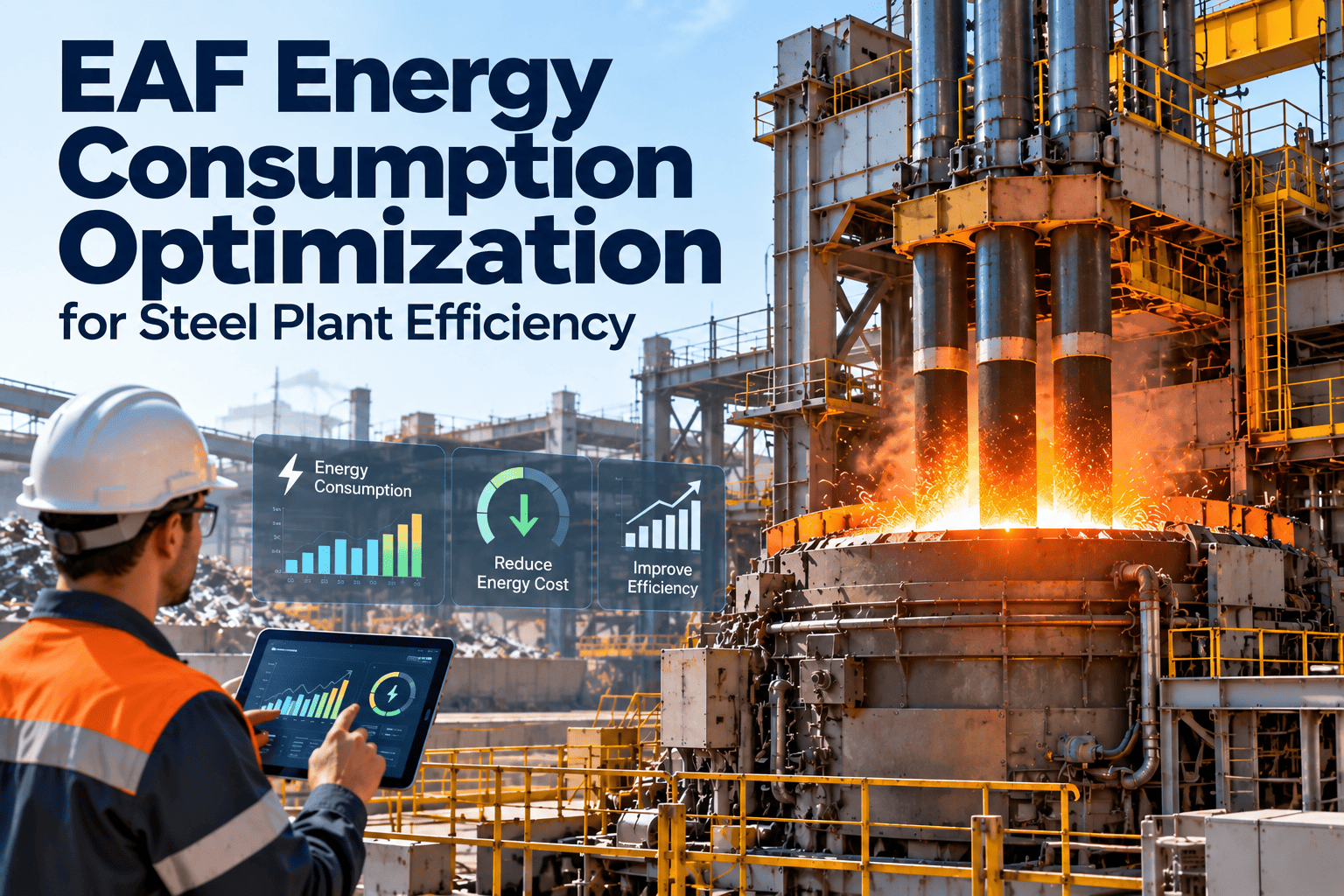
Refractory degradation, poor burden distribution, suboptimal electrode positioning, and slag chemistry imbalances increase specific energy consumption by 8-15% above design baseline.
Compressed Air Systems
Compressed air is the most expensive utility in a steel plant per unit of delivered energy. Leak rates of 25-30% are common in aging systems, costing $20,000-$80,000 per year per 100 CFM of leaks.
Rolling Mill Drives & Motors
Misaligned drives, worn bearings, improper lubrication, and degraded VFDs force motors to draw 10-25% more current than specification. Large rolling mill motors consume 2-5 MW each.
Steam & Heat Recovery Systems
Failed steam traps, uninsulated pipes, fouled heat exchangers, and bypassed waste heat recovery units. A single failed-open steam trap can waste $5,000-$15,000 per year in energy losses.
HVAC & Ventilation Systems
Oversized fans running at full speed 24/7, clogged filters increasing static pressure, and damper malfunctions in furnace ventilation systems. Fan energy scales with the cube of speed.
Cooling Water & Pumping
Fouled cooling towers, scaled heat exchangers, pump cavitation, and oversized pumps running throttled. Water systems in steel plants can account for 15-20% of total electricity consumption.
Total Maintenance-Recoverable Energy
Combined, these maintenance-addressable losses represent 15-25% of a steel plant's total energy bill. For a plant spending $50M/year on energy, that's $7.5-12.5 million in recoverable waste.
How Oxmaint Turns Maintenance into Energy Savings
Traditional energy management focuses on capital projects: new furnaces, VFDs, and heat recovery systems. But the fastest, lowest-cost energy savings come from optimizing what you already have through intelligent maintenance management. Here's how Oxmaint connects every maintenance activity to energy performance:
Energy-Tagged Work Orders
Every work order in Oxmaint can be tagged with energy impact. When a technician replaces a worn bearing, fixes a compressed air leak, or services a steam trap, the system logs the estimated energy savings automatically. Over time, your maintenance team builds a living database of energy recovery actions linked to real assets.
Preventive Maintenance with Energy KPIs
PM schedules for every energy-critical asset — EAF electrodes, compressors, cooling towers, transformers, boilers, and VFDs — include energy performance checkpoints. Technicians don't just confirm the equipment works; they verify it works efficiently. Degradation is caught before it becomes waste.
Asset Energy Baseline Tracking
Establish energy baselines for every major asset: kWh per ton for EAFs, specific energy per ton for rolling mills, kW per 100 CFM for compressors. Oxmaint tracks actual vs. baseline continuously, flagging any asset that drifts beyond acceptable variance so maintenance can intervene before waste accumulates.
Energy Audit & ISO 50001 Compliance
Generate audit-ready energy reports mapped to ISO 50001 Energy Management System requirements. Oxmaint maintains documentation for energy reviews, significant energy uses (SEUs), energy performance indicators (EnPIs), and action plan tracking — all accessible from a single dashboard.
Carbon & Emissions Tracking
With CBAM, EU ETS, and EPA regulations tightening, every kWh saved also reduces your carbon footprint. Oxmaint links energy consumption data to Scope 1 and Scope 2 emission calculations, giving you verifiable data for ESG reports, carbon credit applications, and regulatory submissions.
Turn Every Work Order into Energy Savings
Oxmaint connects maintenance to energy performance, giving your steel plant the tools to identify waste, track improvements, and prove ROI on every maintenance dollar spent.
Energy Cost Breakdown: Where Your $50M/Year Actually Goes
Understanding the distribution of energy costs across steel plant operations reveals where the biggest savings opportunities hide. This breakdown represents a typical integrated steel mill spending $50 million annually on energy:
The 2026 Energy Regulations Steel Plants Must Prepare For
Energy management in steel manufacturing is no longer just about cost — it's about regulatory survival. These are the regulations and market forces that will reshape steel plant energy economics in 2026 and beyond:
CBAM — Carbon Border Adjustment Mechanism
Full implementation begins 2026. Steel importers into the EU must purchase CBAM certificates matching embedded carbon. Current price trajectory: €70-90/ton CO₂. Plants with higher energy efficiency face lower carbon costs per ton of steel exported.
EPA Clean Air Act — Emissions Standards
Tightened emission limits for EAF and integrated mills under review for 2026. Energy efficiency directly correlates with emission compliance. Plants exceeding emission thresholds face operational restrictions and escalating fines.
ISO 50001 — Energy Management Systems
Increasingly required by major steel buyers and OEMs as a procurement condition. ISO 50001 certification demands documented energy policy, baselines, targets, action plans, and management reviews — all auditable annually.
Energy Price Volatility & Grid Instability
Natural gas and electricity price swings of 30-50% quarter-over-quarter are the new normal. Steel plants with demand response capability and energy-flexible operations can monetize grid services while reducing peak demand charges.
Maintenance-Driven Energy Savings: Zone-by-Zone Checklist
Each area of a steel plant has specific maintenance actions that directly impact energy consumption. Use this zone-by-zone checklist to identify quick wins and build a systematic energy reduction program across your facility:
5 Steps to Cut Energy Costs by 20%+ in 12 Months
This is the proven implementation roadmap that steel plants follow with Oxmaint's energy optimization onboarding to achieve measurable energy savings without disrupting production:
Energy Baseline & Asset Audit
Establish energy baselines for every major asset and production zone. Import utility bills, sub-meter data, and historical maintenance records into Oxmaint. Map energy consumption to specific equipment and processes.
Quick Win Identification
Deploy targeted maintenance actions on the highest-impact energy wasters: compressed air leaks, failed steam traps, misaligned motors, and fouled heat exchangers. These no-cost/low-cost fixes typically deliver 5-8% savings immediately.
Energy-Optimized PM Schedules
Reconfigure preventive maintenance schedules to include energy performance checkpoints. Add specific energy KPIs to inspection checklists for compressors, furnaces, motors, cooling systems, and boilers.
Continuous Monitoring & Alerting
Activate energy variance alerts for all baselined assets. Set threshold triggers that automatically generate work orders when an asset's energy consumption drifts beyond acceptable range. Link to operator dashboards.
Report, Prove & Scale
Generate monthly energy savings reports with verified data for management, ISO 50001 auditors, and ESG stakeholders. Use proven ROI data to justify next-phase capital investments in high-efficiency equipment.
Energy Savings ROI Calculator
The financial case for maintenance-driven energy management is compelling. These are documented outcomes from steel plants using CMMS-integrated energy management systems, broken down by savings category:
Start Cutting Energy Costs This Month
Join steel manufacturers saving millions annually through maintenance-driven energy management. Your energy optimization starts with a 30-minute assessment call.
Frequently Asked Questions
How can a CMMS reduce energy costs without new equipment?
Energy waste in steel plants is primarily caused by poorly maintained equipment: leaking compressed air, failed steam traps, misaligned motors, degraded refractories, and fouled heat exchangers. A CMMS like Oxmaint ensures preventive maintenance catches these issues before they become energy drains. Studies show that 15-25% of a steel plant's total energy consumption is wasted through maintenance-addressable issues, making CMMS the highest-ROI energy investment available.
Does Oxmaint integrate with existing energy monitoring systems?
Yes. Oxmaint connects with sub-metering systems, SCADA platforms, and building management systems to pull real-time energy data directly into asset records and work orders. This means technicians see energy performance alongside maintenance history, enabling them to correlate maintenance actions with energy outcomes and prioritize high-impact repairs.
How does energy management help with ISO 50001 certification?
ISO 50001 requires documented energy baselines, significant energy use (SEU) identification, energy performance indicators (EnPIs), action plans, and management review records. Oxmaint maintains all of this documentation digitally with audit trails, making certification preparation significantly faster. Plants using Oxmaint typically achieve ISO 50001 certification 40-60% faster than those using manual systems.
What's the typical ROI timeline for energy management through CMMS?
Most steel plants achieve full software ROI within 4-6 months, driven by quick-win maintenance actions (compressed air leak repairs, steam trap replacements, motor alignment corrections) that require no capital investment. First-year savings typically range from $1.5-3.5 million for a mid-sized steel plant, with compounding improvements in subsequent years as PM compliance and data quality increase.
How does CBAM affect steel plant energy management priorities?
CBAM creates a direct financial link between energy efficiency and export competitiveness. Every kWh saved reduces your embedded carbon per ton of steel, lowering the CBAM certificates required for EU exports. At current carbon prices of €70-90/ton CO₂, a 20% reduction in specific energy consumption can save $15-45 per ton of exported steel in CBAM costs alone, making energy efficiency a competitive differentiator rather than just a cost reduction measure.