AI-Powered Steel Plant Energy Management: Cut Costs & Optimize Consumption

By James smith on April 1, 2026

ai-steel-plant-energy-management-consumption-optimization

AI-powered energy management is transforming steel plants by optimizing consumption across processes, reducing costs by 8–15%. With real-time tracking of specific energy consumption (SEC), gas balance, and electrical loads, plants can identify inefficiencies and act instantly. Integrated dashboards and AI insights also ensure PAT scheme compliance while driving sustainable, cost-efficient operations. Book a Demo for Steel Plant Energy Management.

Energy & Sustainability

Steel Plant Energy Management

AI-Powered Consumption Optimization & Cost Reduction

Energy is the single largest cost in steel production. AI-driven optimization is now cutting that cost by 8-15% without stopping a single heat.

8-15%
Energy Cost Reduction
40%
of Production Cost is Energy
PAT VII
Compliance Ready

Why Steel Plants Bleed Energy Costs

01

No Real-Time Visibility

Energy data arrives hours late. Operators react to waste after it has already happened, not before.

02

Gas Balance Gaps

BFG, COG, and LDG flaring spikes go undetected. Millions in recoverable gas are burned away every month.

03

SEC Target Pressure

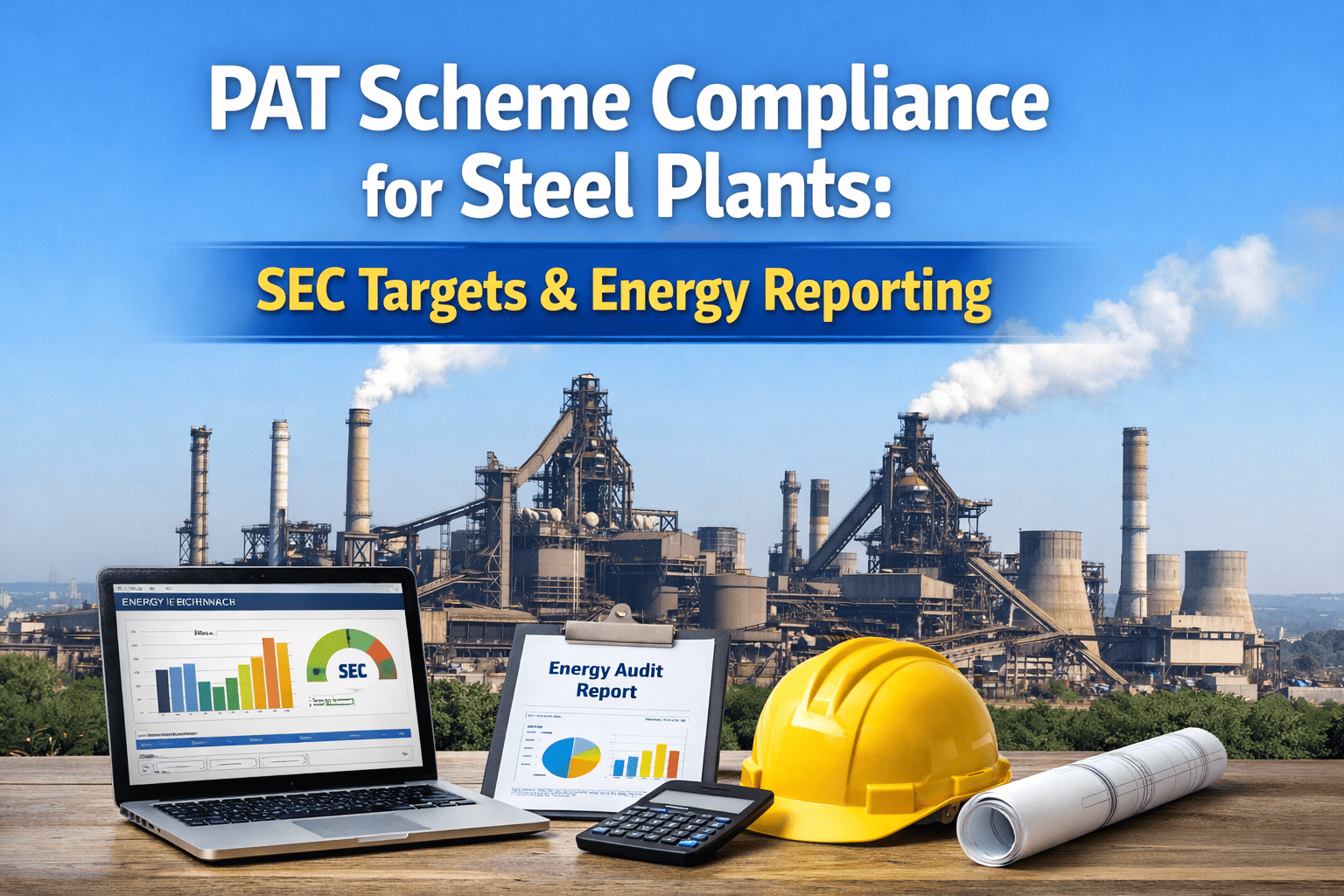
BEE's PAT scheme mandates Specific Energy Consumption reduction. Manual tracking cannot keep pace with compliance deadlines.

04

Peak Demand Penalties

Uncoordinated electrical loads trigger demand charges that inflate electricity bills by 20-30% unnecessarily.

Where Energy Goes in an Integrated Steel Plant

100%
Total Energy Input

38%
Blast Furnace
22%
Steel Melt Shop
18%
Rolling Mills
14%
Utilities & Captive Power
8%
Misc & Losses
AI Insight Blast Furnace and Rolling Mills together offer the highest optimization potential. AI identifies anomalies in these zones within seconds.

How OxMaint AI Optimizes Steel Plant Energy

02

Gas Balance Optimization

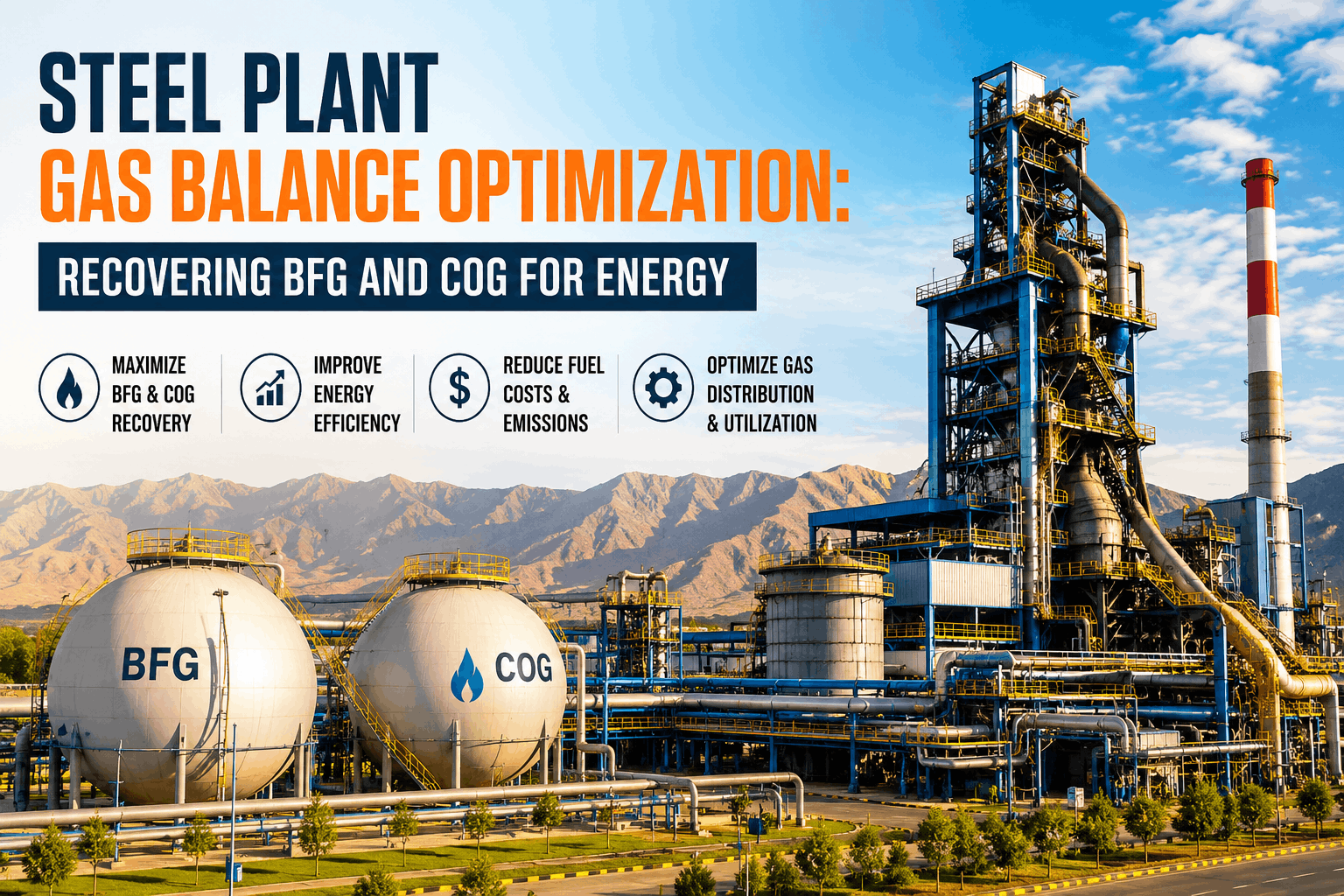
OxMaint monitors BFG, COG, and LDG flows continuously. AI predicts surplus and shortage windows, enabling pre-emptive distribution and eliminating wasteful flaring.

Result: Up to 12% reduction in gas flaring losses
03

Electrical Load Management

AI coordinates furnace startups, rolling schedule, and utility loads to flatten the demand curve. Power factor correction is tracked and alerted automatically.

Result: Peak demand charges reduced by 15-25%
04

PAT Scheme Compliance

Automated ESCert-ready SEC reporting aligned to BEE PAT Cycle VII norms. Audit-ready documents generated at the click of a button.

Result: Zero last-minute compliance scramble

See How Much Your Plant Can Save

Book a 30-minute live demo. Bring your energy bills. We will show you the exact savings potential.

Book a Free Demo Start Free Trial

What Gets Tracked, What Gets Saved

Energy Parameter Without AI With OxMaint AI
SEC Tracking Manual, Daily Real-Time, Per Heat
Gas Flaring Detection End-of-Shift Report Alert in 90 Seconds
Peak Demand Alerts Post-Billing Discovery Predictive, 10-Min Window
PAT Compliance Report Weeks of Manual Work Auto-Generated
Captive Power Optimization Fixed Schedule Dynamic Grid vs CPP Switching
Anomaly Detection Operator Intuition AI Baseline, Auto Work Order

PAT Scheme & India's Carbon Credit Transition

India's Bureau of Energy Efficiency has run seven PAT cycles since 2012, covering Iron & Steel as a designated sector in every cycle. PAT Cycle VII covers 509 Designated Consumers through FY 2024-25 with an overall savings target of 6.627 MTOE.

Starting FY 2025-26, the Carbon Credit Trading Scheme (CCTS) takes over, introducing emissions intensity targets and carbon credit certificates. Steel plants that have already optimized their SEC are best positioned for CCTS compliance.

OxMaint tracks both energy intensity (GJ/tonne) and Scope 1 & Scope 2 emissions simultaneously, making the PAT-to-CCTS transition seamless.

PAT Cycle I-VI
8.67 MTOE saved in Cycle I alone. Steel sector mandatory participant.

PAT Cycle VII (2022-25)
509 DCs. Iron & Steel included. 6.627 MTOE target.

CCTS 2025-26 Onward
Emissions intensity targets. Carbon Credit Certificates. Higher penalties.

Steel Plant Energy Audit Readiness Checklist

Metering & Data
Sub-metering at furnace, mill, and utility level
Gas flow meters on all by-product gas headers
Production data linked to energy consumption
Historian or DCS integration to energy platform
Monitoring & Alerts
Real-time SEC dashboard per production unit
Gas flaring alerts with threshold settings
Demand charge alert 10-15 minutes ahead
Power factor monitoring at PCC level
Compliance & Reporting
BEE energy return filed annually
Mandatory energy audit conducted
ESCert-ready SEC documentation
CCTS emissions intensity baseline established

What Steel Plants Achieve with OxMaint

Energy Cost Reduction
8-15%
Gas Flaring Reduction
up to 12%
Peak Demand Charges Cut
15-25%
SEC Reporting Time Saved
90%+
Anomaly Detection Speed
90 sec vs hours

Common Questions from Steel Plant Energy Teams

How quickly can OxMaint integrate with our existing DCS or historian?
OxMaint connects natively to OSIsoft PI, Honeywell PHD, Siemens WinCC, and most OPC-UA/DA systems. A typical steel plant integration goes live within 4-6 weeks with no changes to your control infrastructure.
Does OxMaint handle both integrated steel plants and mini-mills?
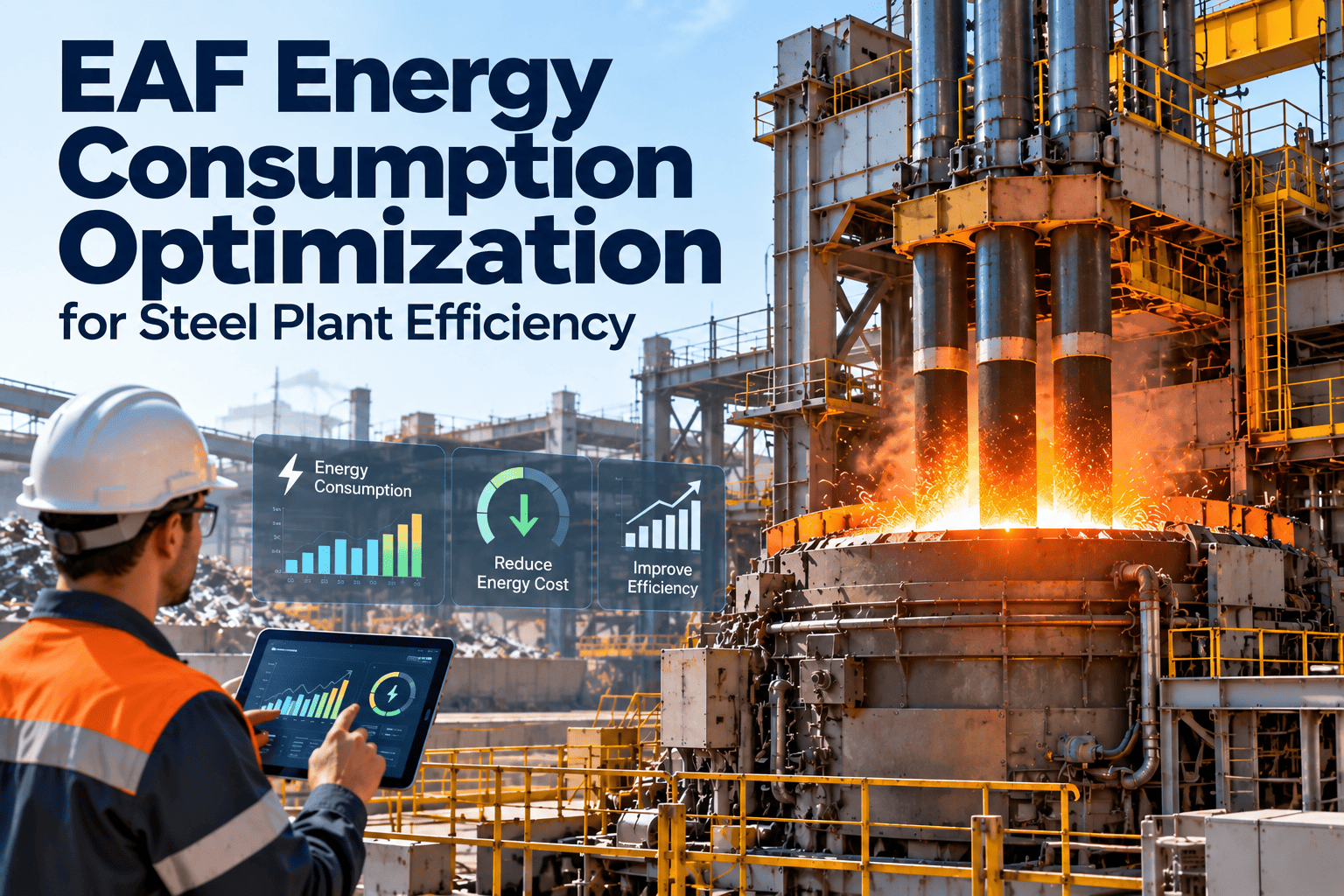
Yes. For integrated plants, OxMaint covers Blast Furnace, SMS, rolling, and captive power. For EAF-based mini-mills, the focus shifts to electrode consumption, tap-to-tap cycle optimization, and reactive power management.
How does OxMaint help with BEE PAT compliance reporting?
OxMaint automatically calculates SEC (GJ per tonne of crude steel) in the format prescribed by BEE, cross-referenced with production logs. Compliance-ready reports are generated with one click, reducing audit preparation from weeks to hours.
Can the platform predict and prevent demand charge spikes?
Yes. OxMaint AI monitors real-time load and predicts demand peaks 10-15 minutes ahead. It sends alerts to operators and recommends specific load deferral actions, such as delaying EAF charging or adjusting reheating furnace throughput, to stay within sanctioned demand limits.
What is the ROI timeline for a mid-size steel plant?
Most steel plants with an annual energy spend above Rs 100 crore recover the OxMaint investment within 6-9 months through energy cost savings alone, before accounting for avoided demand charges and PAT compliance benefits.
Is OxMaint ready for the CCTS transition replacing PAT?
Fully. OxMaint tracks both GJ/tonne (SEC) and CO2 intensity (tCO2/tonne) simultaneously. As CCTS shifts from energy intensity to emissions intensity targets from FY 2025-26, OxMaint-equipped plants will already have their baseline data and monitoring in place.

Your Competitors Are Already Optimizing

Global steel leaders are deploying AI energy management now. Every month without optimization is money left on the table and PAT compliance risk accumulated.
Share This Story, Choose Your Platform!