Fleet management represents one of the most critical operational challenges facing logistics and transportation companies, with inefficient maintenance approaches costing an average of $12.5 lakhs per vehicle breakdown. Industry data reveals that 68% of fleet operators still rely on reactive maintenance strategies that create unexpected downtime, excessive repair costs, and operational disruptions. Comprehensive CMMS implementation can reduce unplanned downtime by 75%, extend vehicle life by 35%, and decrease maintenance costs by 60% while ensuring regulatory compliance, and maximum asset utilization across diverse fleet operations.
The Fleet Management Crisis: Hidden Costs of Inefficient Maintenance
Modern fleet operations depend on sophisticated vehicle systems operating under demanding conditions, where maintenance inefficiencies cascade throughout organizations, affecting delivery schedules, operational costs, and customer satisfaction. Traditional maintenance approaches create substantial hidden costs that impact profitability and competitive positioning in today's demanding logistics environment.
Engine System Failures
82% of engine problems show detectable patterns 3-5 weeks before failure, with poor maintenance tracking leading to $18+ lakhs in emergency repairs and extended downtime periods.
Transmission Breakdowns
Transmission issues manifest through performance degradation and operational anomalies that proper CMMS tracking identifies early, preventing $25+ lakhs replacement costs per vehicle.
Brake System Deterioration
Brake system maintenance lapses create safety risks and regulatory violations, with systematic monitoring preventing accidents and $8+ lakhs in compliance penalties.
Electrical System Malfunctions
Modern vehicle electrical systems require precise maintenance scheduling to prevent control failures, sensor malfunctions, and costly diagnostic procedures exceeding $12+ lakhs.
Tire and Suspension Issues
Inadequate tire and suspension maintenance leads to premature replacement, fuel efficiency losses, and vehicle handling problems costing $6+ lakhs annually per vehicle.
Fuel System Optimization
Fuel system maintenance negligence results in efficiency losses, emission control failures, and regulatory compliance issues that systematic CMMS prevents effectively.
The Financial Impact of Reactive Fleet Maintenance
Before implementing systematic CMMS solutions, fleet operations experience significant inefficiencies that impact both operational performance and financial results through multiple cost centers:
- Emergency repair premiums consuming 65% of maintenance budgets while providing minimal preventive value for long-term fleet health
- Vehicle downtime averaging 20-25% of available hours due to unplanned maintenance and reactive repair cycles
- Maintenance cost unpredictability making budget planning difficult and causing delivery delays and customer service issues
- Regulatory compliance risks from inadequate maintenance documentation resulting in penalties and operational restrictions
- Shortened vehicle lifecycles with 30% reduced asset value due to improper maintenance timing and procedures
Foundation Elements: Comprehensive CMMS Architecture for Fleet Management
Professional CMMS platforms provide the technological foundation necessary for systematic fleet management, incorporating vehicle specifications, maintenance schedules, and predictive analytics into unified management systems that optimize performance and minimize operational costs.
Core CMMS Components and Integration
Effective CMMS implementation integrates multiple management streams and operational criteria to create comprehensive maintenance systems that balance efficiency with cost-effectiveness across diverse fleet configurations.
Asset Management Database
Comprehensive vehicle tracking including specifications, maintenance history, performance metrics, and cost analysis that enables precise lifecycle management and optimization strategies.
Preventive Maintenance Scheduling
Automated scheduling systems incorporating manufacturer specifications, usage patterns, and operational conditions to optimize maintenance timing and resource allocation.
Work Order Management System
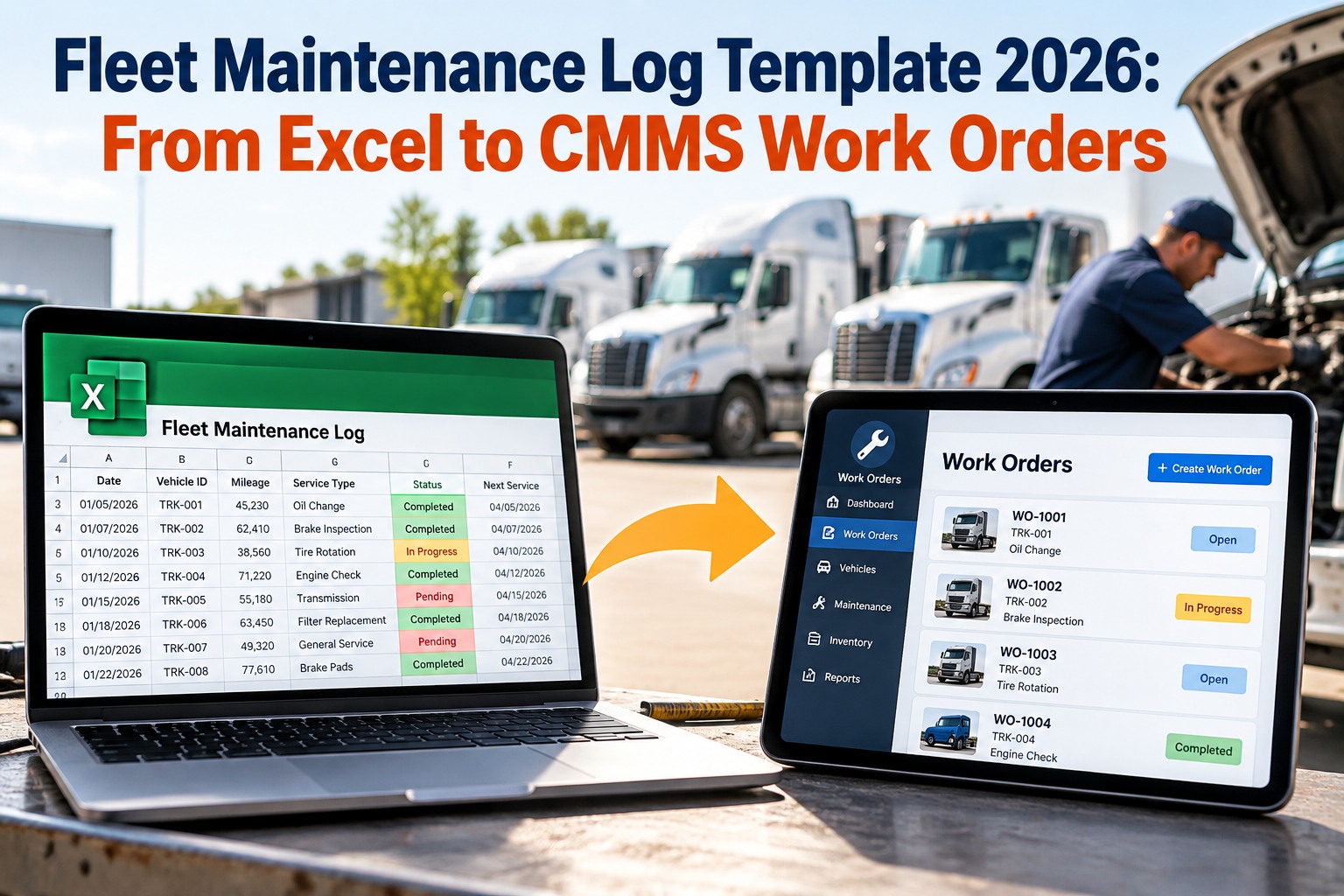
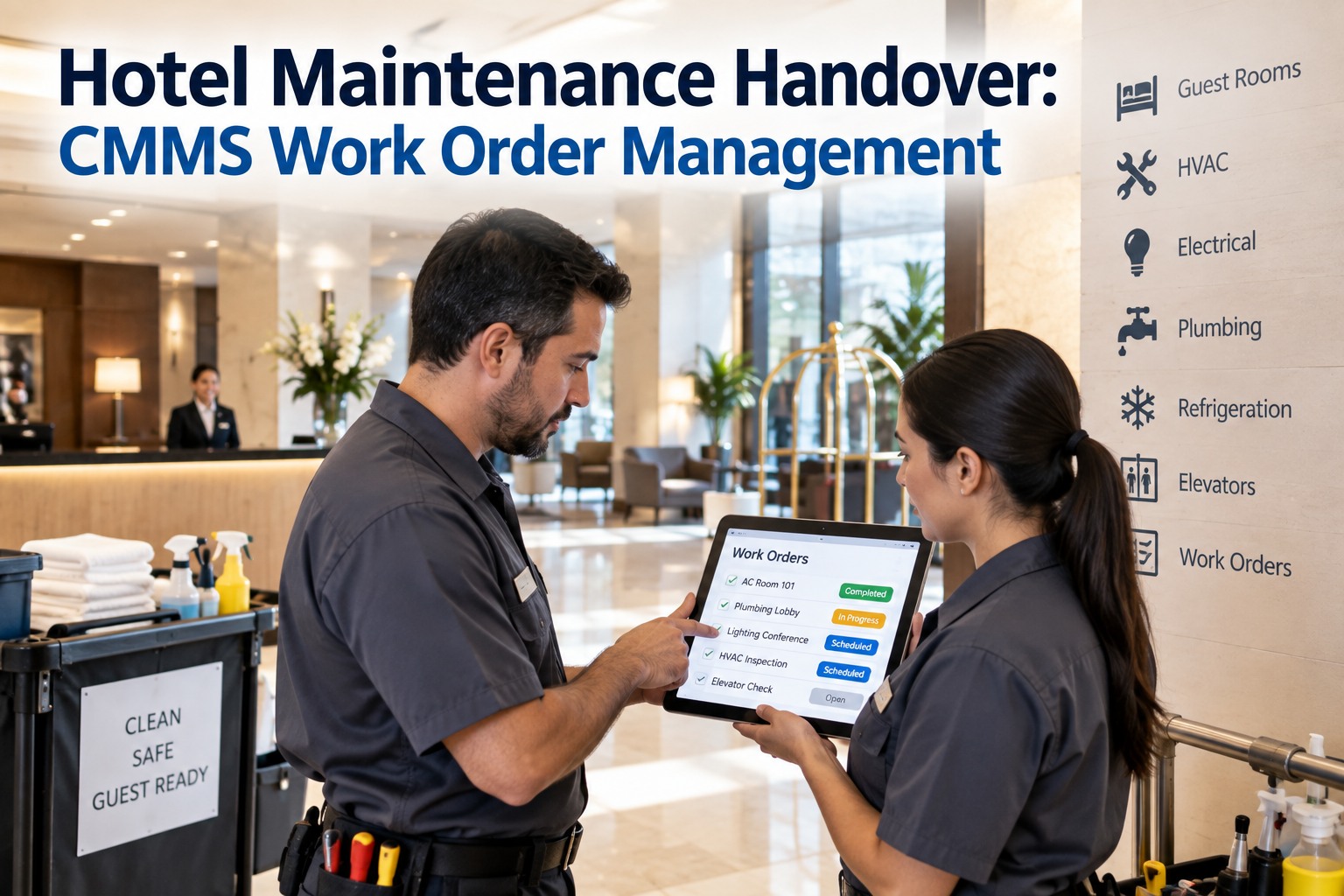
Digital work order generation, technician assignment, progress tracking, and completion verification that ensures consistent maintenance quality and accountability.
Inventory and Parts Management
Integrated parts inventory tracking, supplier management, and automated reordering systems that minimize stockouts while optimizing inventory investment levels.
Advanced Digital Integration and Analytics Capabilities
Smart Fleet Monitoring and Predictive Maintenance
Modern CMMS solutions transcend basic scheduling to incorporate real-time vehicle data, predictive analytics, and automated decision-making that identifies maintenance needs weeks before traditional approaches detect issues.
Real-Time Vehicle Monitoring
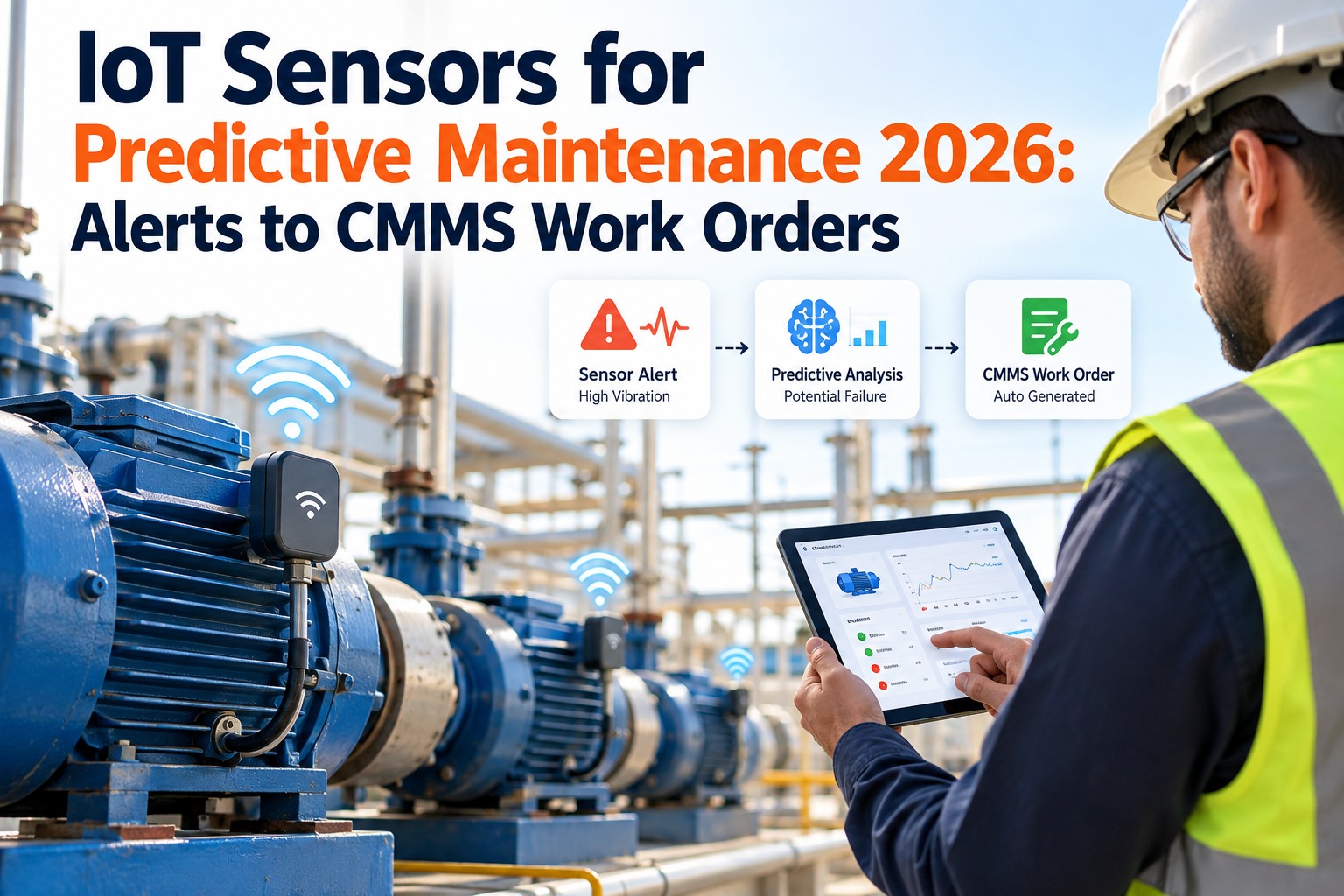
Continuous monitoring systems automatically track vehicle performance parameters, identify deviation patterns, and generate maintenance alerts when thresholds are exceeded.
Predictive Analytics Engine
Advanced algorithms analyze vehicle behavior patterns, usage data, and maintenance history to predict component failures 4-8 weeks before occurrence.
Mobile Workforce Management
Mobile applications enable technicians to access work orders, update maintenance records, and coordinate activities from any location with real-time synchronization.
Integrated Reporting Dashboard
Executive dashboards provide comprehensive visibility into fleet performance, maintenance costs, compliance status, and operational efficiency metrics across all vehicle segments.
Implementation Methodology and Best Practices
Phased CMMS Deployment Strategy
Successful CMMS implementation requires systematic deployment approaches that minimize operational disruption while maximizing system adoption and effectiveness across diverse fleet configurations and organizational structures.
Phase 1: System Planning
Fleet assessment, requirement analysis, system customization, and integration planning based on specific vehicle types, operational patterns, and organizational needs.
Phase 2: Data Migration
Historical maintenance data transfer, asset registration, vendor setup, and baseline establishment to ensure comprehensive system initialization and accuracy.
Phase 3: Pilot Implementation
Limited deployment with select vehicle segments, user training, process refinement, and performance validation to optimize system configuration before full rollout.
Phase 4: Full Deployment
Organization-wide implementation, comprehensive training programs, change management support, and ongoing optimization based on user feedback and performance data.
Change Management and User Adoption Strategies
CMMS implementation success depends heavily on user adoption and process transformation, requiring comprehensive training programs and organizational alignment that encourage systematic maintenance practices and data-driven decision making.
Comprehensive Training Program
Role-specific training for fleet managers, maintenance technicians, and operators covering system navigation, maintenance procedures, and reporting capabilities.
Performance Metric Alignment
KPI development and incentive structures that reward proactive maintenance, cost optimization, and system utilization to encourage adoption and engagement.
Continuous Improvement Process
Regular system optimization, user feedback integration, and process refinement to ensure ongoing effectiveness and user satisfaction with CMMS capabilities.
Executive Support and Communication
Leadership engagement and communication strategies that reinforce CMMS importance and provide ongoing support for organizational transformation initiatives.
Analytics and Performance Monitoring Capabilities
Advanced Fleet Analytics and KPI Tracking
CMMS analytics capabilities transform raw operational data into actionable insights that enable continuous improvement, cost optimization, and strategic planning across fleet operations and maintenance activities.
Real-Time Performance Dashboards
Executive and operational dashboards providing immediate visibility into fleet performance, maintenance status, and cost trends across all vehicle categories and operational segments.
Predictive Maintenance Analytics
Advanced analytics identifying maintenance optimization opportunities, cost reduction strategies, and performance improvement initiatives based on comprehensive operational data.
Cost Analysis and Optimization
Detailed cost tracking covering maintenance expenses, parts utilization, and operational efficiency that enables strategic decision-making and budget optimization.
Compliance and Audit Support
Automated compliance tracking ensuring maintenance activities meet regulatory requirements, safety standards, and audit documentation with comprehensive reporting capabilities.
ROI and Operational Excellence Outcomes
Quantifiable Financial Benefits and Cost Optimization
Comprehensive CMMS implementation delivers measurable financial returns through multiple value streams that extend beyond direct maintenance cost savings to encompass operational efficiency, asset longevity, and competitive advantage benefits.
Operational Efficiency and Competitive Advantages
Comprehensive CMMS deployment creates operational advantages that enhance competitive positioning through improved fleet reliability, predictable maintenance costs, and enhanced service delivery capabilities that drive customer satisfaction.
- Improved delivery schedule reliability with predictable vehicle availability and minimal maintenance-related service disruptions
- Enhanced fleet utilization averaging 88%+ availability compared to 70% with reactive maintenance approaches
- Reduced insurance premiums through documented maintenance programs and improved safety performance records
- Increased vehicle resale values with comprehensive maintenance documentation and proven reliability history
- Better cash flow predictability through planned maintenance budgets and eliminated emergency repair expenses
Compliance and Regulatory Management
Regulatory compliance requirements make systematic CMMS implementation essential for fleet operations, with safety standards, environmental regulations, and industry requirements demanding comprehensive maintenance documentation and risk management programs.
DOT and Safety Compliance
Transportation safety regulations requiring systematic vehicle inspection and maintenance documentation, with CMMS ensuring compliance and reducing violation risks that can cost $25+ lakhs per incident.
Environmental Regulation Adherence
Emission control maintenance and environmental protection standards demanding proper vehicle monitoring to ensure regulatory compliance and sustainability objectives.
Insurance and Risk Management
Insurance carrier requirements for systematic maintenance programs and safety documentation, with CMMS reducing premiums and liability exposures significantly.
Warranty Protection and Claims
Manufacturer warranty requirements for proper maintenance documentation, with systematic CMMS protecting warranty coverage and reducing replacement costs.
Future Outlook and Technology Integration
The CMMS landscape continues evolving with emerging technologies that promise enhanced automation, predictive capabilities, and integrated management systems that will further improve fleet efficiency and operational effectiveness.
AI and Machine Learning Integration
Advanced AI algorithms providing enhanced predictive maintenance, automated scheduling optimization, and intelligent resource allocation based on complex operational data analysis.
IoT and Telematics Integration
Internet of Things technologies enabling continuous vehicle monitoring and instant maintenance alerts across distributed fleet operations and remote locations.
Blockchain Documentation
Immutable maintenance records and compliance documentation providing enhanced warranty protection, audit verification, and vehicle history validation capabilities.
Augmented Reality Support
AR-enabled maintenance guidance providing technicians with real-time diagnostic information, repair procedures, and expert system support for complex maintenance tasks.