The skilled trades workforce is retiring faster than it is being replaced. In maintenance operations, this creates a specific and urgent problem: the institutional knowledge that experienced technicians carry in their heads — the quirks of specific equipment, the history of recurring failures, the shortcuts that actually work — leaves with them the day they retire. AI maintenance knowledge bases change how that knowledge is captured, stored, and transferred to the next generation of technicians, and OxMaint's AI Copilot is built around exactly that capability.
Workforce Enablement · AI Copilot · Knowledge Retention
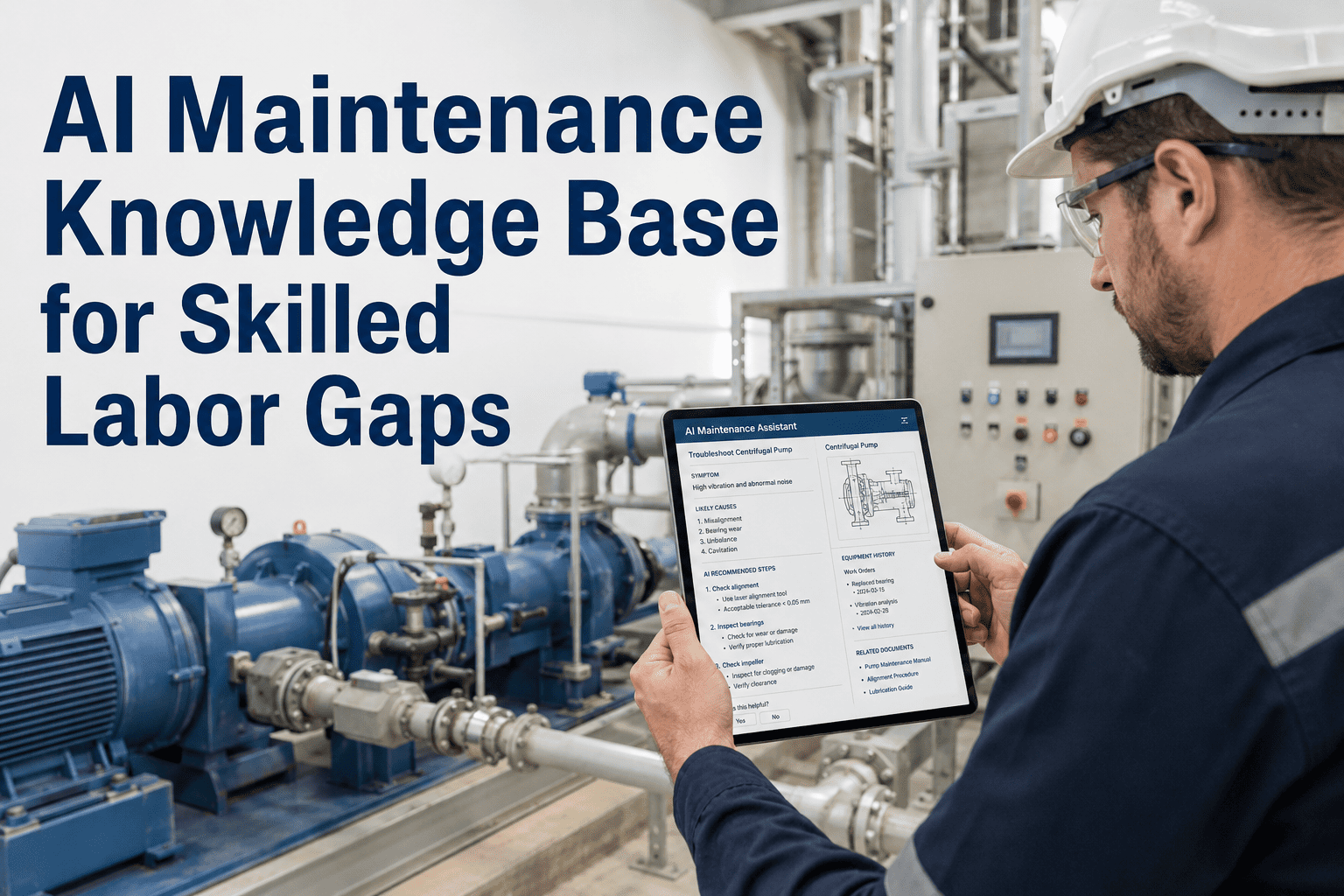
AI Maintenance Knowledge Base for Skilled Labor Gaps
When your best technician retires, their institutional knowledge retires with them — unless you've built a system to capture it. OxMaint's AI Copilot turns maintenance history into a living knowledge base that transfers expertise to your next generation of technicians.
Book a Demo — See the AI Copilot
53%
of maintenance managers report critical knowledge loss from recent retirements (SMRP 2024)
2.4M
skilled maintenance jobs expected to go unfilled by 2028 (Deloitte Manufacturing Report 2024)
4.2x
longer MTTR for technicians without access to documented asset history and institutional knowledge
The Knowledge Loss Problem
What Leaves When an Experienced Technician Retires
Experienced maintenance technicians accumulate operational knowledge that no job description can capture: which pump has a recurring seal issue every summer, what the normal vibration signature of a specific compressor sounds like, which vendor to call for emergency parts at 2am. This knowledge is not documented anywhere — it lives in memory and is transferred informally, if at all. When a technician with 20 years on the same equipment retires, the next person assigned to that asset starts essentially from zero.
01
Equipment Quirks and History
Specific failure patterns, seasonal behaviors, and workarounds for known defects that are not in any service manual but determine how long repairs take.
02
Diagnostic Shortcuts
The three-step check that tells a senior tech immediately what is wrong versus the 45-minute diagnostic flowchart a new technician follows for the same symptom.
03
Vendor and Parts Knowledge
Which suppliers stock non-standard parts, which service contractors are actually reliable, and which OEM recommendations are impractical in real operating conditions.
04
Safety Contextual Knowledge
Non-obvious hazards specific to a facility — outdated wiring that does not appear on drawings, seasonal pressure behavior in a specific system — that experienced staff know instinctively.
OxMaint AI Copilot
How OxMaint Captures and Transfers Maintenance Knowledge
Captures Knowledge at Completion
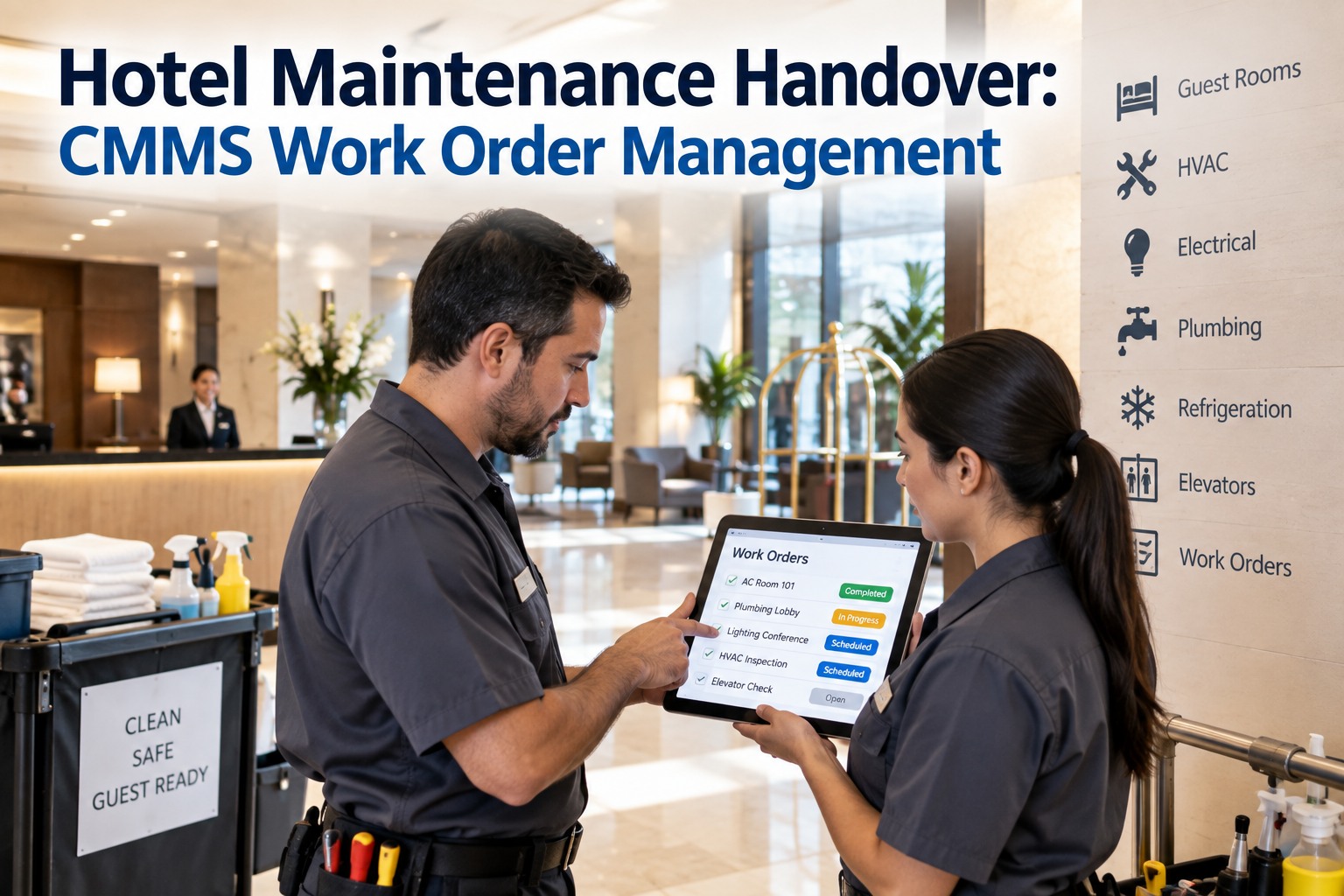
Every time a technician closes a work order, OxMaint captures their notes, diagnosis, parts used, and resolution steps — building an asset-specific knowledge record automatically from normal workflow.
Surfaces Relevant History at the Right Moment
When a new technician opens a work order for a failing asset, the AI Copilot surfaces the most relevant past repair records, previous diagnoses for the same symptom, and parts that resolved similar issues.
Guides New Technicians Step by Step
For assets with documented maintenance history, the AI Copilot can suggest a diagnostic approach based on how similar faults were resolved in the past, reducing the experience gap on complex equipment.
Identifies Patterns Invisible to Individuals
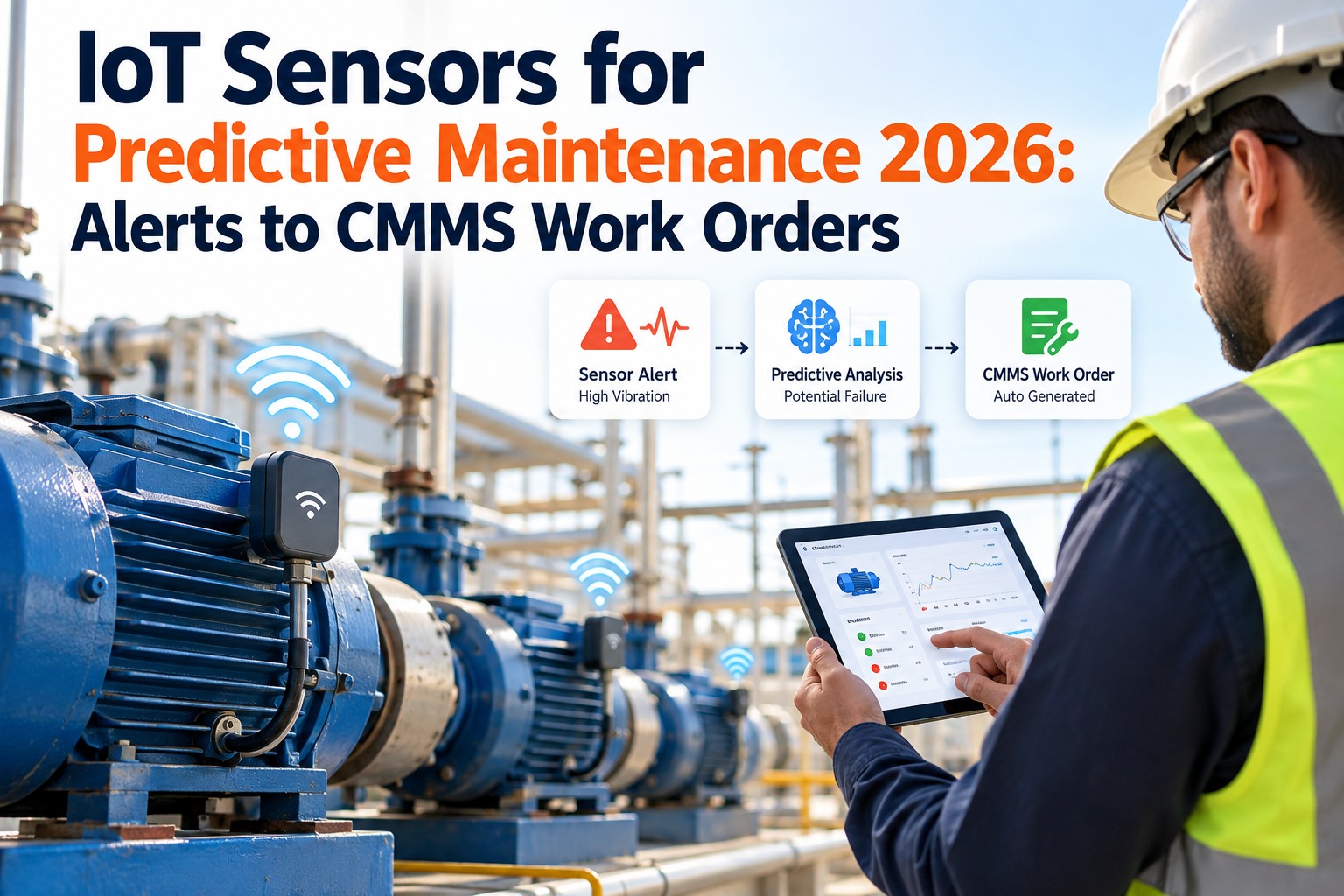
The AI engine analyzes maintenance history across the entire asset fleet to identify recurring failure patterns, seasonal trends, and maintenance gaps that no single technician has enough visibility to see.
Before and After
What Changes When Knowledge Is Systematically Captured
| Scenario |
Without OxMaint |
With OxMaint AI Copilot |
| Senior technician retires |
Knowledge lost; new technician starts from scratch on same equipment |
Asset history and past repair logic surfaces immediately when new tech opens next work order |
| Unfamiliar fault on a critical asset |
MTTR extends while technician calls experienced colleague or consultant |
AI Copilot surfaces three similar past faults with resolution steps for the same asset |
| New technician onboarding |
Shadowing period of weeks or months to transfer tacit knowledge informally |
New technician accesses documented procedures, asset quirks, and resolution history from day one |
| Recurring failure pattern |
Each technician discovers the pattern individually; no systematic root cause action |
OxMaint flags the pattern across multiple work orders and generates a PM recommendation |
Start Capturing Your Team's Knowledge Before It Walks Out the Door
Book a 30-minute demo and we'll show how OxMaint's AI Copilot turns your existing work order history into a transferable knowledge base your whole team can use.
Expert Perspective
What Maintenance Leaders Say About the Knowledge Gap
I have watched the same scene play out at three different facilities: the most experienced technician on the team announces retirement, and suddenly everyone realizes that no one else knows how a third of the equipment in the building actually behaves. The documentation says what to maintain. It does not say what to listen for, what the normal smell of a specific motor is, or why you should always check the secondary coolant loop before touching the primary controls. Capturing that knowledge requires building a system where every completed work order becomes a record your next hire can learn from — not just a closed ticket.
Thomas Akinyemi
Maintenance Manager · Heavy Manufacturing Plant · 25 years industrial maintenance leadership
★★★★★
The MTTR gap between a senior and a junior technician on complex equipment is not primarily a skill gap — it is a context gap. The senior technician has mental models built from dozens of repairs on the same asset. The junior technician is starting from the manual. A CMMS that captures and surfaces repair history at the moment the work order is opened does not replace experience, but it compresses the learning curve significantly. We have seen new technicians perform at 70% of senior efficiency on documented assets within their first three months, compared to 18 months without documented history.
Book a demo to see OxMaint's AI Copilot in action.
Dr. Priya Krishnamurthy
Workforce Development Director · Industrial Operations Consulting · 19 years maintenance workforce strategy
★★★★★
Common Questions
What Teams Ask About OxMaint's AI Copilot
How does OxMaint capture knowledge from technicians who prefer not to write detailed notes?
OxMaint captures knowledge through structured work order completion fields — parts used, fault code selected, resolution category — that require minimal free-text input. Even when technicians provide brief notes, the combination of structured data fields builds a searchable record of what was wrong, what was done, and what fixed it. The AI Copilot learns from that structured data regardless of note quality, surfacing relevant past repairs based on asset identity and fault pattern rather than requiring detailed narrative notes. For facilities looking to improve note quality, OxMaint supports configurable work order completion checklists that prompt technicians to document specific details at closure.
Sign up free to see how the structured fields work.
Can OxMaint import existing maintenance records from spreadsheets or a previous CMMS to seed the knowledge base?
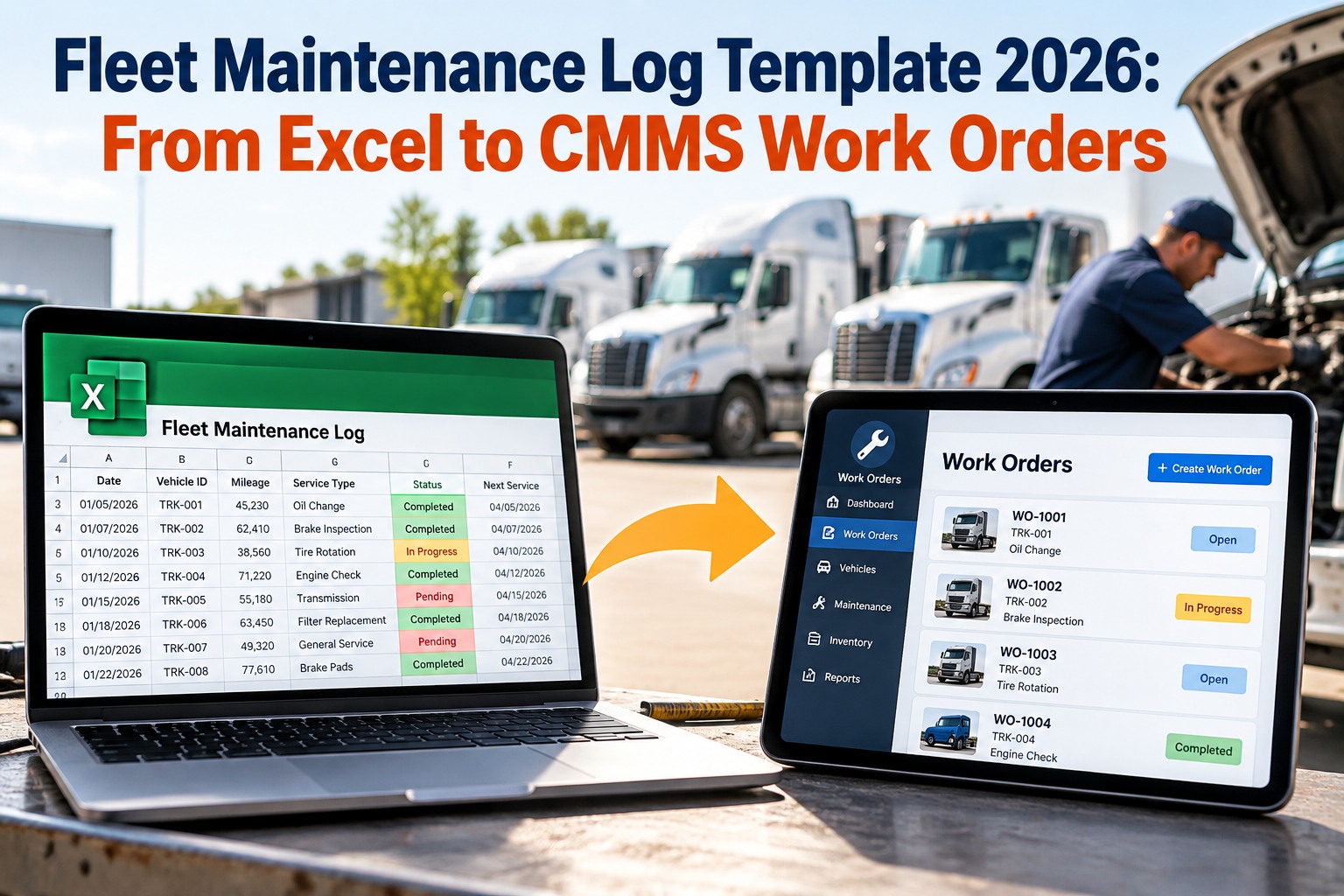
Yes. OxMaint supports data import from CSV, Excel, and common CMMS export formats. Historical work order records — asset ID, fault description, resolution, parts used, technician — can be imported and linked to the corresponding asset records, giving the AI Copilot a historical foundation to draw from immediately rather than starting from zero. For facilities migrating from a previous CMMS, OxMaint's onboarding team provides guided data migration support. Even partial historical records are valuable: two years of work order history for a critical asset provides enough pattern data to generate useful AI Copilot suggestions when the next fault occurs on that asset.
How does OxMaint help with technician training and onboarding for new hires assigned to unfamiliar equipment?
OxMaint serves as a structured onboarding resource by giving new technicians immediate access to the maintenance history, PM checklists, and past repair records for every asset in the facility. When a new hire is assigned their first work order on an unfamiliar piece of equipment, they can review every past repair for that asset — what failed, how it was diagnosed, what fixed it, and how long it took — before touching the equipment. The AI Copilot also surfaces similar past faults when a new work order is opened, providing a suggested diagnostic starting point based on historical patterns. This shifts the learning curve from informal shadowing to structured, asset-specific knowledge access from day one.
Book a demo to see the new technician experience.
Get Started
Build the Knowledge Base Your Next Generation Needs
OxMaint's AI Copilot captures institutional maintenance knowledge automatically, surfaces it when technicians need it most, and compresses the gap between experienced and new staff. Book a demo and we'll show you what your existing work history can become.