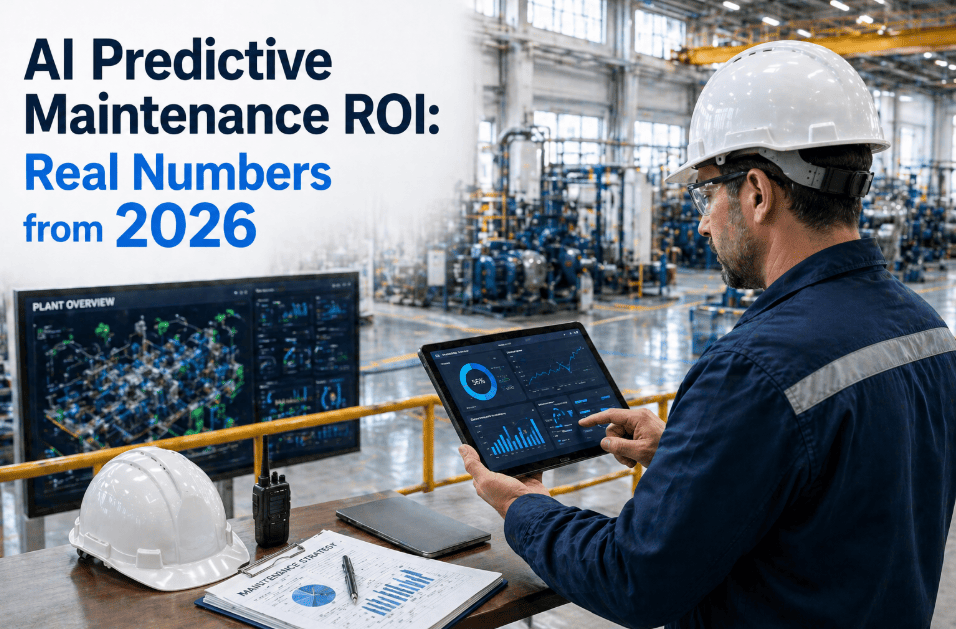
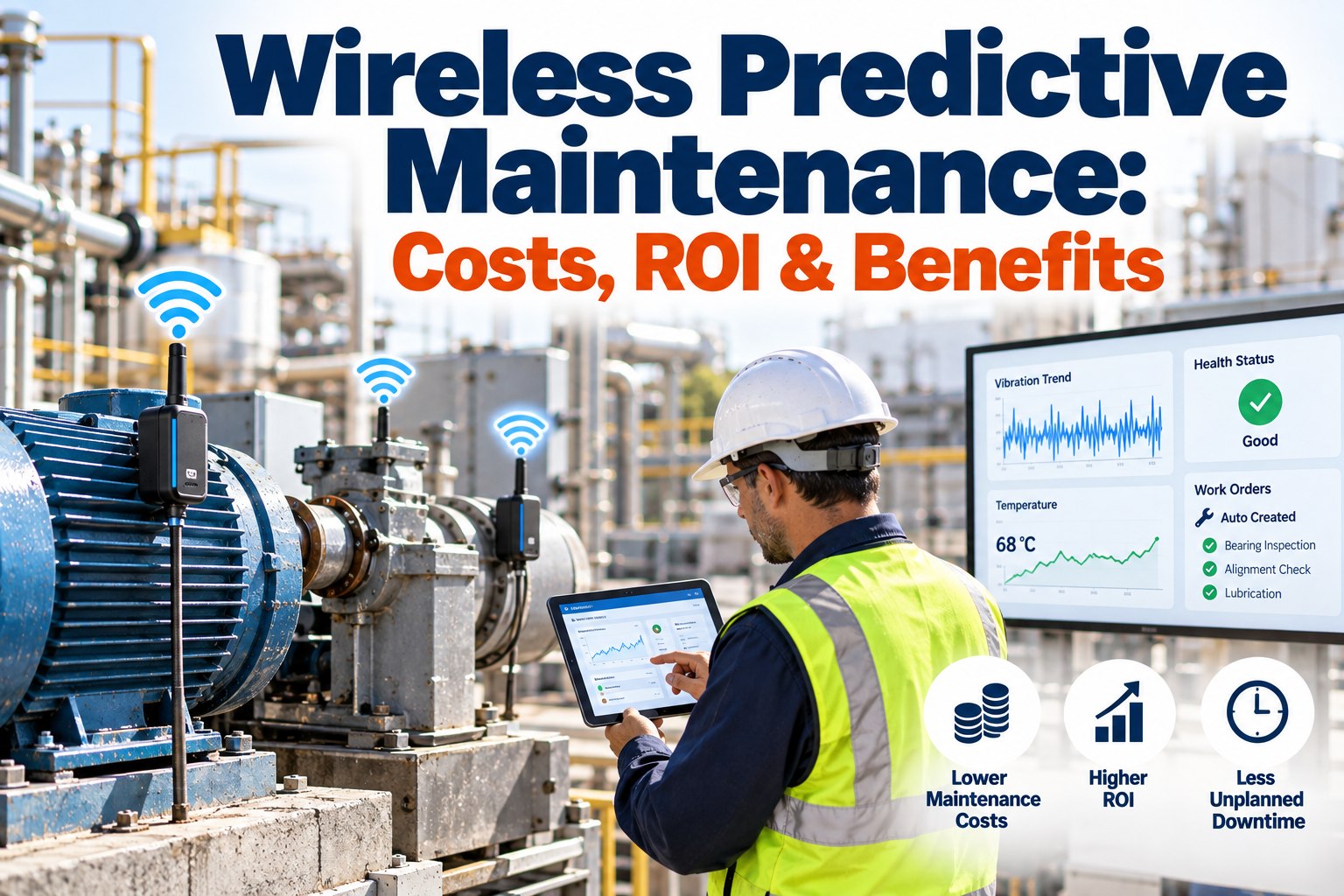
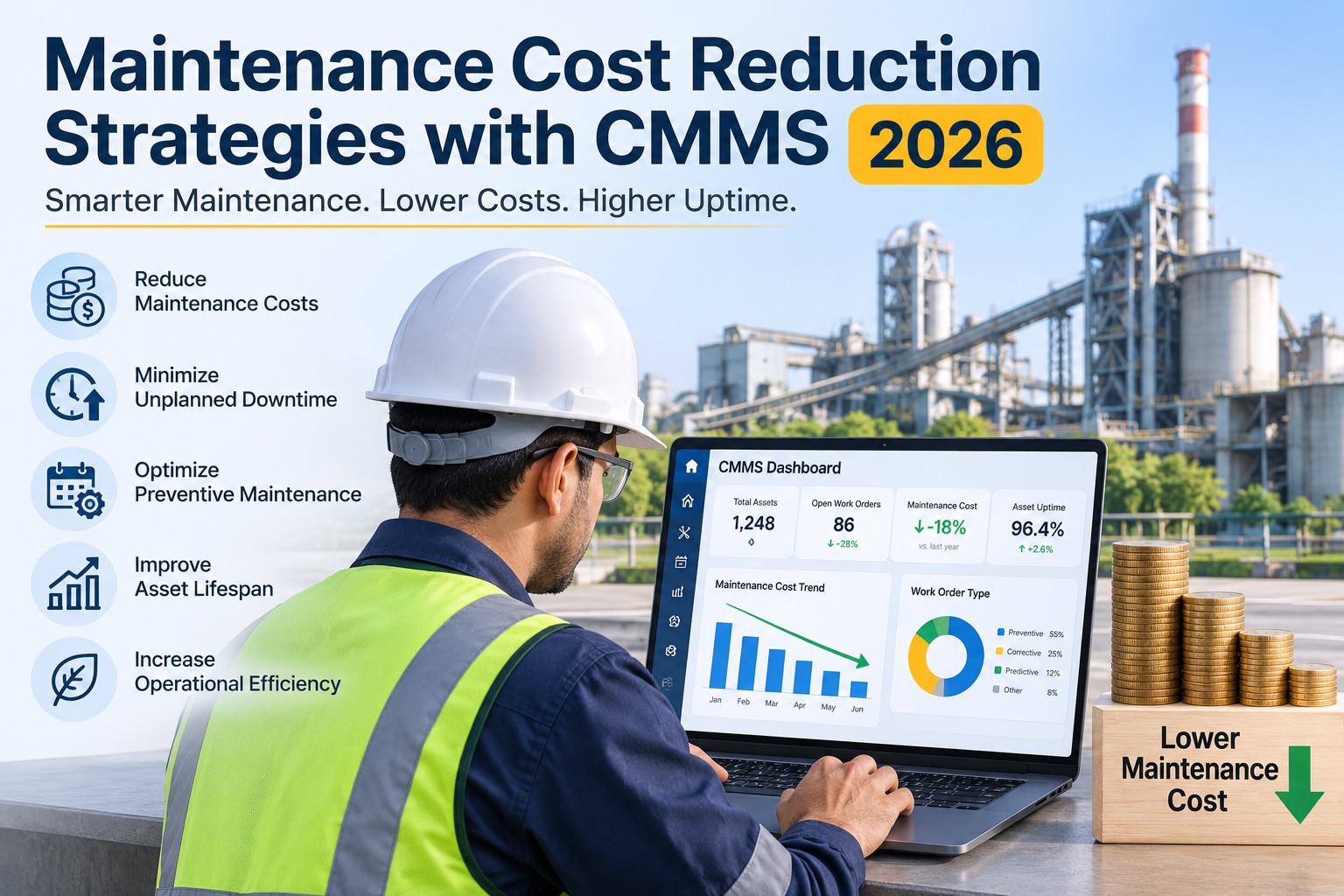
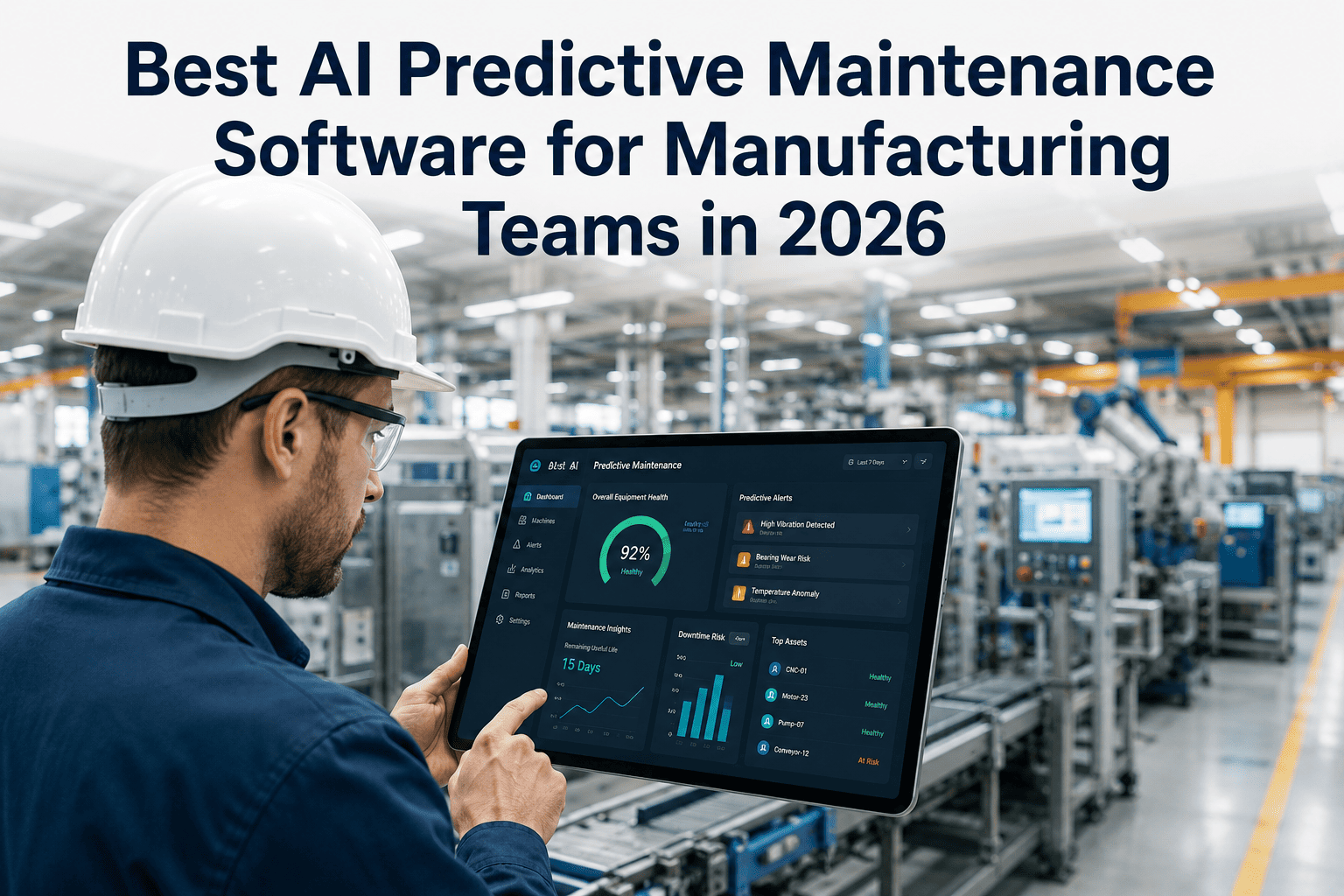
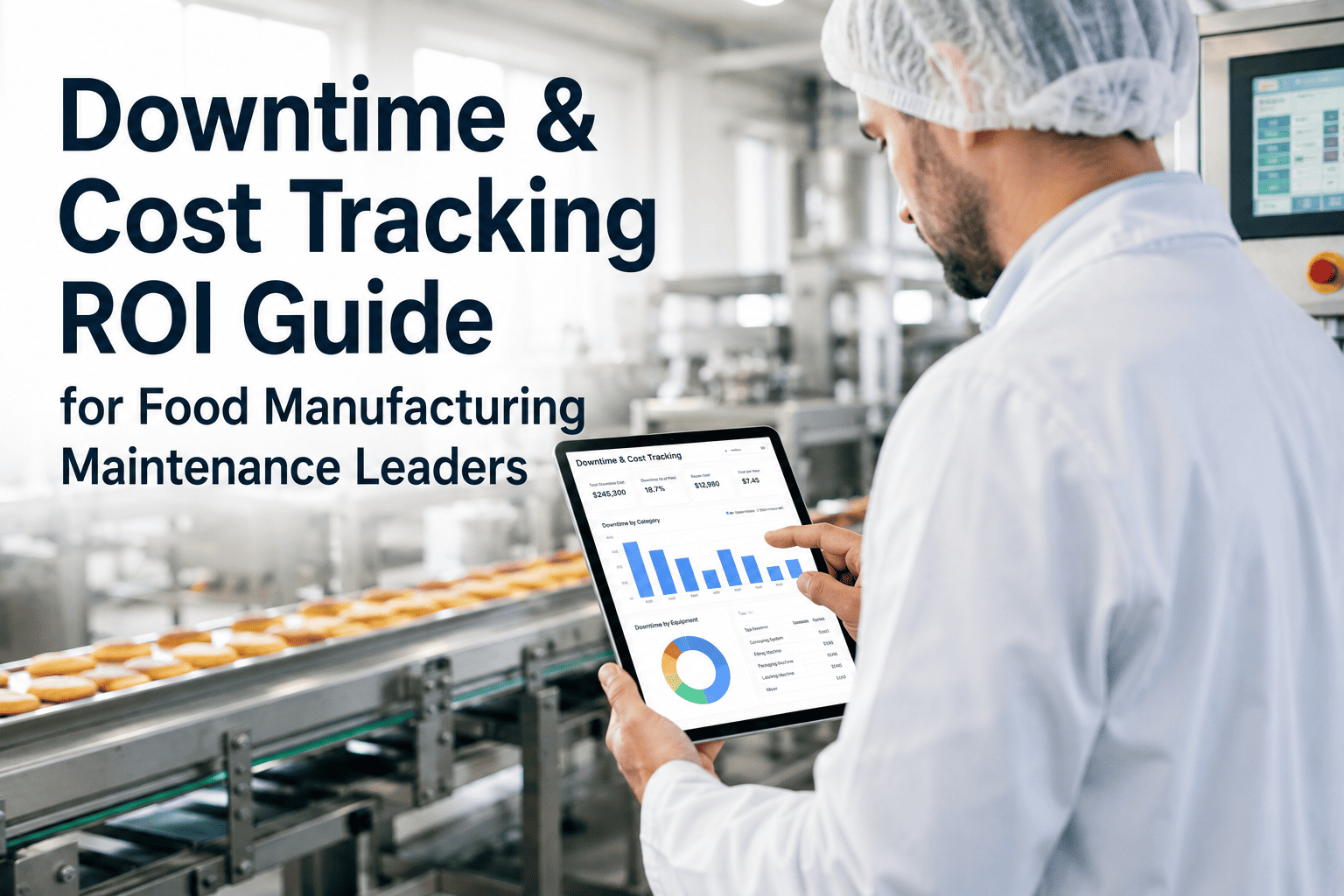
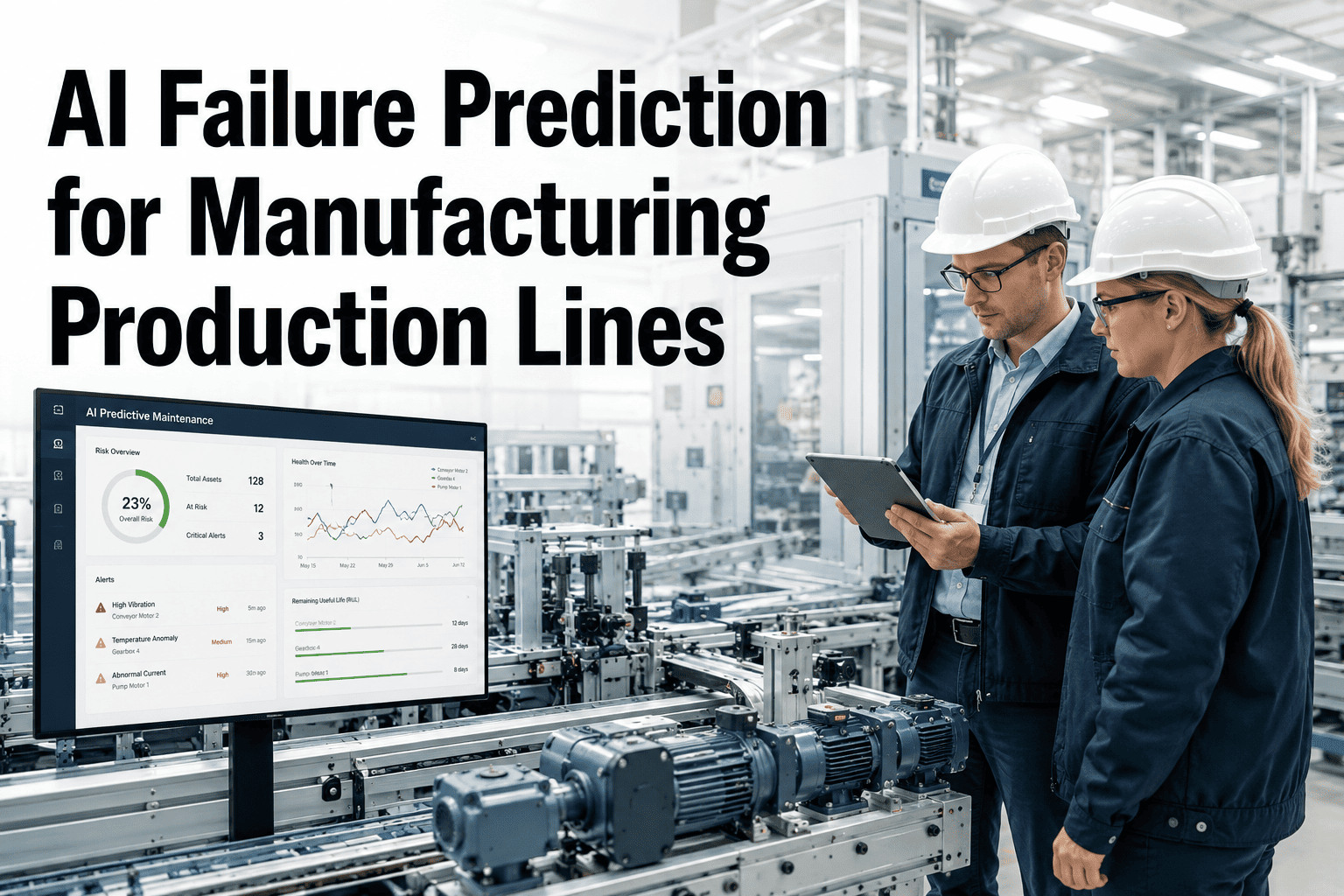
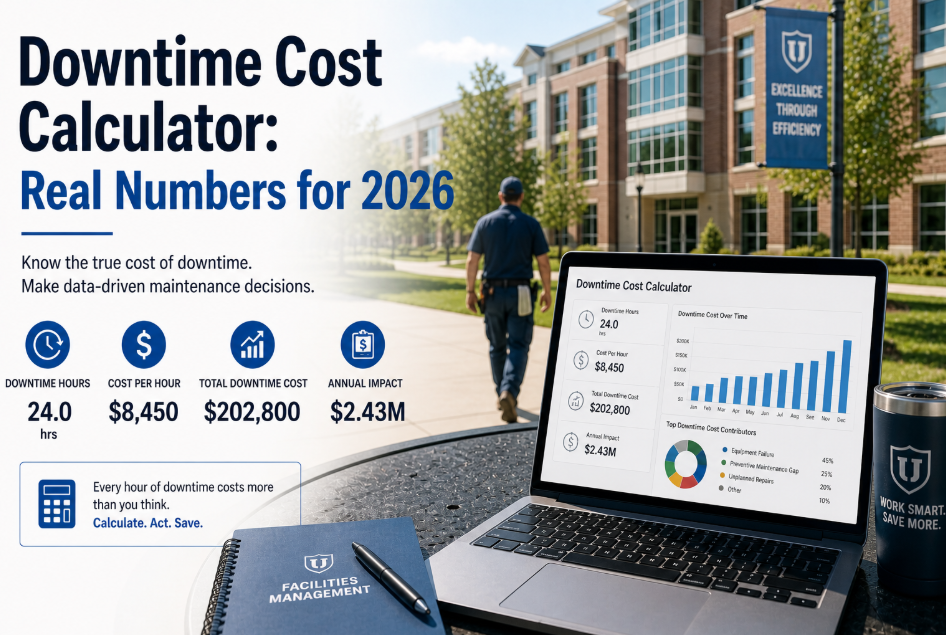
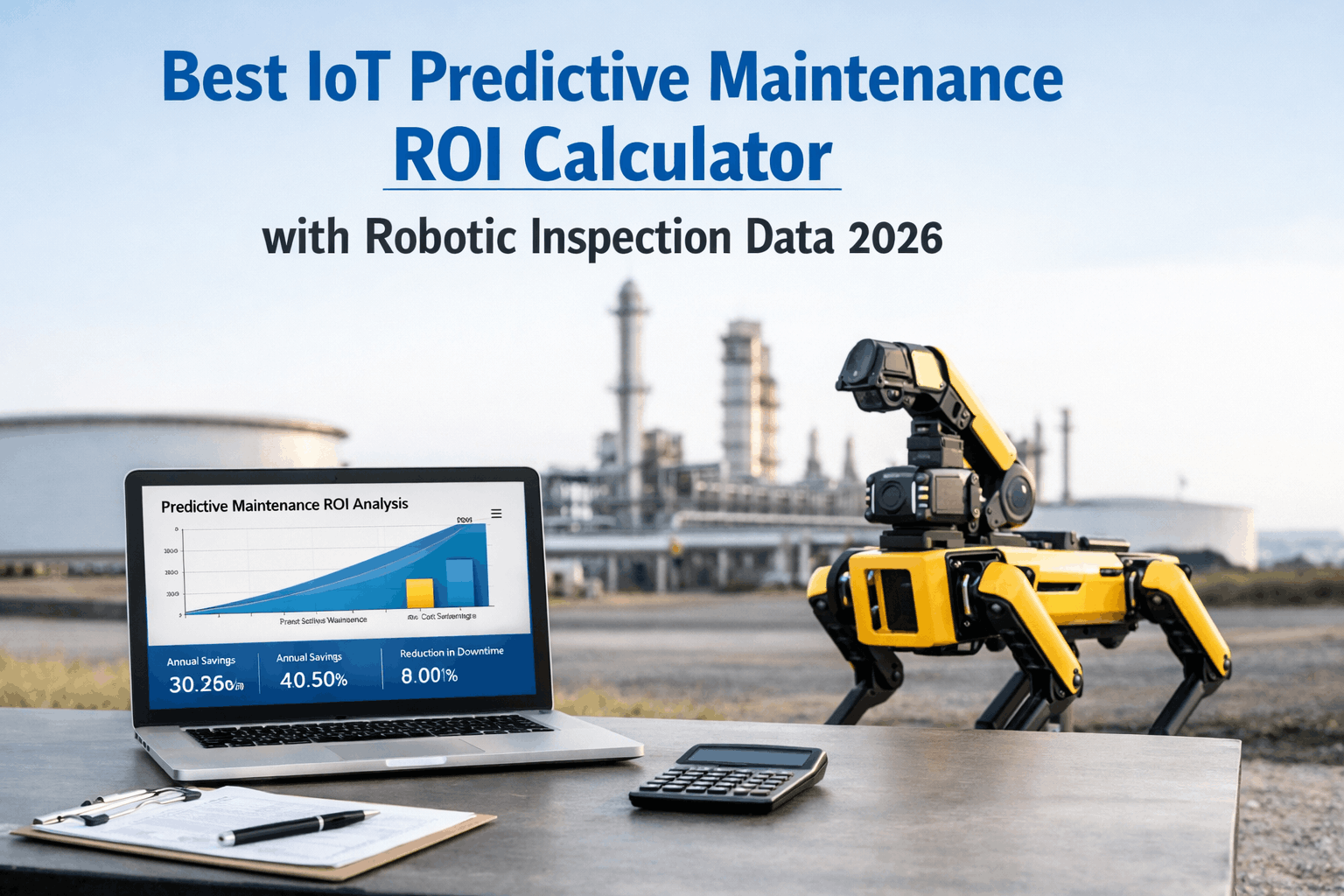
The business case for AI predictive maintenance is built on one number: the cost of unplanned downtime that your operation experiences today. Everything else — maintenance cost reduction, equipment lifespan extension, parts inventory optimization, safety improvement — compounds on top of that foundation. Siemens' True Cost of Downtime report found that Fortune 500 companies lose approximately $1.4 trillion annually — 11% of revenues — to unplanned outages. The average manufacturing facility loses $260,000 per hour of unplanned downtime, and that figure is 50% higher than it was in 2019. At the same time, documented ROI from organizations that have deployed AI predictive maintenance consistently shows 10:1 to 30:1 returns within 12-18 months, with 95% of implementers reporting positive returns and 27% achieving full payback within 12 months. This page presents the real numbers — from DOE, McKinsey, Deloitte, and documented plant-level results — so you can calculate what AI PdM would deliver for your specific operation. OxMaint includes a built-in ROI calculator that uses your actual asset count, downtime cost, and maintenance spend to project savings before you commit a dollar. Start a free trial to calculate your plant's ROI or book a session to build your business case.
AI Predictive Maintenance ROI 2026Real Numbers · Real PlantsCalculate Your Savings
AI Predictive Maintenance ROI: Real Numbers from 2026 Deployments
Not projections. Not marketing claims. Documented ROI data from plants, fleets, and facilities that deployed AI predictive maintenance and measured the results — with the methodology to calculate your own operation's potential savings.
10-30x
ROI within 12-18 months (McKinsey)
$260K/hr
Average mfg downtime cost (2026)
95%
Positive ROI reported by implementers
3-6 mo
Typical payback from single prevented failure
The Four Sources of AI Predictive Maintenance Savings
ROI comes from four distinct sources — each independently quantifiable. Together, they create a compounding return that grows year over year as AI models improve and expand to more assets.
01
Reduced Unplanned Downtime (Largest Source)
A typical manufacturing facility experiencing 100 hours of unplanned downtime per year at $260,000/hour faces $26 million in annual downtime cost. A 35-50% reduction saves $9.1-$13 million. For a facility with $50,000/hour downtime cost: 50% reduction = $2.5 million annual savings. This single source typically covers the entire AI PdM investment multiple times over.
02
Reduced Maintenance Costs (18-25%)
Eliminating unnecessary preventive maintenance (30% of PM tasks are performed on healthy equipment), optimizing parts inventory, and reducing emergency repair premiums (3.2x more labor hours than planned maintenance). For a facility with $2M annual maintenance spend: 25% reduction = $500,000 saved annually.
03
Extended Equipment Lifespan (20-40%)
Equipment maintained based on actual condition runs to its true useful life — not an arbitrary calendar replacement date. A bearing that would be replaced every 18 months on a calendar schedule may actually last 30 months based on vibration data. A $150,000 compressor lasting 40% longer defers $60,000 in CapEx per replacement cycle.
04
Reduced Spare Parts Inventory (15-30%)
AI demand forecasting reduces emergency procurement premiums and cuts safety stock requirements — freeing working capital tied up in overstocked spare parts. Oracle documents 25% inventory waste reduction from PdM adoption. For a facility with $500K in parts inventory: 20% reduction frees $100,000 in working capital.
ROI by Industry Segment — Documented Results
| Industry | Avg Downtime Cost | Documented Savings | Typical Payback |
|---|
| General Manufacturing | $260K/hr average | 25-30% cost reduction on $2M spend = $500-600K/yr | 10-30x in 12-18 months |
| Automotive | Up to $2.3M/hr | Fortune 500 mfg: 45% downtime reduction = $2.8M/yr saved | 3-6 months |
| Cement / Process | $50-200K/hr | 57x ROI in 6 months (software-only monitoring) | 3-6 months |
| Commercial Fleet (50 vehicles) | $1,900/breakdown avg | 30% maintenance cost reduction + 45% downtime decrease | 3-4 months (25+ vehicles) |
| Facilities Management | $2K-$50K/hr | 30-50% unplanned downtime reduction, 18-25% lower costs | 30-60 days (first prevented failure) |
| Wind Energy | $30-100K per turbine/yr | 73% failure reduction, 40% lifespan extension | 12-18 months |
Your Plant's ROI: A 5-Step Calculation Framework
Every number in this calculation comes from data you already have or can pull from your existing CMMS, telematics, or work order system. OxMaint's built-in ROI calculator automates this using your actual data. Start a free trial to run the calculation.
Step 1
Count Unplanned Breakdowns (Last 12 Months)
Pull breakdown event logs from your CMMS. Count every event where equipment failed outside scheduled maintenance — including emergency repairs, roadside events (for fleets), and tow events. This is your baseline unplanned failure count.
Step 2
Calculate Cost Per Breakdown Event
Direct repair cost + lost production/revenue during downtime + emergency labor premiums + secondary damage. Manufacturing industry average: $260K/hr. Fleet average: $1,900 per breakdown event ($760 direct + $1,140 indirect). Use YOUR numbers for accuracy.
Step 3
Apply Conservative Reduction (35%)
Multiply total annual unplanned breakdown cost by 35% (conservative Year 1 reduction from documented results). This is your projected annual savings from downtime reduction alone — before counting maintenance cost savings, lifespan extension, or inventory optimization.
Step 4
Subtract Implementation Cost
OxMaint: $8/user/month + sensor hardware ($15-$50/unit for critical assets). A 10-technician team monitoring 20 critical assets: approximately $15,000 Year 1 total (software + sensors). Compare this to your Step 3 savings number. Most plants show 3-10x Year 1 ROI at this step.
Step 5
Add Compounding Benefits (Year 2+)
Year 2 ROI typically runs 30-40% higher: AI models reach peak accuracy, equipment lifespan extension materializes, parts inventory normalizes. A facility saving $500K in Year 1 typically saves $650K-$700K in Year 2 — from the same investment, with zero additional capital.
Result
Present the Business Case
You now have: current unplanned failure cost (data-backed), projected savings (conservative, sourced from DOE/McKinsey), implementation cost (specific to your team size), and payback period. This is the ROI document that gets budget approval. OxMaint generates this automatically from your trial data.
Calculate Your Plant's Specific AI PdM ROI — Free
OxMaint calculates your projected ROI based on your actual asset count, downtime cost, and current maintenance spend. Get the numbers before you commit a dollar — not after.
Frequently Asked Questions
What is the realistic ROI of AI predictive maintenance?+
Documented ROI ranges from 10:1 to 30:1 within 12-18 months (McKinsey, DOE). For a mid-market plant with 10-30 critical assets and $80K-$250K initial investment, typical annual benefits are $150K-$400K — a 3-6x ROI with 8-18 month payback. These are realistic, field-validated numbers — not cherry-picked case studies. 95% of organizations implementing PdM report positive returns, with 27% achieving full payback within 12 months.
Start free to calculate your specific plant ROI.
How quickly does AI predictive maintenance pay for itself?+
Most facilities hit breakeven within 3-6 months from a single prevented major failure. A single avoided unplanned outage ($50K-$500K depending on your downtime cost) typically covers 1-3 years of platform cost. 60-70% of projected savings are realized within the first quarter post-implementation. For large fleets of 25+ assets, payback can be as fast as 44 days to 3 months.
How does Year 2 ROI compare to Year 1?+
Year 2 ROI typically runs 30-40% higher than Year 1 for three reasons: (1) AI models have accumulated 12+ months of equipment-specific failure history and reach peak prediction accuracy above 90%. (2) Equipment lifespan extension benefits begin materializing as components run longer before replacement. (3) Parts inventory normalization frees working capital as safety-stock calibration matures. Returns compound annually with zero additional capital investment.
What if our downtime cost is lower than the industry average?+
ROI scales with downtime cost — but even at $5,000/hour (far below the $260K manufacturing average), preventing 50 hours of annual unplanned downtime saves $250,000 against a ~$15,000 annual OxMaint investment (10 users + sensors). That's still a 16:1 ROI. At $2,000/hour — typical for commercial facilities — preventing 100 hours saves $200,000 against the same investment. The math works at almost every scale above $1,000/hour downtime cost.
Book a session to model your exact numbers.
AI Predictive Maintenance ROI · 2026
The Numbers Don't Lie. Neither Does Your Downtime Log.
Every hour of unplanned downtime your facility experienced last year is a data point in your ROI calculation. AI predictive maintenance delivers documented 10-30x returns by converting those hours into prevented failures. OxMaint gives you the calculation framework, the AI platform, and the work order automation to realize those returns — starting from a free trial, with AI included at $8/user.
10-30x
Documented ROI (McKinsey/DOE)
3-6 mo
Typical payback period