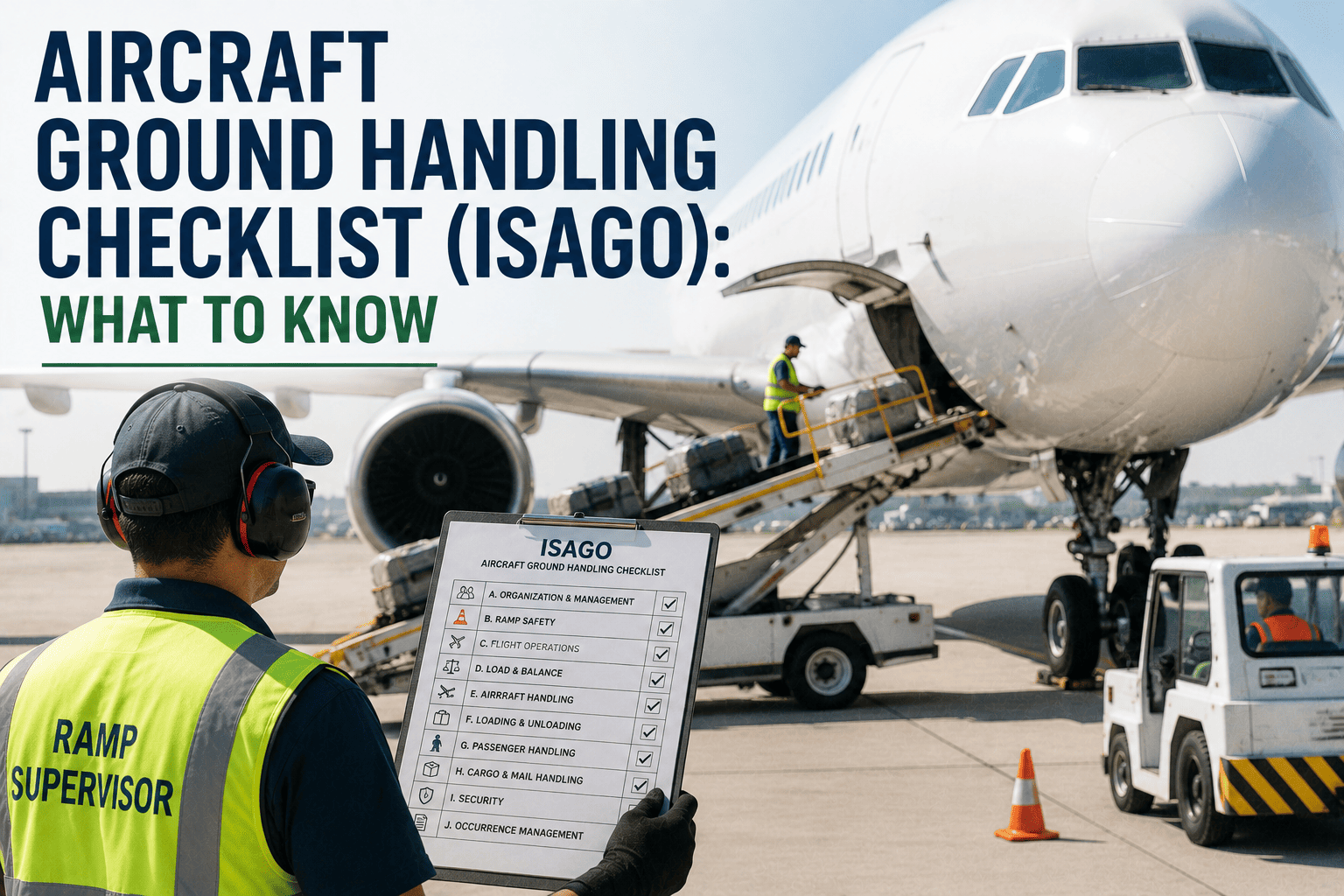
Ground handling is one of the highest-risk phases of any flight, and it happens in a tight window under pressure to turn the aircraft around fast. An ISAGO-aligned checklist is what keeps that pressure from cutting corners on safety. Sign up to run ground handling checklists digitally, with every check, photo, and sign-off tied to the aircraft turn it covers.
Why It Exists
IATA's ISAGO program exists because ground handling incidents are among the costliest and most preventable in aviation. A structured checklist is how a station proves its ground operations meet that standard consistently, not just on the day an auditor happens to be watching.
Core Areas An ISAGO Checklist Must Cover
Ramp Safety
Marshalling, chocking, and safe zone discipline around the aircraft during every ground movement
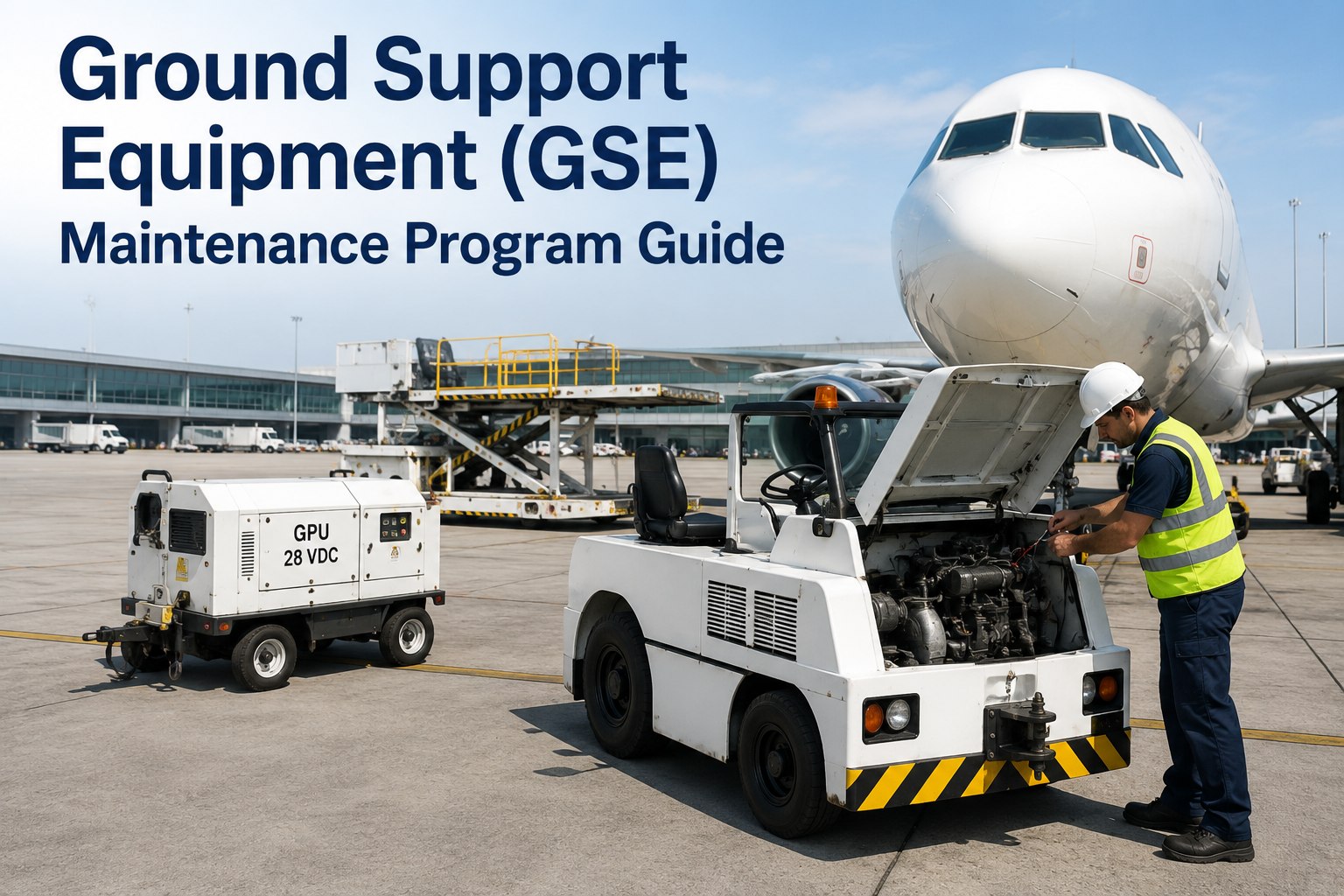
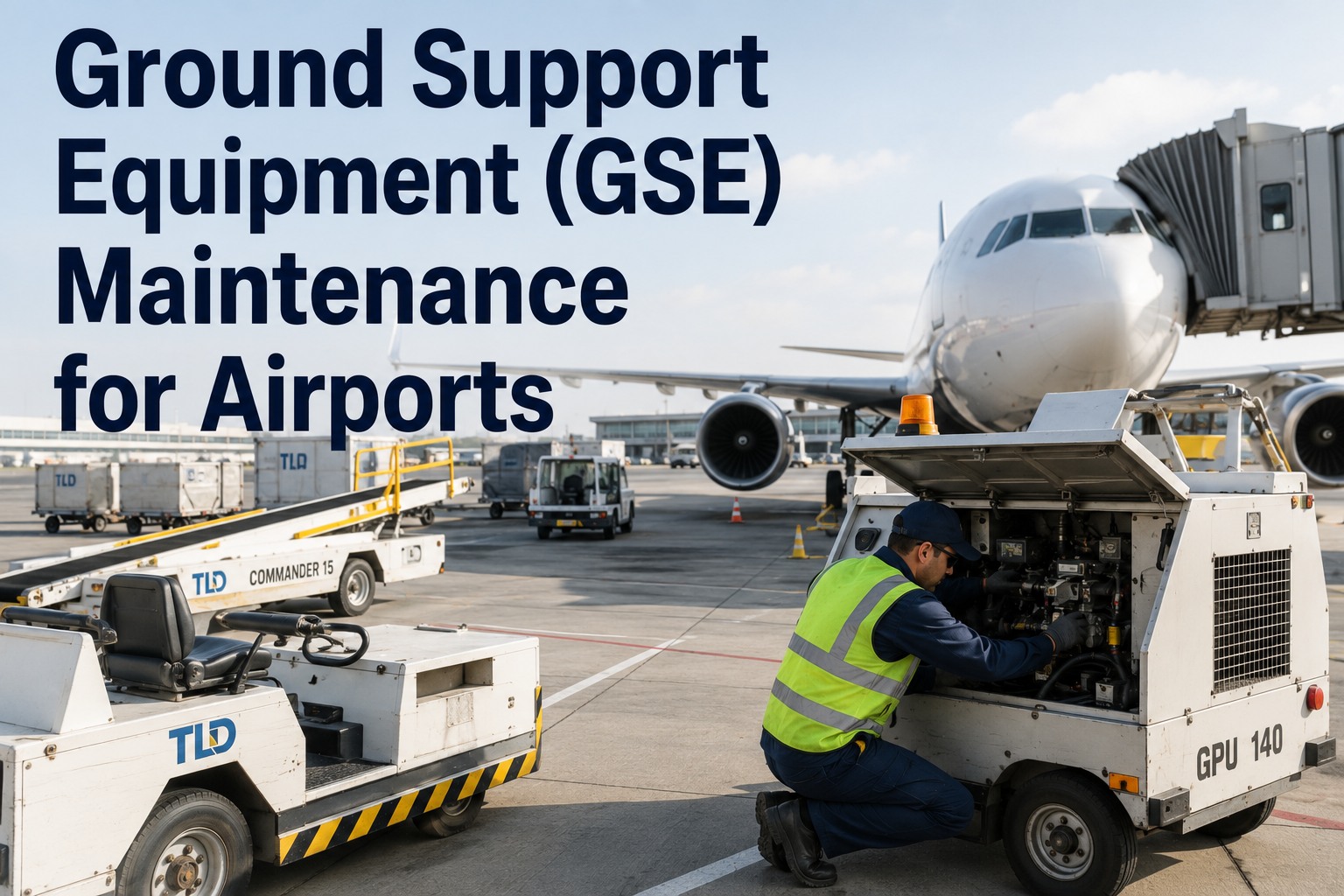
GSE Condition
Ground support equipment inspected before use, with defects logged and equipment pulled from service when needed
Loading Procedures
Weight and balance accuracy, correct load positioning, and secure cargo net or restraint checks
Aircraft Damage Checks
Walkaround inspection for new damage caused during handling, documented before departure
Turn Ground Handling Checks Into ISAGO-Ready Evidence
OxMaint captures every ground handling checklist on mobile, with photo evidence, e-signatures, and GSE defects tracked as work orders through repair and sign-off. Sign up for a free trial to digitize your ground handling checks, or book a demo to see it in action.
Checks Across A Standard Aircraft Turn
Arrival
Marshal And Chock
Confirm chocks placed, cones set, and only cleared personnel and equipment enter the aircraft zone
Turnaround
Load And Service
Verify GSE condition, correct loading sequence, and any servicing completed to spec before pushback
Departure
Final Walkaround
Damage check, equipment clear of the aircraft, and sign-off recorded before pushback begins
Paper Log vs Digital ISAGO Record
| Factor |
Paper Log |
Digital ISAGO Record |
| Damage evidence |
A written note, easy to dispute later |
A timestamped photo attached to the exact aircraft and turn |
| GSE defect tracking |
Easy to lose track of which unit was flagged |
Becomes a tracked work order through repair and sign-off |
| Station-to-station consistency |
Varies with local habits and paper stock on hand |
Same checklist and standard applied at every station |
| Audit response time |
Digging through station files for a specific date |
Pulled up by aircraft, date, or station in seconds |
The Payoff
A ground handling program that documents every check consistently is what carries a station through an ISAGO audit without a scramble. It's also what protects against disputed damage claims and keeps GSE defects from turning into the next incident.
Frequently Asked Questions
Q
What does ISAGO actually assess?
IATA's Safety Audit for Ground Operations evaluates a ground handler's management systems and operational practices against a standardized set of provisions, covering everything from ramp safety to GSE maintenance.
Q
How often should ground handling checklists run?
Every aircraft turn needs its own completed checklist. Frequency isn't optional here — the record has to match one-to-one with actual turns, not a sample of them.
Q
What happens when GSE fails an inspection?
The unit should be pulled from service immediately, tagged, and tracked through repair with a record of the fix before it's cleared to return to the ramp.
Get ISAGO-Ready On Every Aircraft Turn
OxMaint links ground handling checklists to GSE inspections, damage walkarounds, photo evidence, and e-signatures, so every turn comes with a defensible, real-time audit trail. Sign up for a free trial to standardize ground handling across every station, or book a demo to see it working on live operations data.