daily-vehicle-inspection-report-driver-walkaround

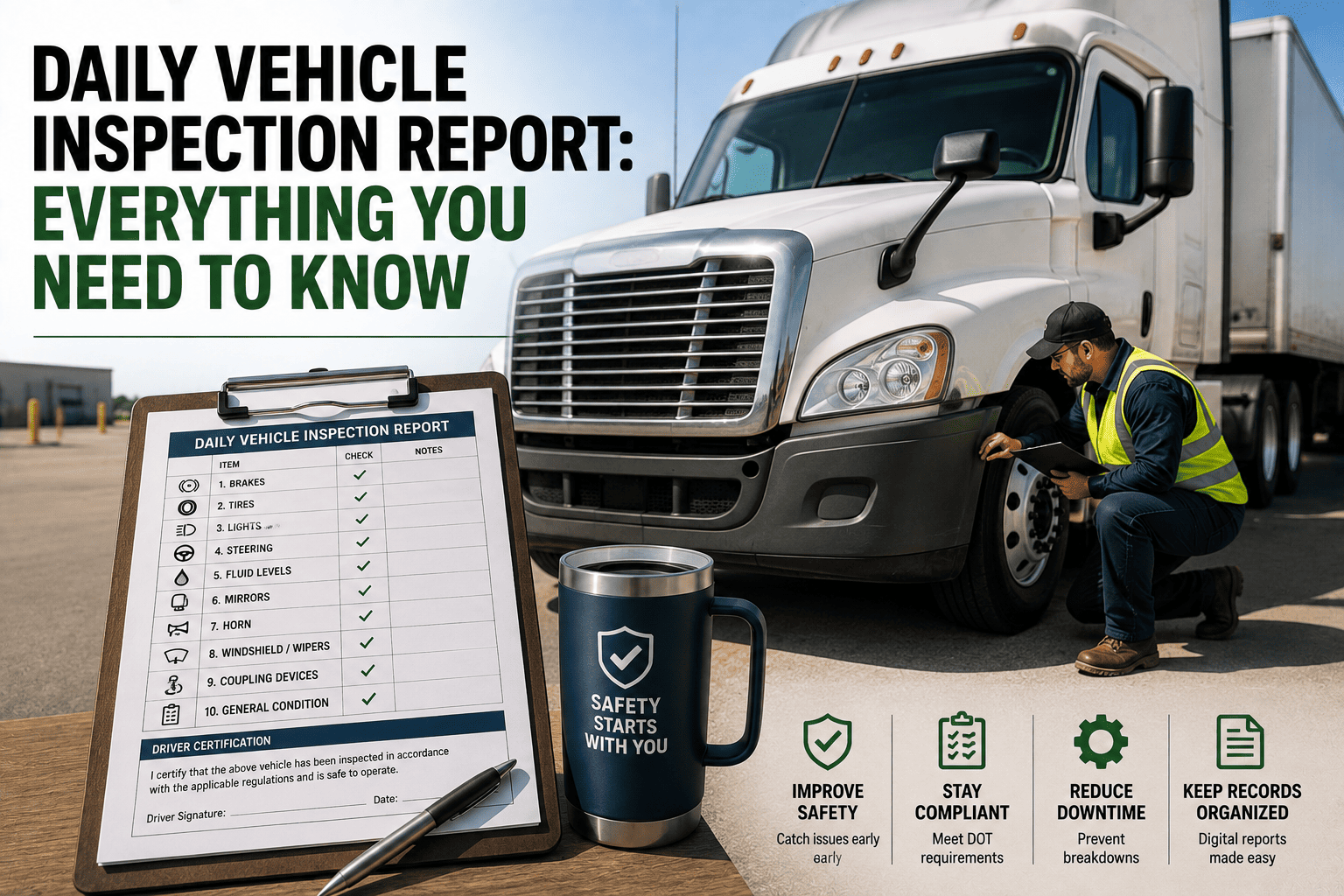
Daily Vehicle Inspection Report: Everything You Need to Know


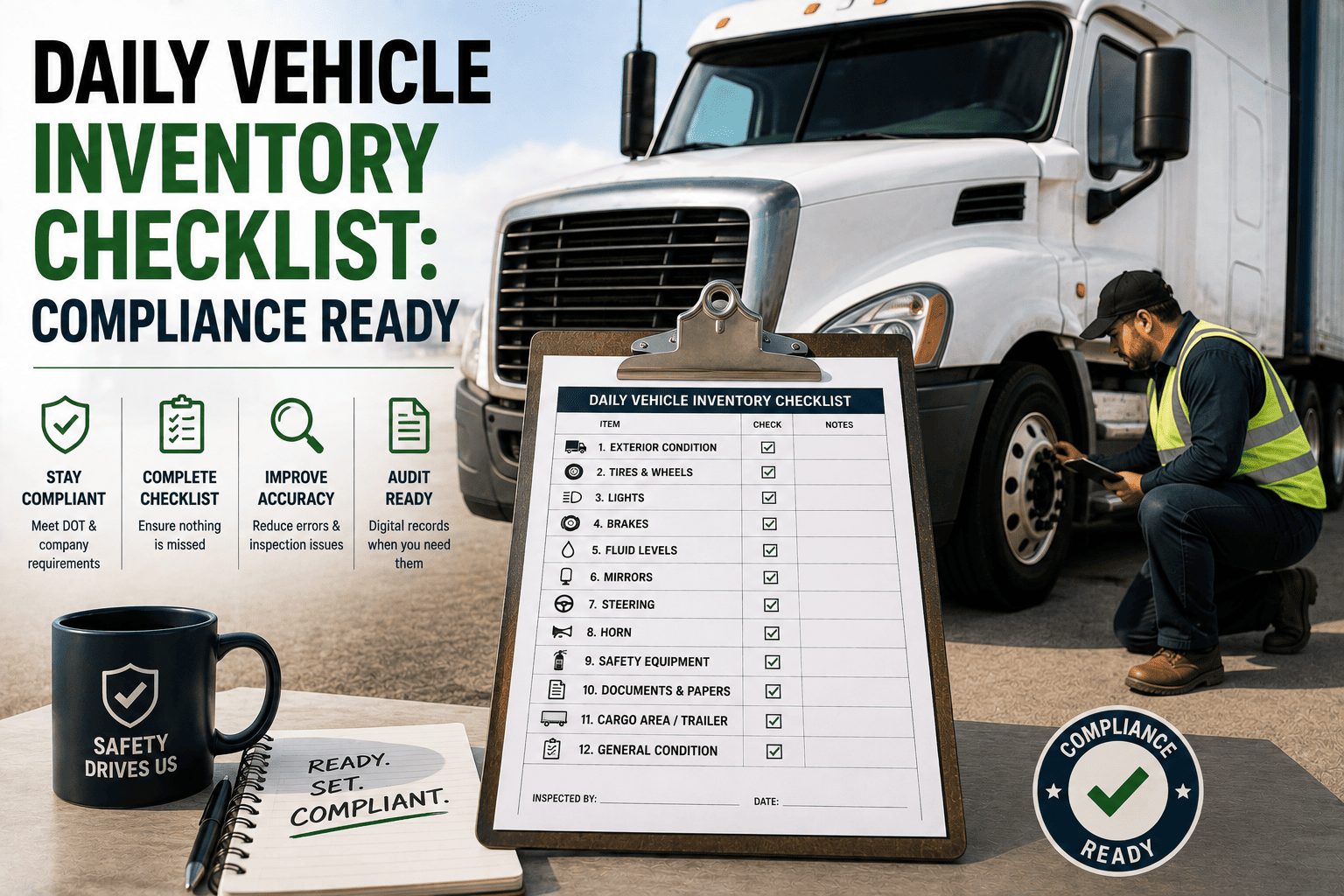
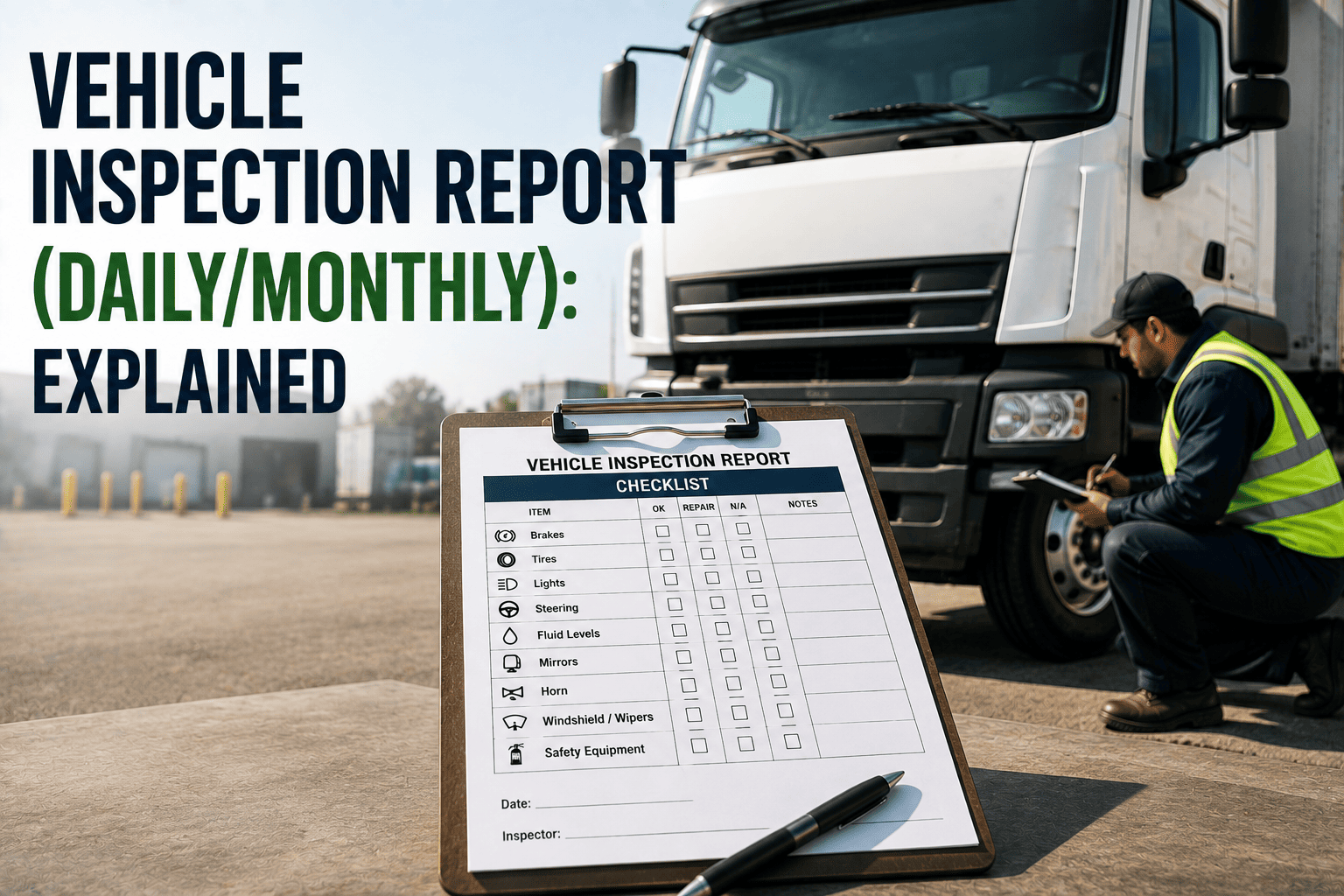
A daily vehicle inspection report only protects your fleet if it holds up the day an auditor asks to see it. Too many programs run on paper checklists that get signed without really being read, defects that never make it into a corrective-action record, and no proof any of it happened beyond a driver's memory. Sign up to run your DVIR program digitally, with photo proof and an audit trail built in.

What This Guide Covers

This guide walks through daily vehicle inspection reports for US fleet operators, aligned to FMCSA 396.11 and OSHA expectations: what a compliant pre-trip and post-trip walkaround actually covers, pass or fail criteria, required documentation, and the corrective-action workflow that turns a logged defect into a resolved one an auditor can trace.

Pre-Trip Versus Post-Trip: What Each One Needs

Inspection What It Confirms
Pre-trip walkaround The vehicle is safe to dispatch before it ever leaves the yard, covering brakes, lights, tires, and fluids
Post-trip DVIR Any defect that developed during the trip gets logged before the next driver takes the vehicle out

From Walkaround To Resolved Defect

01
Driver Completes The Walkaround
Every required item gets checked in person against clear pass or fail criteria, not skimmed from memory
02
Defects Logged With Evidence
Any failed item gets a photo and a note attached, not just a checkbox, so there's real proof of the condition
03
Driver And Mechanic Certify
The driver signs the report, and a mechanic certifies any repair before the vehicle is cleared for the road
04
Record Filed And Retained
The completed report is stored and retained for the period FMCSA requires, ready to produce on request

What Auditors Actually Look For

Every Required Item Checked
Brakes, lights, tires, steering, coupling devices, and mirrors covered on every single report, no gaps
A Defect-To-Repair Trail
A logged defect that leads to a certified repair record, not one that just disappears from the next report
Valid Signatures On File
Driver certification and, where required, mechanic sign-off present on every report, not just some
Consistent Retention
Records available for the full retention window, not scattered across binders some drivers forgot to file
Give Every DVIR A Photo, A Signature, And A Trail

OxMaint captures pre-trip and post-trip inspections digitally, with photo evidence, e-signatures, and defects linked straight to a corrective-action work order. Sign up for a free trial to start digitizing your DVIR program, or book a demo to see it fit your fleet.

Why Paper DVIRs Keep Failing Audits

A paper checklist gets signed whether or not every item was actually checked, and a defect written on a clipboard has no guarantee it ever reaches a mechanic. Digital capture doesn't just save time, it closes the exact gaps that show up when a regulator asks for proof that a defect was found, reported, and fixed in order.

A Signed Checklist Isn't The Same As A Compliant Program

Getting every driver to sign a DVIR is the easy part. The programs that actually hold up under audit are the ones where every logged defect has a documented repair, every high-risk repair has its own safety checks like LOTO where required, and the whole chain is retrievable in minutes, not a week-long scramble before the auditor arrives.

Frequently Asked Questions

Q Is a digital DVIR legally acceptable under FMCSA 396.11?
Yes, FMCSA accepts electronic DVIRs as long as the system captures the required inspection items, driver certification, and defect records in a retrievable format.
Q How long do DVIR records need to be retained?
FMCSA generally requires DVIRs and related repair records to be kept on file for at least twelve months, though many fleets retain them longer for insurance and litigation purposes.
Q Does a DVIR need to be filed if no defects are found?
Yes, a report confirming no defects still needs to be completed and retained; the absence of a defect doesn't remove the requirement to document that the inspection happened.

Build A DVIR Program That Holds Up Under Audit

OxMaint links every inspection, defect, and repair together with photo evidence, e-signatures, and a full audit trail your EHS team can pull up in seconds. Sign up for a free trial to start digitizing your daily vehicle inspections, or book a demo to see it built around your fleet.
Share This Story, Choose Your Platform!