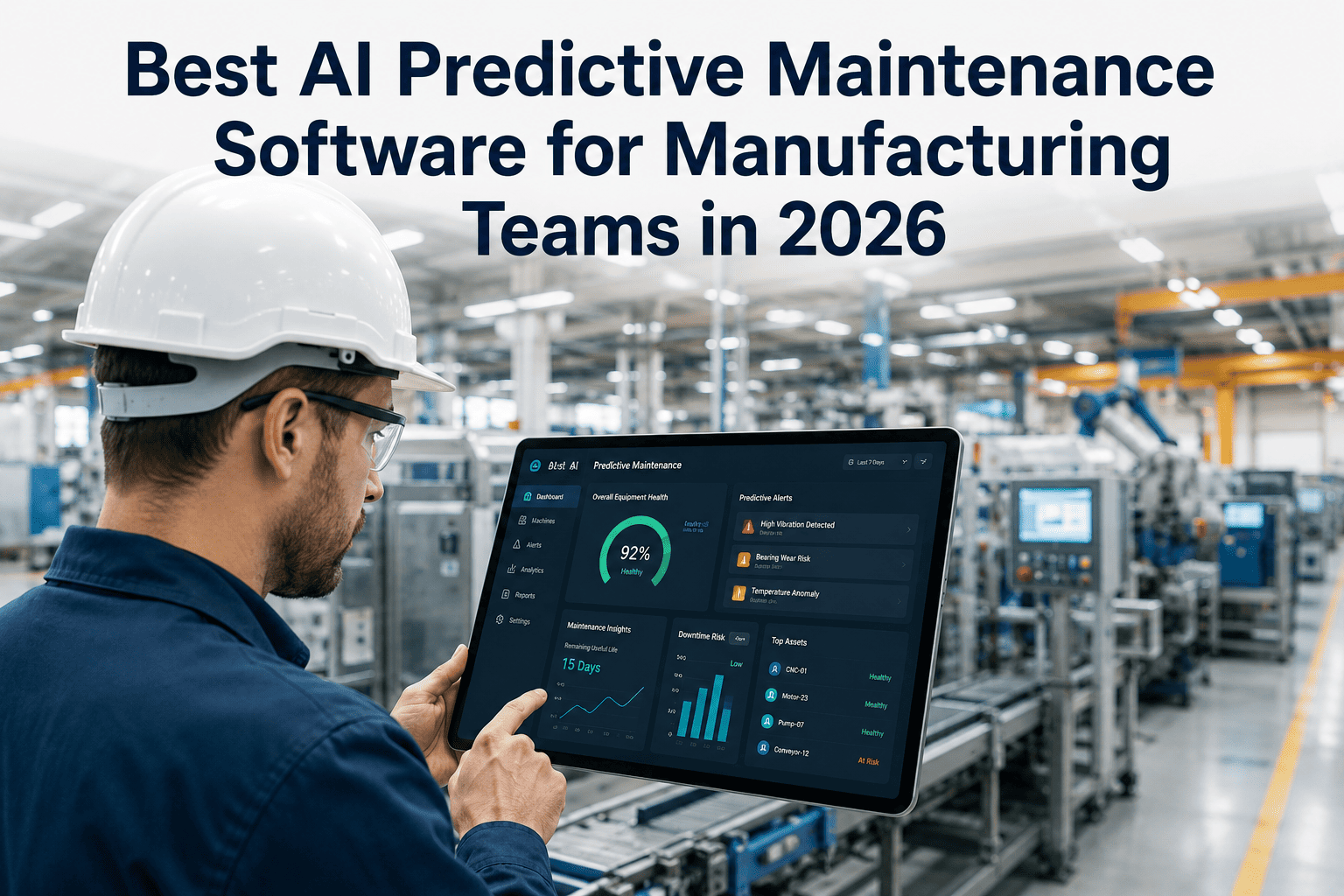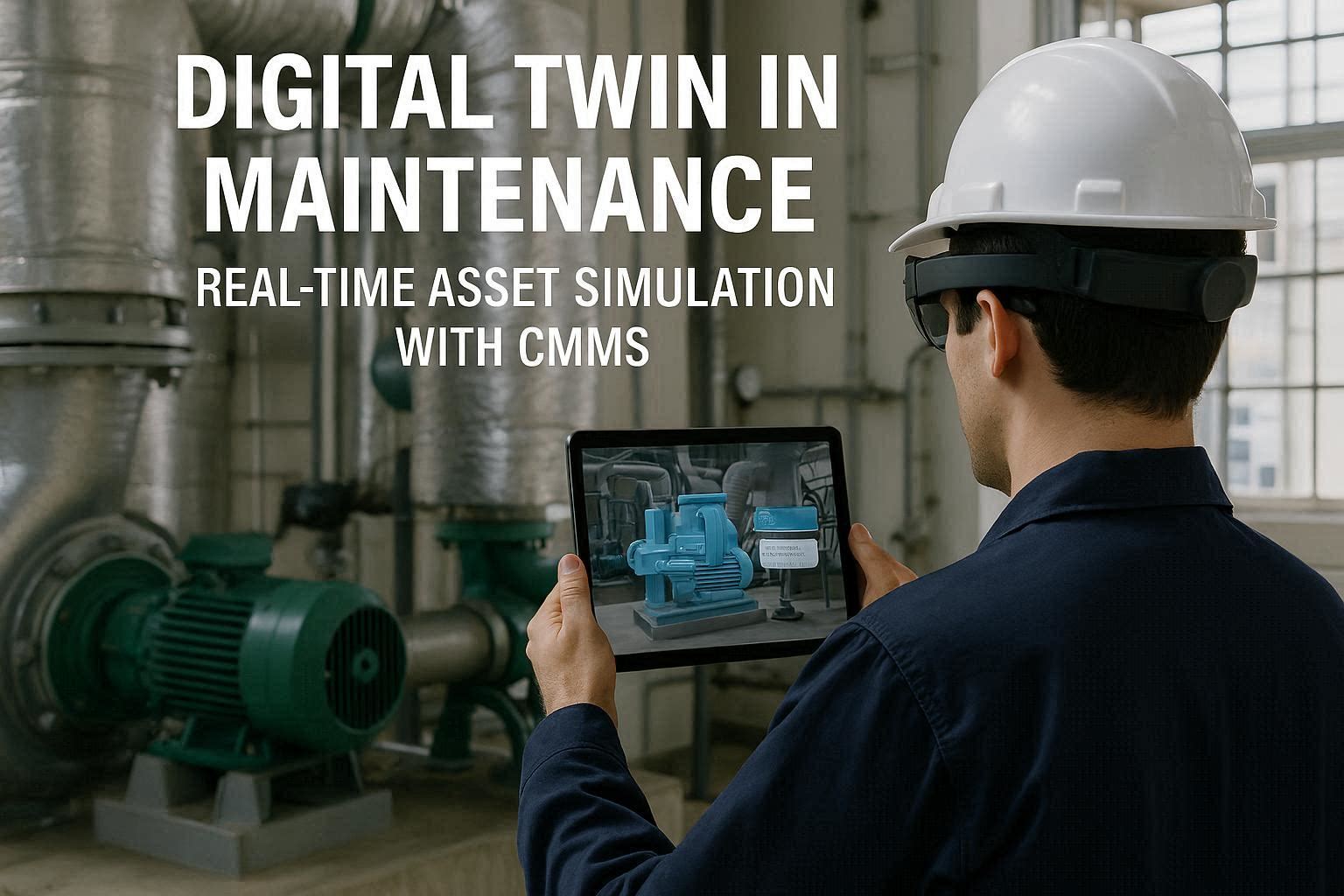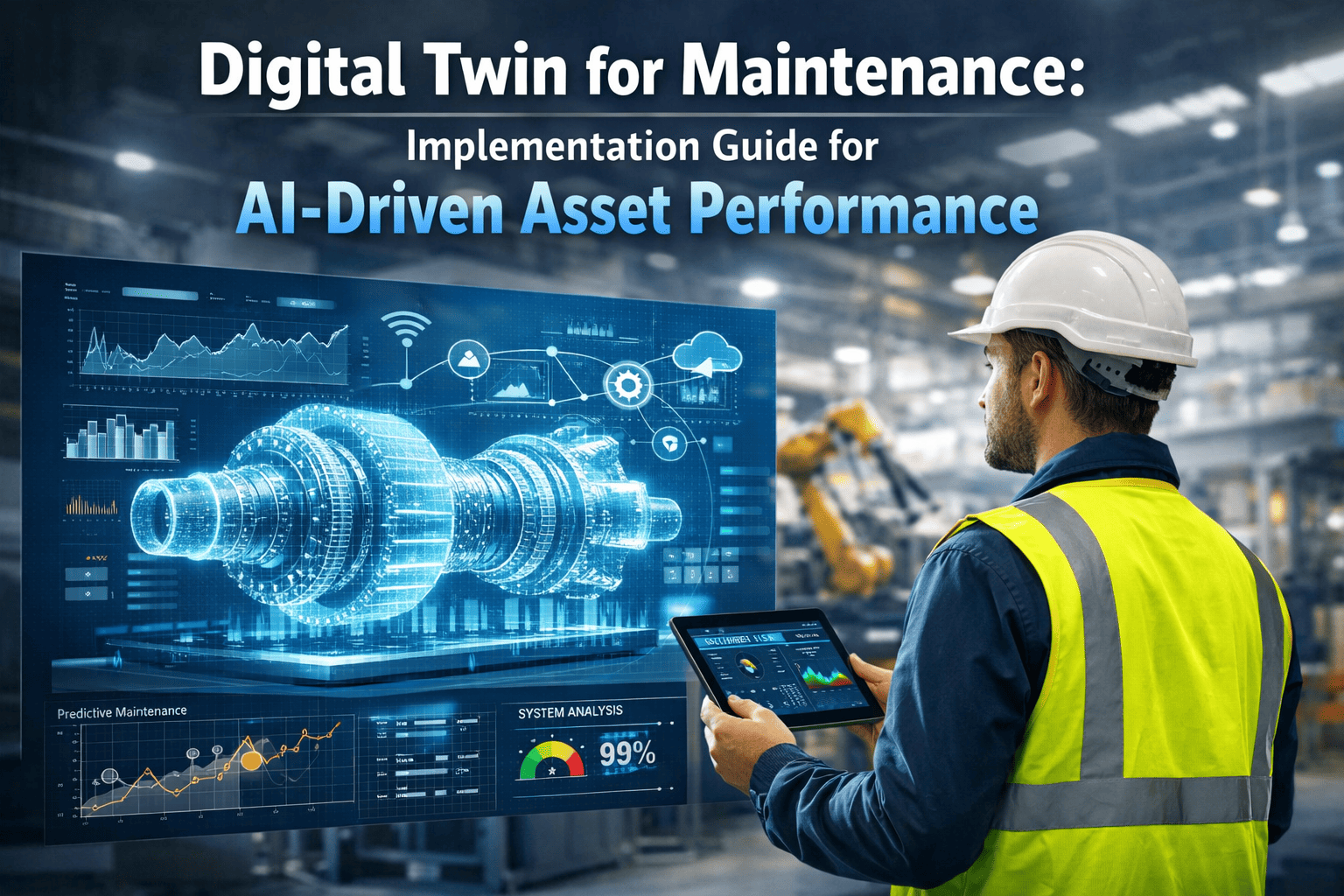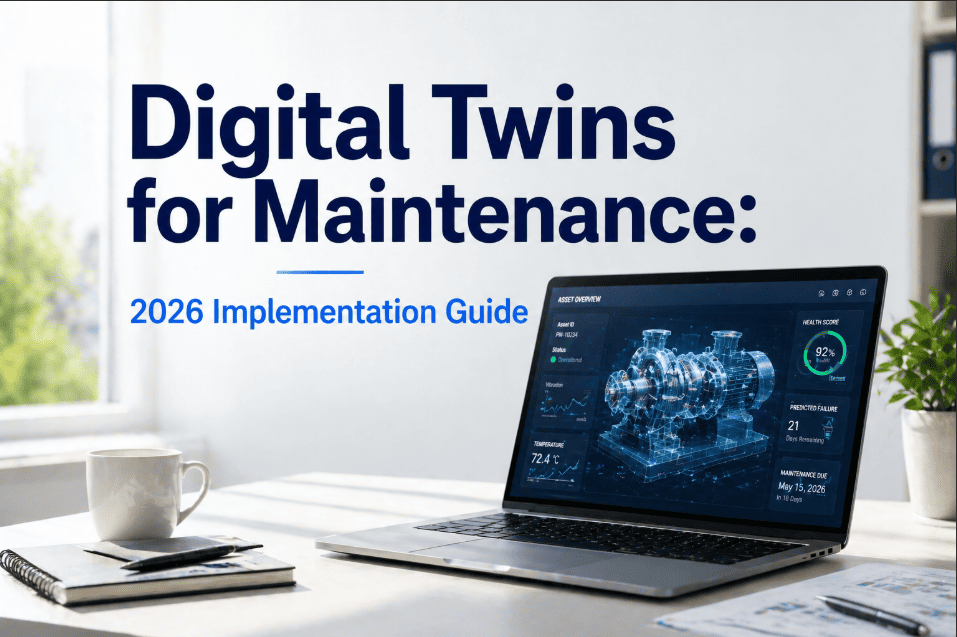
Implementing Digital Twins in 2026 has moved from a "future-tech" experiment to a foundational requirement for high-availability industrial plants. A Digital Twin isn't just a 3D model; it is a live, data-integrated virtual replica of your physical assets that evolves in real-time based on sensor inputs and maintenance history. This virtual synchronization allows maintenance managers to simulate interventions safely, predict precisely when components will reach their fatigue limit, and optimize PM schedules without risking physical equipment. Organizations deploying Digital Twin modules within their CMMS are seeing a 35% reduction in maintenance costs and a 40% improvement in asset lifecycle ROI. If you are ready to modernize your asset management with simulation and predictive modeling, start a free trial with OxMaint or book a demo to see how our Digital Twin module connects asset data to simulation models.
What is a Digital Twin for Maintenance?
In the context of maintenance, a Digital Twin is a dynamic software model that uses real-time IoT data to mimic the physical state, condition, and behavior of a mechanical asset. While a standard CMMS tells you *what* happened in the past, a Digital Twin uses current data to tell you *what will happen* in the future under various scenarios. By running "what-if" simulations in the digital space, maintenance teams can determine if they can push a machine through a high-production weekend or if an immediate shutdown is required to prevent catastrophic damage. For teams looking to gain this level of predictive insight, start a free trial or book a demo to begin your implementation guide.
How OxMaint Powers Digital Twin Implementation
We connect your SCADA, PLC, and IoT sensor streams directly to the asset record, providing the pulse for your digital twin.
Overlay maintenance KPIs directly onto 3D models or heat maps of your facility for instant situational awareness.
Run simulations to see how increasing production speed will impact component wear and your next maintenance date.
Our algorithms calculate the Remaining Useful Life of components based on real usage patterns, not just industry averages.
Reactive Maintenance vs. Digital Twin Operations
| Scenario | Reactive Approach | Digital Twin Approach |
|---|---|---|
| Fault Detection | Human sees smoke or noise | Digital twin detects micro-vibrations weeks earlier |
| Repair Planning | Guesswork on root cause | Simulation identifies the exact failing component |
| Safety | Tech enters blind for diagnosis | Virtual walkthrough identifies hazards before entry |
| Asset Life | Reduced by repeated "emergency" fixes | Extended by maintaining optimal "as-new" condition |
The ROI of Virtual Assets
Frequently Asked Questions
Do I need to build complex 3D models for every asset?
No. Digital twins for maintenance can be as simple as a logical model (data-driven) or as complex as a full 3D CAD model. Most organizations start with logical twins for high-criticality assets and add visual elements over time.
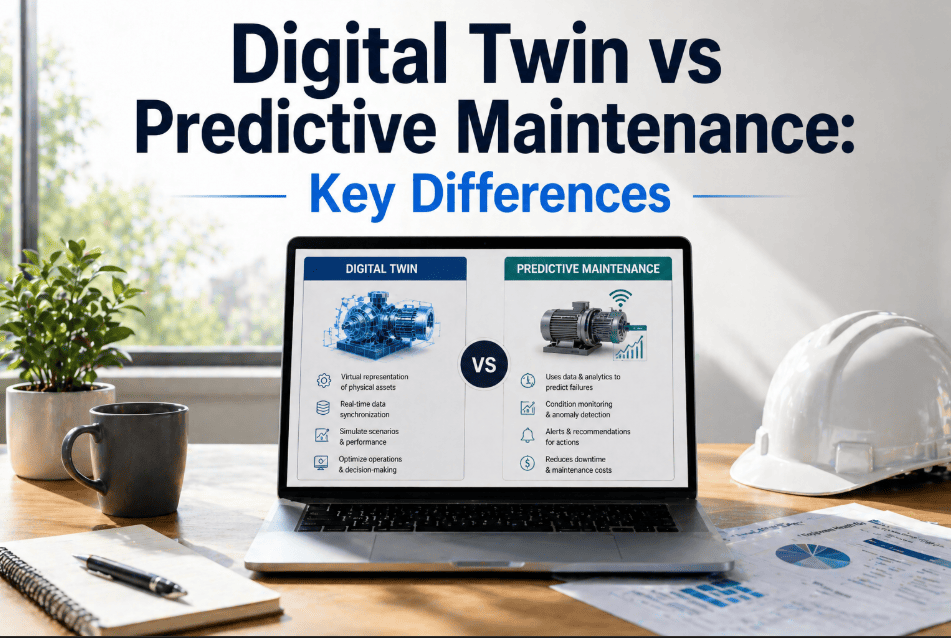
How does a Digital Twin differ from standard Predictive Maintenance?
Predictive maintenance uses data to tell you *when* a failure might happen. A Digital Twin creates a holistic environment where you can also see *why* it's happening and test how different operational changes will affect the asset's future.
Can I implement Digital Twins on older equipment?
Yes. By retrofitting legacy machines with wireless IoT sensors, you can create a "Digital Shadow" that provides the necessary data to build a functional digital twin without needing original digital design files.
Is this only for large-scale manufacturing?
No. Digital twins are increasingly used in commercial facility management for HVAC systems, elevators, and electrical grids to optimize energy and minimize tenant disruption.