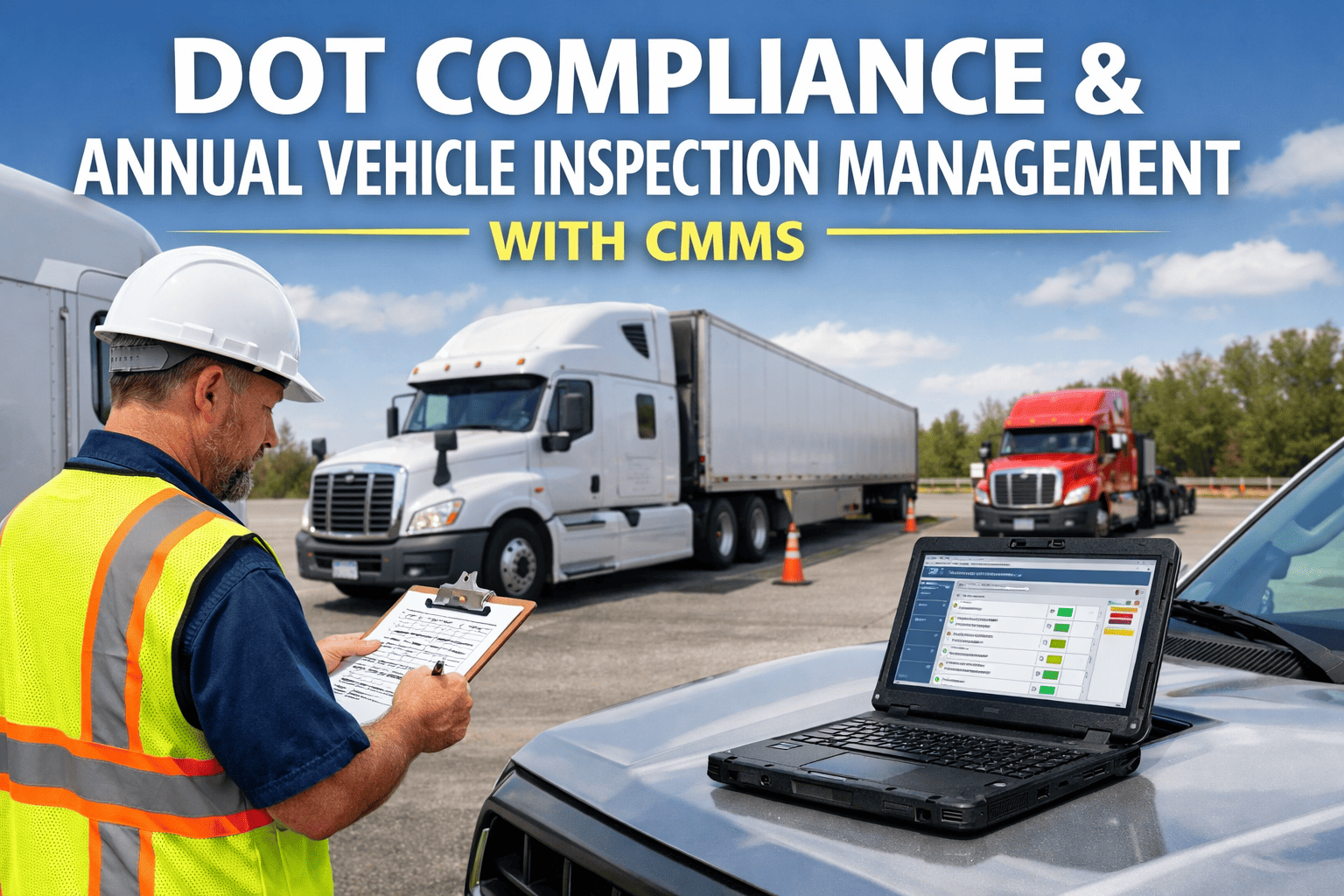
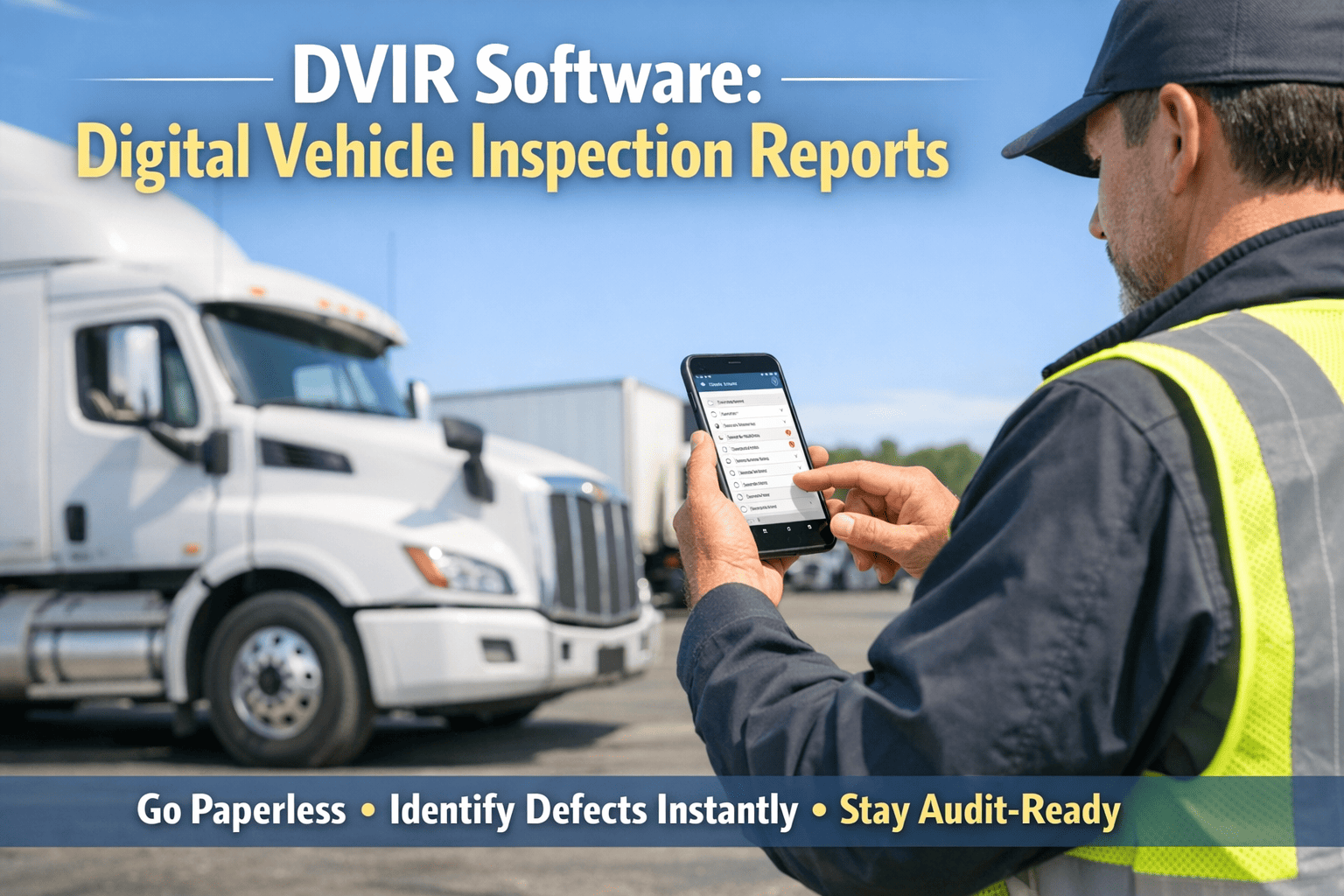
Heavy Vehicle DOT Inspection Checklist is where compliance programs either hold up under audit or fall apart — and the checklist you use is the single biggest variable. Sign up to run DOT-aligned inspections digitally, with photo evidence, e-signatures, and a full audit trail behind every result.
What This Guide Covers
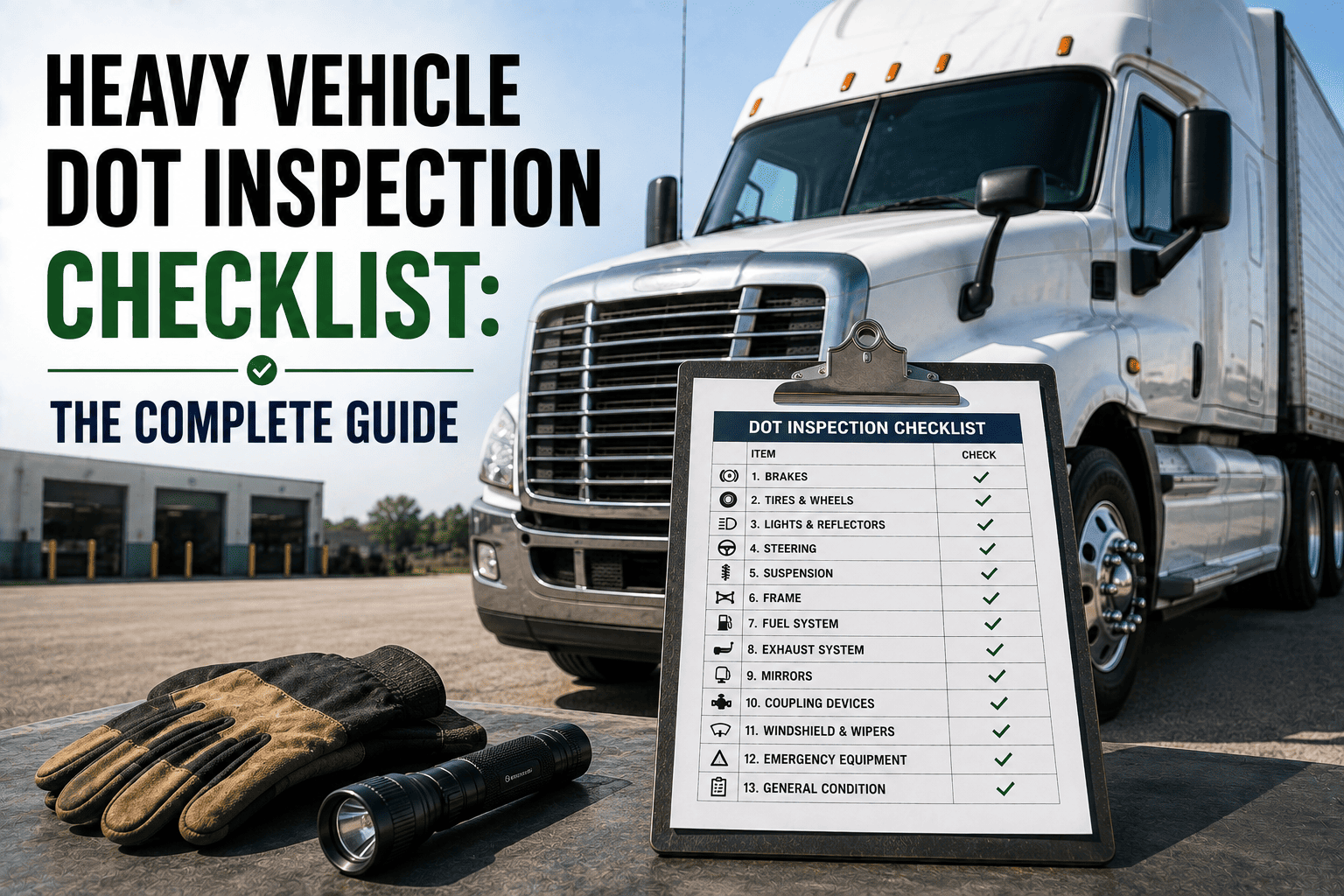
This Heavy Vehicle DOT Inspection Checklist walks through every requirement your program needs to cover, aligned to FMCSA 396.17: the components inspectors check, clear pass/fail criteria for each, mandatory documentation points, and the corrective-action workflow auditors expect to see before a vehicle returns to service.
Components Every DOT Inspection Must Cover
Brake System
Air pressure build-up, chamber stroke, slack adjusters, and lining thickness against minimum limits
Steering & Suspension
Play in the steering wheel, worn ball joints, cracked leaf springs, and loose U-bolts
Tires & Wheels
Tread depth, sidewall damage, wheel cracks, and mismatched sizes on the same axle
Lighting & Reflectors
All required lamps functioning, reflectors intact, and visible from the regulated distance
Pass, Warn, Or Out-Of-Service
| Result |
What It Means |
| Pass |
Component meets the required threshold with no defect noted, vehicle cleared for the route |
| Warn |
Component is nearing its limit and gets scheduled for repair before it becomes a failure |
| Out-Of-Service |
Component fails a regulated threshold, vehicle is pulled from service until repaired and re-inspected |
Turn Every Inspection Result Into Defensible Evidence
OxMaint runs mandatory safety checks on every inspection, links results straight to the asset record, and captures photo evidence and e-signatures so nothing gets reconstructed after the fact. Sign up for a free trial to digitize your DOT inspections, or book a demo to see it fit your fleet.
Running The Inspection Without Gaps
01
Work Through Every Regulated Component
No skipping ahead to the "usual suspects" — every item on the FMCSA list gets checked in order
02
Measure Against The Actual Threshold
Tread depth and lining thickness get measured with a gauge, not estimated by eye
03
Document Every Defect With A Photo
A cracked spring or worn lining gets a picture attached, giving auditors proof, not just a note
04
Route Failures Before The Vehicle Moves
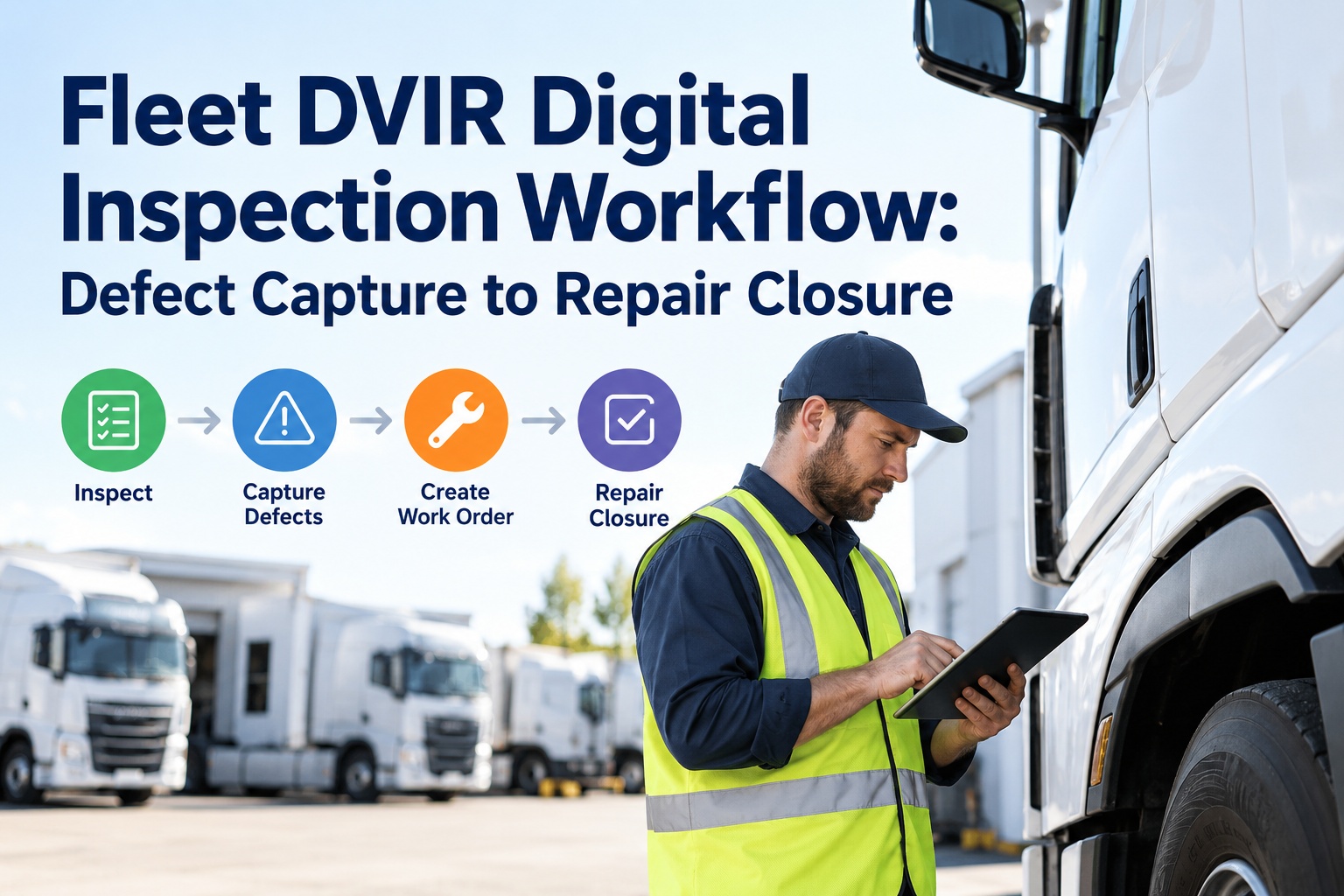
Anything marked out-of-service triggers a repair work order and holds the vehicle until cleared
A Passed Inspection Needs A Paper Trail Too
Auditors don't just ask about failures — they ask you to prove the inspection happened at all. A signed record with a timestamp and asset ID protects your fleet just as much as catching the defect itself.
Frequently Asked Questions
Q
How often is a DOT inspection required?
FMCSA 396.17 requires an annual inspection at minimum, though many fleets run the same checklist more frequently to catch defects before roadside stops.
Q
Who is qualified to perform the inspection?
The inspection must be completed by a person who meets FMCSA's qualification requirements, typically a trained technician or certified inspector, not just any available driver.
Q
How long must inspection records be retained?
Records must be kept for at least 14 months from the inspection date and be available at the location where the vehicle is housed.
Don't Let A Missed Inspection Point Become A Roadside Failure
OxMaint links every DOT inspection, defect, and repair together with photo evidence, e-signatures, and a full audit trail your EHS team can trust. Sign up for a free trial to start running heavy vehicle DOT inspections digitally, or book a demo to see it fit your fleet.