DOT compliance is one of the most consequential — and most paper-intensive — obligations a commercial fleet carries. A single missed annual inspection can result in an out-of-service order that grounds your unit on the spot, triggering a CSA score violation that follows your operating authority for 24 months. FMCSA data shows carriers with Vehicle Maintenance CSA scores above the intervention threshold are 57% more likely to be involved in a reportable crash. Yet thousands of US carriers still track annual inspection due dates on spreadsheets, manage DVIR trails in filing cabinets, and discover compliance gaps only when a roadside inspector surfaces them. The financial math is simple: one out-of-service event costs an average of $16,000 in lost revenue, towing, emergency inspection, and missed delivery penalties. OxMaint prevents that event from happening by automating every compliance deadline — annual inspections, DVIRs, CSA monitoring, and driver qualification files — in one digital platform. Start free — see why 1,200+ US fleets manage DOT compliance in OxMaint.
DOT Compliance & Annual Vehicle Inspection Management with CMMS
Annual inspections, DVIR tracking, CSA score monitoring, and hours-of-service documentation — managed digitally in OxMaint. Zero missed deadlines. Audit-ready in under 2 minutes.
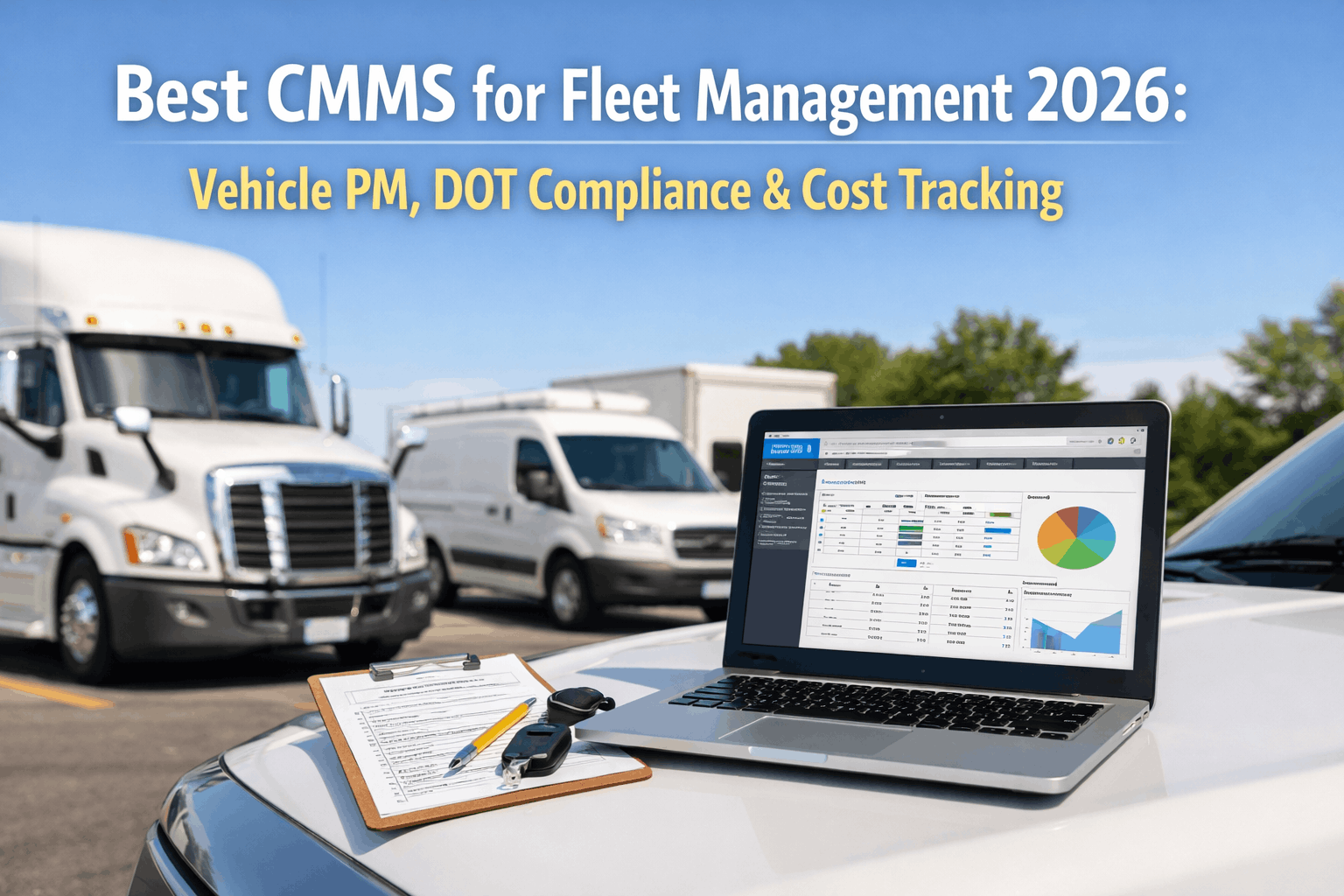
OxMaint manages annual inspection due dates, digital DVIR capture, brake inspection records, driver qualification files, and CSA BASIC score monitoring — with alerts at 60, 30, and 7 days before every deadline. US carriers report zero out-of-service violations within 90 days of deployment.
What Happens When DOT Compliance Falls Through the Cracks
The most expensive DOT violations do not start with a reckless driver — they start with a documentation gap that goes undetected for weeks or months. A fleet running annual inspections on a shared spreadsheet does not get an alert when unit #47's inspection expires on a Tuesday in March. The dispatcher does not know. The driver does not know. The unit rolls out on Wednesday, gets flagged at a Level 1 weigh station, and receives an out-of-service order before noon. The vehicle is grounded. The load misses its delivery window. The towing bill arrives. And the CSA violation posts to the FMCSA Safety Measurement System — where it will affect the fleet's risk profile, shipper audits, and inspection frequency for 24 months.
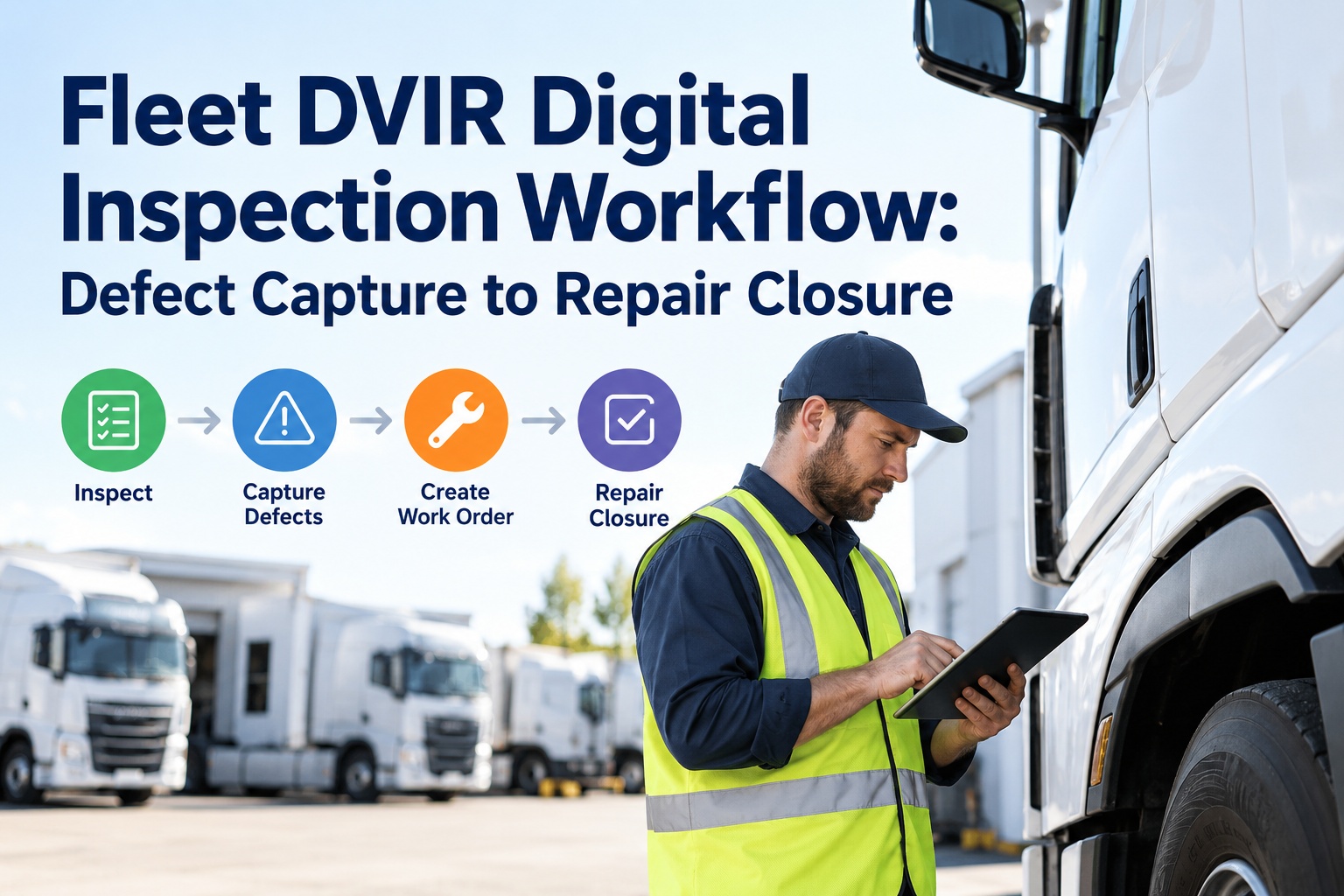
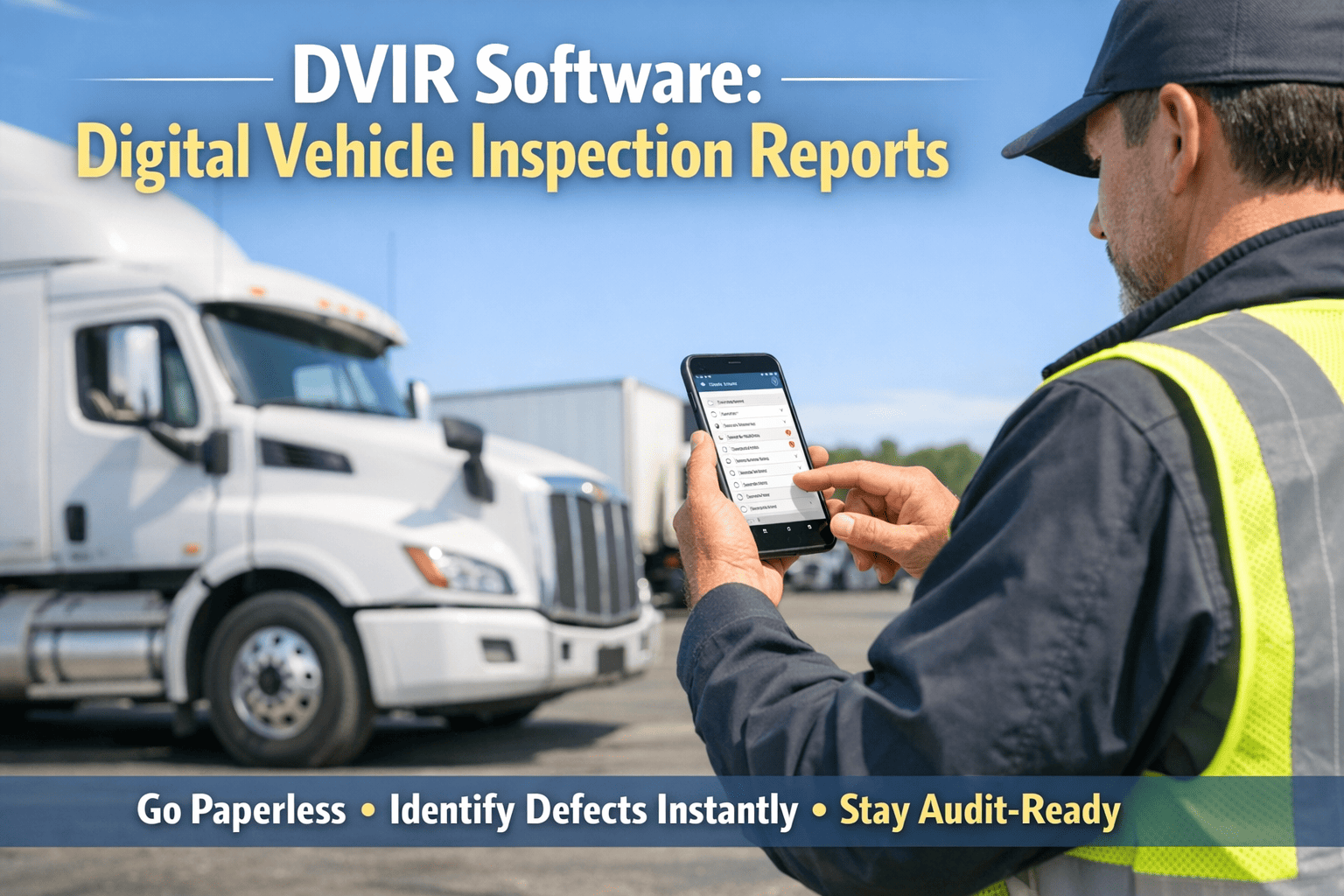
The pattern repeats with DVIRs. Most carriers know that FMCSA 49 CFR 396.11 requires a documented pre- and post-trip inspection for every commercial vehicle, every day of operation. But when that documentation is paper-based, the records degrade within weeks — forms misfiled, signatures missing, defect entries illegible. A single FMCSA compliance review that uncovers three months of incomplete DVIR records can result in a Conditional safety rating that costs the carrier more in lost contracts than the entire annual cost of a digital fleet management system. OxMaint eliminates this risk by capturing every DVIR digitally on mobile — photo documentation, driver e-signature, defect routing to the shop in real time — archived automatically with the correct vehicle, date, and trip record. See how OxMaint digital DVIR works for your fleet.
Live DOT Compliance Dashboard
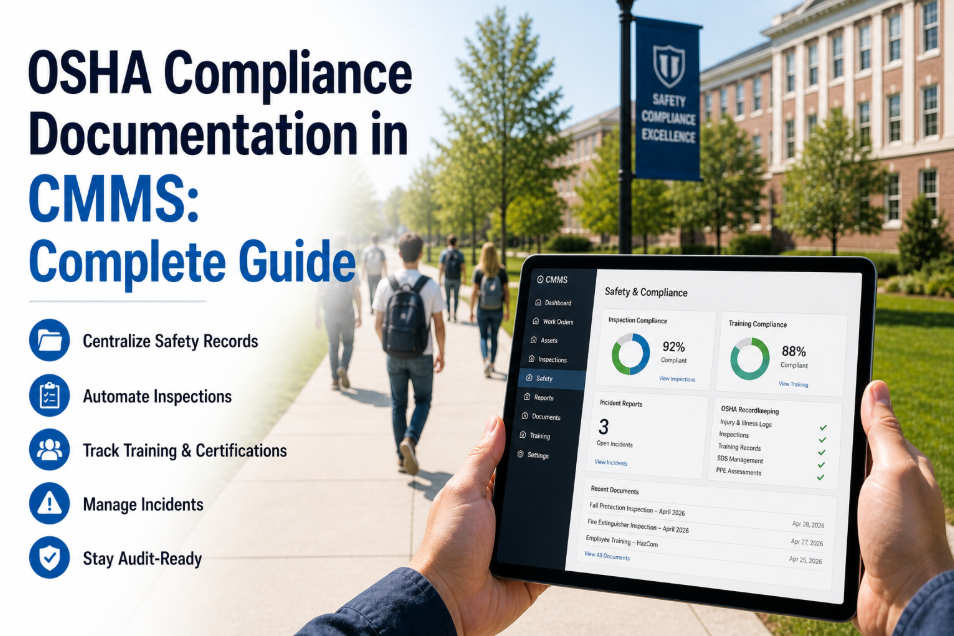
Six compliance metrics tracked automatically in OxMaint — the numbers FMCSA auditors, safety directors, and shippers examine in every carrier review cycle. These KPIs give your safety manager a real-time view of the fleet's compliance posture without opening a single spreadsheet.
DOT Compliance Coverage: What OxMaint Manages
FMCSA compliance spans six documentation categories — each with its own record format, retention period, and audit trigger. OxMaint manages all six with automated scheduling, mobile completion, and instant export for roadside inspections and formal FMCSA audits. See the full compliance dashboard configured for your fleet.
| Compliance Category | Requirement | Retention Period | OxMaint Coverage |
|---|---|---|---|
| Annual Vehicle Inspection | FMCSA 396.17 — every 12 months | 14 months | Full + Alerts |
| Driver Vehicle Inspection Report | FMCSA 396.11 — pre/post-trip daily | 3 months | Mobile Digital |
| Brake Inspection Records | FMCSA 393.40 — per service | 14 months | Auto-Filed |
| CSA / BASIC Score Monitoring | FMCSA SMS — 24-month rolling | Ongoing | Dashboard |
| Driver Qualification Files | FMCSA 391 — per driver | 3 years | Digital File |
| HOS Documentation | FMCSA 395 — ELD mandate | 6 months | ELD Sync |
Technology Stack — How OxMaint Catches Compliance Risk Early
The best DOT compliance programs catch violations before a roadside inspector does. OxMaint integrates with three connected technology layers — AI camera inspection, ELD systems, and OBD-II fault monitoring — so compliance gaps surface in the dashboard, not on the highway.
CSA Score Management — What It Means for Your Business
FMCSA's Compliance, Safety, Accountability system scores every carrier across seven Behavioral Analysis and Safety Improvement Categories — called BASICs. The Vehicle Maintenance BASIC is the most directly controllable through a systematic PM and inspection program. A Vehicle Maintenance BASIC score above 65 triggers an FMCSA intervention — a warning letter, an investigation, or a compliance review that can result in a Conditional or Unsatisfactory safety rating. Beyond federal consequences, elevated CSA scores are publicly visible to shippers and brokers in the FMCSA SMS portal. Many large shippers — Walmart, Amazon Logistics, CH Robinson — maintain carrier score thresholds as a contract condition. A Vehicle Maintenance BASIC above 50 can cost a mid-size carrier $200,000 to $400,000 in lost contracts per year without a single formal regulatory action being taken.
OxMaint tracks your CSA BASIC scores per vehicle and surfaces which units are driving score increases — then auto-prioritizes their next PM or inspection work order to address the specific violation category. If your brake system BASIC is elevated, OxMaint accelerates the brake inspection interval for your highest-risk vehicles. If your vehicle maintenance BASIC is trending up, OxMaint identifies which units have the most overdue PM items and queues them first. This targeted approach lets safety managers reduce CSA exposure systematically rather than reacting to each new violation citation.
AI cameras scan vehicle undercarriages, brake components, and tire tread at yard exit — flagging defects before the driver leaves. Inspection images attach automatically to the DVIR record in OxMaint.
Hours-of-service data from ELD systems syncs with OxMaint driver records — one compliance view covers vehicle condition and driver qualification status, the two most common roadside audit categories.
DTC fault codes pulled live from vehicle ECU — emission faults, brake codes, and safety-critical errors generate immediate OxMaint work orders before they become roadside violations that damage your CSA score.
We had two units get out-of-service orders in one quarter before OxMaint — expired annual inspections nobody caught. In 18 months since go-live, our OOS rate is zero and our Vehicle Maintenance CSA score dropped from 74 to 31.
Frequently Asked Questions
Zero Out-of-Service Orders. Full DOT Audit Readiness.
Annual inspections, DVIRs, and CSA scores — all in OxMaint, live in under 2 weeks.