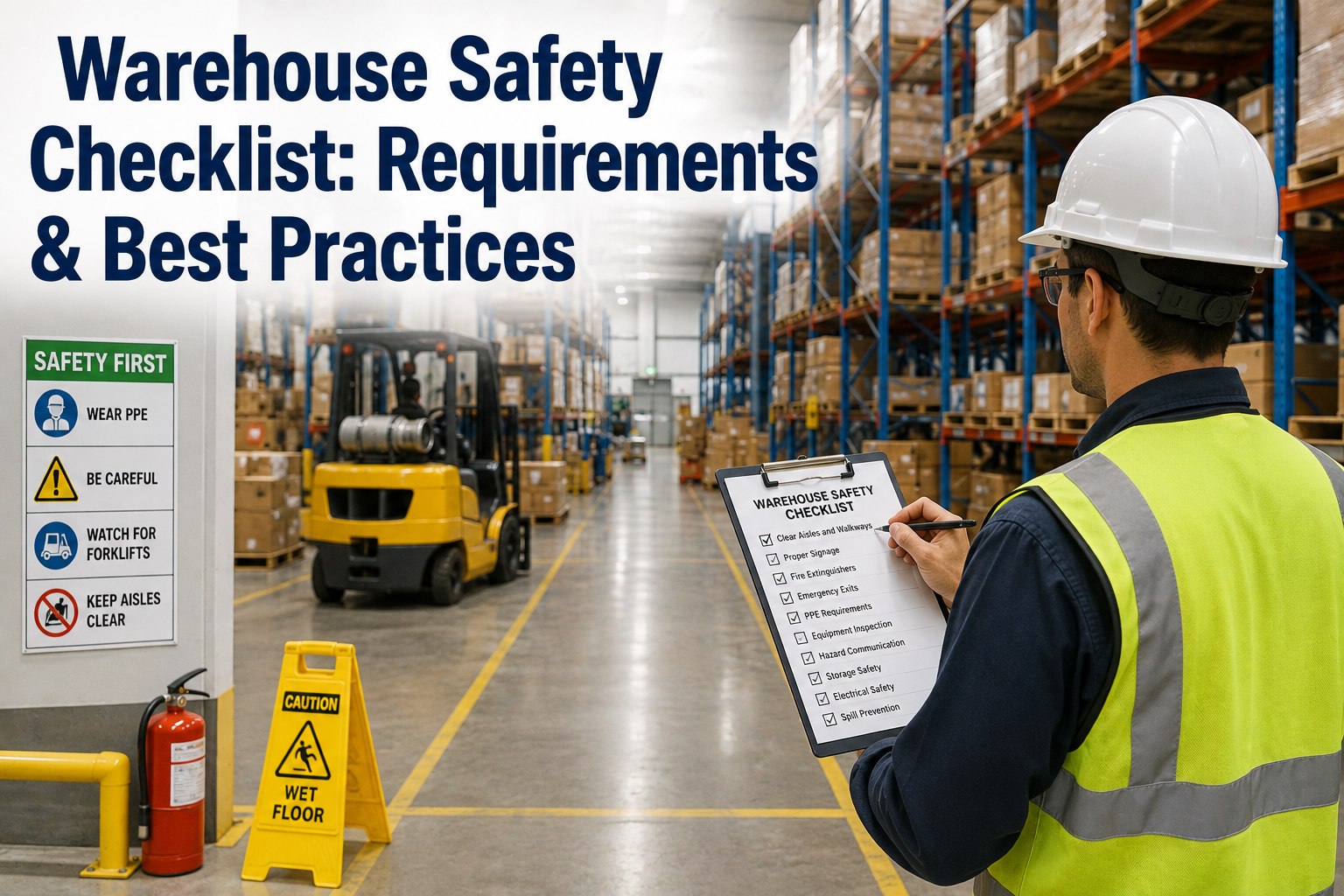
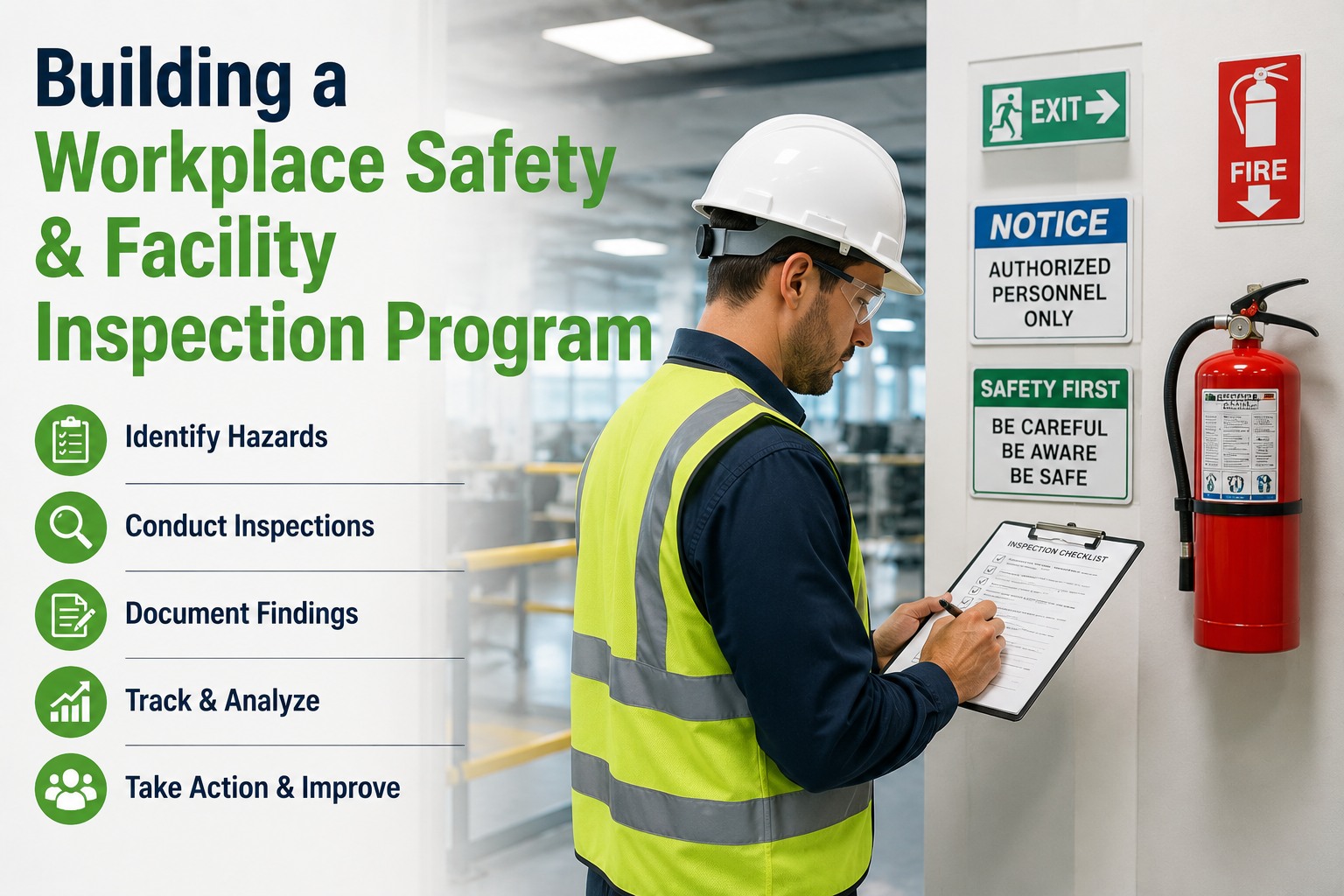
Workers in their first year on the job get hurt at a higher rate than anyone else on the floor. Not because they're careless, but because nobody walked them through the hazards before they were standing next to them. A New Employee Safety Orientation Checklist fixes that gap by turning "we told them on their first day" into something you can actually prove. Sign up to run every new-hire orientation digitally, with each topic checked, signed, and stored against that employee's record.
Why It Exists
OSHA doesn't hand employers a fixed orientation template, but it does require that every employee be instructed on the hazards of their job before they're exposed to them. A checklist is the simplest way to make that instruction consistent, complete, and provable — instead of depending on whichever supervisor happens to be training that day.
Orientation, Broken Into Three Simple Phases
Day One
Life-Critical Basics
Emergency procedures, evacuation routes, alarm signals, and how to report a hazard or incident before doing anything else
First Week
Site And Role Hazards
Hazard communication, PPE fitting, lifting technique, and the specific equipment or chemicals tied to this employee's job
First 30 Days
Reinforcement And Sign-Off
Hands-on practice under supervision, a competency check, and a signed acknowledgment that every topic was actually covered
Give Every New Hire The Same Orientation, Every Time
OxMaint turns this three-phase checklist into a guided digital orientation, with photo capture, e-signatures, and a record tied to the employee from day one. Sign up for a free trial to standardize onboarding across your team, or book a demo to see it in action.
Core Topics Every Checklist Should Cover
Worker Rights
The right to know about hazards, ask questions, and refuse genuinely unsafe work without retaliation
Hazard Communication
Where the SDS binder or system lives, how to read a chemical label, and what the GHS pictograms mean
PPE Requirements
What's required for the role, how it's fitted, and how to inspect and maintain it before every shift
Incident Reporting
Who to tell, how fast, and what counts as a near-miss worth reporting even when nobody got hurt
Paper Sign-In Sheet vs A Real Orientation Record
| Factor |
Paper Sign-In Sheet |
Digital Orientation Record |
| What it proves |
Someone was present in a room |
Each specific topic was covered and understood |
| Findable during an audit |
Depends on the filing cabinet |
Searchable by employee, date, or site instantly |
| Job-specific hazards |
Usually generic, same sheet for every role |
Tied to the employee's actual assigned tasks |
| Follow-up on gaps |
Easy to lose track of who still needs training |
Flags incomplete items automatically |
The Payoff
A thorough orientation does more than satisfy an inspector. It sets the tone for how that employee treats safety for their entire time with you — and it's the record you'll be glad exists the one time it actually gets asked for.
Frequently Asked Questions
Q
Should orientation be finished before the employee starts real work?
Ideally, yes. When that isn't possible, keep the new hire on low-hazard tasks and finish the checklist over their first few days, always covering emergency procedures and general safety rules on day one.
Q
Does the checklist need to be different for every job role?
The core topics stay the same for everyone, but the job-specific hazards, PPE, and equipment sections should reflect what that particular employee will actually be exposed to.
Q
Who should sign the completed checklist?
Both the new employee and the person who conducted the orientation. Having the employee initial each section as it's covered, not just sign once at the bottom, gives you a stronger record.
Turn Onboarding Into A Documented Safety Habit
OxMaint links mandatory safety checks, digital LOTO and permit workflows, photo evidence, and e-signatures directly to asset and employee records, so every new hire orientation comes with a defensible, real-time audit trail. Sign up for a free trial to standardize onboarding across every site, or book a demo to see it working on live safety data.