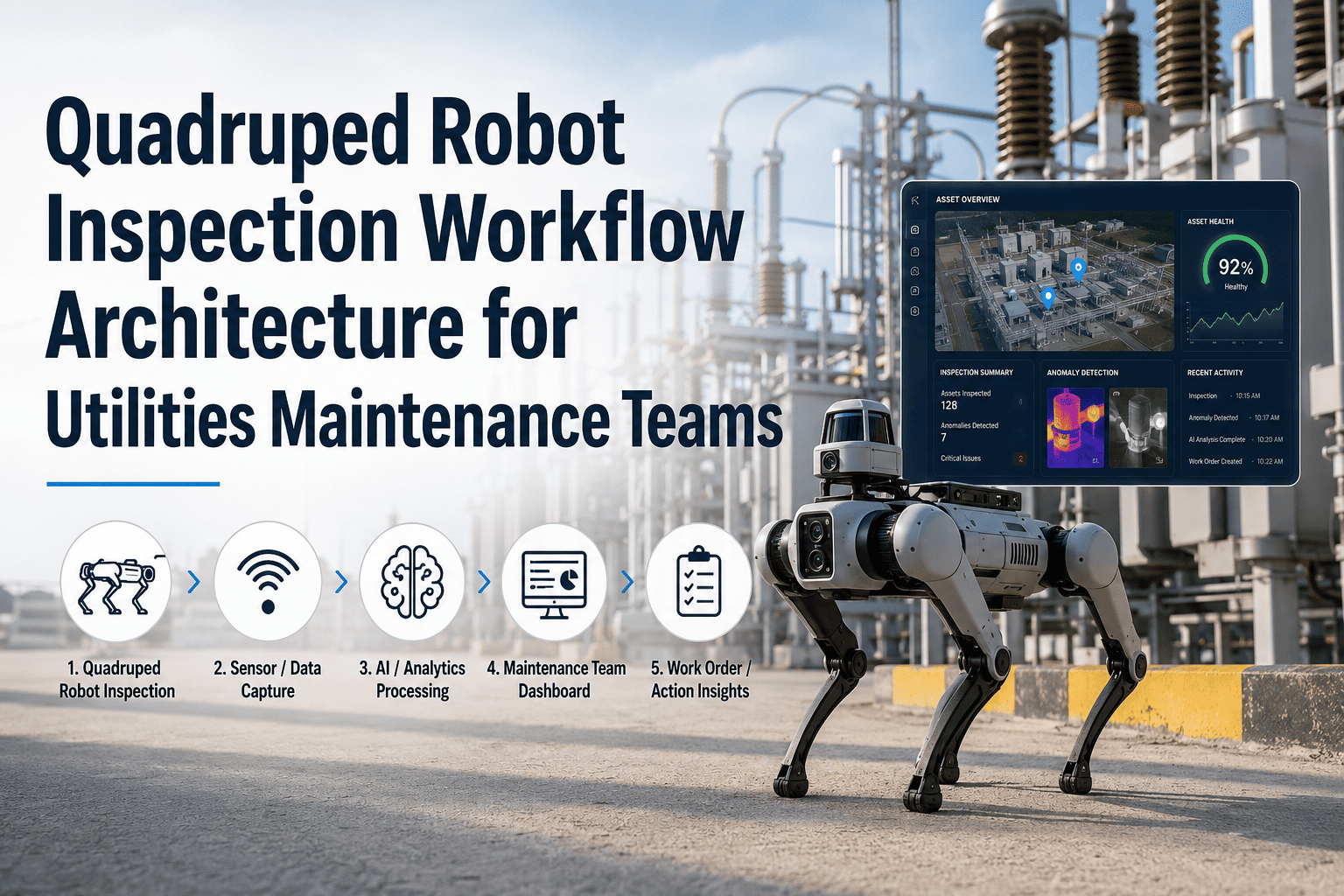
Modern quadruped platforms can be running autonomous patrols within two weeks of arriving on site — but only at facilities that did the readiness work before the robot showed up. The teams that struggle aren't the ones with a difficult facility. They're the ones that bought capability before defining a workflow: no mapped patrol route, no asset IDs to attach findings to, no defined threshold for what counts as an anomaly. A readiness check before deployment turns those weeks into days. Start your readiness check with Oxmaint free and find out exactly what your facility needs before the robot arrives.
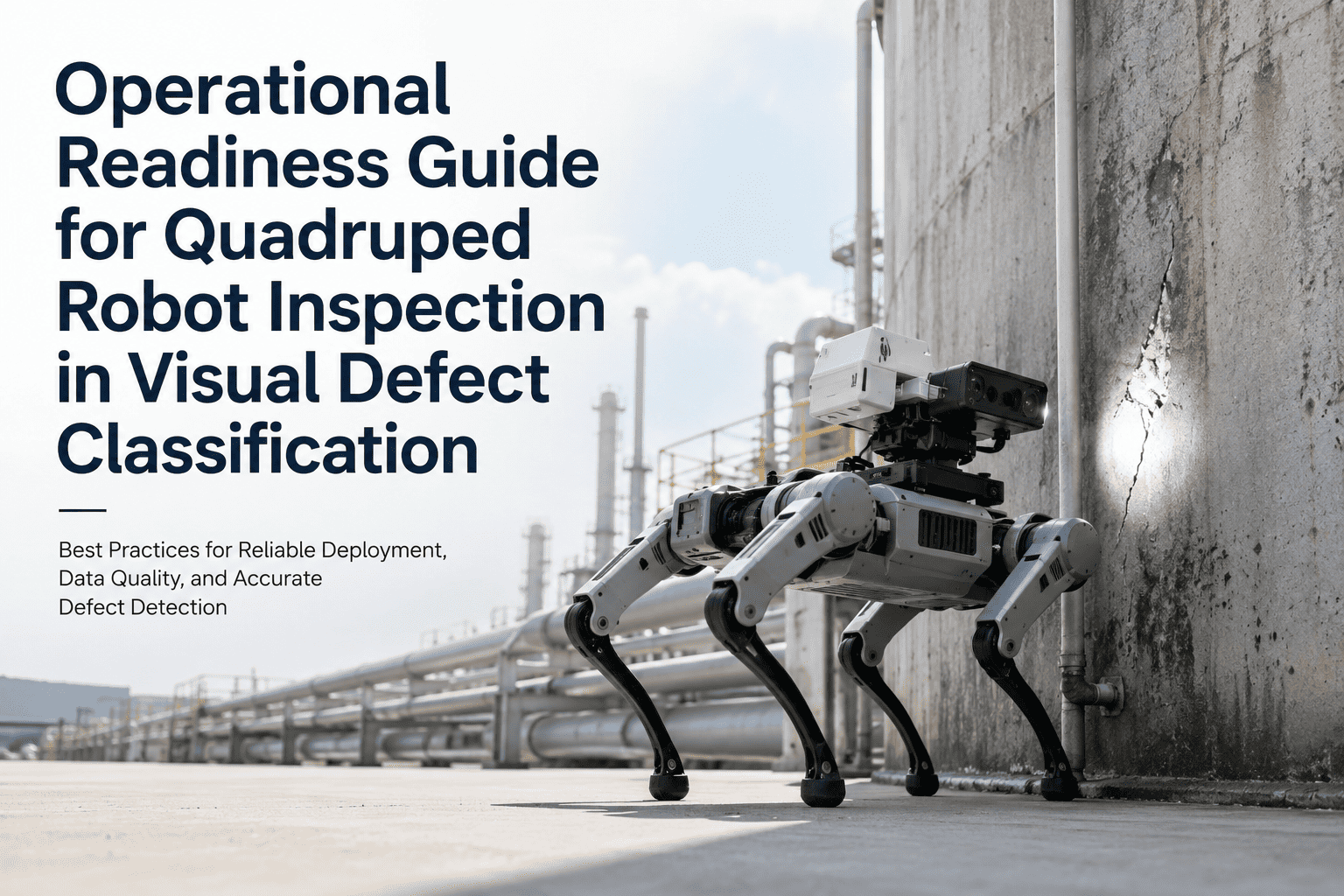
Operational Readiness Guide for Quadruped Robot Inspection
What to confirm before deployment day, so your first autonomous patrol generates work orders instead of integration problems.
2 weeks
typical time to running autonomous patrols at facilities that complete readiness prep first
70%
reduction in missed off-hours inspection points reported after structured deployment
One task
is the recommended scope for the first patrol route, not a facility-wide rollout
Readiness Checklist
Four Things to Confirm Before Deployment Day
1Patrol route mapped with the facility and maintenance teams together, including stairs, narrow passages, outdoor segments, and charging dock placement
2Every inspection checkpoint linked to a specific asset ID, so findings attach to the right equipment record automatically
3Anomaly detection thresholds calibrated against known site conditions to minimize false positives before go-live
4Terrain and environmental conditions documented against the platform's IP rating, slope tolerance, and ATEX certification if required
Get a deployment plan built for your facility
Oxmaint maps patrol routes to asset records and configures anomaly thresholds before go-live, so day one generates work orders, not noise.
Rollout Timeline
A Realistic Two-Week Deployment Sequence
| Week | Activity | Outcome |
|---|
| Week 1, Days 1–3 | Site walk, route mapping, asset linking | Patrol checkpoints defined and tagged |
| Week 1, Days 4–5 | Sensor calibration against baseline readings | Anomaly thresholds tuned to the site |
| Week 2, Days 1–3 | Supervised patrols on highest-priority zone | Work order flow validated end to end |
| Week 2, Days 4–5 | Expand to full route, enable autonomous mode | Unattended patrols generating live work orders |
Expert Review
The biggest mistakes in quadruped deployment come from buying capability before defining the workflow. Teams overestimate how much value shows up before the robot is calibrated, observed, and owned by a specific person. A smaller, well-instrumented first patrol on one priority zone almost always produces better long-term results than an ambitious facility-wide rollout with weak measurement behind it.
Reviewed by Oxmaint's Maintenance Reliability Advisory Team
Common Gaps
What Unready Facilities Usually Missed
No defined success metric
No agreement on what "working" looks like before launch, making the pilot impossible to evaluate fairly
Skipped operator training time
Calibration, accessories, and recovery procedures underestimated, leaving staff unprepared for day-to-day operation
No fallback or escalation path
No documented process for what happens when the robot stalls, stumbles, or a route gets blocked
FAQ
Frequently Asked Questions
How long does facility readiness prep typically take?
Most facilities complete route mapping, asset linking, and threshold calibration within the first week, with supervised patrols starting in week two.
Which quadruped platforms does Oxmaint support for readiness mapping?
Oxmaint connects to Boston Dynamics Spot, ANYbotics ANYmal, Unitree, and other REST API-enabled platforms.
Book a demo to plan your specific deployment.
Should we start with one zone or the whole facility?
Start with one priority zone. Facilities that validate a single patrol route end to end before expanding consistently see fewer integration issues than those attempting a full rollout immediately.
What happens if a planned route becomes blocked or obstructed?
The robot detects the obstruction, logs it as a finding, and either waits for clearance or reroutes if an alternative path exists, without compromising safety.
How do we know if our anomaly thresholds are tuned correctly?
Thresholds are validated during the supervised patrol phase by comparing flagged anomalies against known site conditions before enabling full autonomy.
Start free to begin your readiness check.
Be ready before the robot arrives
Oxmaint maps your facility's patrol route, asset links, and anomaly thresholds ahead of deployment, so day one produces work orders, not surprises.