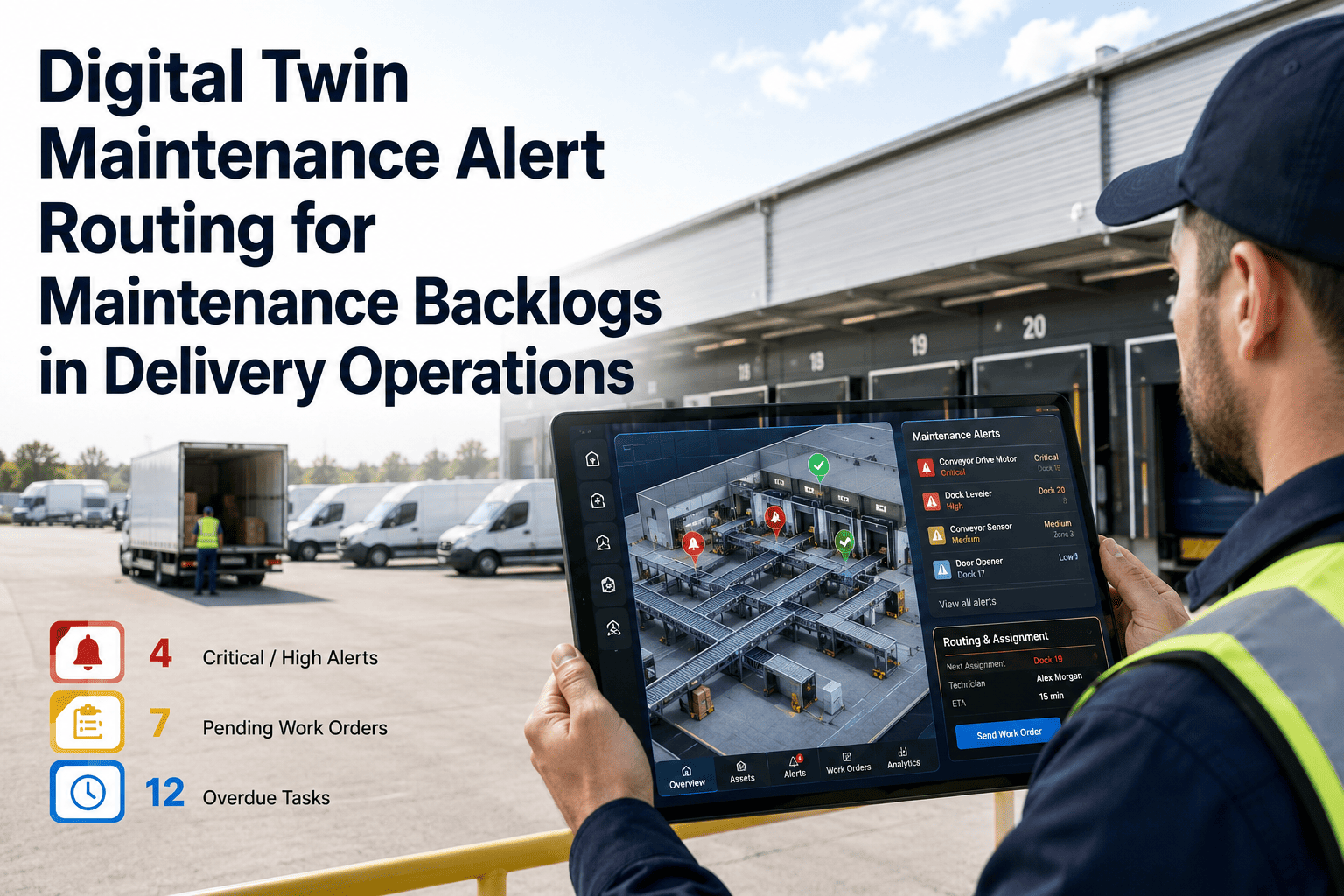
A digital twin is only as trustworthy as the gap between what it predicts and what actually happens on the floor. Most twins start strong — 70 to 80% accuracy out of the gate — and then either improve with every shutdown cycle or quietly drift further from reality, depending entirely on whether anyone governs the feedback loop. Without a defined process for checking predicted outcomes against actual repair records, a digital twin becomes a forecast nobody trusts, running parallel to the real maintenance program instead of driving it. Connect your digital twin to Oxmaint free and put a governed feedback loop behind every prediction.
Governance Framework for Digital Twin Maintenance
How to keep a digital twin's predictions accountable to real repair outcomes, instead of drifting further from reality with every shutdown cycle.
70–80%
typical accuracy of a digital twin's first simulations before any calibration cycles90%+
accuracy reachable after two to three shutdown cycles with governed CMMS feedbackNo loop, no trust
what happens to twin accuracy when predictions are never checked against actual repairsWhat a Digital Twin Governance Framework Actually Decides
Stop running a simulation nobody checks against reality
Oxmaint feeds completed work orders and actual repair outcomes back into your digital twin, closing the loop that calibration depends on.
Static Twin vs Governed, CMMS-Fed Twin
| Capability | Static Digital Twin | Governed, CMMS-Fed Twin |
|---|---|---|
| Prediction accuracy near failure | 55–70% within a 7-day window | 85–95% within a 2-day window |
| Calibration source | Manufacturer guidelines only | Actual repair durations and outcomes |
| Accuracy trend over time | Flat or drifting downward | Improves with each maintenance cycle |
| Work order generation | Manual review of simulation output | Threshold-triggered, automatic |
What Governed Digital Twin Programs Report
42%
reduction in unplanned downtime after governed twin-CMMS feedback was established6 wks → 10 days
shutdown planning time reduction reported after digital twin simulation matured35%
reduction in maintenance costs reported across governed digital twin deploymentsFrequently Asked Questions
Make your digital twin accountable to real outcomes
Connect Oxmaint to your digital twin platform and let every completed repair calibrate the next prediction, instead of letting accuracy drift unchecked.