Substations the size of a soccer field, transmission towers spread across hundreds of miles, underground conduits nobody wants to crawl into — utility infrastructure was never designed for easy human inspection. Quadruped robots solve the access problem: legged platforms walk stairs, mud, ice, and energized switchyards that wheeled robots simply cannot cross. But a robot that walks a route and stores thermal images on a hard drive is just an expensive camera on legs. The real workflow only exists once that visual data lands inside a CMMS as a prioritized, owned work order. Connect your robot fleet to Oxmaint free and turn every patrol into action instead of footage.
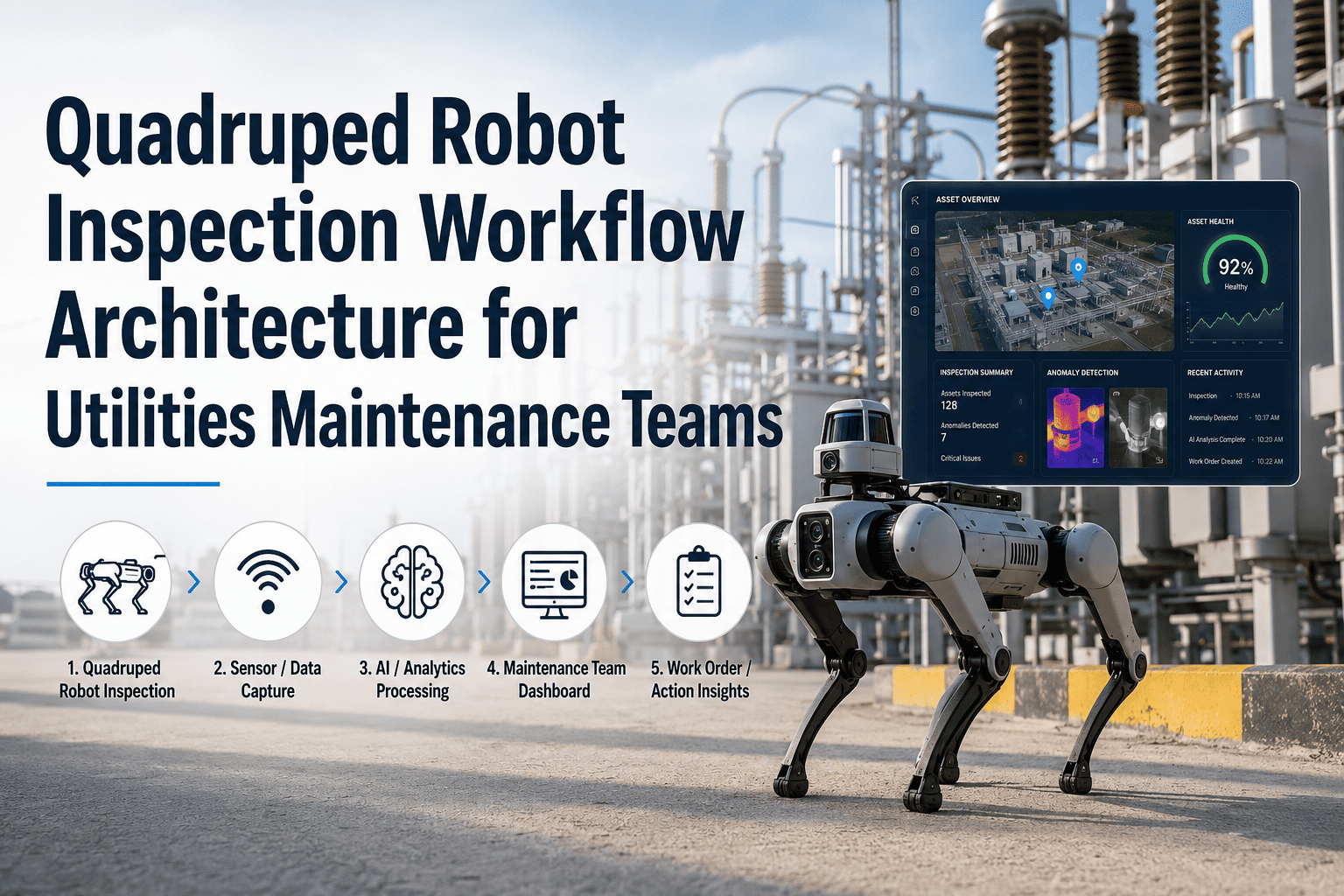
Quadruped Robot Inspection Workflow Architecture for Utilities
How legged inspection robots cross terrain your technicians can't, and how that data becomes a traceable work order the same day.
Why Utilities Are Turning to Legged Robots Specifically
No-go zones for crews during live operation, walkable by a robot that needs no line clearance
Legged platforms handle slopes past 30 degrees, stairs, and rubble that defeat wheeled robots
Confined, irregular spaces where sending a technician means a full permit and standby crew
Towers and lines spread across distances that make routine walk-throughs impractical at scale
18–24 mo
typical payback window for utility patrol deployments, plus reduced personnel risk30°
slope quadruped platforms navigate that wheeled or tracked robots cannot crossZero
technicians required inside the switchyard during a live robotic patrolStop storing inspection footage — start generating work orders
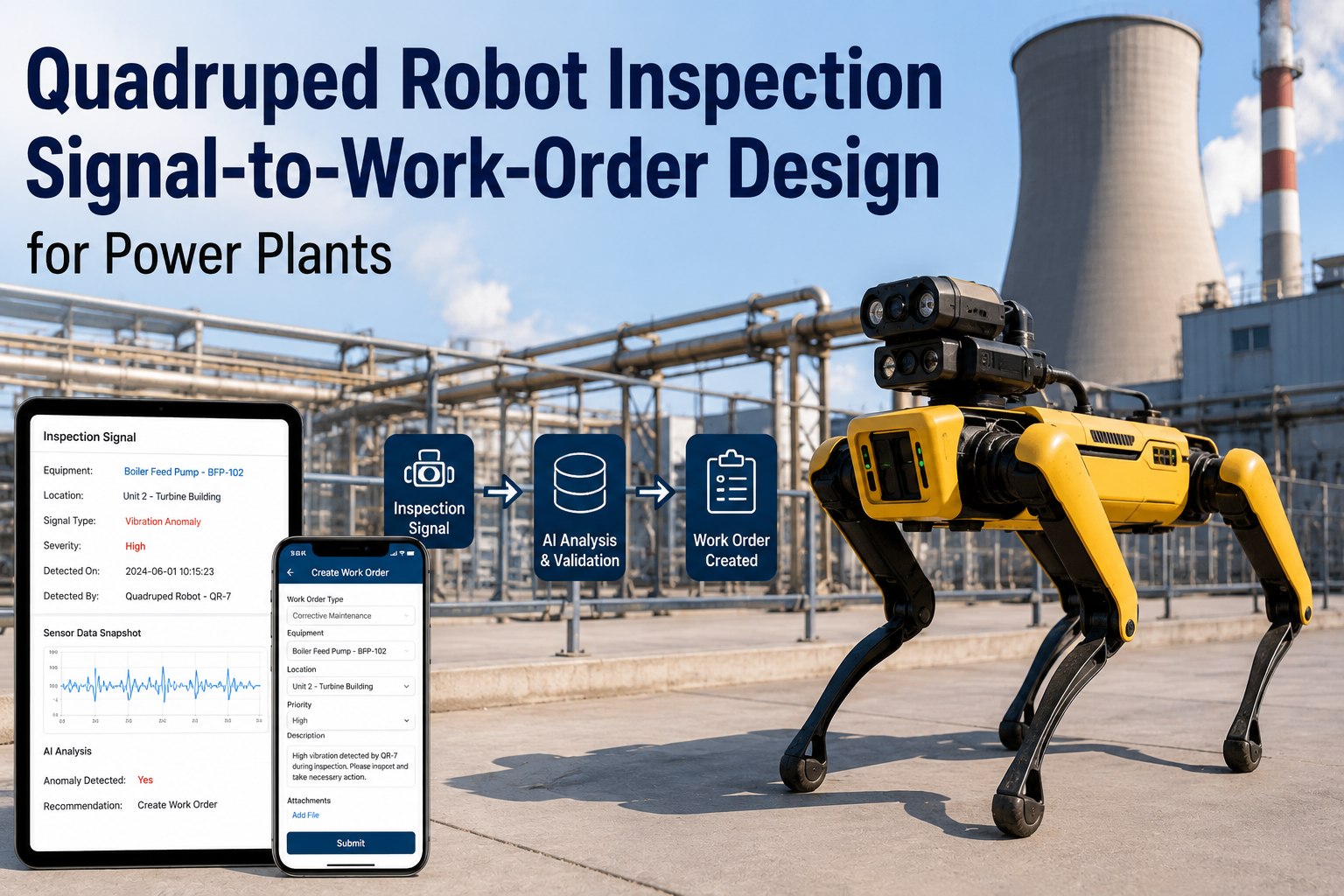
Oxmaint maps every robot waypoint to an asset record, so thermal and acoustic anomalies become prioritized work orders automatically.
From Robot Waypoint to Work Order, Step by Step
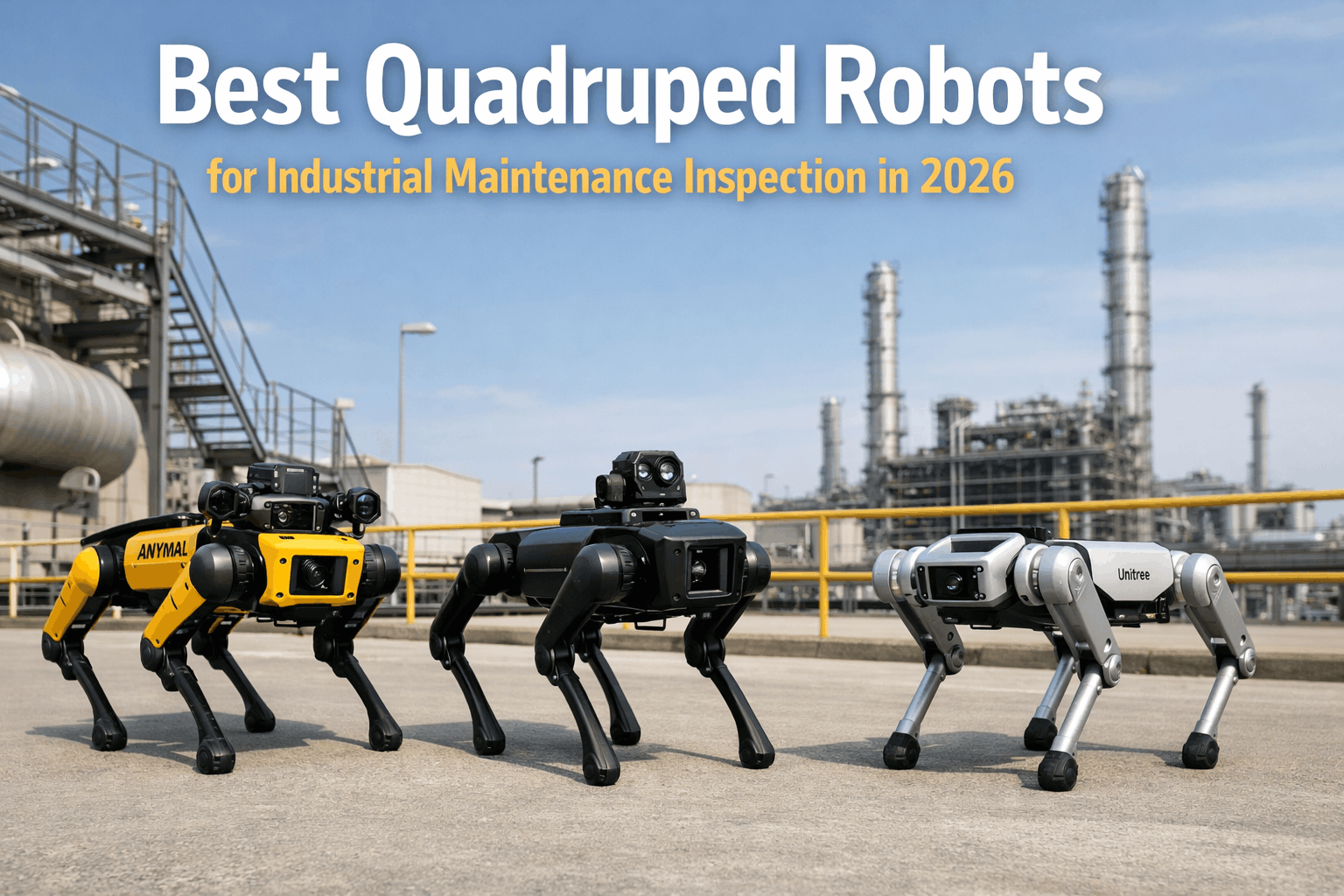
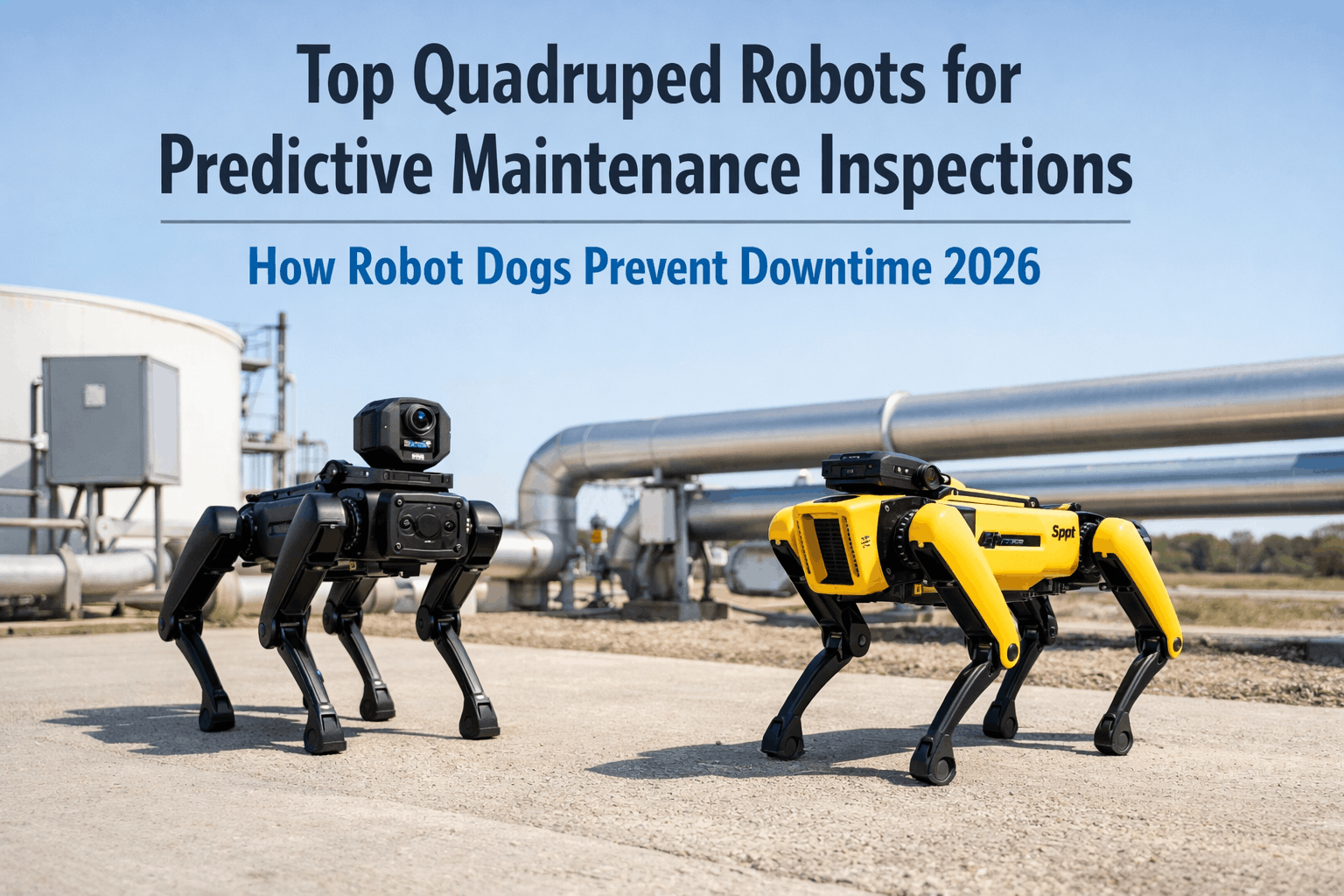
Quadruped Platforms Used in Utility Inspection
| Platform | Hazardous Area Rating | Best Fit |
|---|---|---|
| Boston Dynamics Spot | Zone 1/2 with Explosion-Proof Accessory Package | Substations, general utility patrol |
| ANYbotics ANYmal X | Native ATEX Zone 1 / IECEx certified | Gas-adjacent or explosive atmosphere sites |
| Unitree B2 | Not ATEX or IECEx certified | Non-hazardous yards and indoor switchgear |
What Utility Teams Report After Robotic Patrol Integration
72
work orders generated from one quadruped fleet's data in six months at a comparable industrial site13 days
average repair time after switching from months-long manual review to automated anomaly routing8–12 mo
fastest reported payback window among comparable hazardous-area inspection deploymentsFrequently Asked Questions
Every patrol should end in a work order, not a hard drive
Connect your quadruped fleet to Oxmaint and turn thermal and acoustic anomalies into prioritized, traceable repairs the same day they're detected.