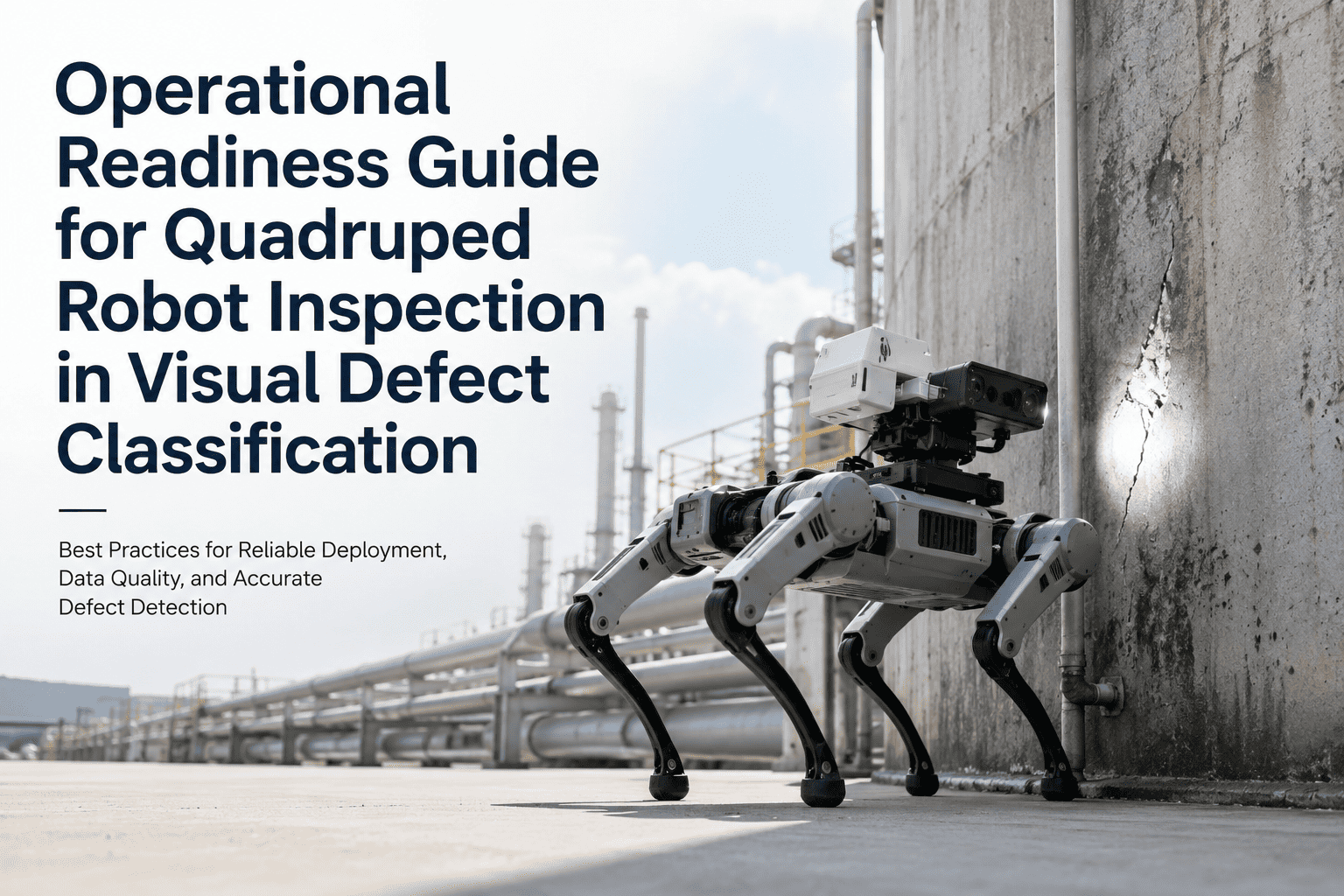
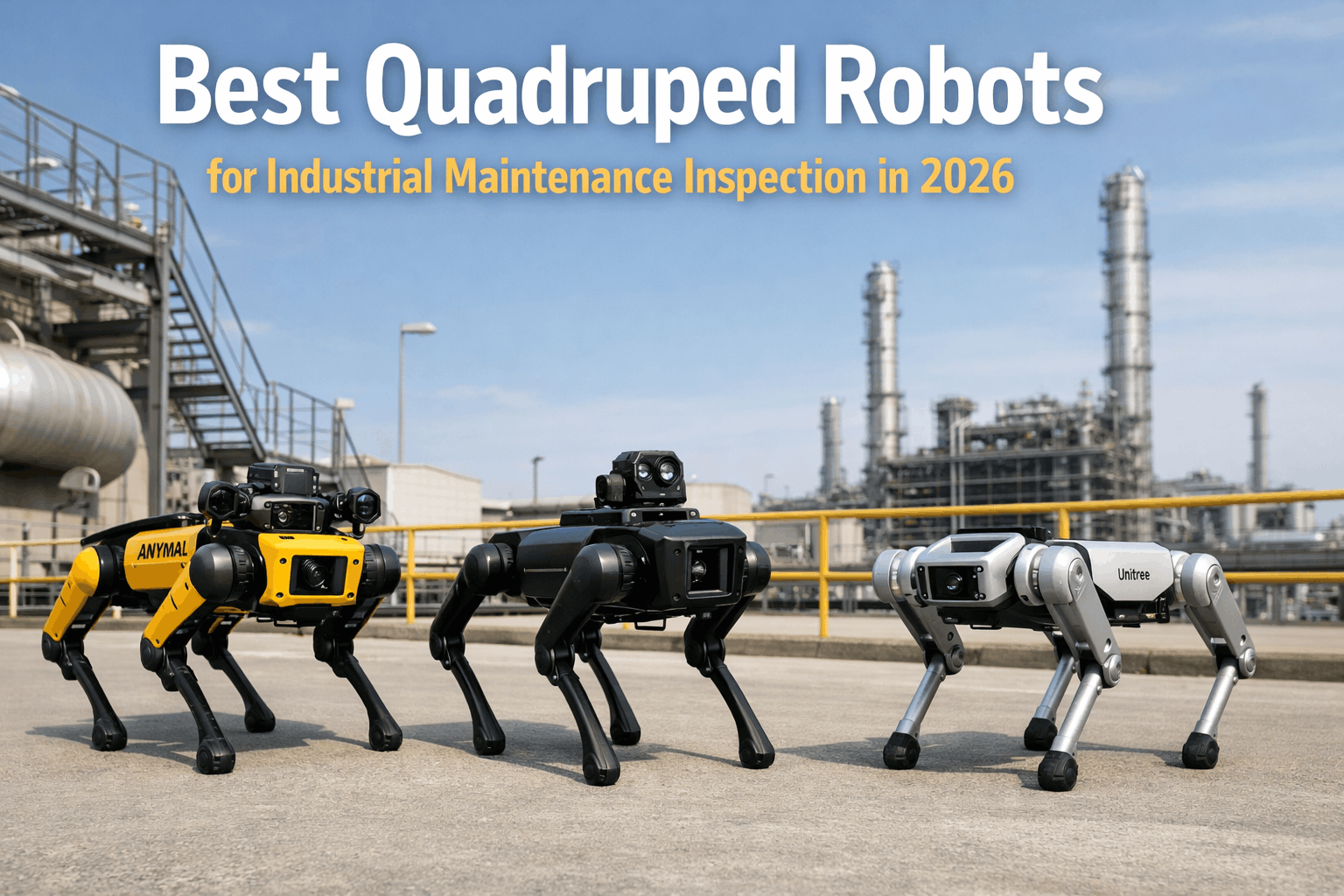
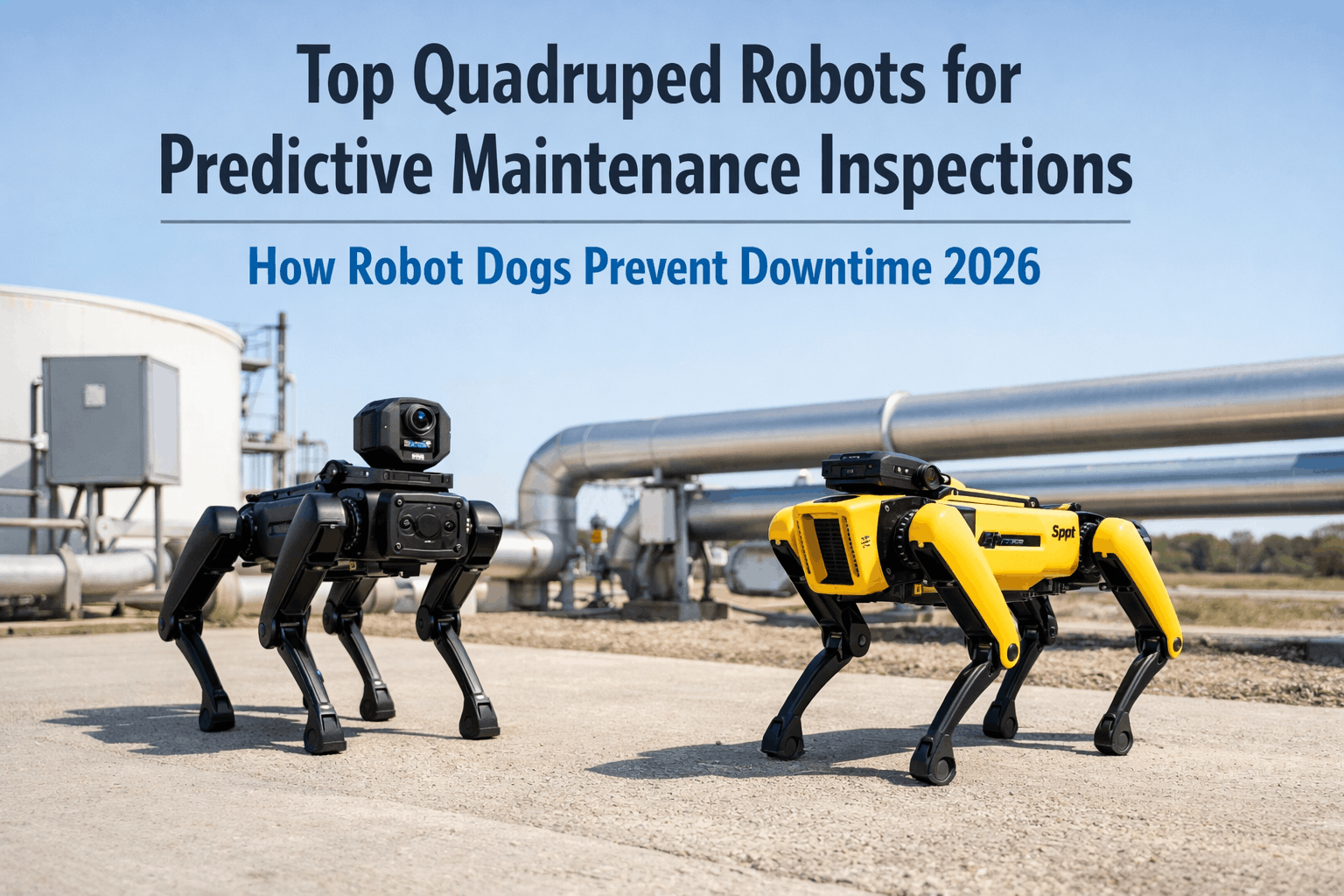
Hospitality facilities — hotels, resorts, convention centers, and mixed-use properties — run 24 hours a day with guests occupying every floor, mechanical rooms humming below grade, and maintenance windows measured in minutes, not hours. Traditional inspection rounds mean technicians walking corridors at 2 a.m. with flashlights, checking plant rooms by hand, and logging findings on paper that never makes it into a work order. Quadruped robots are changing that: Boston Dynamics Spot and ANYbotics ANYmal now patrol hotel plant rooms, rooftop mechanical decks, and basement utility corridors autonomously — capturing thermal imaging, acoustic anomaly data, and visual condition evidence on every pass. When connected to OxMaint CMMS, every robot finding becomes a timestamped, location-tagged work order routed to the right technician before your first shift begins. The global inspection robot market is expanding from $6.76 billion in 2026 toward $30 billion by 2034 — and hospitality facilities maintenance teams that adopt structured robot-to-CMMS workflows now are building a compounding operational advantage. Book a demo to see the full robot inspection pipeline configured for a multi-property hospitality portfolio.
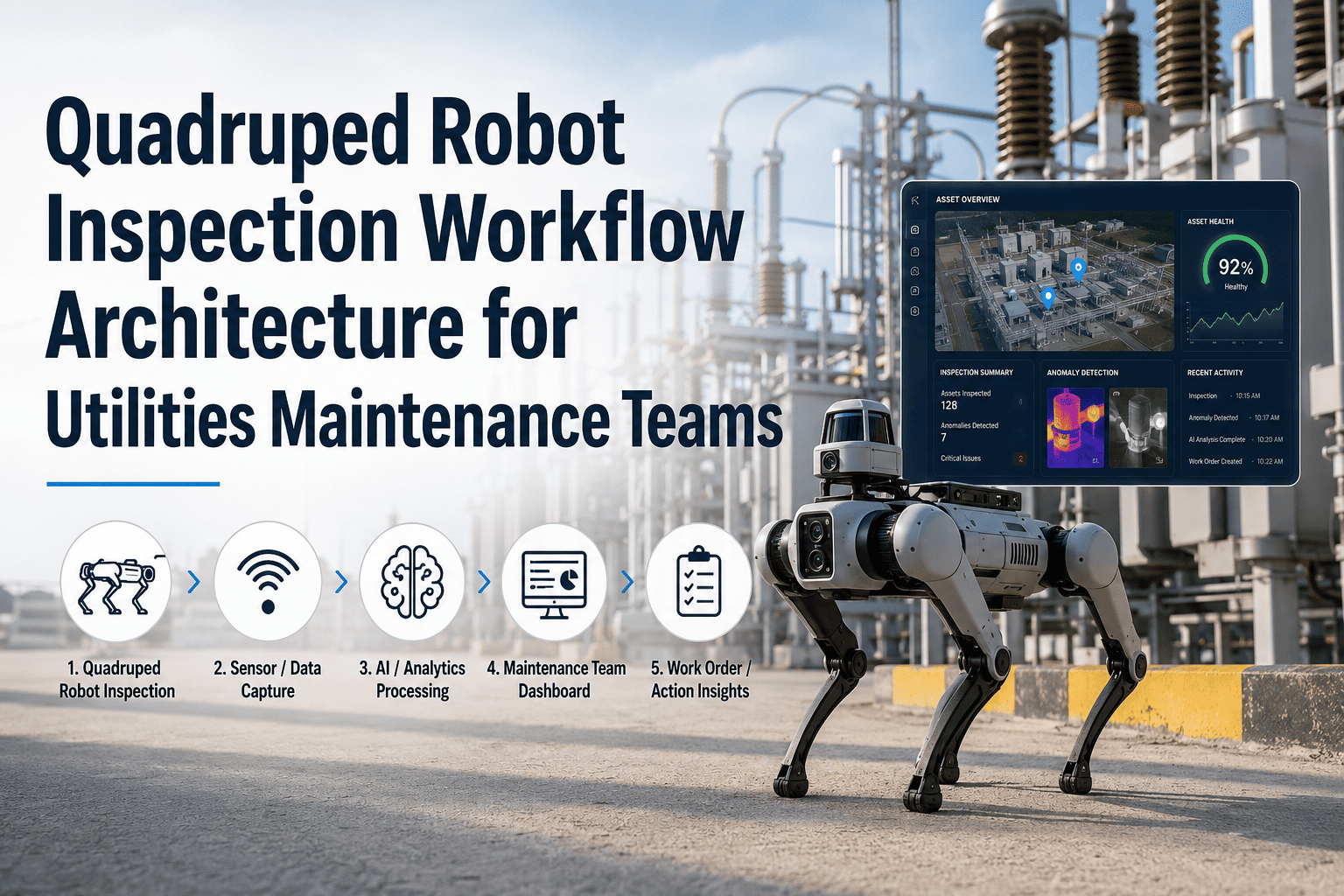
Quadruped Robot Inspection Workflow Architecture for Hospitality Facilities
How Boston Dynamics Spot and ANYmal connect to OxMaint CMMS to convert autonomous patrol data into prioritized maintenance work orders — across hotels, resorts, and convention centers.
What Manual Inspection Misses in a Hospitality Facility
A large hotel property has 80 to 200 maintainable assets spread across mechanical rooms, rooftops, parking structures, kitchen equipment areas, and guest floor corridors. A manual inspection round covers maybe 40% of those assets per shift. Findings that do get recorded often sit on a paper form or a technician's phone — never making it into the CMMS as an actionable work order. The result: reactive repairs, guest-facing failures, and maintenance teams perpetually behind.
Overnight Blind Spots
Skeleton night crews cannot physically reach every plant room, rooftop unit, and utility tunnel during a single shift — leaving equipment failures undetected until morning.
Data Never Reaches CMMS
Research consistently shows 35 to 45% of manual inspection findings are lost between clipboard and CMMS — never converted to work orders, never repaired, never verified.
Guest Experience Risk
HVAC failures, elevator anomalies, and plumbing leaks in hospitality directly impact guest reviews and revenue — making early detection a business-critical requirement, not a nice-to-have.
No Trend Baseline
Without comparable inspection data across time, facilities teams cannot build degradation trend lines — so capital planning relies on gut feel instead of actual asset condition history.
How the Robot-to-Work-Order Pipeline Works
The architecture connects five stages: autonomous patrol, sensor data capture, AI analysis, CMMS integration, and technician dispatch. Each stage has a defined data handoff so no finding falls through the gap between robot and repair.
Autonomous Patrol Route
Quadruped robots follow pre-programmed patrol routes through plant rooms, corridors, rooftop decks, and utility spaces — navigating stairs, ramps, and uneven flooring that wheeled robots cannot manage. Routes are scheduled by shift, priority zone, and asset criticality.
Multi-Sensor Data Capture
Each patrol captures thermal imaging (FLIR integration), HD visual imagery, acoustic anomaly readings, vibration data, and gas detection readings — simultaneously, on every inspection point, with GPS and asset-tag coordinates embedded in every frame.
AI Analysis and Anomaly Classification
Computer vision models classify thermal hotspots, surface cracks, corrosion, leak indicators, and acoustic anomalies — distinguishing genuine defects from ambient variation and reducing false alarms that drain technician time.
OxMaint CMMS Integration
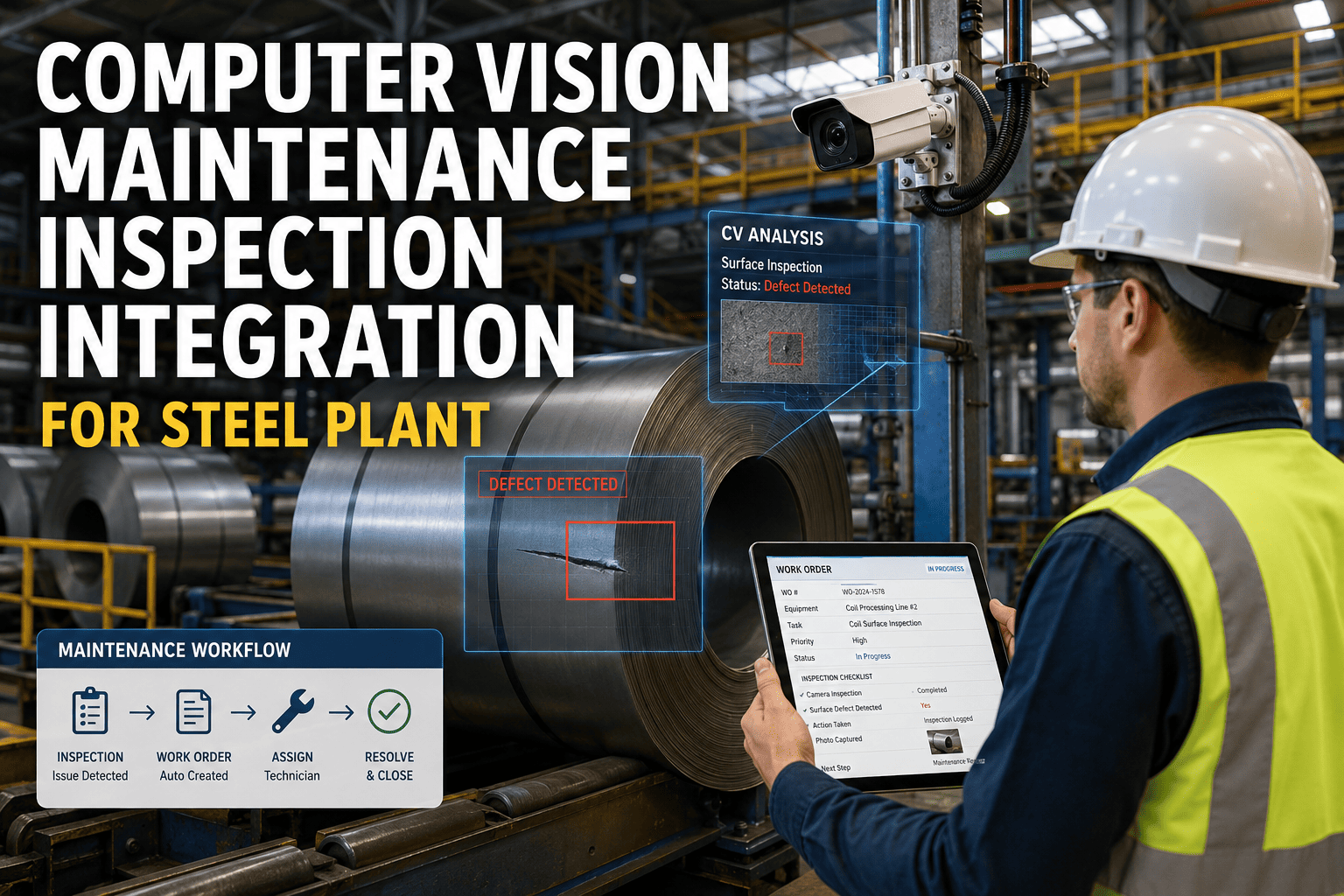
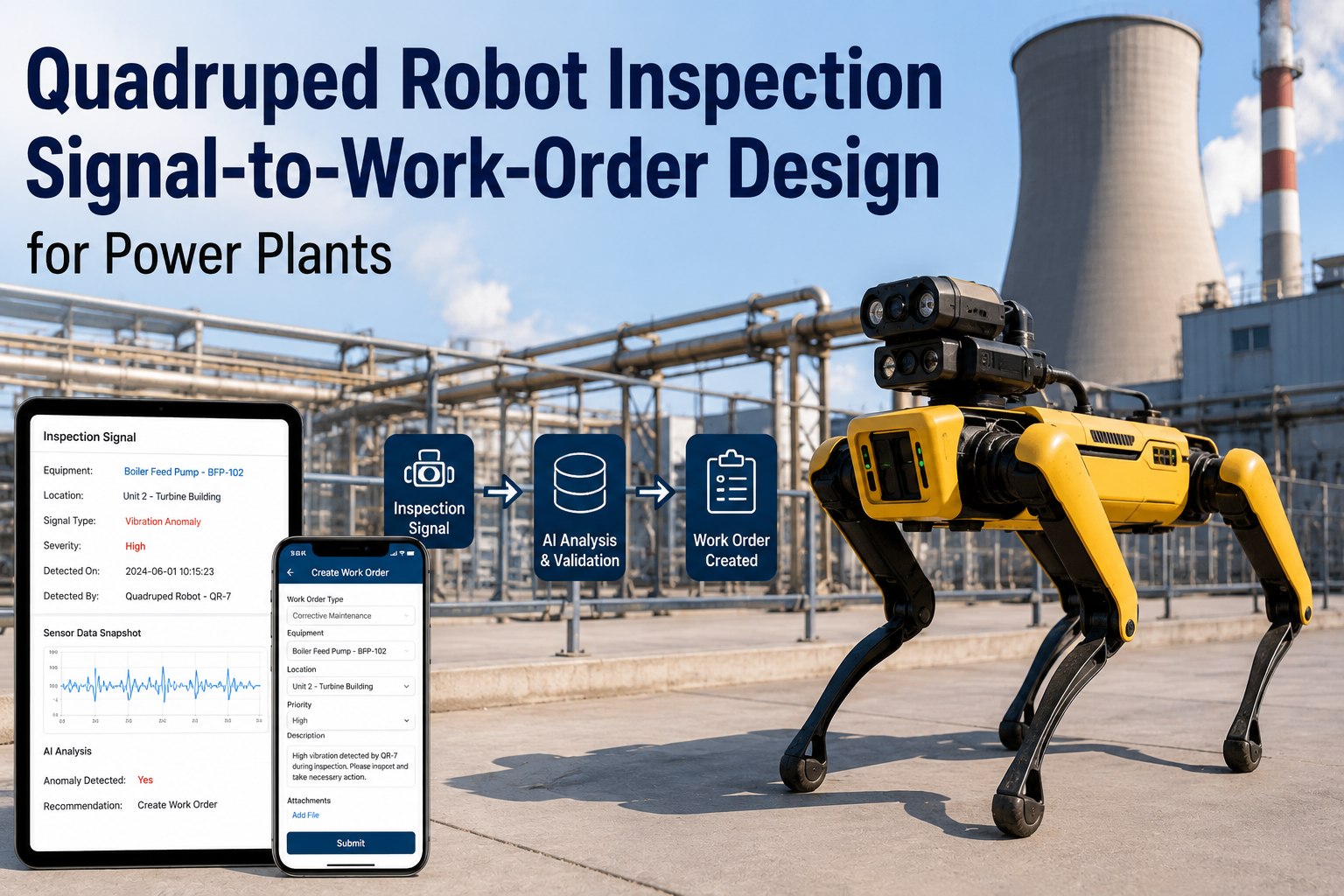
Classified anomalies above configured severity thresholds automatically generate prioritized work orders in OxMaint — complete with asset ID, location, photographic evidence, sensor readings, and recommended corrective action. API connectors support OPC-UA, REST, and direct robot payload APIs.
Technician Dispatch and Verification
Maintenance teams receive mobile-notified work orders before their shift starts. Completed repairs are logged against the original robot finding — closing the inspection-to-repair loop and building the asset history that powers predictive scheduling.
See the full quadruped robot inspection workflow configured for your hospitality portfolio — including asset mapping, patrol scheduling, and CMMS work order templates.
What Robots Inspect in a Hospitality Facility
| Facility Area | Robot Sensors Used | What AI Detects | Work Order Trigger |
|---|---|---|---|
| Mechanical Room (Chiller, Pumps) | Thermal + Acoustic | Bearing heat, vibration anomaly, refrigerant leak | Temp delta > 8°C vs baseline |
| Rooftop HVAC Units | Thermal + Visual | Coil fouling, belt wear, compressor hotspot | Surface temp > defined threshold |
| Kitchen Exhaust and Ventilation | Visual + Gas Sensor | Grease buildup, CO/CO₂ level, duct integrity | Gas threshold or visual blockage |
| Basement Utility Tunnels | Thermal + Visual | Pipe insulation damage, water ingress, corrosion | Moisture detection or anomaly flag |
| Electrical Switchgear Rooms | Thermal | Overheating panels, breaker anomaly, cable termination heat | Panel temp > 55°C surface reading |
| Parking Structure | Visual + Acoustic | Concrete spalling, drain blockage, structural crack | Crack width or standing water flag |
Measured Results from Robot-CMMS Deployments
"The real breakthrough was not the robot itself — it was having every overnight finding already in OxMaint as a work order when my team clocked in at 6 a.m. We stopped starting the day in reactive mode. Mechanical room issues that used to reach us as guest complaints now get resolved three shifts before any guest notices."
How OxMaint Connects to Your Robot Platform
Robot Platform APIs
OxMaint connects to Boston Dynamics Spot API, ANYbotics ANYmal data outputs, and custom quadruped payload streams — without replacing your robot's existing control software.
Asset Record Mapping
Every robot inspection point maps to an OxMaint asset record — so findings carry asset ID, location, maintenance history, and installation date automatically. No manual cross-referencing.
Threshold-Driven Work Orders
Configure severity thresholds per asset class. When robot sensor data exceeds a defined limit, OxMaint auto-generates a prioritized work order — no human review step required for routine anomalies.
Inspection Trend Dashboards
Every patrol builds an inspection history in OxMaint — enabling degradation trend analysis, predictive maintenance scheduling, and capital planning based on real asset condition data.
Frequently Asked Questions
Your Night Shift Should Not Be a Maintenance Blind Spot
OxMaint connects quadruped robot patrol data to automated work orders, asset trend dashboards, and compliance records — so your maintenance team starts every shift already ahead of every overnight anomaly detected.