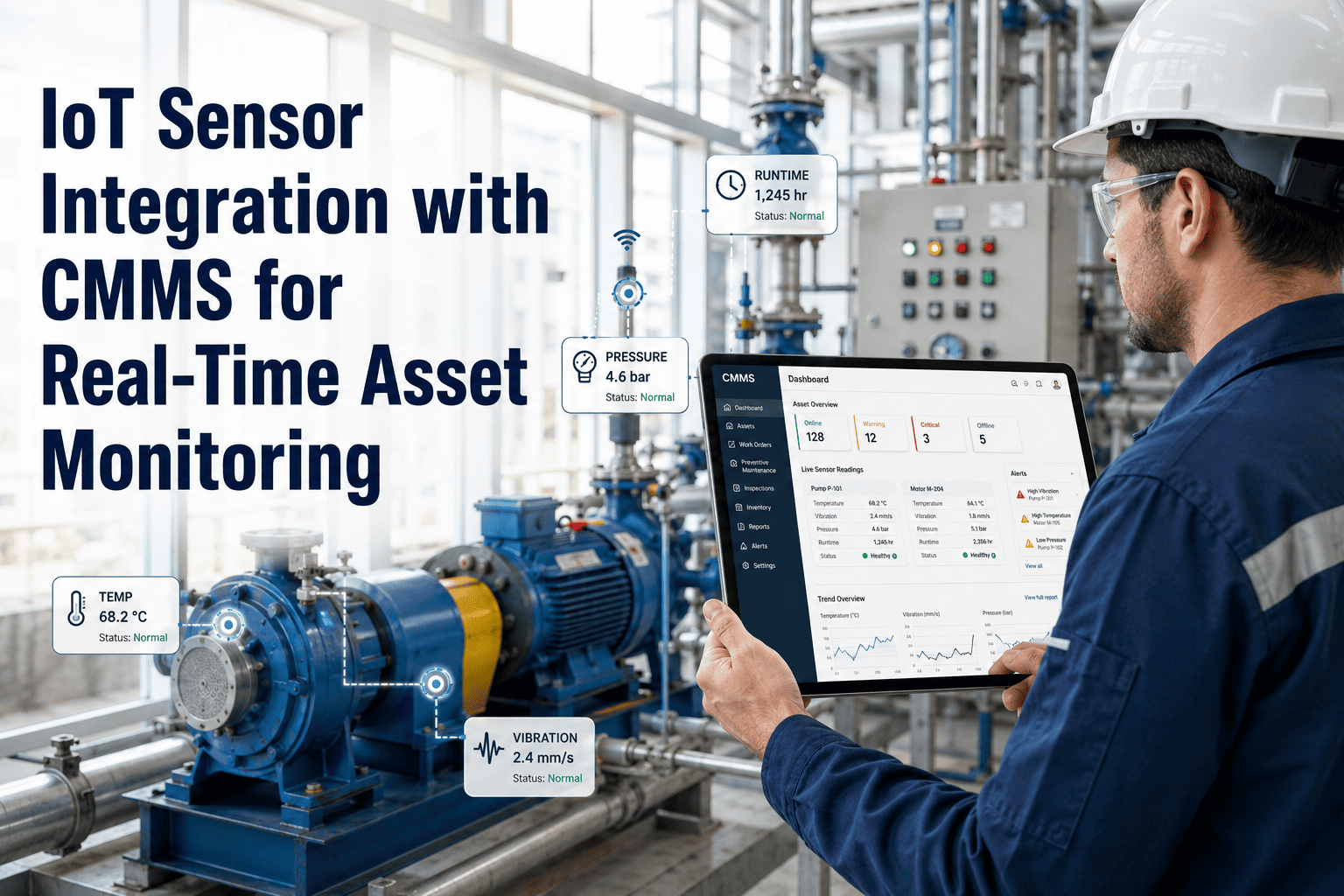
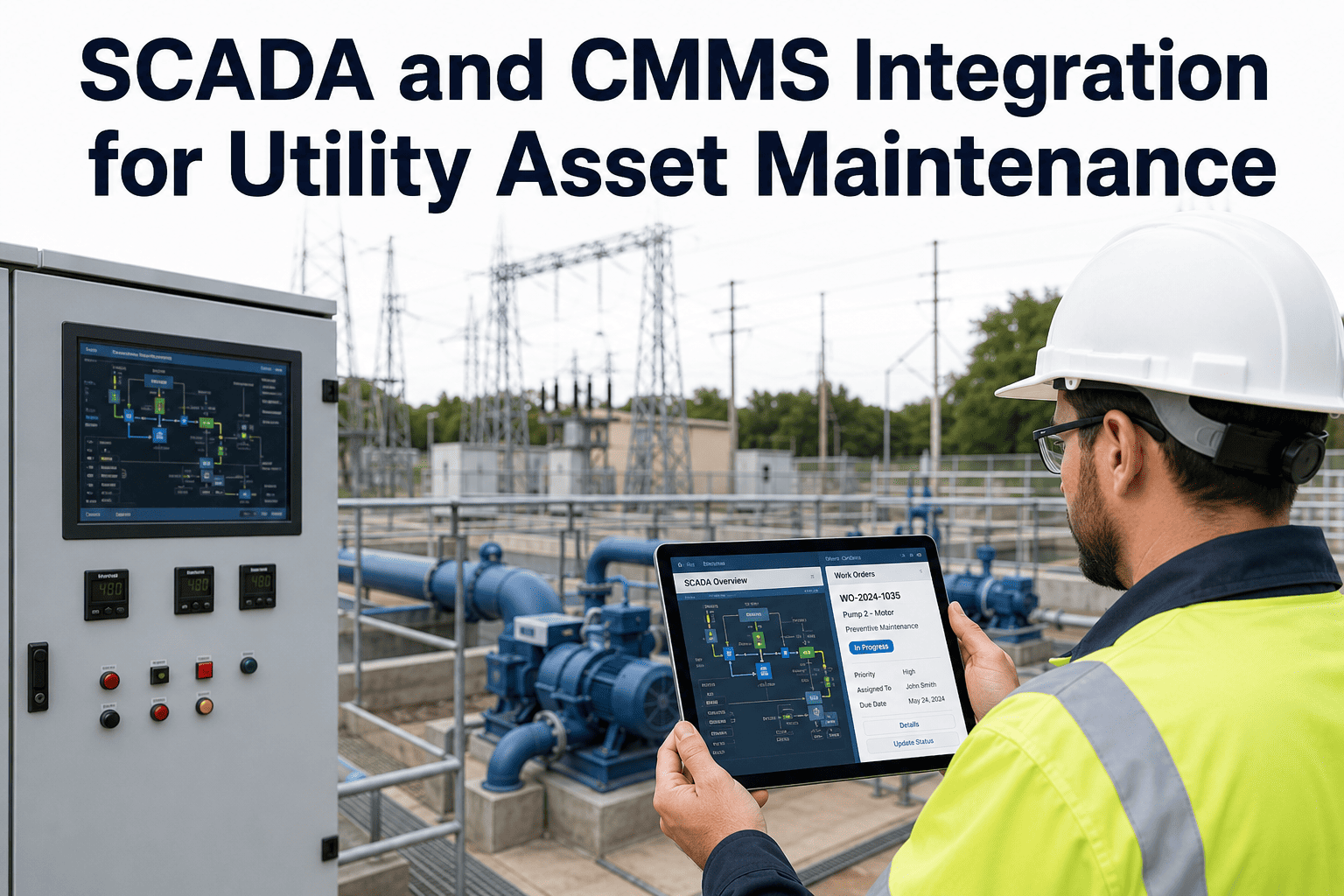
Industrial facilities are entering a new era of inspection — one where robots, drones, and autonomous ground vehicles replace humans in the most dangerous, inaccessible, and high-frequency monitoring tasks. A 2024 ARC Advisory Group report found that 43% of unplanned industrial downtime originates from assets that were never inspected — not because maintenance teams were negligent, but because the assets were physically unreachable without shutting down production. OxMaint's Inspection Management module is built to receive, log, and action every alert that robotic and drone inspection systems generate — creating a closed loop between autonomous detection and human-assigned work orders. From quadruped robots navigating live substations to thermal drones scanning tank farm rooftops, the inspection data is only valuable if it triggers the right maintenance response at the right time. Book a demo to see how OxMaint connects robotic inspection outputs to your maintenance workflow.
43%
of unplanned downtime from never-inspected assets
$180K
average cost per hour of unplanned manufacturing downtime
68%
reduction in confined-space entry incidents with robotic inspection
3.2×
faster defect detection rate vs. manual walkthroughs
Why Robotic Inspection Now
The assets most likely to fail are the ones humans can't regularly reach
Overhead cranes, high-voltage switchgear, pressurised pipelines, confined storage tanks, and remote wind towers share one critical vulnerability: inspection frequency drops sharply when access is difficult or hazardous. Manual inspection intervals that should be weekly stretch to quarterly — not by policy, but by practical constraint. Robotic inspection systems remove that constraint entirely. Quadruped robots traverse live production floors. Drones scan rooftops and tank exteriors in minutes. Rail-guided crawlers inspect internal pipe walls without system shutdown. The inspection data they generate is richer, faster, and safer than any manual equivalent — but only if it connects to a maintenance system that can act on it.
Inspection Access Difficulty vs. Failure Risk
Overhead crane rail
High Access Difficulty
High Failure Risk
Storage tank interior
Very High Access Difficulty
Very High Failure Risk
HV substation interior
High Access Difficulty
High Failure Risk
Rooftop HVAC/cooling
Moderate Access Difficulty
Moderate Failure Risk
Ground-floor conveyor
Low Access Difficulty
Moderate Failure Risk
01
Aerial Drones (UAV)
Rooftop assets, tank exteriors, flare stacks, solar arrays, transmission lines
Thermal IR · RGB 4K · LiDAR · Gas detection
OxMaint receives thermal anomaly alerts via webhook → auto-generates work order with GPS-tagged photo attached → assigns to roofing or electrical trade
02
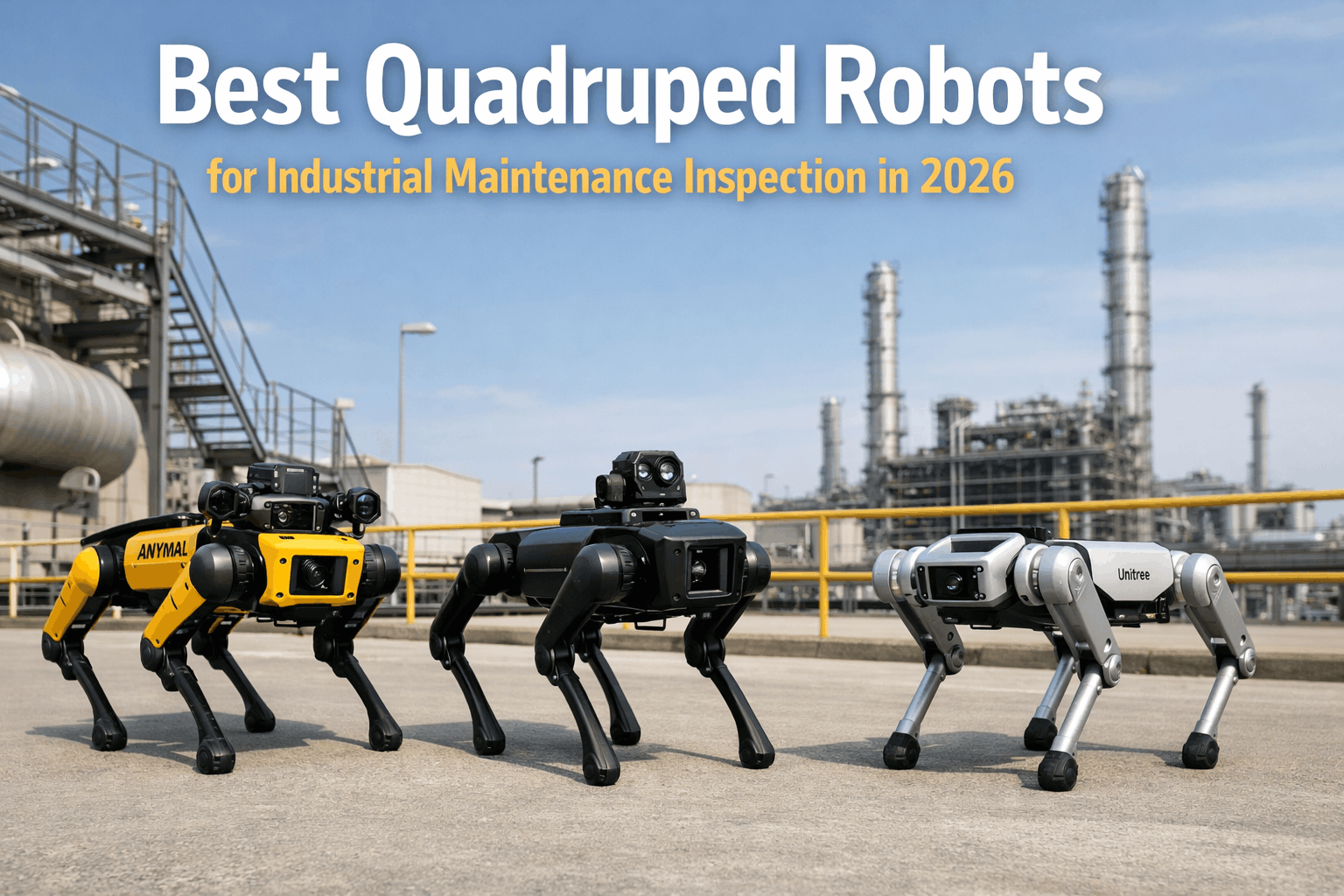
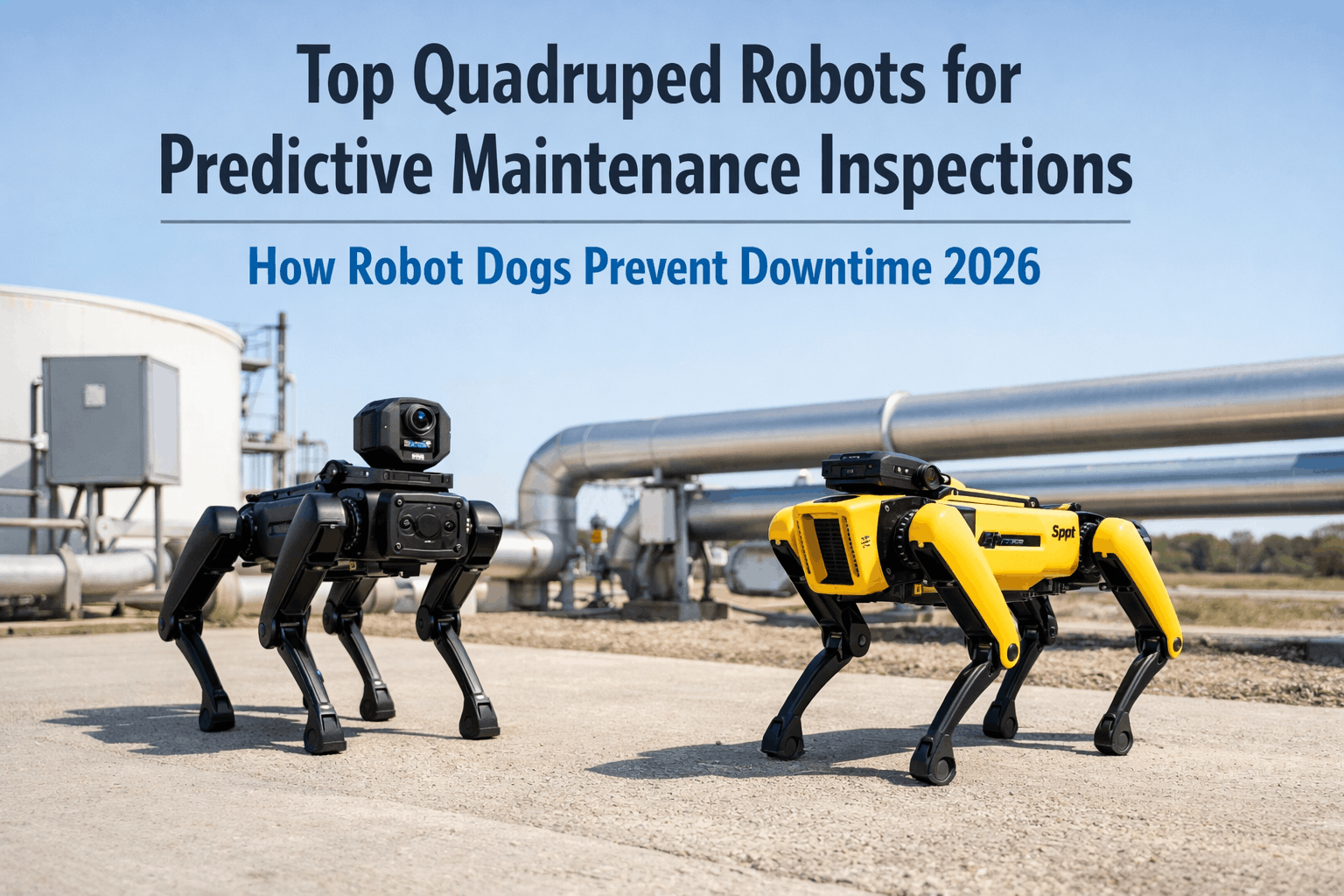
Quadruped Robots
Live production floors, oil refineries, chemical plants, confined stairwells
Gas sensors · Acoustic emission · Visual inspection · Vibration
OxMaint maps patrol route waypoints to asset records → anomaly at waypoint triggers inspection checklist → escalation if severity threshold exceeded
03
Rail / Crawler Robots
Internal pipeline inspection, sewer mains, boiler tubes, pressure vessel walls
Ultrasonic wall thickness · Visual · MFL (magnetic)
Wall thickness readings feed directly to OxMaint asset health record → trend tracked over time → PM interval adjusted automatically when degradation rate accelerates
04
Autonomous Ground Vehicles
Warehouse racking, large logistics centres, outdoor yard assets
3D mapping · Barcode/QR · Visual defect AI
AGV scan results update OxMaint asset register in real-time → discrepancies between last known state and current scan create exception work orders automatically
Turn robotic inspection alerts into closed work orders — automatically
OxMaint connects to drone and robot inspection platforms via webhook, API, and MQTT. Every finding becomes a tracked, assigned, evidence-backed work order.
R
Robot Detects Anomaly
Thermal deviation, acoustic signature, gas reading, or visual defect is captured at the source — with GPS/waypoint coordinates, timestamp, and sensor confidence score
A
OxMaint Receives Alert
Via webhook, REST API, or MQTT broker — the finding is logged against the specific asset record in OxMaint with severity classification and raw sensor data attached
W
Work Order Auto-Created
OxMaint applies asset criticality rules to set priority, assigns to the correct trade/technician, attaches inspection images, and sets SLA clock based on severity
T
Technician Acts & Signs Off
Field technician receives mobile work order, completes the repair or inspection response, captures completion photo and notes — record is permanently closed and auditable
D
Data Feeds Predictive Model
Closed work order data — repair type, time-to-fix, failure mode — feeds OxMaint's asset health history, improving future inspection frequency recommendations
| Inspection Dimension |
Manual (Human) |
Robotic + OxMaint |
Operational Impact |
| Confined space entry |
Requires permit, PPE, 2-person team — 4+ hrs |
Crawler enters autonomously — 20 min |
83% time reduction; zero confined-space risk |
| Thermal anomaly detection |
Requires thermal camera operator on-site |
Drone scans 2ha roof in 12 minutes |
Finds faults 6× faster; no production interruption |
| Inspection frequency |
Quarterly or less for hard-to-reach assets |
Daily patrol routes configurable |
43% fewer surprise failures in first year |
| Data → work order lag |
2–5 days (paper report → supervisor → CMMS) |
Under 2 minutes (auto-triggered) |
Defects addressed before escalation |
| Audit trail quality |
Field notes — inconsistent, often incomplete |
GPS, timestamp, sensor data, image — all linked |
Full evidence chain for ISO 55001 / insurance |
Expert Review
Dr. Anita Svensson — Industrial Asset Integrity Engineer, 21 years, formerly Equinor Inspection Technologies
The inspection data gap is where most industrial predictive maintenance programs fall apart. Organisations invest in excellent robotic inspection hardware — Boston Dynamics Spot patrols, Flyability drones for confined spaces, MISTRAS crawlers — and then the data lands in a standalone software platform that no maintenance technician ever checks. The findings don't become work orders. The defects don't get repaired before they cascade. What OxMaint provides is the connective tissue between the inspection event and the maintenance response. That is not a minor feature — it is the entire value chain of predictive maintenance in a single integration.
OxMaint · Inspection Management · Industrial Sites
Robotic inspection without CMMS integration is data without action. OxMaint closes the loop.
Drone Alerts · Quadruped Patrols · API Integration · Auto Work Orders · Asset Health History · Audit Export
Frequently Asked Questions
Which robotic inspection platforms does OxMaint integrate with?
OxMaint integrates with inspection platforms via REST API, webhook, and MQTT — covering leading systems including Boston Dynamics Spot Enterprise, Flyability Elios, DJI Enterprise drones, and MISTRAS Group crawler systems. Integration typically requires an API key from the inspection platform and a one-time configuration in OxMaint's integration settings.
Book a demo and bring your current inspection platform details — our team will confirm the integration pathway and estimated setup time for your specific environment.
How does OxMaint handle false positives from robotic inspection sensors?
OxMaint applies configurable severity thresholds and confidence score filters before auto-generating work orders — meaning alerts below a set sensor confidence level are flagged for human review rather than triggering immediate action. Supervisors receive a review queue with the raw sensor data and inspection image attached, enabling a 30-second decision on whether to escalate or dismiss.
Sign in to OxMaint to explore the alert triage workflow and set your site-specific thresholds.
Can OxMaint track inspection frequency and robot patrol route compliance?
Yes. OxMaint's Inspection Management module tracks scheduled patrol frequency per asset or zone — alerting facility managers when a robotic patrol is overdue against its defined schedule. Patrol completion records, including GPS waypoint logs and sensor coverage maps, are stored against the asset record and available for ISO 55001 and insurance audit purposes.
Book a demo to see the patrol compliance dashboard and how it links to your CMMS PM schedule.
How does robotic inspection data improve preventive maintenance intervals over time?
OxMaint builds an asset health history from every inspection finding — recording defect type, sensor readings, and repair outcome. As this dataset grows, OxMaint's analytics surface degradation rate trends per asset class, enabling your maintenance team to shift from calendar-based PM intervals to condition-based intervals that are calibrated to actual failure patterns.
Start a free trial to see how your existing asset data can be used to begin building those trend models immediately.
What evidence does OxMaint retain to support insurance claims after a robotic inspection finding?
Every work order generated from a robotic inspection retains the original sensor data, inspection image or thermal overlay, GPS coordinates, severity classification, assigned technician, repair action taken, and completion timestamp — all in a tamper-evident digital record. This chain-of-evidence documentation is exactly what industrial insurers and ISO 55001 auditors require to demonstrate that detected anomalies were acted upon within defined timeframes.
Book a demo to see how the evidence chain is structured and exported for your specific compliance framework.