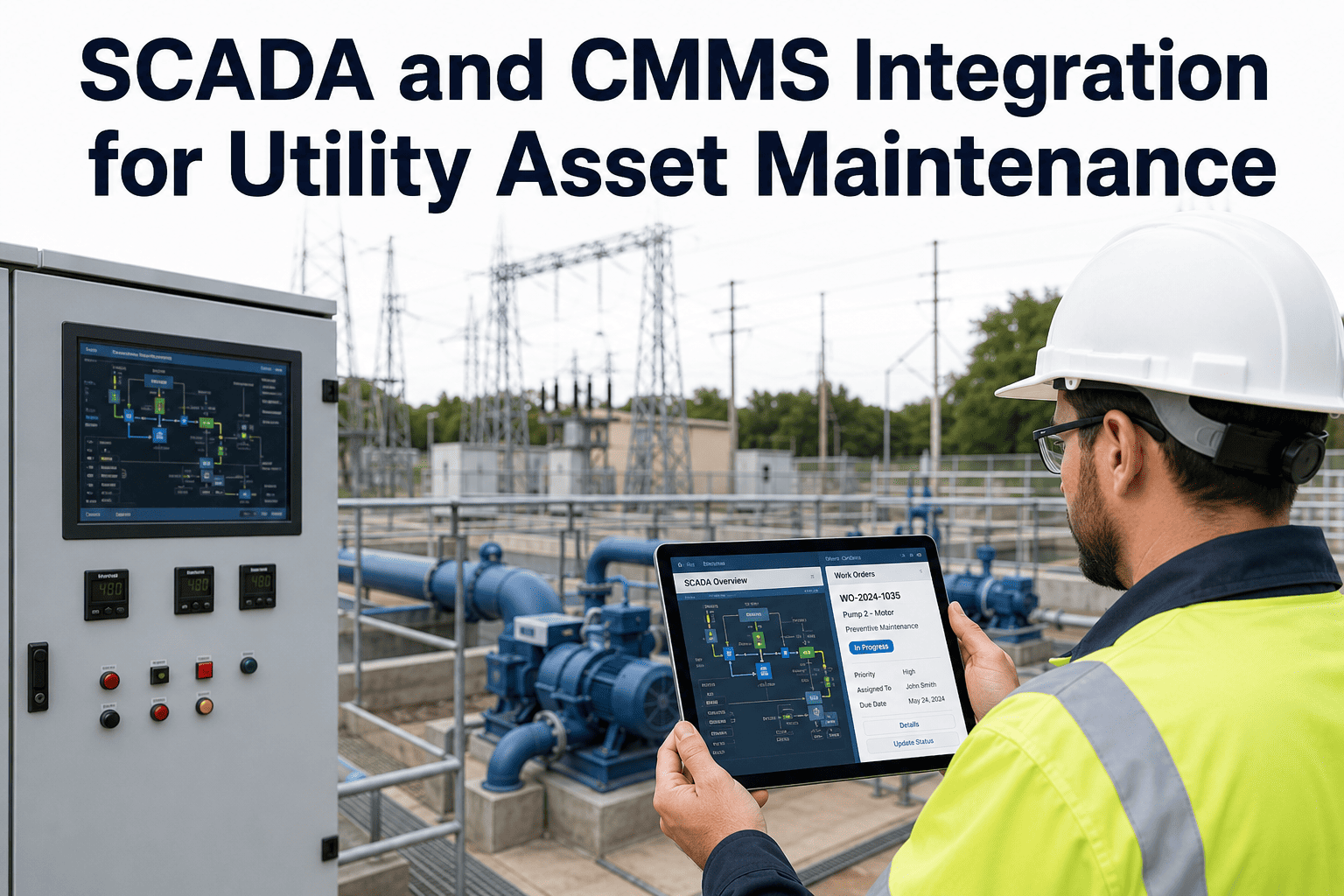
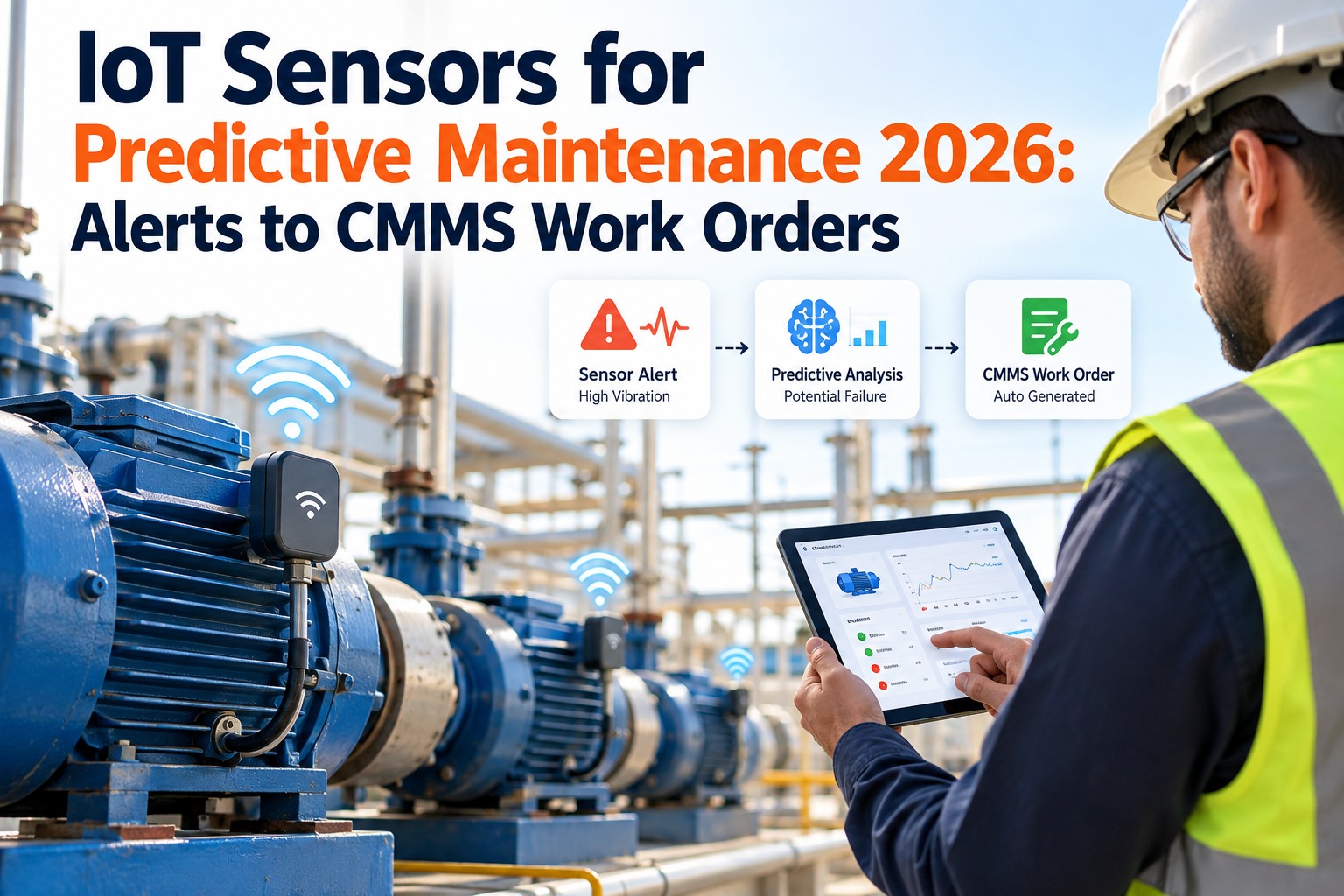
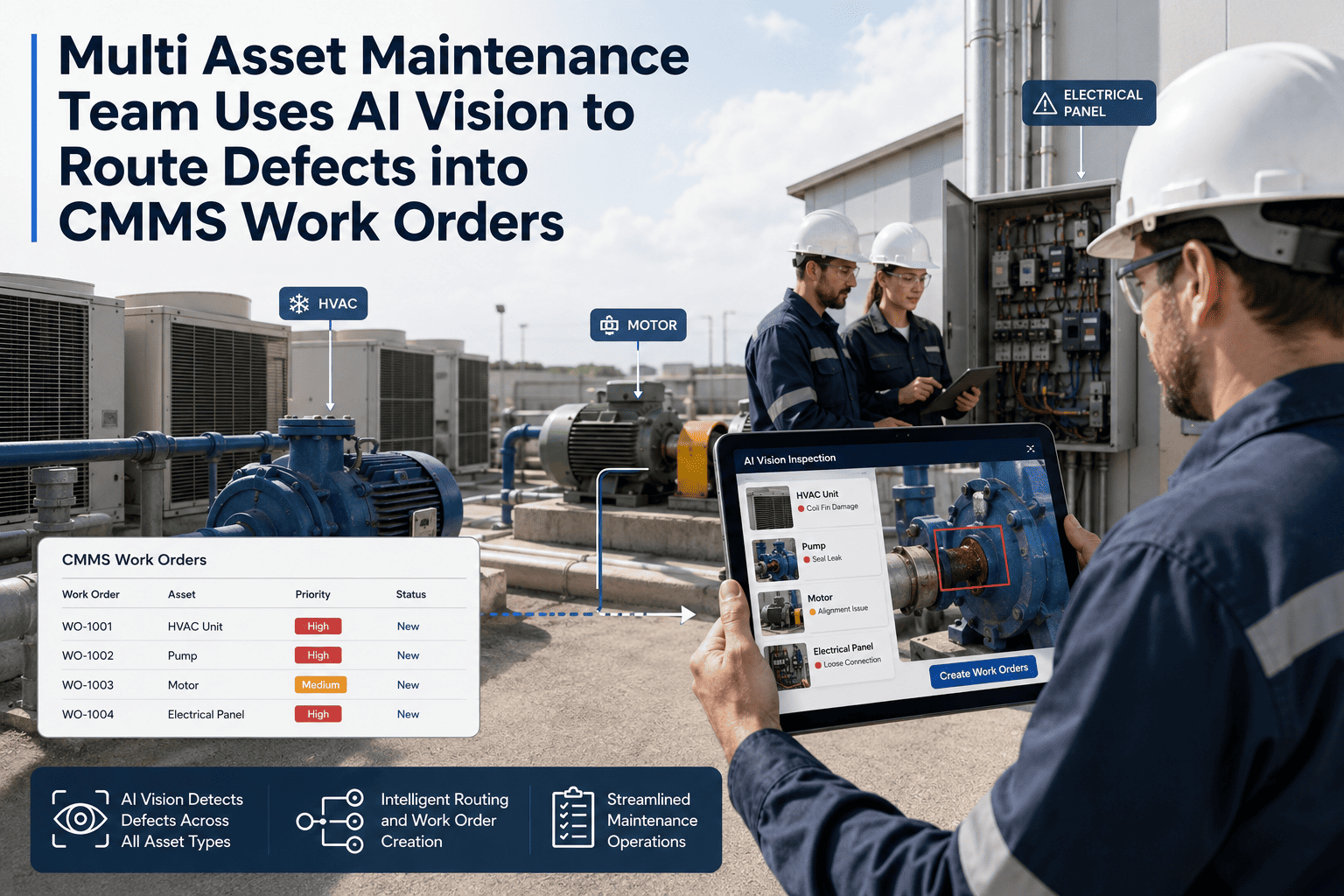
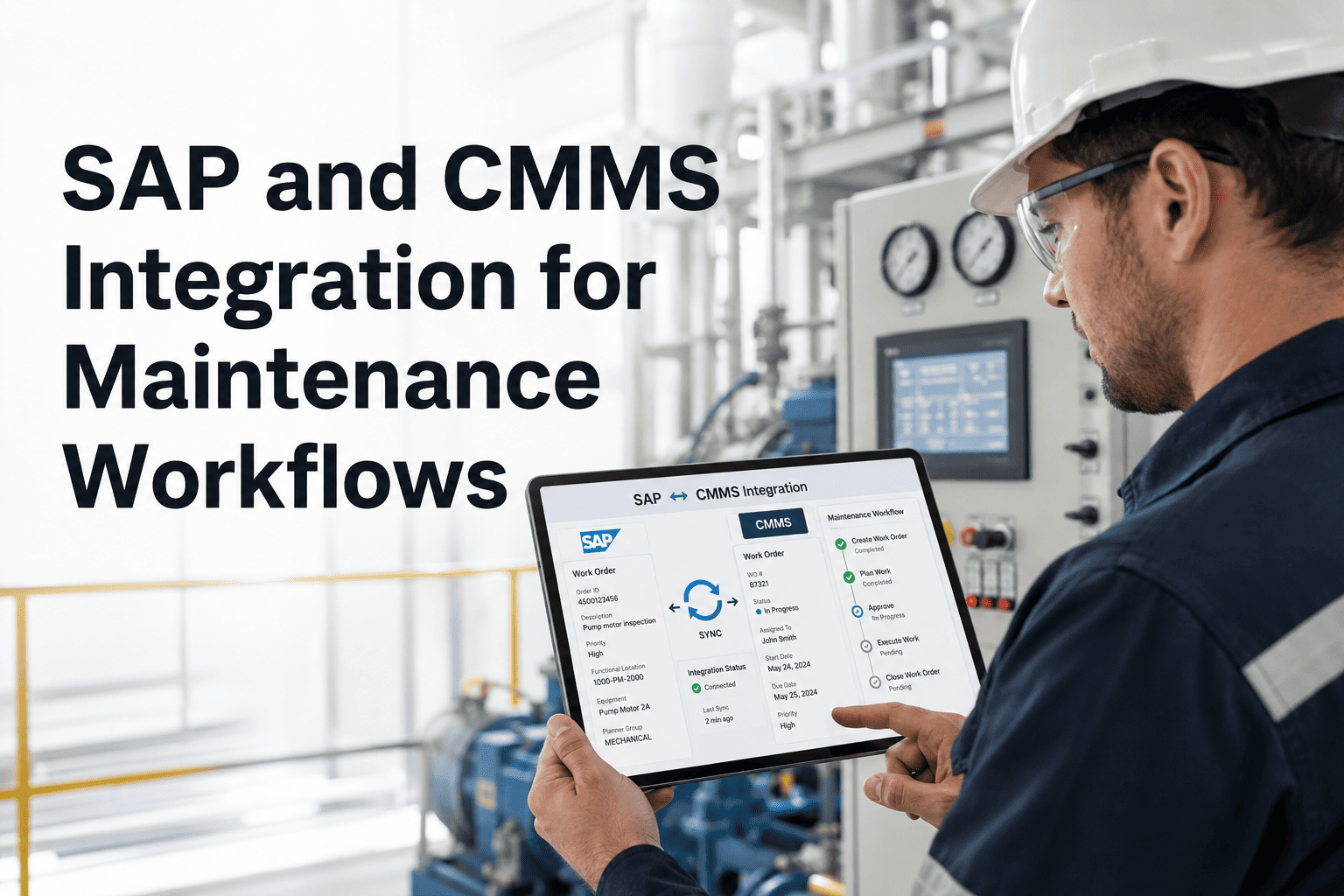
SCADA systems run the operational spine of utilities — monitoring grid equipment, water treatment processes, pipeline infrastructure, and generation assets in real time. They detect anomalies, log alarms, and give operators visibility across thousands of field assets simultaneously. But SCADA does not dispatch technicians, create work orders, track parts, or document repair history. When an operational alarm in SCADA has nowhere to go, it either generates a radio call that leaves no record or gets dismissed by a screen-fatigued operator who has seen the same alarm too many times. OxMaint's SCADA integration turns operational alarms into maintenance actions — automatically creating work orders when SCADA thresholds are breached, routing them to field technicians with the right skills, and building an asset maintenance history that SCADA alone can never provide. This page explains the technical integration path, the utility asset types covered, and the compliance and operational outcomes that utility maintenance teams achieve.
SCADA · CMMS · UTILITY ASSET MAINTENANCE
SCADA sees the fault. OxMaint makes sure it gets fixed — and documented.
OxMaint converts SCADA operational alarms into prioritized maintenance work orders automatically — with full audit trail, regulatory compliance documentation, and technician tracking built in.
UTILITY ASSET COVERAGE
Utility infrastructure OxMaint manages from SCADA alarm to closed work order
| Asset Category |
SCADA Alarm Type |
OxMaint Work Order Action |
Regulatory Reference |
| Water Treatment Plant |
Turbidity, chlorine residual, pump failure |
Immediate corrective WO — process engineer notified |
EPA Surface Water Treatment Rule |
| Electrical Distribution |
Transformer overload, feeder fault, relay trip |
Critical priority WO — crew dispatch with safety clearance |
NERC CIP, NESC |
| Wastewater Collection |
Lift station level alarm, pump failure, overflow risk |
Emergency WO — spill prevention response protocol attached |
Clean Water Act, NPDES |
| Gas Distribution |
Pressure regulation fault, odorization failure, leak signal |
Emergency WO — gas safety response procedure embedded |
DOT PHMSA 49 CFR Part 192 |
| Substation Equipment |
Circuit breaker fault, protection relay alarm, cooling fail |
Predictive WO before failure — outage planning triggered |
IEEE C37, NERC FAC-003 |
COMPLIANCE ADVANTAGE
Why SCADA-CMMS integration matters for utility regulatory compliance
01
Complete alarm-to-resolution records
Every SCADA alarm that generates a work order has a full traceable record: alarm timestamp, work order creation, technician assignment, actions taken, and resolution time — available for any regulatory audit without manual assembly.
02
Mandatory response time documentation
Many utility regulations require documented response times to specific alarm categories. OxMaint automatically timestamps every step in the work order lifecycle — alarm received, WO created, technician dispatched, on-site, resolved — creating an automatic compliance record.
03
Procedure compliance per asset
SCADA-triggered work orders in OxMaint carry embedded operating procedures specific to the asset and fault type. Field technicians follow the regulated response procedure — and their procedure adherence is documented step by step.
94%
of utility NOVs (notices of violation) are tied to missing maintenance documentation — not the maintenance failure itself
3x
Faster compliance audit preparation when SCADA alarms and work orders are integrated vs manually assembled records
Expert Review
Vikram Nair — Utility Operations Manager, Regional Water Authority
SCADA integration with CMMS is not optional for utilities facing regulatory scrutiny. Auditors do not just want to know the pump was repaired — they want the alarm log, the work order, the technician name, the time on site, and the procedure followed. Without CMMS integration, you are assembling that from three separate systems under audit pressure. OxMaint creates that record automatically every time a SCADA alarm fires.
CONNECT YOUR SCADA
Book a demo — show us your SCADA system and we will map the integration
Bring your SCADA platform details — GE iFIX, Wonderware, Ignition, Inductive Automation, or ABB Symphony — and our team will walk through exactly how OxMaint connects and what alarm-to-work-order routing looks like for your utility infrastructure.
FAQS
What utility teams ask about SCADA-CMMS integration
Does OxMaint support SCADA integration via OPC-UA or only REST API?
OxMaint supports SCADA integration via OPC-UA, MQTT, REST API, and direct database connector depending on your SCADA platform version. OPC-UA is the preferred protocol for real-time process data from SCADA systems. For legacy SCADA platforms without OPC-UA support, OxMaint's team configures database-level integration or uses an edge gateway to bridge the protocol gap.
Book a demo and we will confirm the right integration path for your SCADA version.
Can SCADA work orders in OxMaint carry the regulatory compliance documentation requirements automatically?
Yes. OxMaint allows you to attach regulatory procedure templates to alarm categories at configuration time. When a SCADA alarm of a specific type fires and creates a work order, the required response procedure, safety checklist, and documentation fields are automatically included in the work order — so the technician follows the regulated procedure and their compliance is documented without a separate manual step.
Start a free trial to configure your compliance templates.
How does OxMaint handle SCADA alarm floods during grid events or process upsets?
OxMaint's SCADA integration includes alarm rate limiting and priority-based filtering specifically for high-alarm-rate events. During a grid disturbance or process upset that generates hundreds of alarms simultaneously, OxMaint can be configured to create a single high-priority work order for the root event and log secondary alarms as supplementary data — preventing technician teams from being overwhelmed by duplicate work orders during the highest-stress events.
Can OxMaint export SCADA-triggered work order records for regulatory reporting?
Yes. OxMaint generates exportable compliance reports in formats required by most utility regulatory bodies — including timestamped alarm-to-resolution records, technician certification records, procedure adherence documentation, and response time summaries. Reports can be exported on demand or scheduled automatically for submission cycles.
Request a regulatory reporting demo specific to your regulatory jurisdiction.
GET STARTED
Connect your SCADA system to OxMaint — close the alarm-to-action gap
OxMaint ensures every SCADA alarm becomes a tracked, assigned, and documented maintenance action — with embedded response procedures, automatic compliance records, and full audit trail from alarm to resolution.