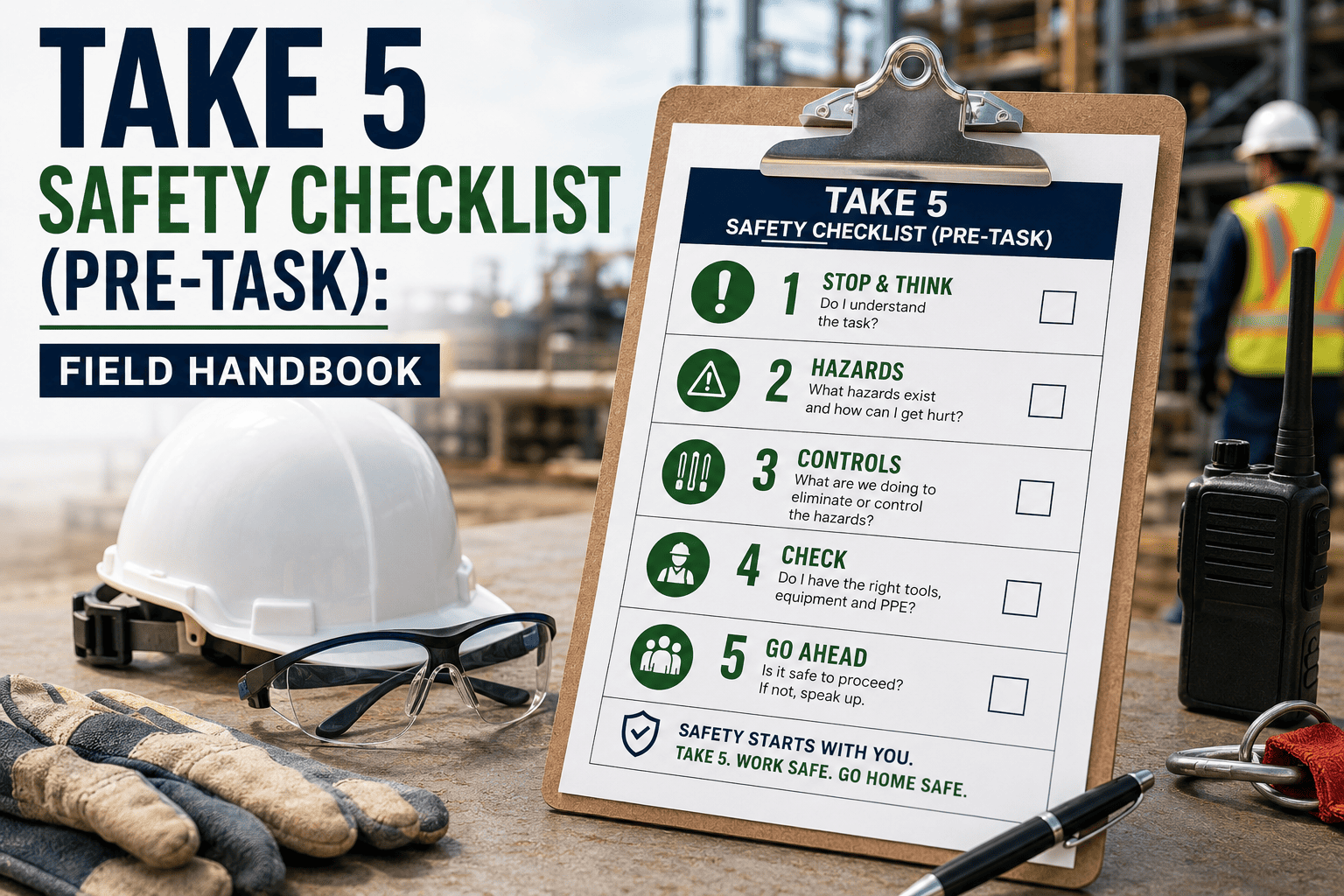
A toolbox talk is supposed to take five minutes and prevent the one mistake that ends a shift badly. But if there's no record of what was actually said, it's just a conversation nobody can prove happened — and that's the first thing an auditor asks about. Sign up to capture every toolbox talk digitally, with attendance, topic, and signatures logged in the moment.
Why It Exists
OSHA expects ongoing safety communication, not a single orientation session that's never repeated. A toolbox talk discussion record is the daily proof of that — a short, focused safety topic delivered before work starts, with attendance and understanding documented every single time.
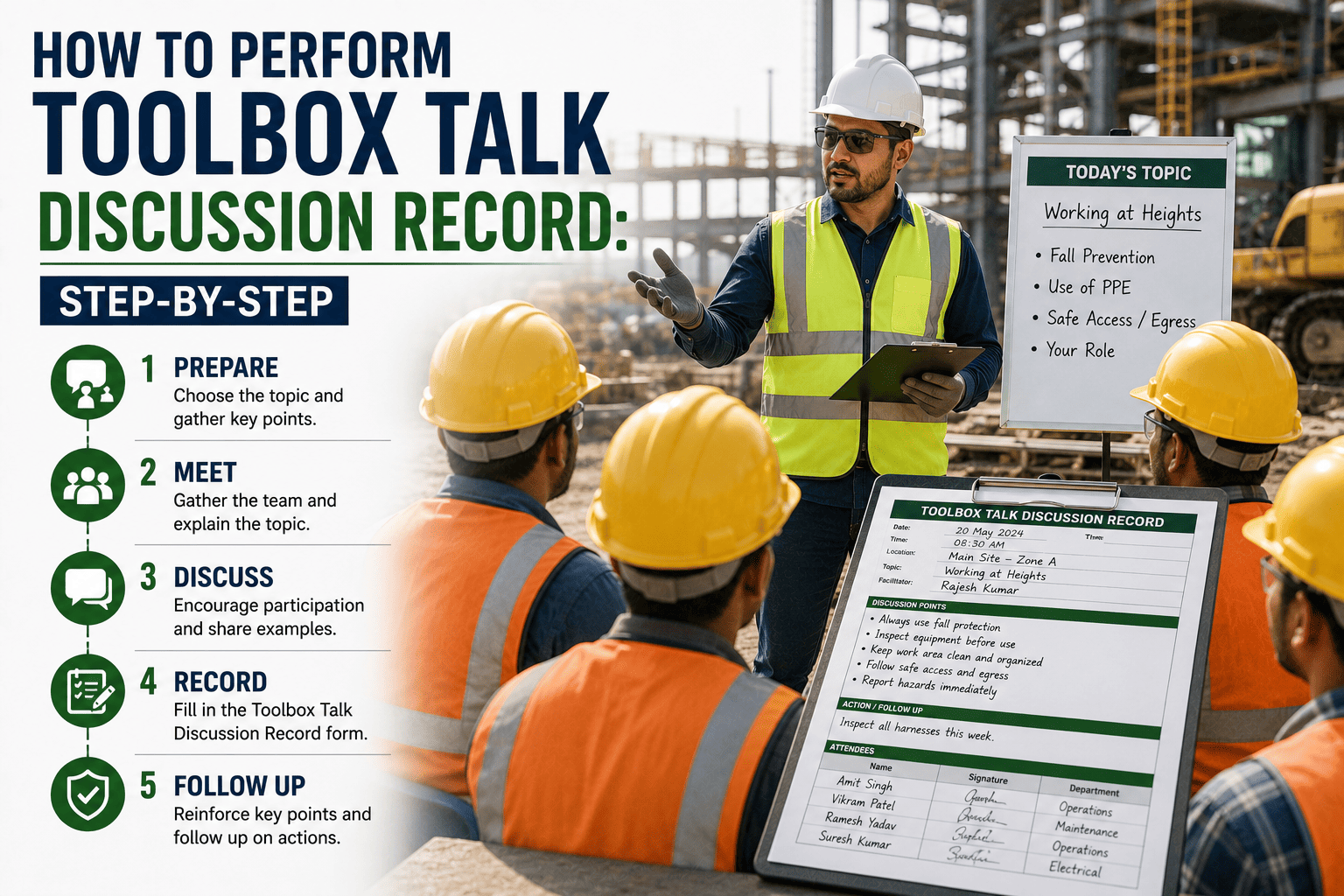
Five Steps To A Toolbox Talk That Counts
1
Pick A Relevant Topic
Base it on today's task, a recent near-miss, or a hazard specific to the crew standing in front of you, not a generic script
2
Keep It Short And Two-Way
Five to ten minutes, and ask at least one question so it's a discussion, not a monologue nobody's really listening to
3
Log Attendance On The Spot
Every worker present signs or initials right there, before the crew disperses to different parts of the site
4
Capture Any Questions Raised
If a worker flags a hazard mid-talk, write it down separately so it doesn't get lost once the crew starts moving
5
File It The Same Day
The record gets stored against the date, site, and crew immediately, not batched and filled in from memory at week's end
Never Wonder If A Talk Actually Happened
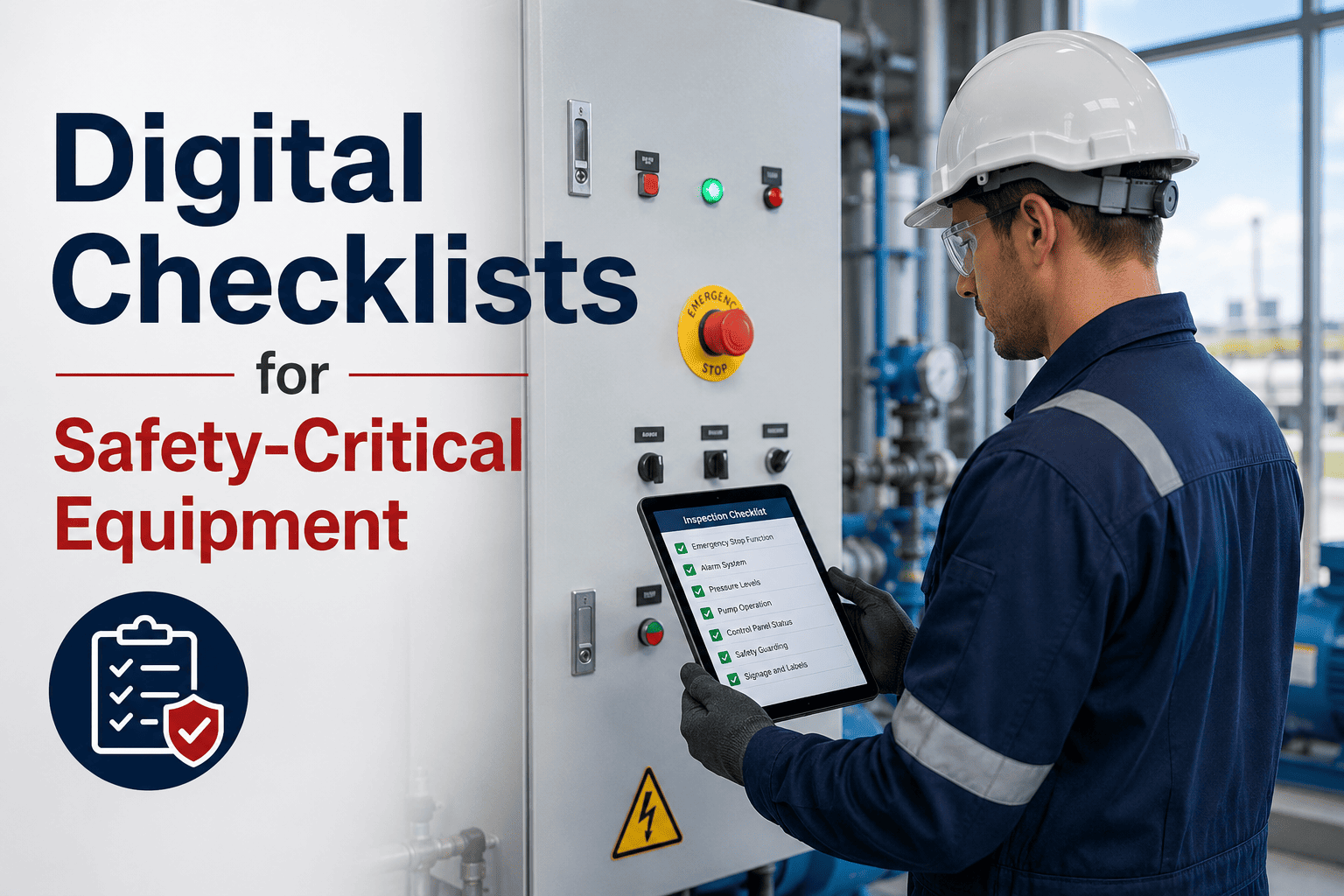
OxMaint turns toolbox talks into a two-minute digital record, with topic, attendance, and e-signatures captured before the crew walks off. Sign up for a free trial to start logging talks digitally, or book a demo to see the workflow live.
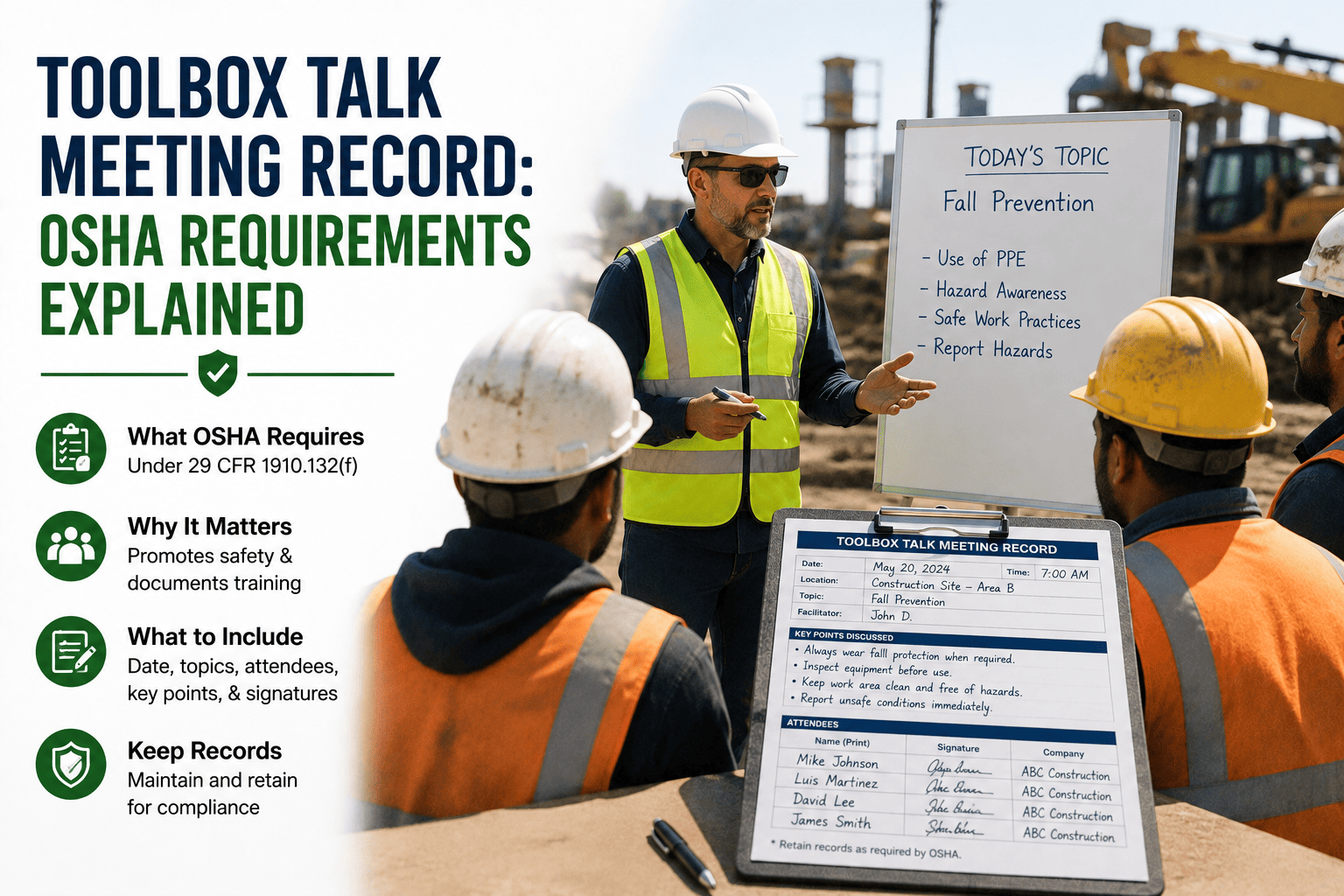
What Every Discussion Record Should Include
Date, Site, And Shift
The basic context that lets anyone find this exact talk months later without guessing
Topic Covered
A specific subject, not "general safety," so the record actually shows what was communicated
Attendee Signatures
Proof of who was present, ideally captured digitally so nothing gets lost between the site and the office
Presenter's Name
Whoever led the talk, so there's a clear point of contact if follow-up questions come up later
Paper Sign-Off vs Digital Discussion Record
| Factor |
Paper Sign-Off |
Digital Discussion Record |
| Speed of filing |
Sheets pile up before someone gets around to scanning them |
Saved the moment the talk ends, from wherever the crew is |
| Topic coverage tracking |
Hard to see which topics haven't been covered in months |
A history by crew shows gaps in topic rotation instantly |
| Legibility of signatures |
Rushed handwriting outdoors, sometimes hard to read later |
A clean e-signature tied to the worker's profile every time |
| Audit response time |
Digging through binders for a specific date and crew |
Pulled up by date, site, or worker in a few seconds |
The Payoff
A well-run toolbox talk shapes how a crew thinks about the day ahead before a single tool comes out. And a properly filed record is what turns "we always talk about safety" into something an auditor, insurer, or investigator can actually verify.
Frequently Asked Questions
Q
How often should toolbox talks happen?
Daily before high-risk work, and at least weekly for lower-risk crews. Consistency matters more than length — a short, frequent talk beats a long one given once a month.
Q
Who is allowed to lead a toolbox talk?
Usually a supervisor or crew lead, but experienced workers can rotate in too. Having different voices deliver the talk keeps it from feeling repetitive.
Q
What if a worker misses the talk?
They should get a quick catch-up briefing before starting work that day, and that catch-up should be logged too, so the record reflects who actually received the information.
Make Every Toolbox Talk Count As Proof
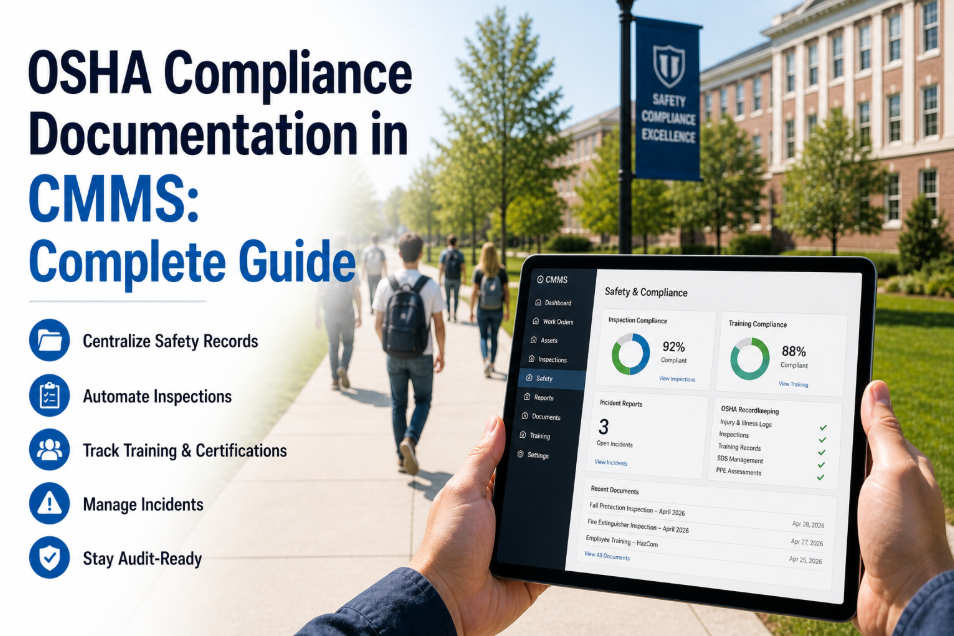
OxMaint links toolbox talk records to mandatory checks, digital LOTO and permit workflows, photo evidence, and e-signatures, so every daily talk comes with a defensible, real-time audit trail. Sign up for a free trial to standardize toolbox talks across every crew, or book a demo to see it working on live safety data.